David Friedman on stateless societies
19 Sep 2021 Leave a comment
in applied price theory, applied welfare economics, comparative institutional analysis, constitutional political economy, David Friedman, defence economics, economic history, economics of crime, history of economic thought, international economics, law and economics, property rights Tags: anarchocapitalism
Stossel: Sweden is Not a Socialist Success
05 Mar 2021 Leave a comment
in applied price theory, comparative institutional analysis, economics of education, entrepreneurship, health economics, history of economic thought, human capital, industrial organisation, international economics, labour economics, labour supply, liberalism, Marxist economics, politics - USA, privatisation, survivor principle Tags: Sweden
David Friedman on Physics, Coase, Anarcho-Capitalism, and Cancel Culture
07 Feb 2021 Leave a comment
in applied price theory, applied welfare economics, Austrian economics, comparative institutional analysis, constitutional political economy, David Friedman, development economics, economic history, economics of bureaucracy, economics of education, entrepreneurship, growth disasters, growth miracles, history of economic thought, human capital, industrial organisation, international economics, labour economics, labour supply, law and economics, liberalism, libertarianism, Marxist economics, occupational choice, privatisation, property rights, Public Choice, survivor principle Tags: China
The Corn Law debates
05 Feb 2021 Leave a comment
in applied price theory, applied welfare economics, Austrian economics, comparative institutional analysis, economic history, economics of bureaucracy, history of economic thought, income redistribution, industrial organisation, international economic law, international economics, labour economics, labour supply, liberalism, Public Choice, rentseeking, survivor principle Tags: British history, tariffs
Why didn’t Russia Also Scramble Africa?
15 Jan 2021 Leave a comment
in defence economics, economic history, economics of bureaucracy, international economic law, international economics, International law, Public Choice Tags: Africa, economics of colonialism
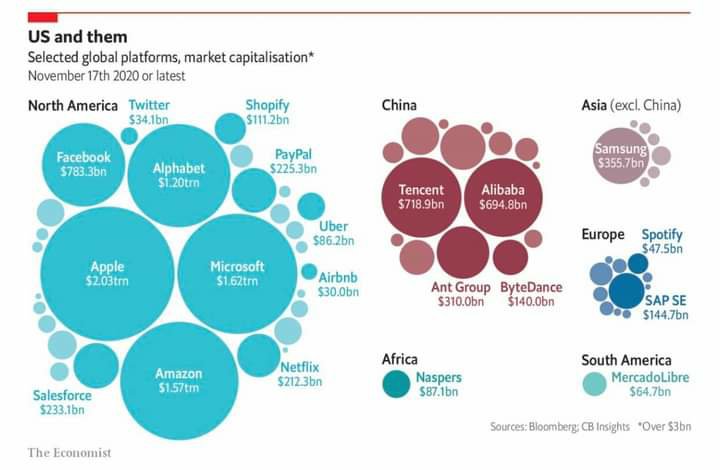
What should be in free trade agreements?
07 Jan 2021 Leave a comment
in applied price theory, applied welfare economics, comparative institutional analysis, constitutional political economy, economics of bureaucracy, economics of regulation, income redistribution, industrial organisation, international economics, law and economics, politics - New Zealand, Public Choice, public economics, rentseeking Tags: customs unions, preferential trade agreements
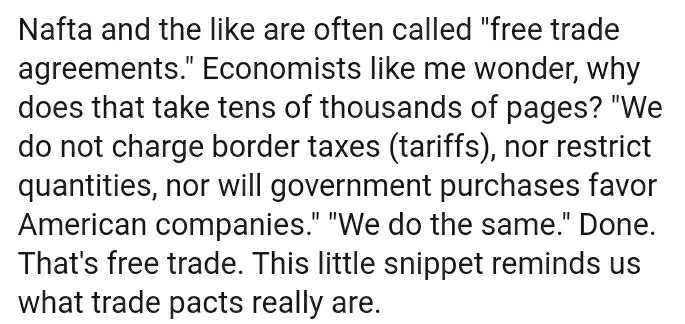
Edward Lazear – “Rationality in Policy Making”
27 Nov 2020 Leave a comment
in applied price theory, applied welfare economics, comparative institutional analysis, economics of bureaucracy, economics of information, global financial crisis (GFC), history of economic thought, industrial organisation, international economics, labour economics, macroeconomics, managerial economics, organisational economics, personnel economics, Public Choice
Nordhaus on the futility of further international conferences #globalwarming #climateemergency @mfe_news
14 Nov 2020 Leave a comment
in economics of bureaucracy, energy economics, environmental economics, environmentalism, global warming, international economics, politics - New Zealand, politics - USA, Public Choice

Robert E. Lucas: The Wealth of Nations in the 21st Century
27 Oct 2020 Leave a comment
in comparative institutional analysis, development economics, economic growth, economic history, economics of regulation, entrepreneurship, growth disasters, growth miracles, history of economic thought, human capital, industrial organisation, international economics, labour economics, labour supply, law and economics, macroeconomics, occupational choice, occupational regulation, poverty and inequality, property rights, Robert E. Lucas Tags: The Great Enrichment
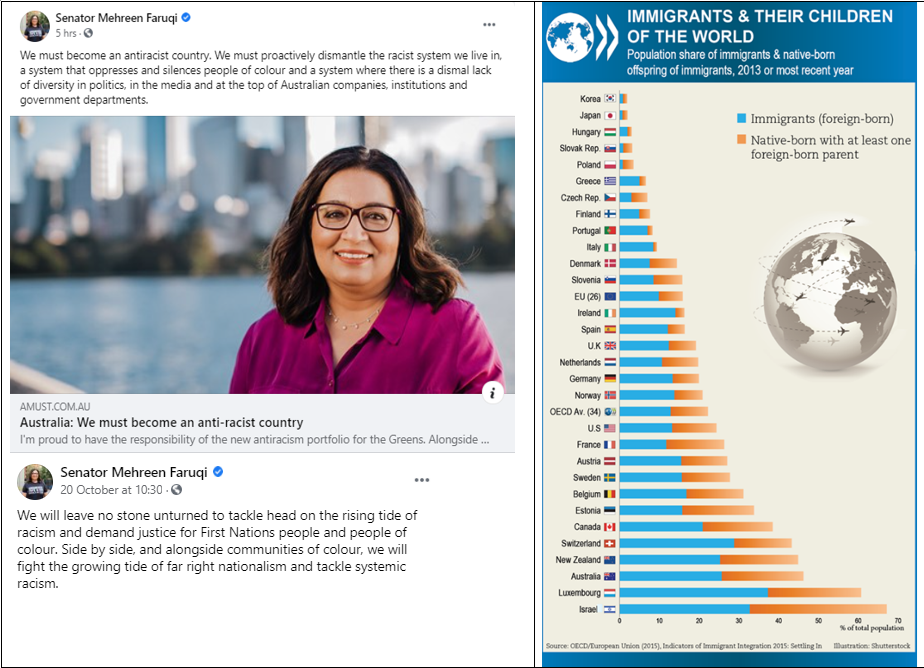
Tesla’s Battery Supply Problem
25 Oct 2020 Leave a comment
in defence economics, development economics, economics of crime, energy economics, growth disasters, international economics, labour economics, labour supply, law and economics, politics - Australia, politics - New Zealand, politics - USA Tags: child labour
Robert Lucas and Paco Buera | Idea Flows and Economic Growth
20 Oct 2020 Leave a comment
in applied price theory, applied welfare economics, comparative institutional analysis, development economics, econometerics, economic history, economics of education, history of economic thought, human capital, industrial organisation, international economics, labour economics, labour supply, law and economics, managerial economics, occupational choice, organisational economics, personnel economics, poverty and inequality, Robert E. Lucas Tags: endogenous growth theory
TEDxEast – Tyler Cowen – The Great Stagnation
14 Oct 2020 Leave a comment
in applied price theory, development economics, economic growth, economic history, economics of education, economics of regulation, energy economics, environmental economics, financial economics, growth miracles, human capital, income redistribution, industrial organisation, international economics, labour economics, labour supply, macroeconomics, poverty and inequality, Public Choice, rentseeking, transport economics Tags: creative destruction, The Great Enrichment
 Utopia, you are standing in it!
Recent Comments