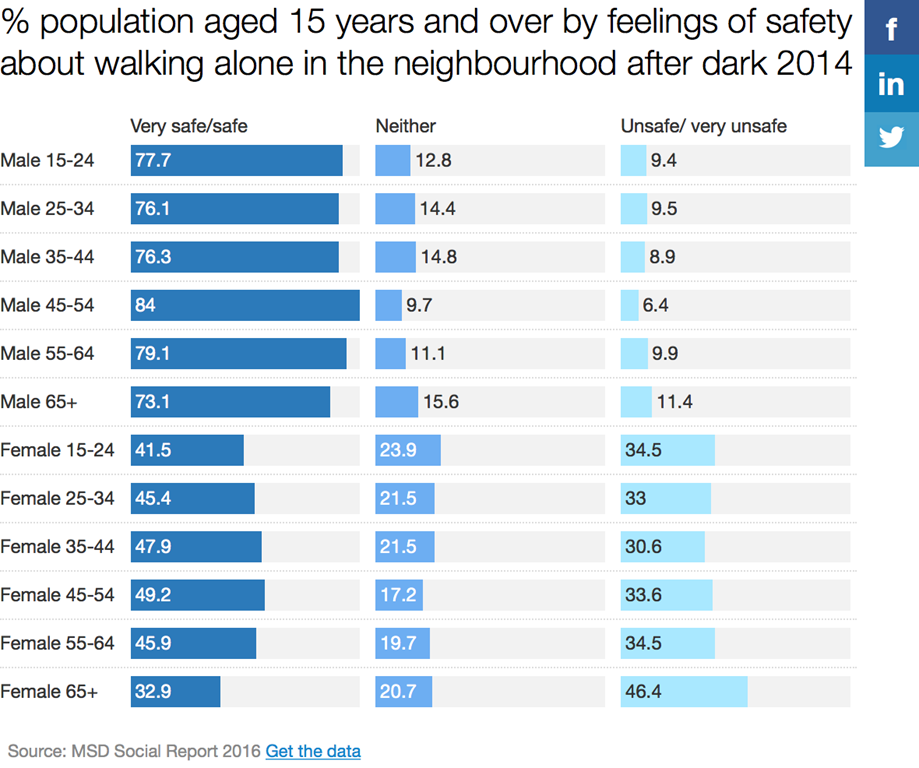
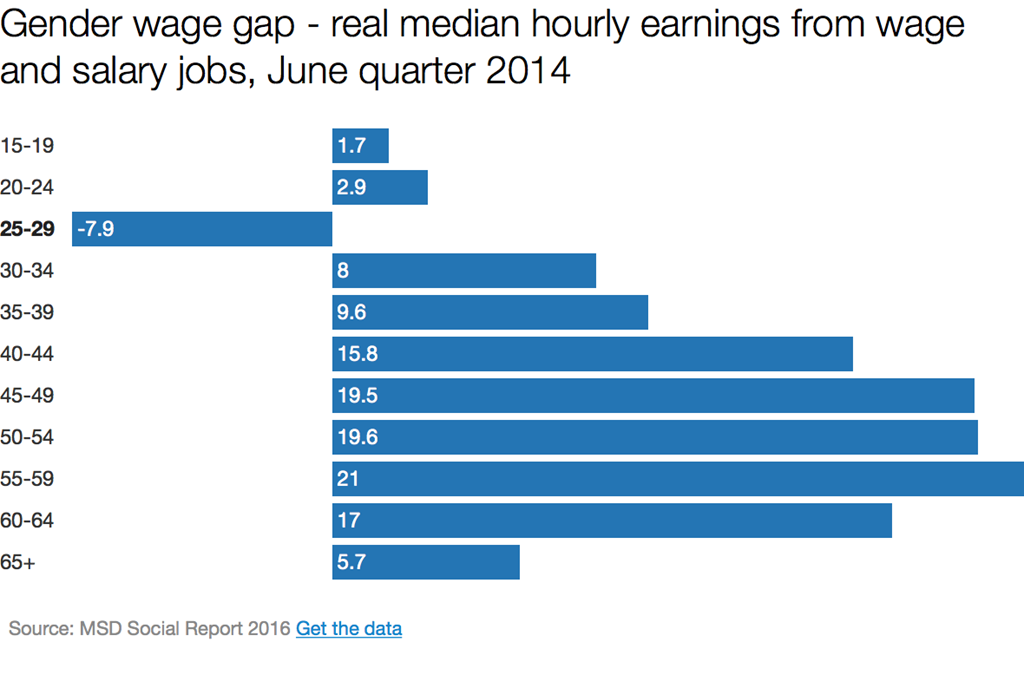
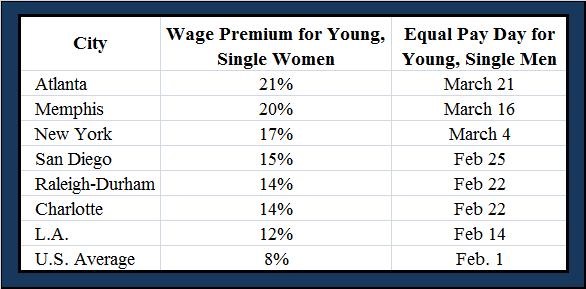
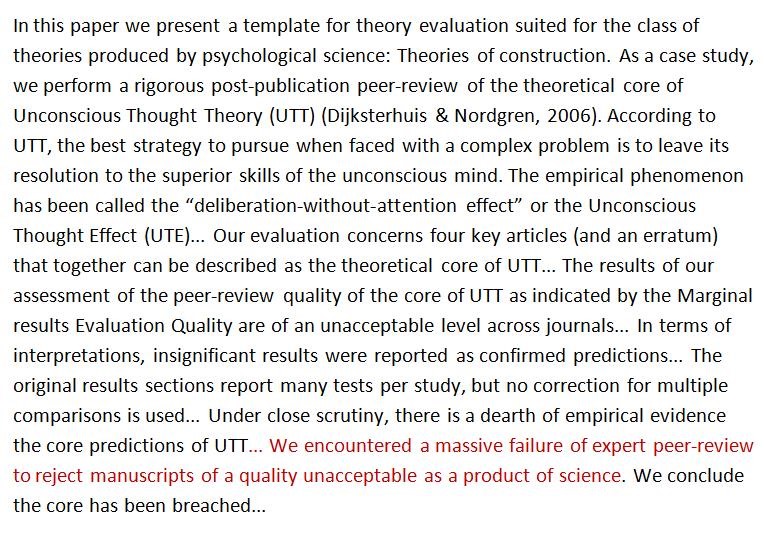
10 Male “Privileges”
10 Dec 2016 Leave a comment
in discrimination, economics of crime, gender, health economics, human capital, labour economics, labour supply, law and economics, occupational choice Tags: gender wage gap, reverse gender gap
Thomas Sowell – Black Lives and Social Policy
08 Dec 2016 Leave a comment
in applied price theory, discrimination, economics of education, human capital, labour economics, minimum wage, occupational choice, poverty and inequality, unemployment Tags: economics of families, racial discrimination, Thomas Sowell
Maybe if we had called more people racist Trump would not have won?
02 Dec 2016 1 Comment
in discrimination, economics of media and culture, gender, politics - USA, Public Choice Tags: 2016 presidential election, identity politics, political correctness
Undergraduate majors favoured by women pay less 10 years after graduation
02 Dec 2016 Leave a comment
Women Working: What’s the Pill Got to Do With It?
01 Dec 2016 Leave a comment
in applied price theory, discrimination, economic history, economics of education, gender, health economics, human capital, labour economics, labour supply, occupational choice Tags: contraception, gender gap, gender wage gap
Aren’t exploitative employers supposed to be unusually profitable? Living high on the hog of labour surplus?
27 Nov 2016 Leave a comment
Skill-specific atrophy rates drive the STEM gender gap
08 Nov 2016 Leave a comment
in discrimination, economics of education, gender, human capital, labour economics, minimum wage, occupational choice Tags: gender wage gap, reversing gender gap
Rendall and Rendall (2016) found that women prefer occupations where their skills depreciate slowest when taking time out from motherhood. Verbal and reading skills depreciate at a far slower rate than mathematical and scientific skills so this gives women yet another strong reason to avoid science, technology, engineering and maths (STEM) careers.
we show that college educated women avoid occupations requiring significant math skills due to the costly skill atrophy experienced during a career break. In contrast, verbal skills are very robust to career interruptions.
The results support the broadly observed female preference for occupations primarily requiring verbal skills – even though these occupations exhibit lower average wages. Thus, skill-specific atrophy during employment leave and the speed of skill repair upon returning to the labour market are shown to be important factors underpinning women’s occupational outcomes.
Not only do women have vastly superior verbal and reading skills, worth somewhere near 6 to 12 months extra schooling, these skills do not depreciate much during career breaks. Indeed, reading and verbal skills tend to naturally increase with age until your late 60s.
Source: Reading performance (PISA) – International student assessment (PISA) – OECD iLibrary.
Maths skills get rusty if not used while knowledge of computer languages and the like and of specific technologies can be quickly overtaken by events while on maternity leave. Rendall and Rendall (2016) again
… college educated females avoid math-heavy occupations, and pursue verbal-heavy occupations instead. This is due to the high skill atrophy associated with math skills, and the ability of verbal skills to act as “skill insurance” against gaps.
Additionally, for college educated individuals, math is the skill most vulnerable to loss during employment gaps, which also implies a slow rebuilding post-break. In contrast, non-college educated individuals experience a much smaller math skill loss.
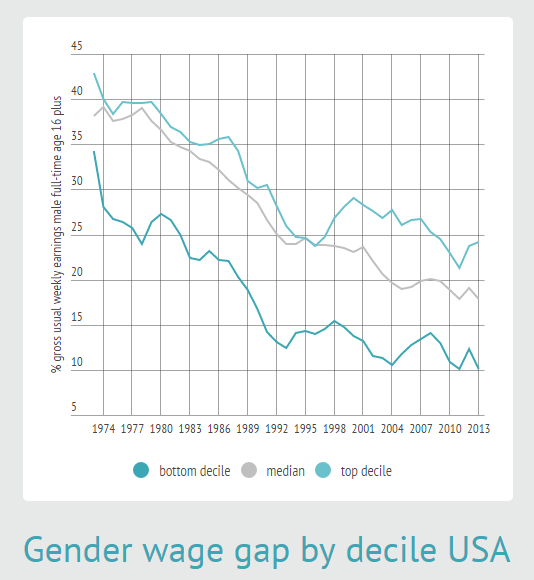
Rendall and Rendall’s point about college educated women avoiding maths heavy occupations even if it costs them wages so as to maximise the lifetime income may explain the larger gender wage gap at the top of the income distribution than at the bottom.
At the bottom of the income distribution, skill atrophy do not really matter much. At the top, it do. Women make occupational choices where annual income may be lower but lifetime income may be higher because of the lower rates of skill depreciation when they are out having children.
Voltaire on the 1734 London Stock Exchange:
31 Oct 2016 Leave a comment
in discrimination, economic history, entrepreneurship, financial economics, labour economics Tags: customer discrimination, market process, The meaning of competition
Fact checking @leerhiannon on John Howard and @PaulineHansonOz
15 Oct 2016 Leave a comment
in discrimination, politics - Australia
Leading up to the 1996 election, Hanson advocated the abolition of special government assistance for Aborigines, and she was disendorsed by the Liberal Party. Ballot papers had already been printed listing Hanson as the Liberal candidate, and the Australian Electoral Commission had closed nominations for the seat.
Hanson was still listed as the Liberal candidate when votes were cast, even though Liberal leader John Howard had declared she would not be allowed to sit with the Liberals if elected.
On election night, Hanson took a large lead on the first count and picked up enough Democrat preferences to defeat Scott on the sixth count. She won 54 percent of the two-candidate preferred vote. Had she still been running as a Liberal, the 19.3 percent swing would have been the largest two-party swing of the election. Hanson won the safest Labour Party seat in Queensland.
Firing Line – Thomas Sowell w/ William F. Buckley Jr. (1981)
11 Oct 2016 Leave a comment
in applied price theory, comparative institutional analysis, discrimination, economic history, labour economics Tags: racial discrimination, Thomas Sowell
Discrimination—a mountain of evidence and no solutions
08 Oct 2016 Leave a comment
in discrimination, economics, gender, labour economics Tags: racial discrimination, sex discrimination


Recent Comments