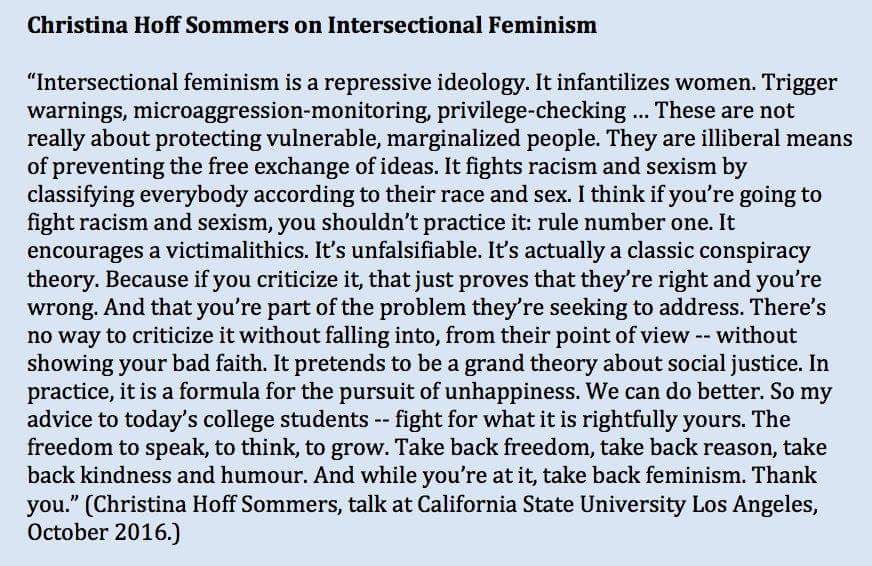
How to survive the wacky gender politics on campus
28 Apr 2016 Leave a comment
in discrimination, economics of education, economics of media and culture, gender Tags: gender politics, political correctness, safe spaces
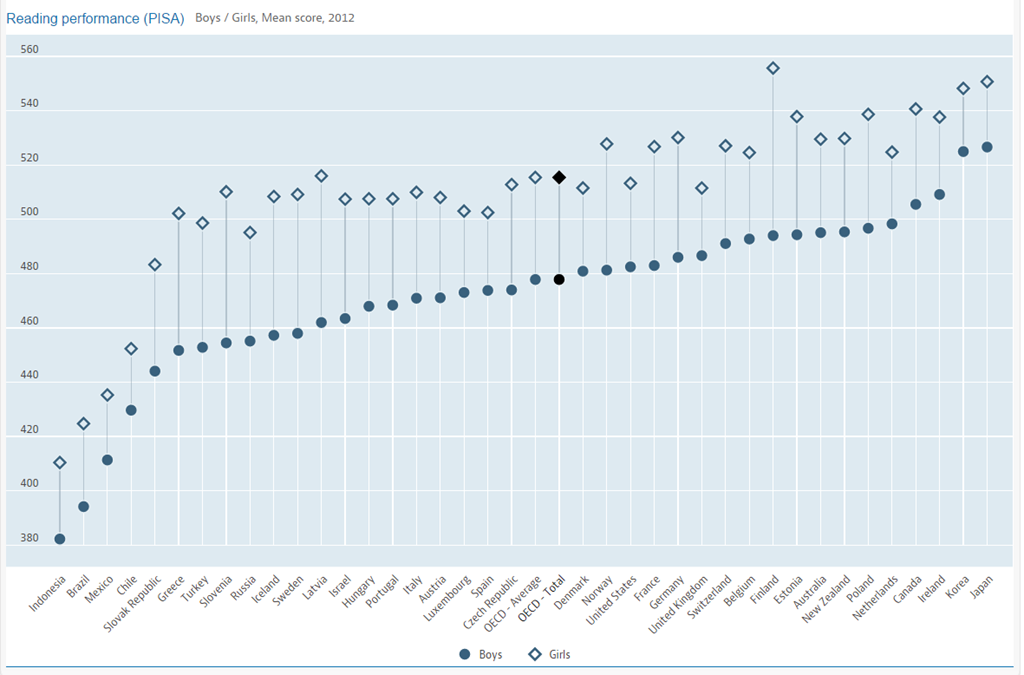
Are gender roles a marker of true equality?
27 Apr 2016 Leave a comment
in discrimination, economics, gender, human capital, labour economics, labour supply Tags: gender gap
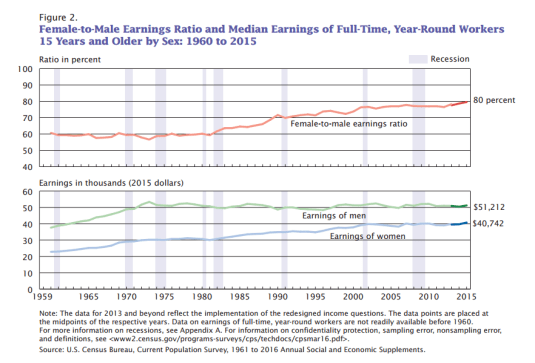
Equal Pay Day explained
14 Apr 2016 Leave a comment
#EqualPayDay This coupon graphically represents the statistical fairly tale that is being spread today http://t.co/xwQXCrWE4d—
Mark J. Perry (@Mark_J_Perry) April 14, 2015
@FairnessNZ NZ leads world in closing the gender pay gap #equalpayday @greencatherine
13 Apr 2016 Leave a comment
in discrimination, economic history, gender, human capital, labour economics, labour supply, politics - Australia, politics - New Zealand, politics - USA, poverty and inequality Tags: Australia, British economy, gender wage gap
Equal Pay Day
13 Apr 2016 Leave a comment
in applied price theory, applied welfare economics, discrimination, gender, labour economics Tags: gender wage gap
Source: Farmer Hayek: Equal Pay Day
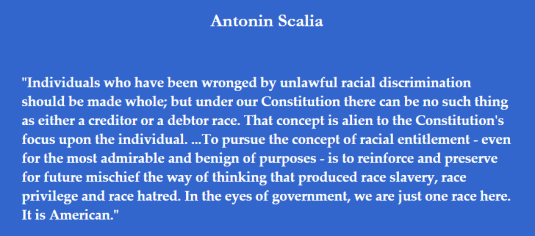
Is America racist?
11 Apr 2016 Leave a comment
in discrimination, economic history, economics Tags: racism
1992 Camille Paglia trashes Gloria Steinem wing of feminism
10 Apr 2016 Leave a comment
in discrimination, economics of love and marriage, economics of media and culture, gender, labour economics, law and economics, politics - Australia, politics - New Zealand, politics - USA, television Tags: feminism
@billclinton absolutely nails #blacklivesmatter
09 Apr 2016 Leave a comment
in discrimination, economics of crime, law and economics, politics - USA, poverty and inequality Tags: 2016 presidential election, Bill Clinton, crime and punishment, law and order, police shootings, street gangs
Intersectional Feminism: What is it?
04 Apr 2016 Leave a comment
in discrimination, economics, gender, labour economics Tags: gender gap
The gender pay gap, adjusted and unadjusted, USA, UK, Australia, Germany and France
26 Mar 2016 Leave a comment
in discrimination, econometerics, gender, human capital, labour economics, labour supply, occupational choice Tags: gender wage gap
https://twitter.com/adchamberlain/status/712647716229111808
Source: Demystifying the Gender Pay Gap: Evidence from Glassdoor Salary Data – Glassdoor Economic Research via Wednesday evening links – AEI | Carpe Diem Blog » AEIdeas.
https://twitter.com/adchamberlain/status/713097526878953472
.
Drug testing helps minority job applicants @jacindaardern
25 Mar 2016 Leave a comment
in discrimination, economics of information, entrepreneurship, human capital, labour economics, personnel economics Tags: asymmetric information, counter-signalling, employer discrimination, racial discrimination, screening, signalling, statistical discrimination
Statistical discrimination is a harsh mistress. If reliable measures of the quality of job applicants are unavailable for short-listing, such as credit checks, coarser, less reliable screening devices will be employed. That was the case when credit checks were prohibited in employment recruitment:
Looking at 74 million job listings between 2007 and 2013, Clifford and Shoag found that employers started to become pickier, especially in cities where there were a lot of workers with low credit scores. If a credit-check ban went into effect, job postings were more likely to ask for a bachelor’s degree, and to require additional years of experience.
There are other ways that employers could have also become more discerning, Shoag says. They might have started to rely on referrals or recommendations to make sure that applicants were high-quality. In the absence of credit information to establish trustworthiness, they may even have fallen back on racial stereotypes to screen candidates. The researchers couldn’t measure these tactics, but they’re possibilities.
Drug testing allows employers to dispel less accurate stereotypes about drug use among different ethnic and social groups. They increased hiring of minorities because a reliable measure became available of their drug use:
…after a pro-testing law is passed in a state, African-American employment increases in sectors that have high testing rates (mining, manufacturing, transportation, utilities, and government).
These increases are substantial: African-American employment in these industries increases by 7-30%. Because these industries tend to pay wage premia and to have larger firms offering better benefits, African-American wages and benefits coverage also increase. Real wages increase by 1.4-13% relative to whites. The largest shifts in employment and wages occur for low skilled African-American men.
I also find suggestive evidence that employers substitute white women for African-Americans in the absence of testing. Gains in hiring African-Americans in these sectors may have come at the expense of women, particularly in states with large African-American populations.
Employers test for drug use both for health and safety reasons and as a way of screening out less reliable employees. People who break the rules are not reliable employees and that includes taking drugs. In low skill jobs, what employers seek is a recruit who is friendly and reliable.
Testing of the skills of workers also showed similar results. What happened is that the ratio of black to white hirings do not change. The administration of these skills tests allowed the more productive of both white and black job applicants to be identified and hired.
Employers already had an accurate stereotype of the average skills of different ethnic groups. Administration of tests allow them to identify which members of each group were the most productive.
It is a standard result that statistical discrimination improves the chances of below-average applicants subject to the stereotype but harms those of above average quality. For that reason, applicants look for what methods of counter-signalling to show that they are indeed a quality applicant – make themselves stand out from the crowd.
Employers profit from developing screening devices that go beyond stereotypes to identify above-average applicants. They want screening devices that find those who do not otherwise stand out from the crowd because of difficulties in transferring credible information about their quality. This is a special difficulty with low-skilled vacancies because hiring is made based much more than on character than experience.

Recent Comments