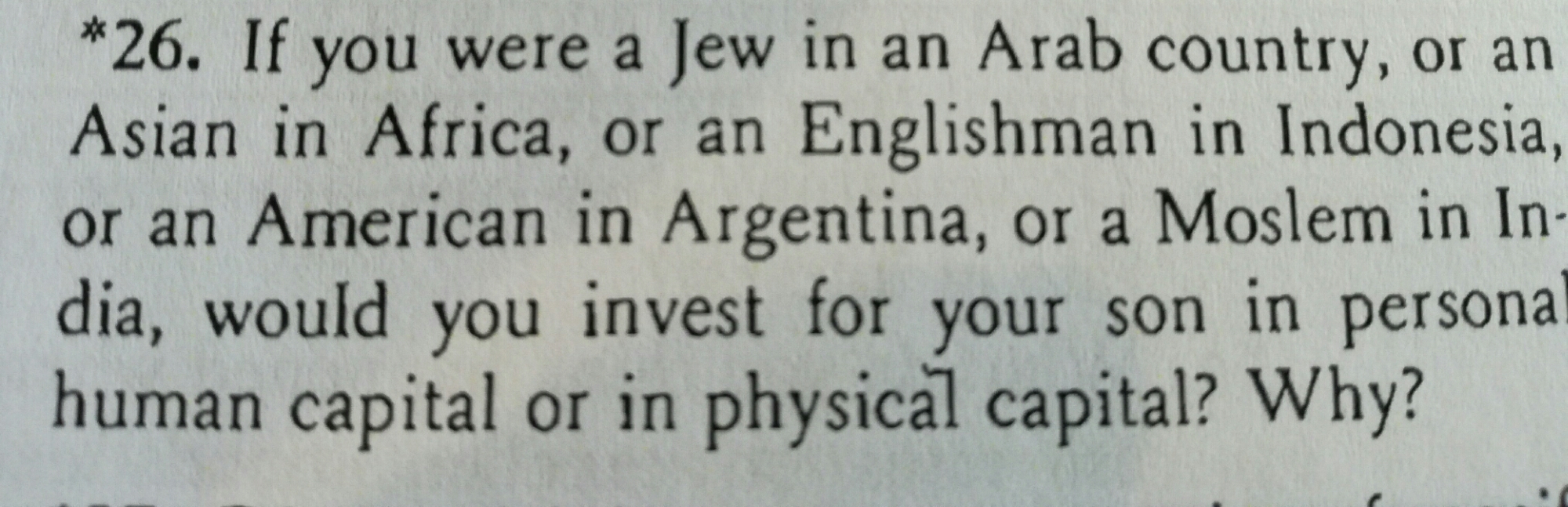
@BillMaher on Constantly Crying ‘Racist’
19 Jun 2016 Leave a comment
in discrimination, economics, liberalism Tags: political correctness
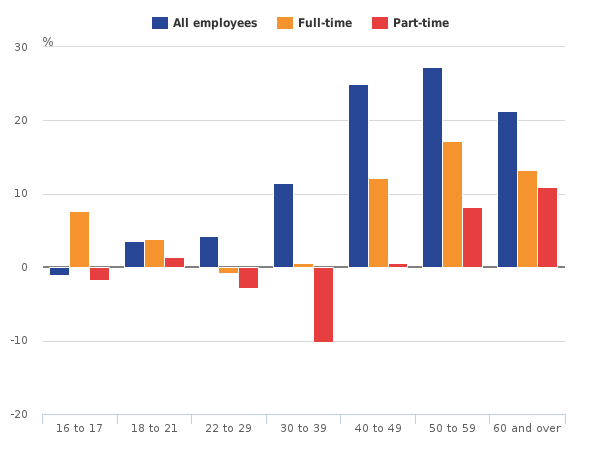
The British motherhood pay penalty starts at about 29
17 Jun 2016 Leave a comment
in discrimination, gender, labour economics
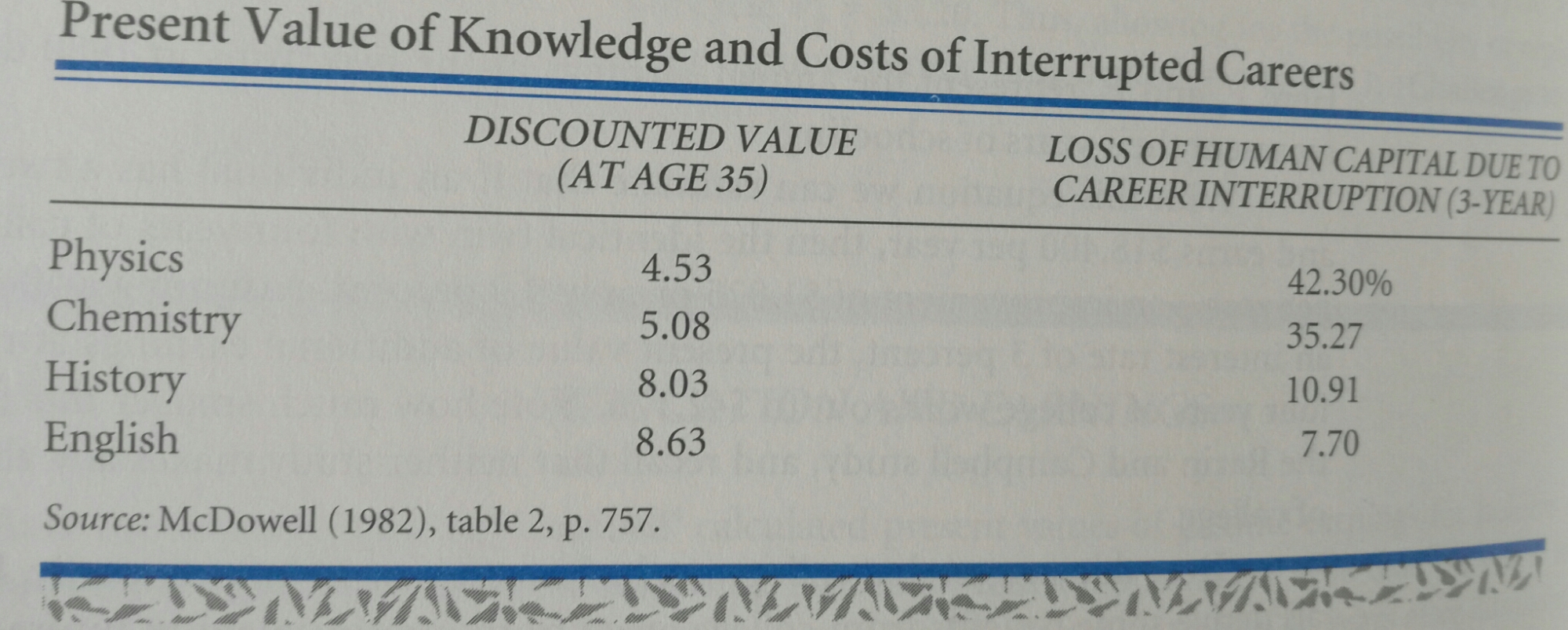
James Heckman on the Economics of Human Development
14 Jun 2016 Leave a comment
in applied price theory, applied welfare economics, discrimination, economics, economics of education, human capital, labour economics, labour supply, poverty and inequality Tags: James Heckman
The asymmetric marriage premium and the motherhood penalty in the UK
09 Jun 2016 Leave a comment
in discrimination, gender, labour supply, law and economics

Source: Trades Union Congress – The Pregnancy Test: Ending Discrimination at Work for New Mothers (2016).
Too close to the truth for comfort
04 Jun 2016 Leave a comment
in discrimination, economics of religion, gender, liberalism

HT: John Ansell
Walter Williams discusses market versus political solutions to the problems of racism and private property
03 Jun 2016 Leave a comment
in applied price theory, applied welfare economics, comparative institutional analysis, constitutional political economy, discrimination, industrial organisation, labour economics Tags: racial discrimination, Walter Williams
The Nordic Gender Equality Paradox
30 May 2016 Leave a comment
in applied price theory, discrimination, gender, labour economics Tags: Finland, gender wage gap, glass ceiling, Norway, Sweden
Bill Allen on the profitability of discrimination against women
26 May 2016 Leave a comment
in applied price theory, discrimination, entrepreneurship, gender, labour economics Tags: employer discrimination, gender wage gap
Source: Bonus Quotation of the Day… – Cafe Hayek from William Allen, The Midnight Economist.
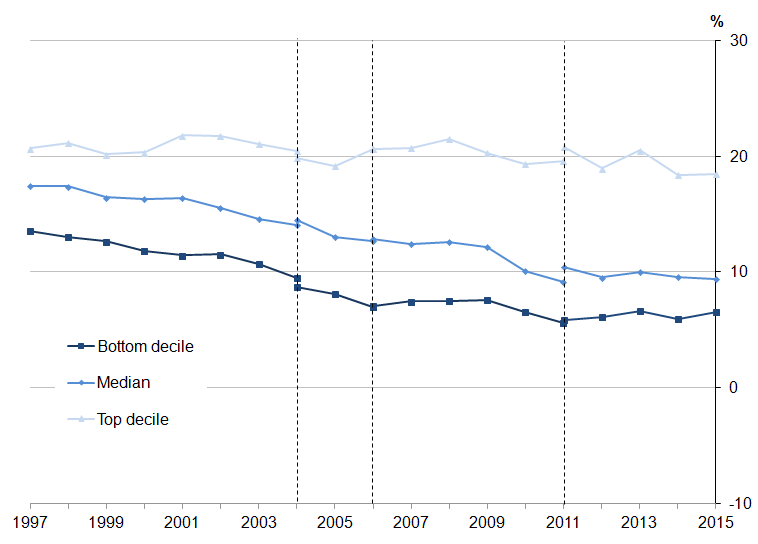
More on the top 1% giving women a pass on the great wage stagnation
23 May 2016 Leave a comment
in discrimination, economic history, economics of media and culture, gender, human capital, labour economics, labour supply, occupational choice, poverty and inequality Tags: gender wage gap, middle class stagnation, reversing gender gap, wage stagnation
Source: Read Online — Visualizing Economics.
Is it merchandising that drives gender bias in Hollywood casting?
17 May 2016 Leave a comment
in discrimination, economics of media and culture, gender, industrial organisation, labour economics, labour supply, occupational choice, survivor principle Tags: entrepreneurial alertness, gender gap, gender wage gap, Hollywood economics

Iron Man 3 changed the gender of the film’s villain from female to male after pressure from the production company Marvel, which feared toy merchandise would not sell as well.
This is a rather frank admission of what drives gender bias in Hollywood casting decisions. Its customer preferences – customer discrimination. It was not nasty producers and directors choosing not to hire women.
It was producers and directors casting a movie that might sell at the box office given what the box office wants. The great majority of box office sales is outside of the USA and US cultural values, interests and concepts of humour.

Hollywood is a cutthroat market where producers and directors do do whatever it takes to make their movie sell at the box office. But would not last very long if they indulge their personal preferences at the expense of the box office.
Not every movie has the merchandising potential of action films but they still have to pay careful attention to what audiences want to avoid having produced a run of flops and never get financing again.
That is not made any easier by the first law of Hollywood economics, which is nobody knows nothing. Audiences have a constant demand for novelty but they do not know what they want delay see it.

Many sex differences are small on average but large at the extremes
11 May 2016 Leave a comment
in discrimination, economics, gender, health economics Tags: Bell Curce, gender gap
The gender wage gap uses bogus statistics
08 May 2016 Leave a comment
in discrimination, gender, labour economics Tags: gender wage gap
The top 1% gave Canadian women a pass on real wage stagnation too
07 May 2016 Leave a comment
in applied welfare economics, discrimination, economic history, gender, labour economics, labour supply Tags: Canada, gender wage gap, middle class stagnation, reversing gender gap, top 1%, wage stagnation

Recent Comments