The real reason there aren’t more female scientists | FACTUAL FEMINIST
07 Feb 2020 Leave a comment
in applied price theory, discrimination, economics of education, economics of information, gender, human capital, labour economics, labour supply, occupational choice Tags: gender wage gap, occupational segregation, reversing gender gap
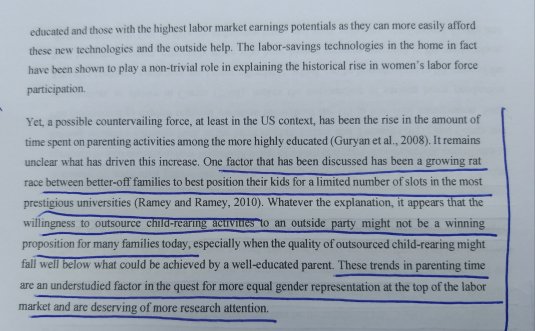
Marianne Bertrand on helicopter parenting driving the gender wage gap at the top end of town
04 Feb 2020 Leave a comment
in discrimination, economics of education, economics of love and marriage, gender, human capital, labour economics, labour supply, occupational choice Tags: economics of fertility, gender wage gap
Transgender Athletes | Jordan Peterson & Joe Rogan
04 Feb 2020 Leave a comment
in discrimination, gender, politics - Australia, politics - New Zealand, politics - USA, sports economics
Why is there still a gender pay gap?
03 Feb 2020 Leave a comment
in discrimination, economics of education, economics of love and marriage, gender, health and safety, human capital, income redistribution, labour supply, law and economics, managerial economics, occupational choice, organisational economics, personnel economics, poverty and inequality, Public Choice Tags: gender wage gap

Blind audition study: Truth or myth?
02 Feb 2020 Leave a comment
in applied price theory, discrimination, econometerics, economics of education, economics of information, gender, human capital, labour economics, labour supply, law and economics, occupational choice, personnel economics Tags: gender wage gap, sex discrimination
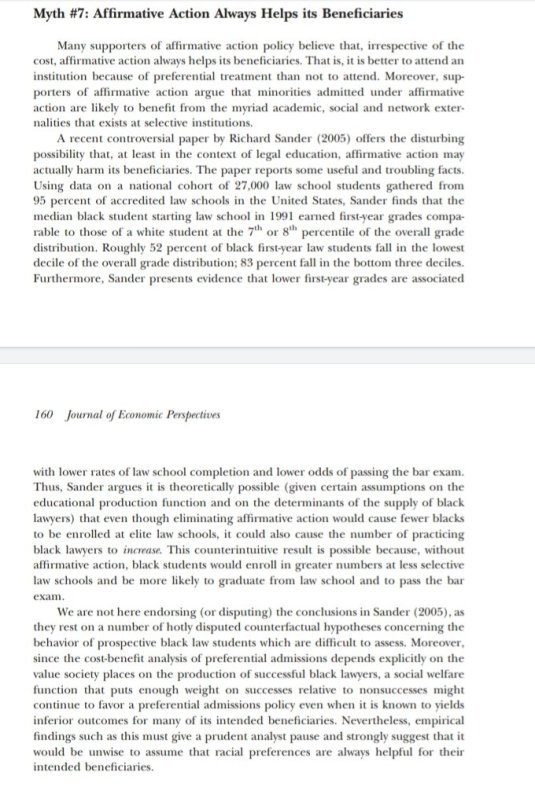
Affirmative Action and Its Mythology by Roland G. Fryer Jr. and Glenn C. Loury
01 Feb 2020 Leave a comment
in applied price theory, applied welfare economics, comparative institutional analysis, discrimination, econometerics, economic history, economics of bureaucracy, economics of education, economics of information, economics of regulation, gender, human capital, income redistribution, labour economics, labour supply, law and economics, occupational choice, politics - USA, poverty and inequality, Public Choice, public economics, rentseeking Tags: affirmative action
My @NZHerald op-ed on sparing us from the @NZHumanRights @women_nz pay transparency nightmare
30 Jan 2020 Leave a comment
in discrimination, economics of education, economics of information, gender, human capital, income redistribution, labour economics, labour supply, law and economics, managerial economics, occupational choice, organisational economics, personnel economics, politics - New Zealand, poverty and inequality, property rights, Public Choice, rentseeking Tags: envy, gender wage gap, The fatal conceit
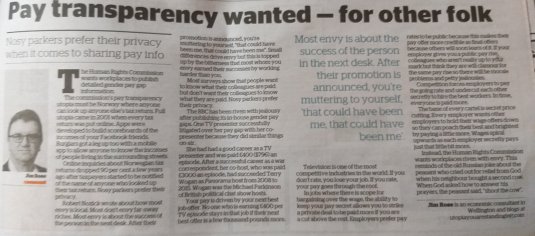
Paywalled at http://nzh.tw/12304179
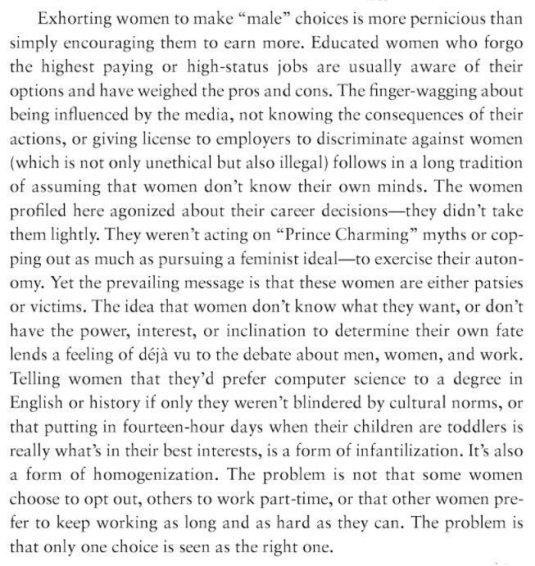
How 30 Students and a Dog Fled to a Safe Room from Christina Hoff Summers
30 Jan 2020 Leave a comment
in discrimination, economics of education, gender, human capital, law and economics, occupational choice, politics - USA, poverty and inequality Tags: free speech, political correctness, regressive left
The puzzling lesbian pay gap
28 Jan 2020 Leave a comment
in discrimination, economics of education, gender, human capital, labour economics, labour supply, occupational choice, poverty and inequality Tags: gender wage gap
@moturesearch accused @CCDHB of paying mothers less despite having nothing on which female doctors have kids so it can discriminate against them more! @women_nz
23 Jan 2020 Leave a comment
in discrimination, economics of bureaucracy, economics of education, gender, human capital, labour economics, labour supply, law and economics, occupational choice, politics - New Zealand, Public Choice Tags: gender wage gap

Unusual case as allegation made against named employers subject to freedom of information laws. Can ask if they have the information needed to implement their nefarious misogynist plans.
Do gender equality policies drive the academic gender pay gap? @moturesearch @women_nz
23 Jan 2020 Leave a comment
in discrimination, economics of education, gender, human capital, labour economics, labour supply, law and economics, managerial economics, occupational choice, organisational economics, personnel economics, politics - USA Tags: gender wage gap, unintended consequences


 Utopia, you are standing in it!
Recent Comments