From “Diversity and Performance in Entrepreneurial Teams” (SSRN): Among the randomly-assigned teams [of MBA students], greater diversity along the intersection of gender and race/ethnicity significantly reduced performance. However, the negative effect of this diversity is alleviated … [when teams can choose their teammates]…teams with more female members perform substantially better when their faculty section leader was also…
Diverse MBA teams perform worse
Diverse MBA teams perform worse
14 Apr 2024 Leave a comment
in applied price theory, discrimination, economics of education, entrepreneurship, gender, human capital, labour economics, labour supply, occupational choice, poverty and inequality Tags: gender wage gap, sex discrimination
A Socialist Explains Why Socialism Can’t Work
13 Apr 2024 Leave a comment
in applied price theory, comparative institutional analysis, development economics, economic history, economics of bureaucracy, economics of regulation, history of economic thought, human capital, income redistribution, industrial organisation, labour economics, labour supply, law and economics, liberalism, Marxist economics, poverty and inequality, property rights, Public Choice, public economics, survivor principle, theory of the firm Tags: economics of socialism, regressive left

Not that the socialist in question, Professor Richard D. Wolff, realises that’s what he’s doing in the Q&A video below – and he’s not talking about traditional Communist Command and Controlled Economies. What he’s actually describing is a very pure form of socialism, the sort only vaguely imagined by Marx, Engels and other communists when […]
A Socialist Explains Why Socialism Can’t Work
Handbag authenticators (creative destruction and how the economy just keeps creating new types of occupations & professions)
10 Apr 2024 Leave a comment
in applied price theory, development economics, economics of information, human capital, industrial organisation, labour economics, labour supply, occupational choice, poverty and inequality Tags: consumer fraud, creative destruction
I’ve posted about many new jobs like this. See related posts below. Also, this post is based on yesterday’s post You Spent $6,000 on a Secondhand Chanel Bag. Now Find Out if It Is Real. It had excerpts from an article by Chavie Lieber of The WSJ. Here are excerpts related to today’s post:”Many secondhand luxury shoppers…
Handbag authenticators (creative destruction and how the economy just keeps creating new types of occupations & professions)
A Conversation with Gary Becker
10 Apr 2024 Leave a comment
in applied price theory, behavioural economics, comparative institutional analysis, discrimination, economic history, economics of education, economics of information, Gary Becker, gender, history of economic thought, human capital, labour economics, labour supply, occupational choice, poverty and inequality
Harris’ Major Malfunction
09 Apr 2024 Leave a comment
in economics of education, economics of media and culture, health economics, human capital, labour economics, labour supply, occupational choice, poverty and inequality Tags: behavioural genetics

Judith Harris’ The Nurture Assumption was a huge influence on me, and the top inspiration for my Selfish Reasons to Have More Kids. Her book’s first main lesson is that family resemblance, defined in the broadest possible way to include physical, psychological, and social outcomes, is mostly driven by genetics rather than upbringing. Her book’s…
Harris’ Major Malfunction
Cuba Libre
05 Apr 2024 Leave a comment
in applied price theory, comparative institutional analysis, constitutional political economy, development economics, economic history, economics of bureaucracy, economics of crime, growth disasters, history of economic thought, human capital, income redistribution, industrial organisation, labour economics, labour supply, law and economics, liberalism, Marxist economics, politics - USA, poverty and inequality, Public Choice, public economics, rentseeking Tags: Cuba
Martin Gurri has a very good, deep-dive on the current situation in Cuba. The wreckage of the Cuban economy really can’t be exaggerated. The perpetual blackouts are an apt symbol of a country that is headed for the dark ages. For the first time since the revolution, Cuba is begging the United Nations for food aid. Nearly […]
Cuba Libre
Unfettered: Fishback 25 Years Later
04 Apr 2024 Leave a comment
in applied price theory, applied welfare economics, comparative institutional analysis, discrimination, economic history, health and safety, human capital, labour economics, labour supply, law and economics, occupational choice, poverty and inequality, unemployment, unions Tags: racial discrimination
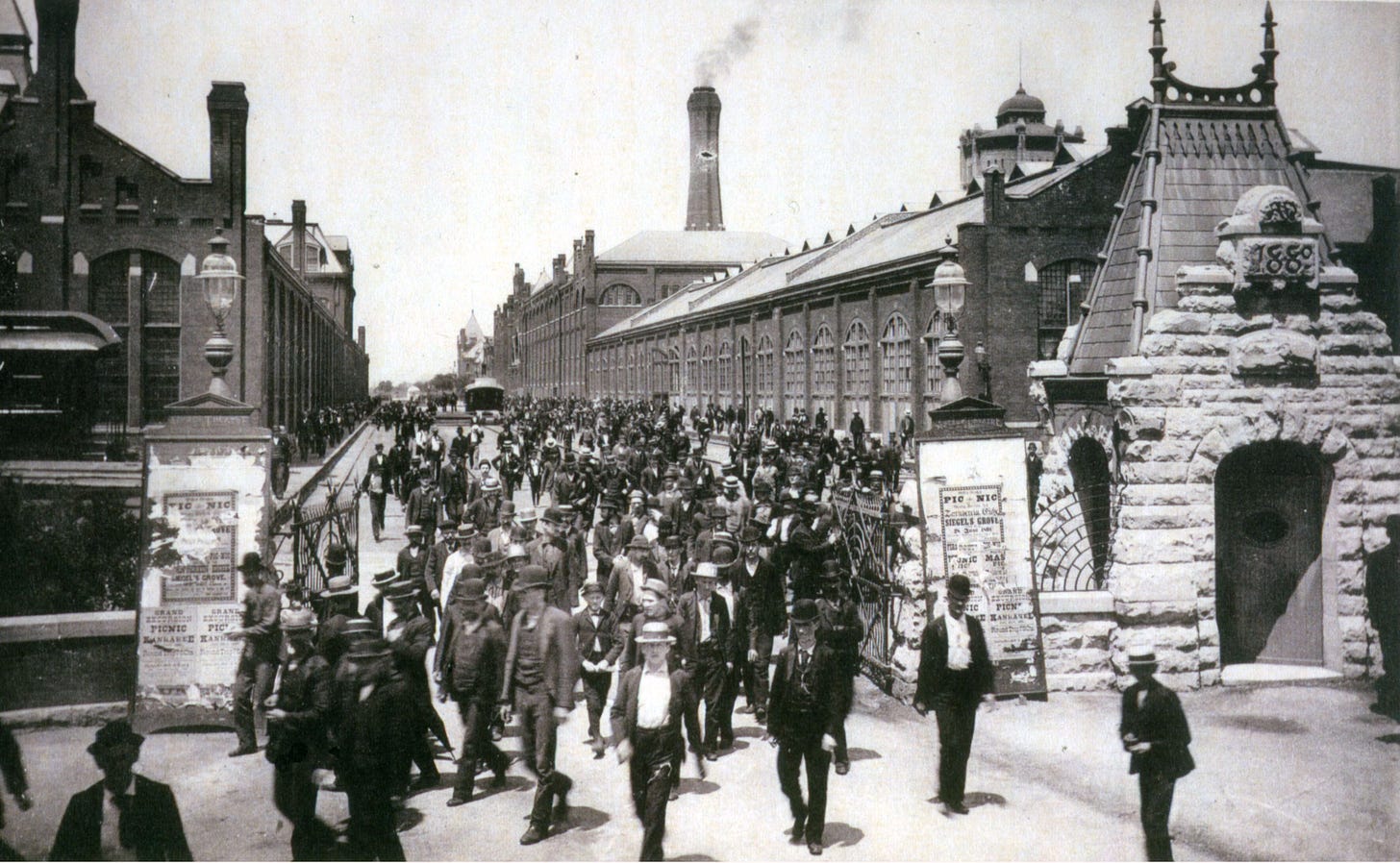
A quarter century ago, economist Price Fishback published “Operations of ‘Unfettered’ Labor Markets: Exit and Voice in American Labor Markets at the Turn of the Century” 1,762 more words
Unfettered: Fishback 25 Years Later
The Big Lie Behind DEI
04 Apr 2024 Leave a comment
in discrimination, economic history, economics of bureaucracy, gender, human capital, labour economics, labour supply, law and economics, liberalism, Marxist economics, occupational choice, politics - USA, poverty and inequality, Public Choice Tags: affirmative action, Age of Enlightenment, free speech, political correctness, racial discrimination, regressive left, sex discrimination

Below is an article describing how the woke industry started and expanded by advancing a fundamental lie about human happiness and social fairness. The image above calls attention to the notion that sorts individuals into classes and attributes inequalities in status or prosperity to oppression by others. The lie is that any disappointment or disadvantage […]
The Big Lie Behind DEI
Australia must be welcoming of migrants more than most
01 Apr 2024 Leave a comment
in human capital, labour economics, labour supply, politics - Australia, population economics Tags: Australia, economics of immigration
Productivity Syndrome and the Investment Prescription
30 Mar 2024 Leave a comment
in applied price theory, development economics, economic growth, economic history, growth miracles, history of economic thought, human capital, industrial organisation, labour economics, labour supply, macroeconomics

Economic productivity is about growing the size of the pie. I sometimes point out that no matter what your goal–spending increases, tax cuts, greater support for the poor, environmental protection–that goal is easier when the economic pie is growing. When the economic pie isn’t growing, after all, then all priorities have to pit potential winners…
Productivity Syndrome and the Investment Prescription
Universal Basic Income: The Freiman-Caplan Debate
27 Mar 2024 Leave a comment
in applied price theory, applied welfare economics, fiscal policy, human capital, income redistribution, labour economics, labour supply, macroeconomics, politics - USA, poverty and inequality, Public Choice Tags: child poverty, family poverty, negative income tax
As expected, I really enjoyed the Institute for Liberal Studies’ UBI debate between myself and Chris Freiman. Chris was definitely the least enthusiastic UBI supporter I’ve debated. All the way to the point of, “Given all the truly promising ideas we have, and the downside risks of the UBI, perhaps I shouldn’t even publicly defend…
Universal Basic Income: The Freiman-Caplan Debate
Nikole Hannah-Jones on reparations for descendants of slaves
21 Mar 2024 Leave a comment
in discrimination, economics of crime, economics of education, human capital, income redistribution, labour economics, labour supply, law and economics, liberalism, Marxist economics, occupational choice, politics - USA, poverty and inequality, property rights, Public Choice, rentseeking Tags: affirmative action, free speech, political correctness, racial discrimination, regressive left

As you know, I go back and forth on the question of affirmative action for college and professional-school admissions, and even after I thought I’d settled on a view (i.e., give some preference to minorities among those equally qualified for admission), it still keeps changing. After I read the long New York Times piece below […]
Nikole Hannah-Jones on reparations for descendants of slaves
The RCT Agenda
12 Mar 2024 Leave a comment
in applied price theory, applied welfare economics, comparative institutional analysis, development economics, econometerics, economic history, economics of bureaucracy, economics of education, economics of information, economics of regulation, experimental economics, growth disasters, growth miracles, history of economic thought, human capital, labour economics, labour supply, law and economics, managerial economics, market efficiency, Marxist economics, occupational choice, organisational economics, property rights, Public Choice, public economics Tags: The fatal conceit

Randomized Controlled Trials: Could you be any more scientific? The book I’m now writing, Unbeatable: The Brutally Honest Case for Free Markets, insists that the randomistas of the economics profession actually have a thinly-veiled political agenda. Namely: To get economists to humbly serve the demagogues that rule the world instead of bluntly challenging their unabated…
The RCT Agenda
The Irish reject a “Woke” constitutional change
10 Mar 2024 Leave a comment
in discrimination, economics of love and marriage, gender, human capital, labour economics, labour supply, law and economics Tags: Ireland
Ireland’s effort to remove old-fashioned family values from its constitution suffered a double defeat Saturday as voters rejected the amendments on offer as maddeningly vague and threatening to property rights… In final results announced Saturday night, the amendment to change the constitutional definition of family was rejected by 67.7 percent of voters. The proposed changes […]
The Irish reject a “Woke” constitutional change



Recent Comments