Immigrants and their children across the OECD
14 Jul 2015 Leave a comment
in labour economics, labour supply, politics - Australia, politics - New Zealand, politics - USA, population economics Tags: Australia, economics of identity, economics of immigration
Who are the top 10 in foreign remittances?
13 Jul 2015 Leave a comment
in development economics, growth disasters, growth miracles, labour economics, labour supply Tags: economics of the family, remittances
Females/male earnings ratio by partner status and motherhood – USA, UK, Canada
12 Jul 2015 Leave a comment
in discrimination, economics of love and marriage, gender, labour economics, labour supply, law and economics, occupational choice, politics - USA, poverty and inequality Tags: asymmetric marriage premium, British economy, Canada, gender wage gap, marriage and divorce, motherhood penalty
Figure 1: Female/male earnings ratio by partner status and motherhood, 2004 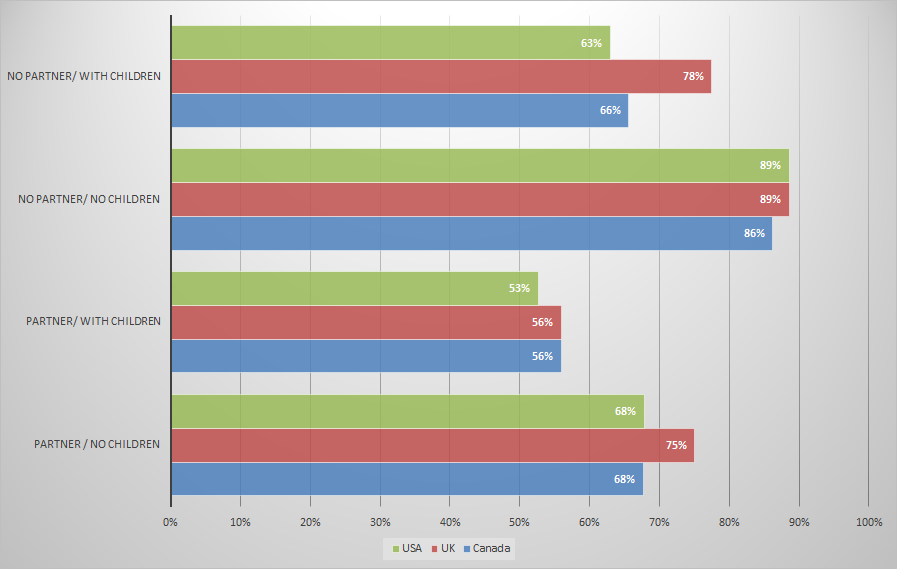 Source: LIS Cross-National Data Center in Luxembourg – Wave VI; individuals with positive earnings only. .
Which industries have the highest hourly earnings?
12 Jul 2015 Leave a comment
in human capital, labour economics, labour supply, occupational choice, politics - USA Tags: compensating differential, labour productivity, relative wages, superstar wages, superstars
Which industries have the highest hourly earnings h/t @WSJecon blogs.wsj.com/economics/2015… | http://t.co/xaYaRgOrku—
Charts and Maps (@ChartsandMaps) April 06, 2015
Puerto Rico’s economy can’t handle the federal minimum wage
11 Jul 2015 Leave a comment
in applied price theory, applied welfare economics, Federalism, income redistribution, labour economics, labour supply, minimum wage, politics - USA, Public Choice, rentseeking Tags: federalism, living wage, Puerto Rico, sovereign default
Puerto Rico's economy can't handle the federal minimum wage. bit.ly/1IEJIEi http://t.co/D3mzOmlnJa—
Manhattan Institute (@ManhattanInst) July 07, 2015
Poverty rates by age of youngest child – USA, UK, Canada and Australia
11 Jul 2015 Leave a comment
in economics of love and marriage, labour economics, labour supply, law and economics, politics - Australia, politics - USA, poverty and inequality, welfare reform Tags: Australia, British economy, Canada, child poverty, family poverty, marriage and divorce, single mothers, single parents
Figure 1: poverty rates by age of youngest child, 2004

Employment patterns of couples differential with families differ greatly across the OECD
10 Jul 2015 Leave a comment
in economics of love and marriage, gender, labour economics, labour supply, occupational choice Tags: economics of family, female labour force participation, labour force participation, maternal labour force participation, my labour force participation, part-time work
American exceptionalism: U.S parents more likely to both be working full time than almost any other OECD country http://t.co/QYBEeUmws4—
Kay Hymowitz (@KayHymowitz) July 08, 2014
This chart shows how Americans spend every single minute in the average day
08 Jul 2015 Leave a comment
in labour economics, labour supply Tags: household division of labour, household production, labour demographics, marital division of labour, Population demographics, time use surveys

via via This chart shows how Americans spend every single minute in the average day – The Washington Post.
Factors that affect job automation
07 Jul 2015 Leave a comment
in labour economics, labour supply, technological progress Tags: creative destruction, skill bias technical change, technological unemployment
College profs face only a 3% chance their job will be automated? Nope, it's happening already.
npr.org/sections/money… http://t.co/DMPR3PWc5v—
Justin Wolfers (@JustinWolfers) May 28, 2015
Why gender analysis is essential to empirical labour economics
07 Jul 2015 Leave a comment
U.S. wage growth doesn't look as weak when you account for benefit costs covered by employers on.wsj.com/1JJ2EmV http://t.co/s0tJutTjBy—
Nick Timiraos (@NickTimiraos) July 06, 2015
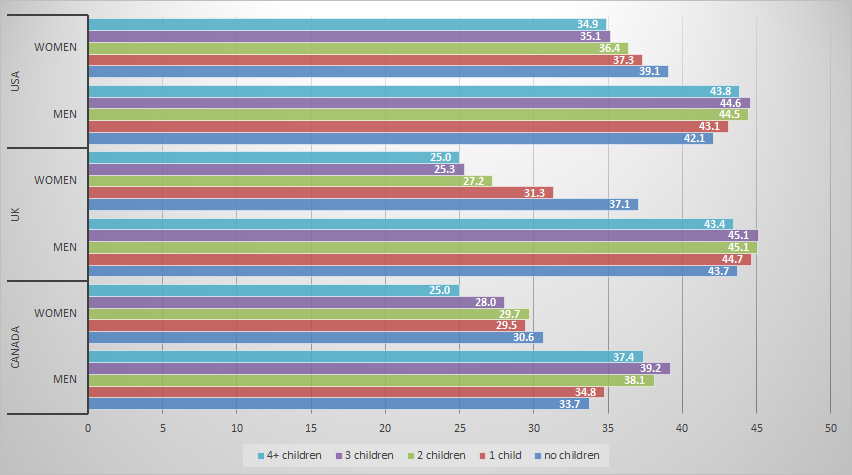
Average weekly working hours by gender and presence of children, Canada, UK and USA
07 Jul 2015 Leave a comment
in discrimination, economics of love and marriage, gender, labour economics, labour supply, law and economics Tags: economics of fertility, female labour force participation, household division of labour, marriage and divorce, maternal labour force participation
Figure 1: average weekly working hours for Current or Last Job(s) Held aged 20-54 by gender, 2004
200 years of American immigration
06 Jul 2015 Leave a comment
in economic history, labour economics, labour supply, politics - USA Tags: economics of immigration
.@ImmigrationGOP is wrong. Immigration today is not "beyond any historical precedent" niskanencenter.org/blog/niskanen-… http://t.co/0A9LIekqjb—
David Bier (@myfreesociety) May 28, 2015
Greece in 7 charts
06 Jul 2015 3 Comments
in budget deficits, business cycles, currency unions, economic growth, Euro crisis, fiscal policy, labour economics, labour supply, macroeconomics, unemployment Tags: Eurosclerosis, Greece
The extreme economic outlier that is Greece, in 7 charts: 53eig.ht/1GMgIFU http://t.co/gb3zkgUqqJ—
(@FiveThirtyEight) July 04, 2015
 Utopia, you are standing in it!
Recent Comments