A 108-Year-Old Woman Recalls What It Was Like to Be a Woman in Victorian England
21 Oct 2020 Leave a comment
in discrimination, economic history, gender, labour economics, labour supply, occupational choice Tags: sex discrimination
Robert Lucas and Paco Buera | Idea Flows and Economic Growth
20 Oct 2020 Leave a comment
in applied price theory, applied welfare economics, comparative institutional analysis, development economics, econometerics, economic history, economics of education, history of economic thought, human capital, industrial organisation, international economics, labour economics, labour supply, law and economics, managerial economics, occupational choice, organisational economics, personnel economics, poverty and inequality, Robert E. Lucas Tags: endogenous growth theory
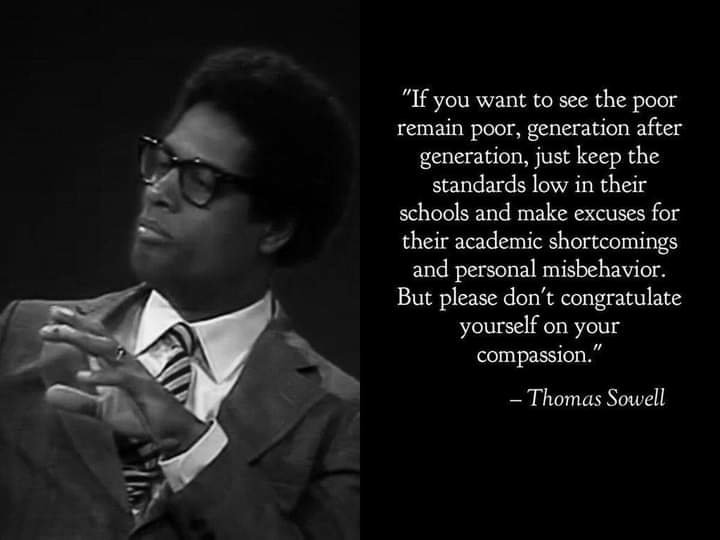
Lost on the woke
19 Oct 2020 Leave a comment
in discrimination, economics of education, gender, human capital, labour economics, labour supply, minimum wage, occupational choice, politics - Australia, politics - New Zealand, politics - USA, poverty and inequality, unemployment, welfare reform Tags: child poverty, family poverty, regressive left
#globalwarming #climateemergency @Greenpeace @Greens @AOC @NZGreens @BernieSanders
18 Oct 2020 Leave a comment
in development economics, discrimination, economic history, economics of bureaucracy, economics of crime, economics of regulation, energy economics, entrepreneurship, environmental economics, financial economics, gender, global warming, growth miracles, human capital, income redistribution, labour economics, labour supply, law and economics, liberalism, libertarianism, Marxist economics, minimum wage, occupational choice, occupational regulation, politics - Australia, politics - New Zealand, politics - USA, poverty and inequality, Public Choice, rentseeking, unemployment, unions, welfare reform Tags: The fatal conceit

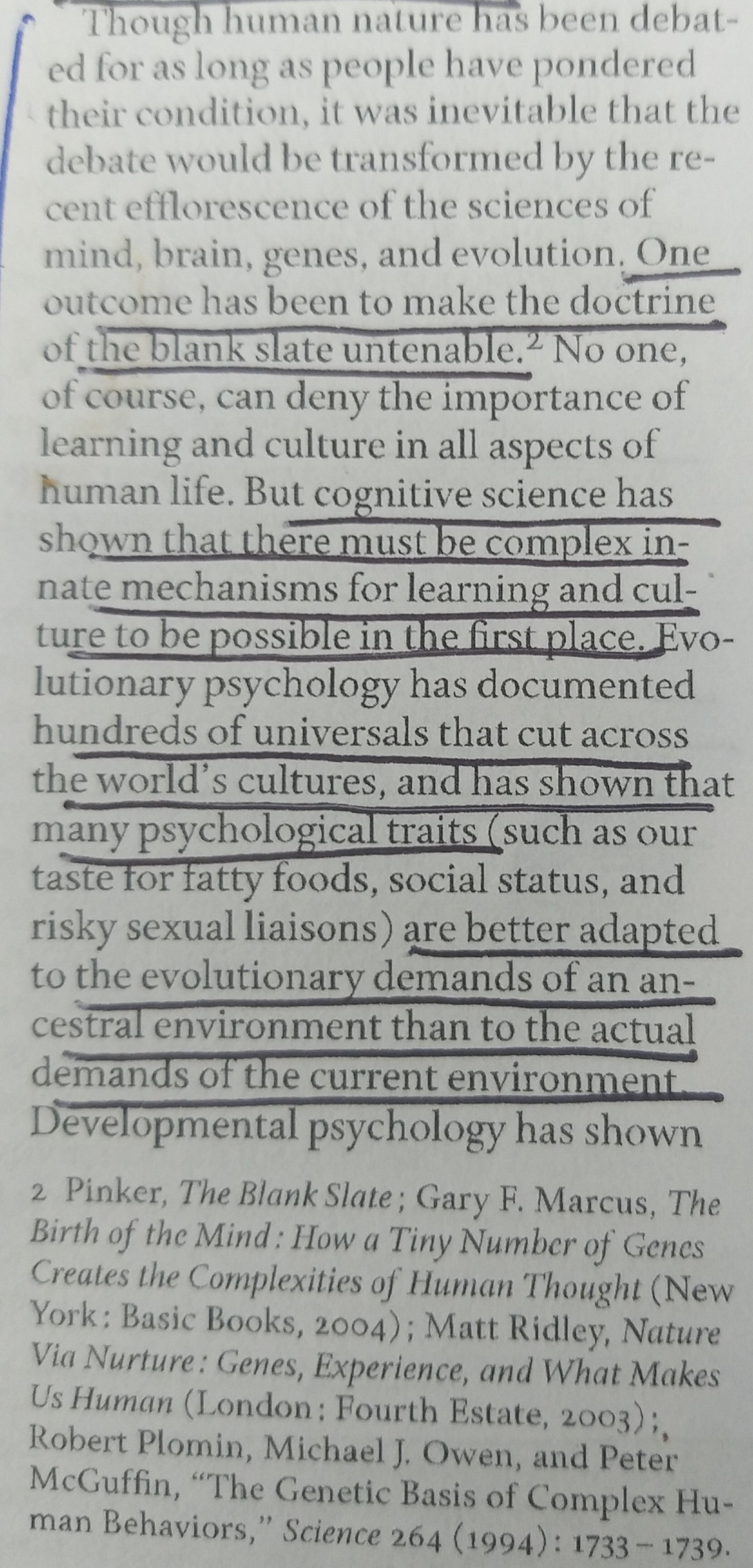
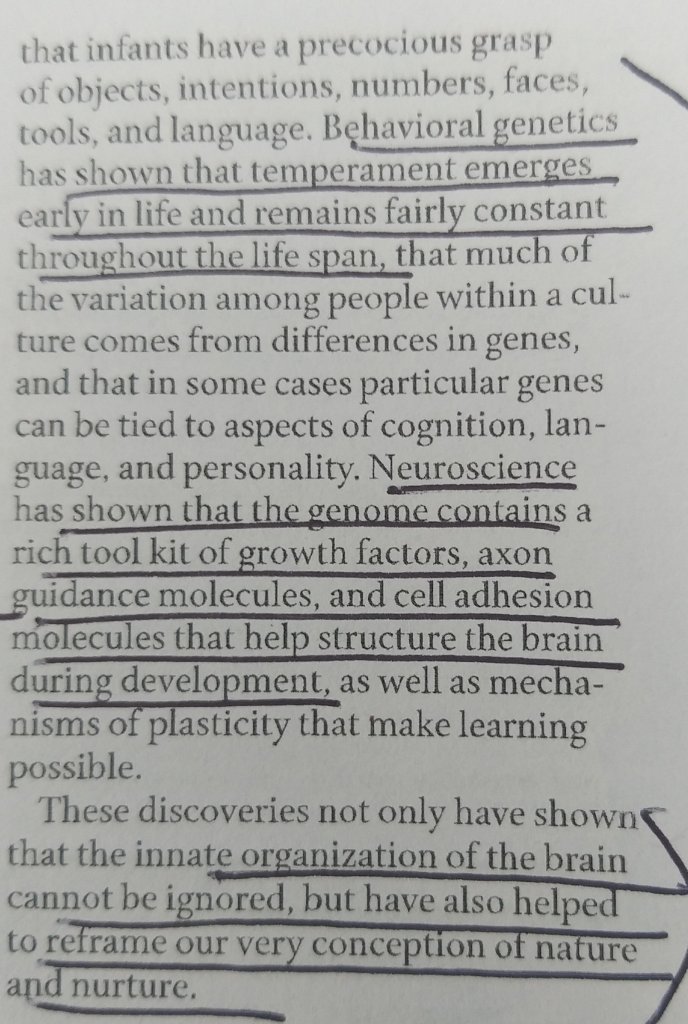
What drives the gender commuting gap?
16 Oct 2020 Leave a comment
in applied price theory, applied welfare economics, discrimination, economics of education, economics of love and marriage, gender, health and safety, human capital, labour economics, labour supply, law and economics, occupational choice, transport economics Tags: gender wage gap

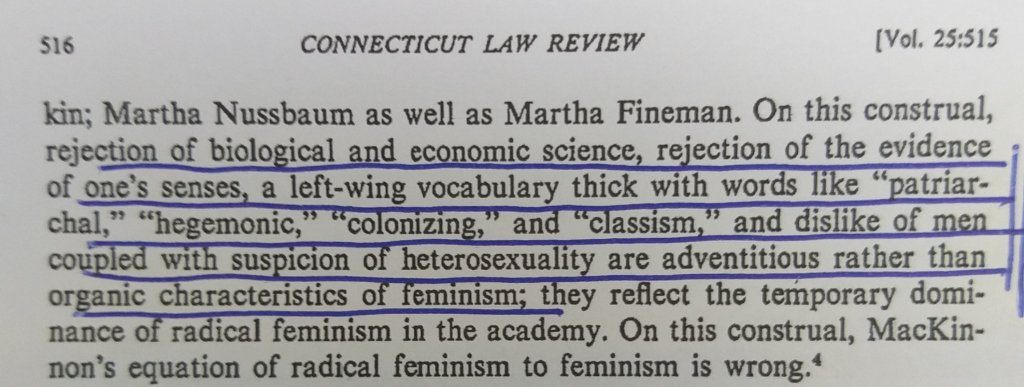
Richard Posner (1992) on feminists
14 Oct 2020 Leave a comment
in comparative institutional analysis, discrimination, economic history, economics of crime, economics of education, economics of media and culture, economics of religion, gender, history of economic thought, human capital, labour economics, labour supply, law and economics, occupational choice, poverty and inequality, property rights, Richard Posner Tags: gender wage gap, political correctness, regressive left, sex discrimination

TEDxEast – Tyler Cowen – The Great Stagnation
14 Oct 2020 Leave a comment
in applied price theory, development economics, economic growth, economic history, economics of education, economics of regulation, energy economics, environmental economics, financial economics, growth miracles, human capital, income redistribution, industrial organisation, international economics, labour economics, labour supply, macroeconomics, poverty and inequality, Public Choice, rentseeking, transport economics Tags: creative destruction, The Great Enrichment
Heather Mac Donald And Glenn Loury On Policing, Race, And Ideological Conformity
12 Oct 2020 Leave a comment
in discrimination, economics of crime, economics of education, gender, health and safety, human capital, labour economics, labour supply, law and economics, politics - USA, poverty and inequality Tags: political correctness, racial discrimination, regressive left
.@AOC @BernieSanders @Greens @NZGreens
12 Oct 2020 Leave a comment
in Austrian economics, comparative institutional analysis, constitutional political economy, development economics, economic growth, economic history, entrepreneurship, growth disasters, growth miracles, history of economic thought, human capital, income redistribution, industrial organisation, international economics, labour economics, labour supply, law and economics, liberalism, macroeconomics, Marxist economics, politics - Australia, politics - New Zealand, politics - USA, poverty and inequality, property rights, Public Choice, survivor principle Tags: pessimism bias, regressive left, The Great Enrichment

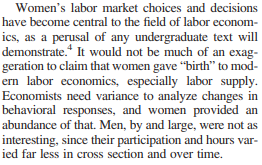
Women gave birth to modern empirical labour economics because men are boring and predictable
11 Oct 2020 Leave a comment
in econometerics, economics of education, gender, human capital, labour economics, labour supply, occupational choice
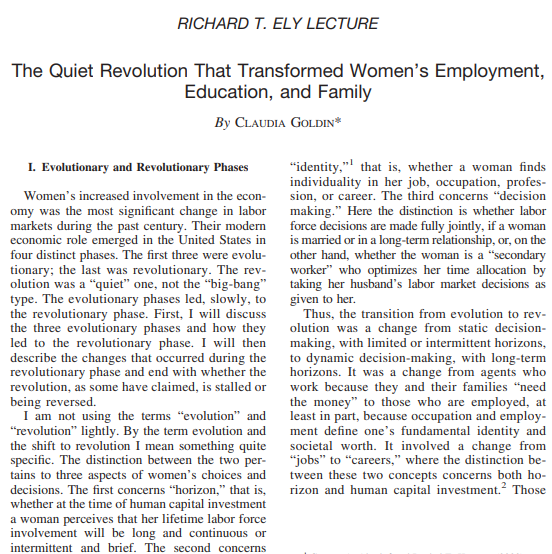
How can gender be socially constructed given the revolution in sex roles since 1900?
10 Oct 2020 Leave a comment
in discrimination, economic history, economics of education, gender, human capital, labour economics, labour supply, occupational choice
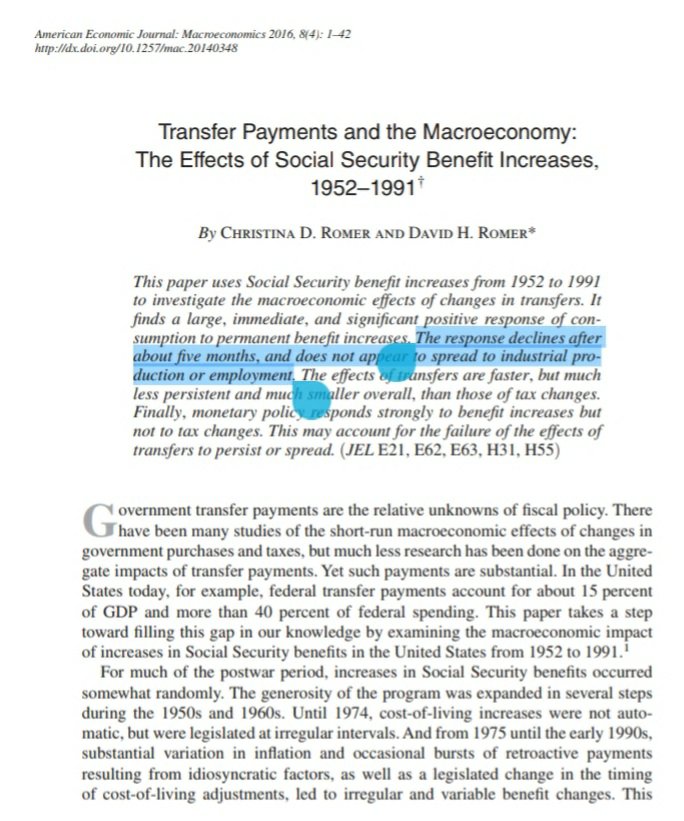
Fiscal multipliers and welfare benefit increases
10 Oct 2020 Leave a comment
in applied price theory, budget deficits, business cycles, econometerics, economic history, fiscal policy, history of economic thought, income redistribution, labour economics, labour supply, macroeconomics, politics - USA, poverty and inequality, Public Choice, public economics, welfare reform Tags: fiscal multiplier, Keynesian macroeconomics, New Keynesian macroeconomics
Recalibrating Affirmative Action | Glenn Loury & Peter Arcidiacono
10 Oct 2020 Leave a comment
in applied price theory, discrimination, econometerics, economic history, economics of bureaucracy, economics of education, human capital, labour economics, labour supply, law and economics, Marxist economics, occupational choice, politics - USA, poverty and inequality, Public Choice Tags: affirmative action, offsetting behaviour, racial discrimination, regressive left, The fatal conceit, unintended consequences
Kate Andrews on the Gender Pay Gap, Feminism, Socialism & the NHS
10 Oct 2020 Leave a comment
in discrimination, economic history, economics of bureaucracy, economics of crime, economics of education, economics of love and marriage, entrepreneurship, gender, health and safety, history of economic thought, human capital, income redistribution, labour economics, labour supply, law and economics, liberalism, Marxist economics, occupational choice, poverty and inequality, property rights, Public Choice, rentseeking Tags: gender wage gap
 Utopia, you are standing in it!
Recent Comments