Would a “Wealth Tax” Help Combat Inequality? A Debate with Saez, Summers, and Mankiw
20 Oct 2019 Leave a comment
in applied price theory, applied welfare economics, comparative institutional analysis, economics of education, entrepreneurship, financial economics, human capital, income redistribution, industrial organisation, labour economics, labour supply, Marxist economics, occupational choice, politics - USA, poverty and inequality, Public Choice, public economics, rentseeking, survivor principle Tags: envy, superstar wages, superstars, taxation and entrepreneurship, taxation and investment, taxation and labour supply, top 1%, wealth taxes
Do bosses take your labour surplus with them when they die? More on the rise of a working rich @AOC @BernieSanders
19 Oct 2019 Leave a comment
in applied price theory, entrepreneurship, financial economics, human capital, income redistribution, industrial organisation, labour economics, labour supply, law and economics, Marxist economics, occupational choice, poverty and inequality, property rights, Public Choice, survivor principle Tags: labour theory of value, top 1%
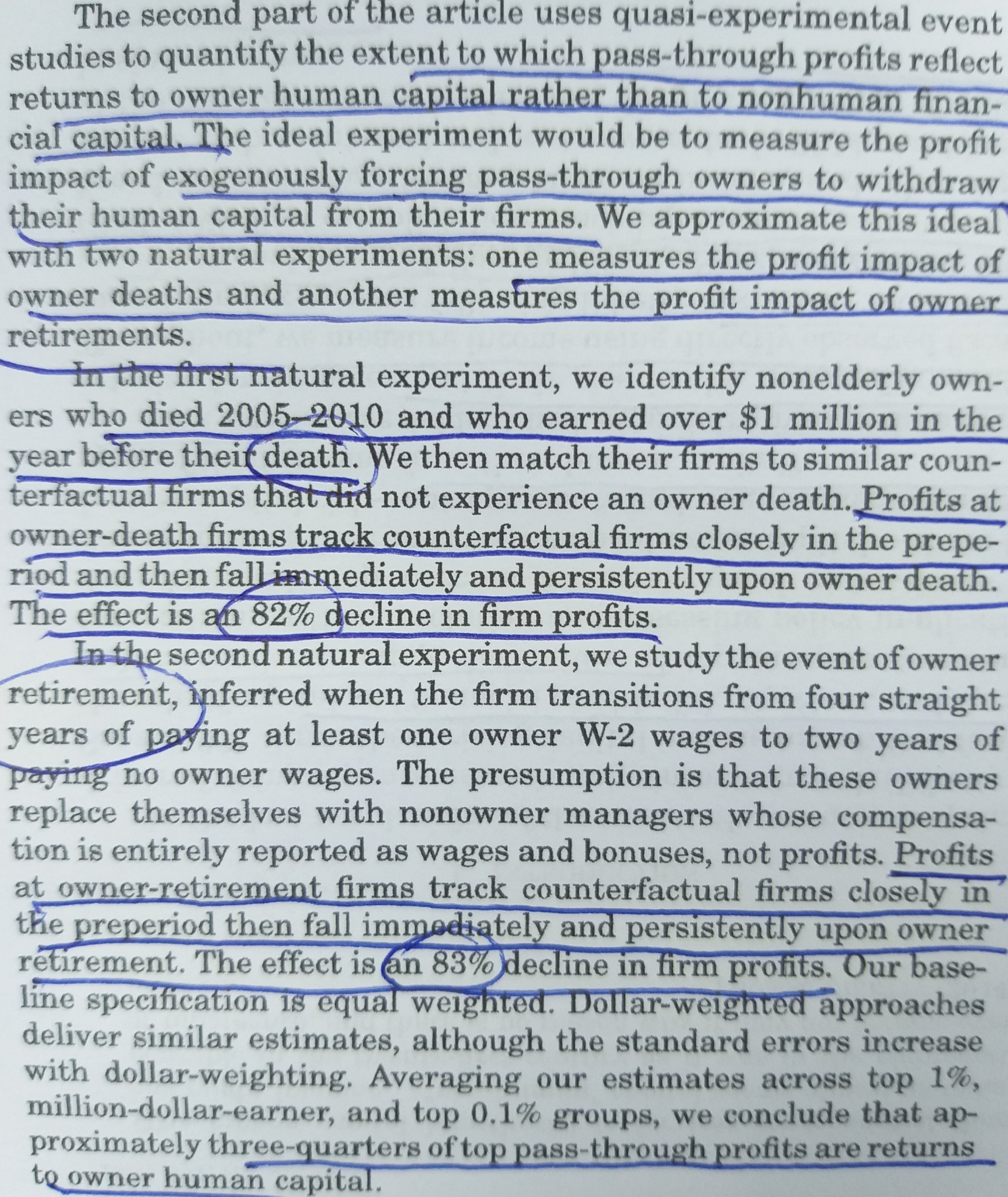
from http://www.ericzwick.com/capitalists/capitalists.pdf
Matthew Smith, Danny Yagan, Owen Zidar, Eric Zwick, Capitalists in the Twenty-First Century, The Quarterly Journal of Economics, Volume 134, Issue 4, November 2019, Pages 1675–1745,
Videographic: Have the parenting roles of men and women changed?
19 Oct 2019 Leave a comment
in discrimination, economic history, economics of love and marriage, gender, labour economics, labour supply, occupational choice Tags: gender wage gap

Stossel: The Science Around Male Brains vs. Female Brains
17 Oct 2019 Leave a comment
in discrimination, economics of education, economics of love and marriage, gender, health and safety, health economics, human capital, labour economics, labour supply, law and economics, occupational choice, poverty and inequality Tags: evolutionary psychology
Angus Deaton Understanding and misunderstanding randomized controlled trials
16 Oct 2019 Leave a comment
in applied price theory, applied welfare economics, comparative institutional analysis, development economics, econometerics, economics of bureaucracy, economics of crime, economics of education, economics of information, growth disasters, health economics, labour economics, labour supply, law and economics, managerial economics, organisational economics, personnel economics, Public Choice, public economics, theory of the firm Tags: offsetting behaviour, The fatal conceit, The pretence to knowledge, unintended consequences
Trade Union Congress nearly summarise the gender wage gap for @women_nz @JulieAnneGenter from a longitudinal study
16 Oct 2019 Leave a comment

The mathematics of Baumol’s cost disease
13 Oct 2019 Leave a comment
in applied price theory, labour economics, labour supply, Music

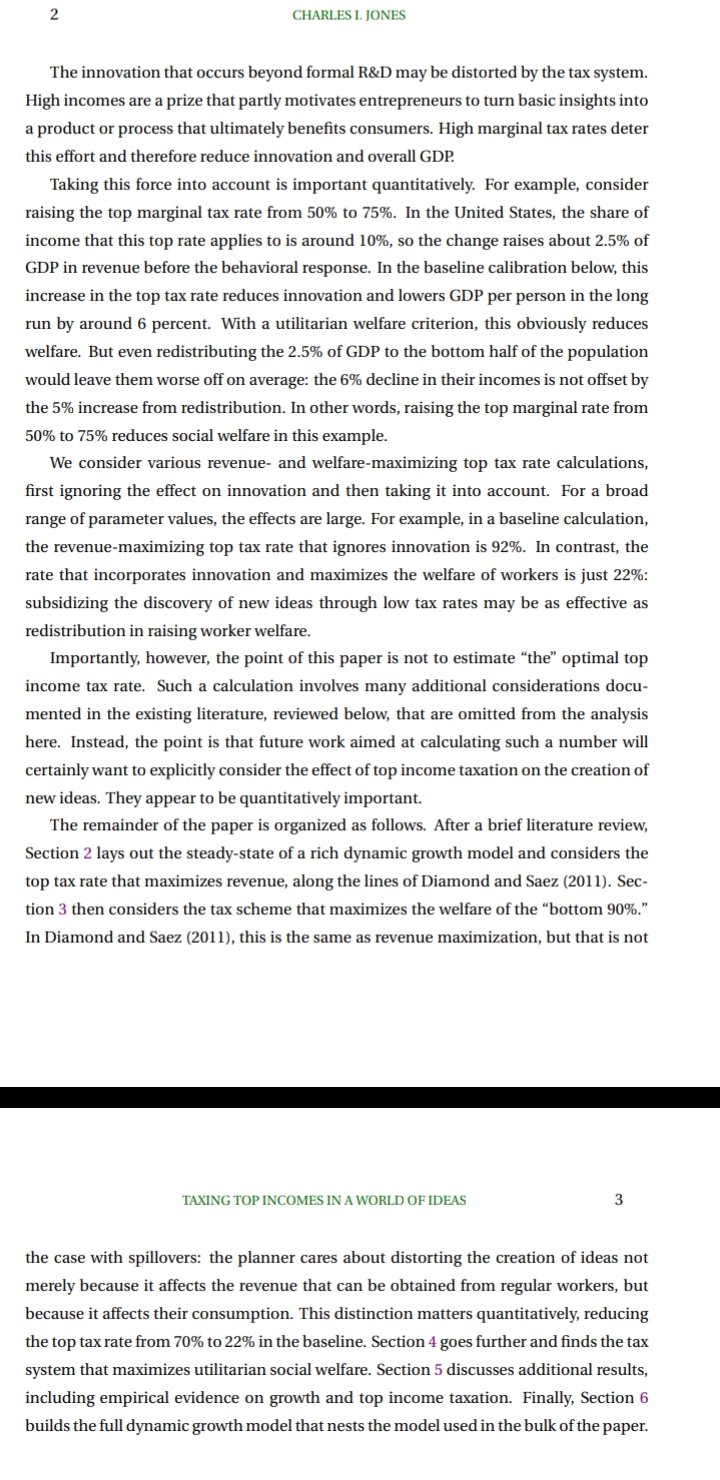
Piketty provoked economists to think more deeply on optimal top tax rates and how low they could be
13 Oct 2019 Leave a comment
Few Nobel prize winners in science because few women undertook long duration degrees in the 60s because of no reliable contraception
12 Oct 2019 Leave a comment
in discrimination, economics of education, economics of love and marriage, gender, human capital, labour supply, occupational choice

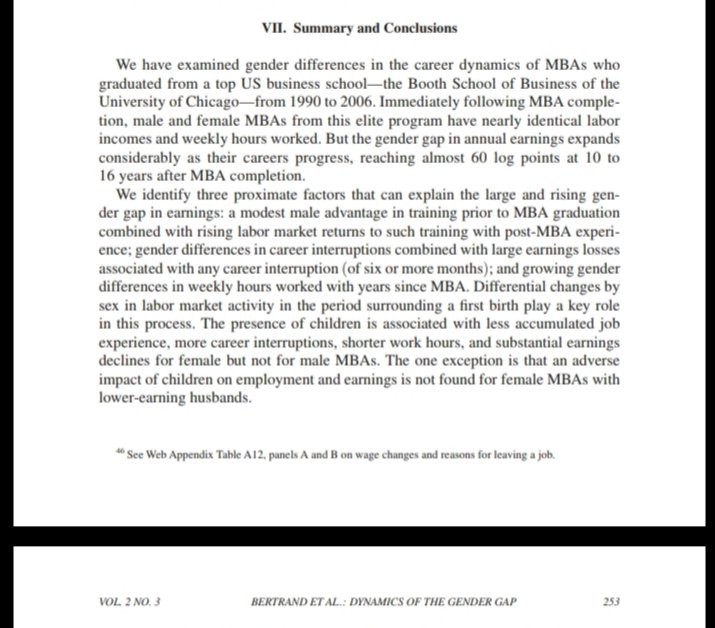
How to eliminate the gender wage gap in one easy step! Marry down? @women_nz @JulieAnneGenter
12 Oct 2019 Leave a comment
in applied price theory, discrimination, economic history, economics of love and marriage, entrepreneurship, gender, human capital, labour economics, labour supply, law and economics, occupational choice, poverty and inequality Tags: asymmetric marriage premium, gender wage gap, marriage and divorce


Recent Comments