Prize lecture: David Card, Sveriges Riksbank Prize in Economic Sciences …
30 Nov 2023 Leave a comment
in applied price theory, econometerics, economic history, human capital, labour economics, labour supply, minimum wage, unemployment
Book Review: Race and Culture by Thomas Sowell
29 Oct 2023 Leave a comment
in applied price theory, development economics, discrimination, economic history, gender, growth disasters, growth miracles, human capital, labour economics, labour supply, law and economics, Marxist economics, minimum wage, occupational choice, politics - USA, property rights, Public Choice, Thomas Sowell

Thomas Sowell is a skilled writer with a powerful ability to combine historical, social science and free-market perspectives. He cuts through the noise and doesn’t mince his words on the sensitive topics of race and culture. In Race and Culture Sowell argues against two common social science doctrines: 1) that all races are equal and […]
Book Review: Race and Culture by Thomas Sowell
Alan Manning – minimum wage
07 Oct 2023 Leave a comment
in applied price theory, applied welfare economics, comparative institutional analysis, econometerics, economic history, labour economics, labour supply, minimum wage
What Can We Conclude from the Evidence on Minimum Wages and Employment? …
30 Sep 2023 Leave a comment
in applied price theory, econometerics, economic history, economics of regulation, labour economics, labour supply, minimum wage, unemployment
Tyler on Feminism: My Reply
29 Jan 2023 Leave a comment
in applied price theory, comparative institutional analysis, discrimination, economic history, economics of education, gender, health and safety, human capital, labour economics, labour supply, minimum wage, occupational choice, poverty and inequality Tags: gender wage gap
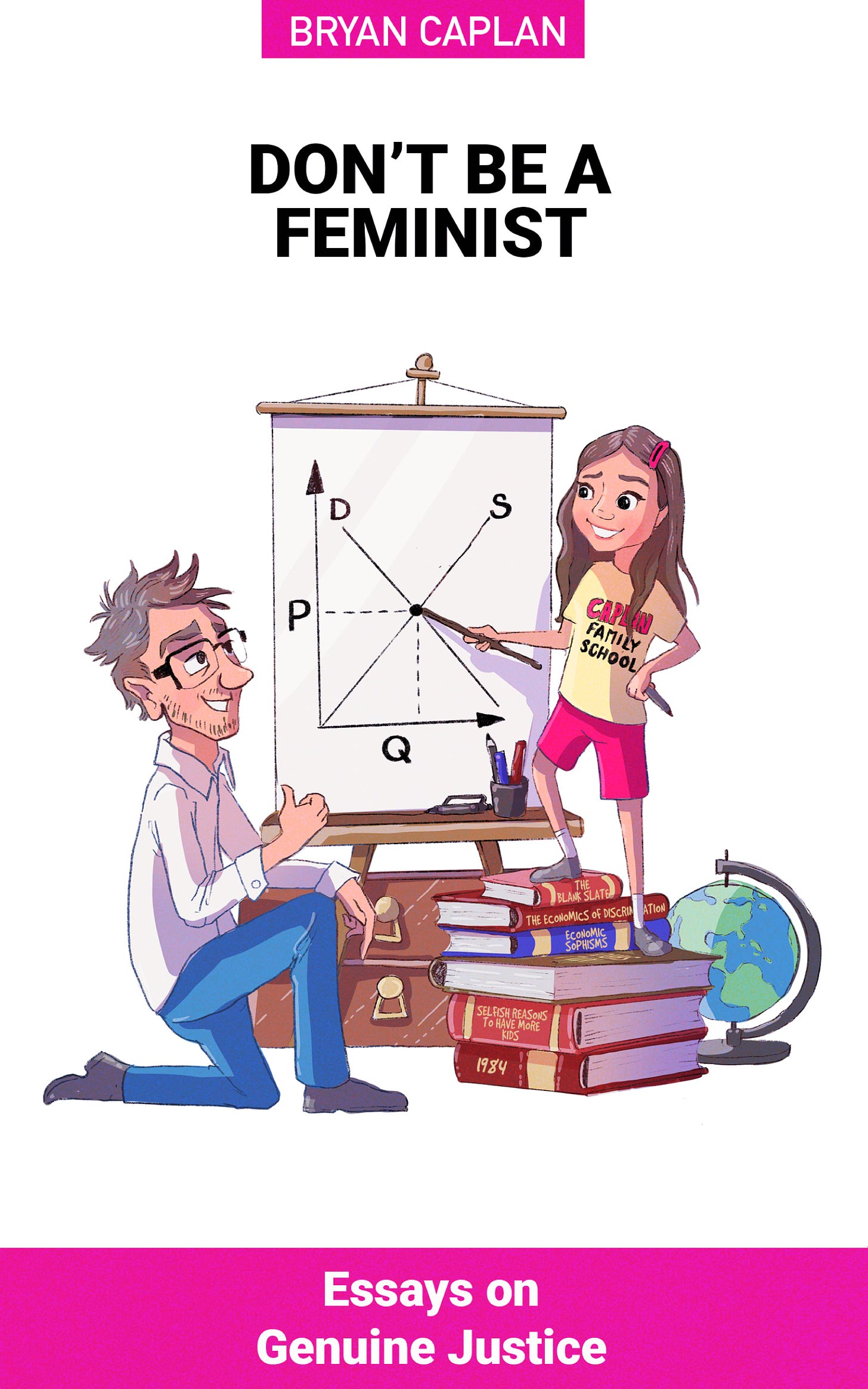
Last week, Tyler Cowen partially critiqued my new Don’t Be a Feminist: Essays on Genuine Justice. Here’s my reply, point-by-point. He’s in blockquotes; I’m not. 1,302 more words
Tyler on Feminism: My Reply
Aaronson on Feminism: My Reply
26 Jan 2023 Leave a comment
in applied price theory, applied welfare economics, comparative institutional analysis, discrimination, economics of education, gender, health and safety, human capital, labour economics, labour supply, minimum wage, occupational choice, occupational regulation, poverty and inequality, welfare reform Tags: gender wage gap
Here’s my point-by-point reply to Scott Aaronson’s thoughts on Don’t Be a Feminist. He’s in blockquotes, I’m not. Hi Bryan, Sorry for the delay! I just finished reading your book. 1,251 more words
Aaronson on Feminism: My Reply
Talking Poverty With Chris Arnade
20 Jan 2023 Leave a comment
in applied price theory, economic history, economics of education, human capital, labour economics, labour supply, minimum wage, occupational choice, poverty and inequality, unemployment, welfare reform Tags: child poverty, family poverty
Chris Arnade is the storied author of Dignity: Seeking Respect in Back Row America. He’s also a very cool guy. Last October, we “debated” poverty for the Acton Institute, though it was really more of an… 78 more words
Talking Poverty With Chris Arnade
*Don’t Be a Feminist*: Highlights
12 Jan 2023 Leave a comment
in applied price theory, discrimination, economic history, economics of crime, economics of education, gender, health and safety, human capital, labour economics, labour supply, law and economics, minimum wage, occupational choice, occupational regulation, poverty and inequality Tags: gender wage gap
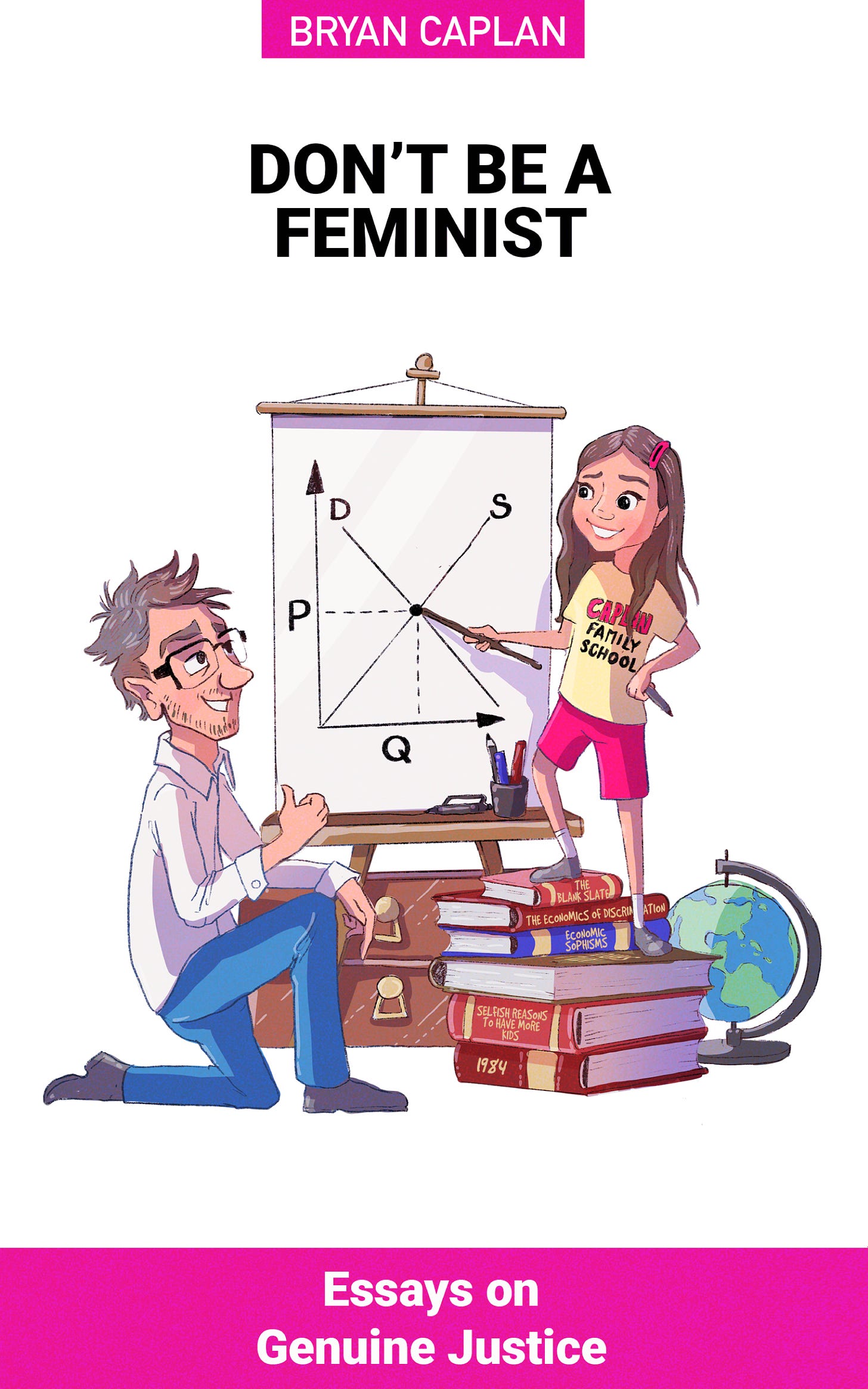
The title essay of Don’t Be a Feminist: Essays on Genuine Justice is called “Don’t Be a Feminist: A Letter to My Daughter.” While the book is a thematic selection of my best EconLog essays from 2005-2022, the first piece is entirely new. 871 more words
*Don’t Be a Feminist*: Highlights
Thomas Sowell and Jordan Peterson on why Marxism is so appealing
28 Jun 2022 Leave a comment
in applied price theory, development economics, econometerics, economic history, economics of bureaucracy, economics of regulation, history of economic thought, labour economics, labour supply, liberalism, Marxist economics, minimum wage, poverty and inequality, Public Choice, taxation, Thomas Sowell
Friedman Fundamentals: Unions And Free Market Labor
16 Feb 2022 Leave a comment
in applied price theory, history of economic thought, labour economics, labour supply, Milton Friedman, minimum wage, unions
Why economists are unpopular
01 Jan 2022 Leave a comment
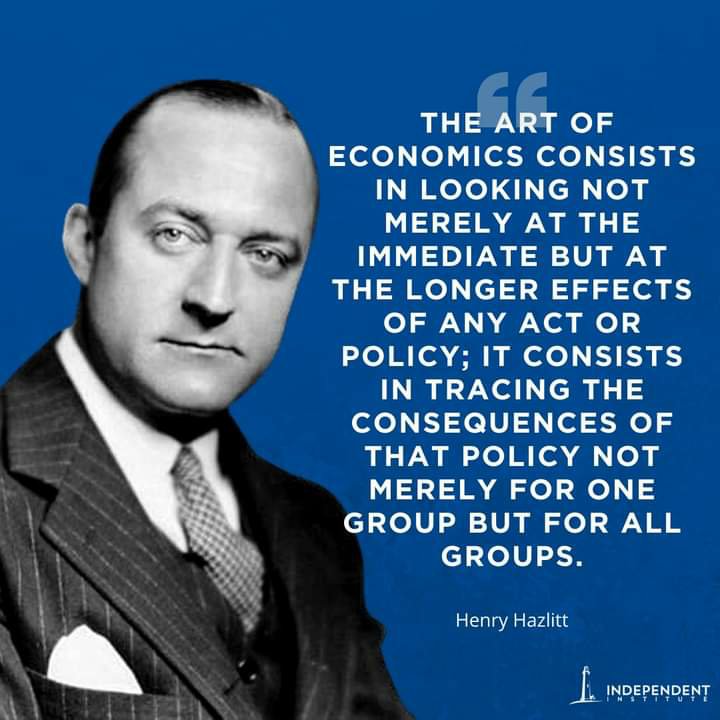
in applied price theory, applied welfare economics, comparative institutional analysis, economics of bureaucracy, economics of crime, entrepreneurship, environmental economics, history of economic thought, income redistribution, industrial organisation, international economics, labour economics, labour supply, law and economics, liberalism, macroeconomics, managerial economics, minimum wage, organisational economics, personnel economics, poverty and inequality, property rights, Public Choice, public economics, rentseeking, survivor principle, theory of the firm, unemployment, unions, welfare reform Tags: offsetting behaviour, The fatal conceit, unintended consequences
Fair Pay Govt drops its pretence
11 Dec 2021 Leave a comment
in applied price theory, comparative institutional analysis, economics of regulation, labour economics, labour supply, minimum wage, politics - New Zealand, unions Tags: union power, union wage premium


Recent Comments