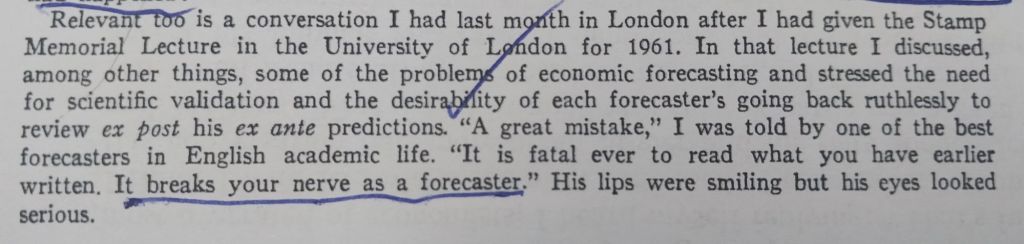
Samuelson on forecasting as a vocation
23 Sep 2025 Leave a comment
in budget deficits, business cycles, economic growth, fiscal policy, human capital, labour economics, macroeconomics, occupational choice Tags: forecasting errors
The smallest gender pay gap in history
28 Aug 2025 Leave a comment
in applied price theory, discrimination, econometerics, economic history, gender, human capital, labour economics, labour supply, occupational choice, politics - New Zealand, poverty and inequality Tags: gender wage gap, sex discrimination
Stats NZ reports: The gender pay gap was 5.2 percent in the June 2025 quarter, down from 8.2 percent in the June 2024 quarter, according to figures released by Stats NZ today. “The June 2025 quarter gender pay gap of 5.2 percent is the lowest since the series began in 1998,” labour market spokesperson Abby […]
The smallest gender pay gap in history
World War II Liberty Ships and the Law of Increasing Opportunity Cost
27 Aug 2025 1 Comment
in applied price theory, defence economics, economic history, entrepreneurship, industrial organisation, labour economics, labour supply, occupational choice, war and peace Tags: World War II
See ‘Launching Liberty’ Review: Shipyard Victory The U.S. quickly constructed a fleet of vessels to carry vital war supplies across the oceans. Did the rush to build so fast affect quality? by Marc Levinson. He reviewed the book Launching Liberty: The Epic Race to Build the Ships That Took America to War by Doug Most.The Liberty…
World War II Liberty Ships and the Law of Increasing Opportunity Cost
Dude, Whatever Happened to Difference Feminism?
17 Aug 2025 Leave a comment
in discrimination, economics of education, gender, human capital, labour economics, labour supply, occupational choice Tags: gender gap, sex discrimination

Time to Revive an Out of Fashion Idea
Dude, Whatever Happened to Difference Feminism?
The Tragedy of India’s Government-Job Prep Towns
04 Aug 2025 Leave a comment
in applied price theory, development economics, economics of bureaucracy, economics of regulation, growth disasters, growth miracles, labour economics, labour supply, occupational choice, Public Choice Tags: India
In Massive Rent-Seeking in India’s Government Job Examination System I argued that the high value of government jobs has distorted India’s entire labor market and educational system. India’s most educated young people—precisely those it needs in the workforce—are devoting years of their life cramming for government exams instead of working productively. These exams cultivate no […]
The Tragedy of India’s Government-Job Prep Towns
The gender gap that dare not speak its name
28 Jul 2025 Leave a comment
in gender, health and safety, labour economics, occupational choice
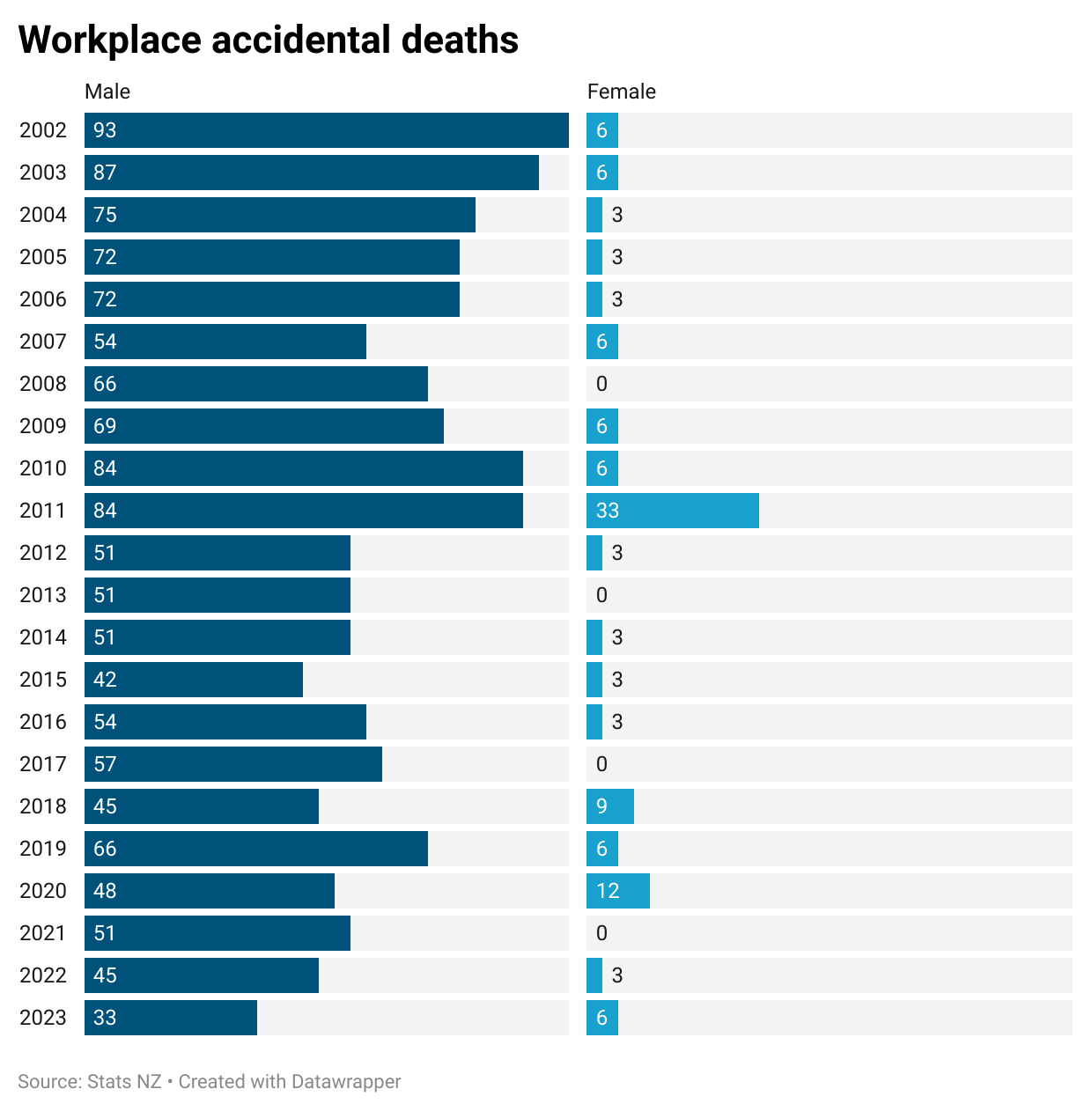
Govt fiscal constraints are the elephant in the pay equity room
11 Jul 2025 Leave a comment
in applied price theory, discrimination, fiscal policy, gender, human capital, income redistribution, labour economics, labour supply, occupational choice, politics - New Zealand, Public Choice, public economics, rentseeking Tags: gender wage gap, pay equity, sex discrimination
Michael Johnston writes – The way the government went about rolling back 33 pay equity claims lodged under the last government’s Pay Equity legislation was clumsy at best. The changes were made under urgency and applied retrospectively. It was not a good look. Predictable howls of rage and furious accusations ensued. Critics say the government […]
Govt fiscal constraints are the elephant in the pay equity room
EPA Suspends over 140 Toxic Employees Who Wrote Letter Denouncing Trump Policies
09 Jul 2025 1 Comment
in economics of bureaucracy, economics of climate change, energy economics, environmental economics, environmentalism, global warming, labour economics, labour supply, occupational choice, personnel economics, politics - USA, Public Choice

The best part of this story is two fold. First, these individuals have done a good job of self-identif[ying] themselves as fifth columnists inside the Trump administration, making it easier to get rid of them.
EPA Suspends over 140 Toxic Employees Who Wrote Letter Denouncing Trump Policies
Massive Rent-Seeking in India’s Government Job Examination System
03 Jul 2025 1 Comment
in applied price theory, development economics, economics of bureaucracy, economics of education, growth disasters, growth miracles, labour economics, occupational choice, personnel economics, Public Choice Tags: India
In India, government jobs pay far more than equivalent jobs in the private sector–so much so that the entire labor market and educational system have become grossly distorted by rent seeking to obtain these jobs. Teachers in the public sector, for example, are paid at least five times more than in the private sector. It’s […]
Massive Rent-Seeking in India’s Government Job Examination System
“An Evolving Economic Force,” A Conversation with Claudia Goldin
03 Jul 2025 Leave a comment
in applied price theory, discrimination, econometerics, economic history, gender, health and safety, human capital, labour economics, labour supply, occupational choice, poverty and inequality Tags: gender wage gap, sex discrimination
The gender wage gap uses bogus statistics | FACTUAL FEMINIST
02 Jul 2025 Leave a comment
in applied price theory, discrimination, econometerics, economics of regulation, gender, health and safety, human capital, income redistribution, labour economics, labour supply, occupational choice, politics - USA, Public Choice Tags: gender wage gap, sex discrimination
What Explains Growing Gender and Racial Education Gaps?
16 Jun 2025 Leave a comment
in applied price theory, discrimination, econometerics, economic history, economics of love and marriage, gender, human capital, labour economics, labour supply, law and economics, occupational choice, poverty and inequality Tags: gender wage gap, racial discrimination, sex discrimination
In the 1960 cohort, American men and women graduated from college at similar rates, and this was true for Whites, Blacks and Hispanics. But in more recent cohorts, women graduate at much higher rates than men. Gaps between race/ethnic groups have also widened. To understand these patterns, we develop a model of individual and family […]
What Explains Growing Gender and Racial Education Gaps?
Counting the Cost
01 Jun 2025 Leave a comment
in applied price theory, discrimination, gender, human capital, income redistribution, labour economics, labour supply, occupational choice, politics - New Zealand, poverty and inequality, Public Choice, rentseeking Tags: constitutional law, gender wage gap, sex discrimination
For all the gravitas which Dame Marilyn’s involvement has conferred upon PSCPE, it is important not to lose sight of the fact that it represents a deliberate attempt to morally overpower what is now the law of the land. Chris Trotter writes – The People’s Select Committee on Pay Equity (PSCPE) is looking for evidence. […]
Counting the Cost
Why the U.S. Produces More Unicorns Than China and the EU
01 Jun 2025 1 Comment
in applied price theory, comparative institutional analysis, development economics, economic history, economics of regulation, entrepreneurship, human capital, industrial organisation, labour economics, occupational choice, poverty and inequality, survivor principle Tags: creative destruction
The United States has produced about twice as many unicorns (private startups valued at $1B+) as China and more than four times as many as the European Union. These numbers reflect deep institutional and cultural advantages in the U.S. startup ecosystem. Table: Number of Unicorns Created Since ~1990 Region Cumulative Unicorns United States ~1,950 China…
Why the U.S. Produces More Unicorns Than China and the EU
The cost of Labour’s botched pay equity scheme
23 May 2025 1 Comment
in discrimination, gender, human capital, labour economics, labour supply, occupational choice, politics - New Zealand, poverty and inequality Tags: gender wage gap, sex discrimination
The Herald reports: During her Budget presentation, Willis said that pay equity costs in 2020 were initially expected to reach $3.7b but there had since been a “blowout” with costs rising steeply, especially due to Labour’s 2022 decision to fund claims in the “funded sector”. The exact figure isn’t known, but as they have announced […]
The cost of Labour’s botched pay equity scheme
 Utopia, you are standing in it!
Recent Comments