Here’s my point-by-point reply to Scott Aaronson’s thoughts on Don’t Be a Feminist. He’s in blockquotes, I’m not. Hi Bryan, Sorry for the delay! I just finished reading your book. 1,251 more words
Aaronson on Feminism: My Reply
Aaronson on Feminism: My Reply
26 Jan 2023 Leave a comment
in applied price theory, applied welfare economics, comparative institutional analysis, discrimination, economics of education, gender, health and safety, human capital, labour economics, labour supply, minimum wage, occupational choice, occupational regulation, poverty and inequality, welfare reform Tags: gender wage gap
*Don’t Be a Feminist*: The Aaronson Critique
24 Jan 2023 Leave a comment
in applied price theory, applied welfare economics, comparative institutional analysis, discrimination, economics of education, gender, human capital, labour economics, labour supply, occupational choice, occupational regulation, poverty and inequality Tags: gender wage gap
When misfortune strikes close to home, I try to avoid letting it cloud my judgment. Perhaps my family and friends are unrepresentative or unlucky. The fact that they suffer from Problem X does not show that Problem X is in fact important. 824 more words
*Don’t Be a Feminist*: The Aaronson Critique
*Don’t Be a Feminist*: Highlights
12 Jan 2023 Leave a comment
in applied price theory, discrimination, economic history, economics of crime, economics of education, gender, health and safety, human capital, labour economics, labour supply, law and economics, minimum wage, occupational choice, occupational regulation, poverty and inequality Tags: gender wage gap

The title essay of Don’t Be a Feminist: Essays on Genuine Justice is called “Don’t Be a Feminist: A Letter to My Daughter.” While the book is a thematic selection of my best EconLog essays from 2005-2022, the first piece is entirely new. 871 more words
*Don’t Be a Feminist*: Highlights
Walter Williams: Up From the Projects
12 Sep 2022 Leave a comment
in applied welfare economics, Austrian economics, discrimination, economic history, economics of education, human capital, labour economics, labour supply, occupational choice, occupational regulation, poverty and inequality, unemployment, welfare reform Tags: Walter Williams
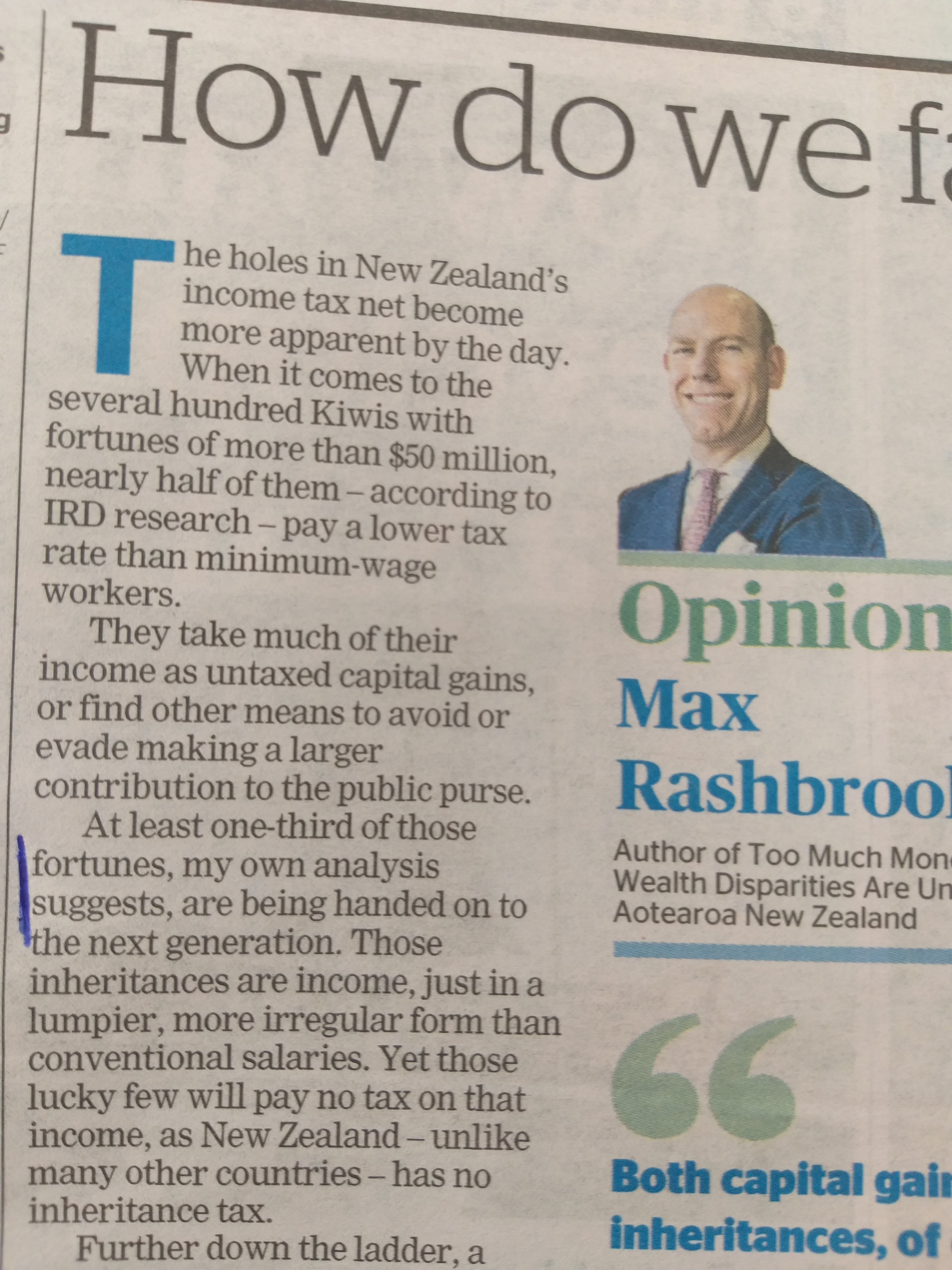
Veteran lefty concedes that most fortunes are self-made
01 May 2022 Leave a comment
in economics of education, entrepreneurship, financial economics, human capital, income redistribution, industrial organisation, labour economics, occupational regulation, politics - New Zealand, poverty and inequality, Public Choice, public economics, survivor principle Tags: top 1%
12th Annual Feldstein Lecture – 2020 Claudia Goldin
27 Nov 2021 Leave a comment
in applied price theory, comparative institutional analysis, discrimination, economic history, economics of education, gender, history of economic thought, human capital, industrial organisation, labour economics, labour supply, occupational choice, occupational regulation, poverty and inequality
The High Cost of Good Intentions with John F. Cogan: Perspectives on Policy
31 Oct 2021 Leave a comment
in economic history, entrepreneurship, financial economics, history of economic thought, human capital, income redistribution, industrial organisation, labour economics, labour supply, occupational choice, occupational regulation, poverty and inequality, Public Choice, survivor principle, unemployment, welfare reform Tags: taxation and labour supply
How the Labor Market Adjusts to Technological Shocks (Lessons from Hoover Boot Camp) | Ch 3
26 Oct 2021 Leave a comment
in applied price theory, economic growth, economic history, economics of education, economics of regulation, entrepreneurship, health and safety, history of economic thought, human capital, industrial organisation, labour economics, labour supply, market efficiency, minimum wage, occupational choice, occupational regulation, personnel economics, poverty and inequality, survivor principle, unemployment
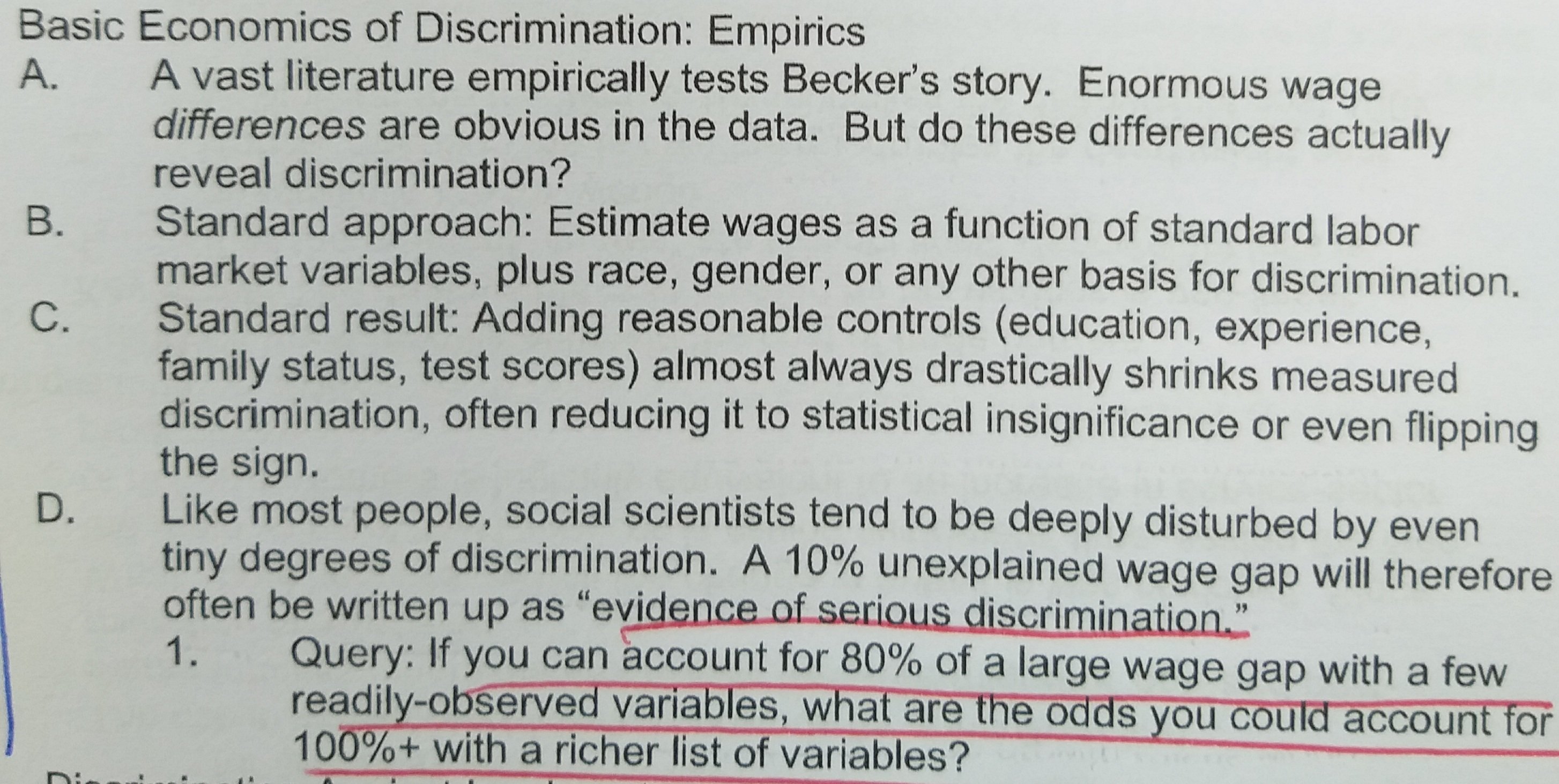
Essential Nozick: Income inequality and the role of choice
13 Oct 2021 Leave a comment
in applied price theory, applied welfare economics, comparative institutional analysis, economic history, economics of education, economics of information, economics of regulation, entrepreneurship, financial economics, history of economic thought, human capital, income redistribution, industrial organisation, labour economics, labour supply, occupational choice, occupational regulation, poverty and inequality, Rawls and Nozick, survivor principle
Kevin Murphy and Robert Topel – Some Economics of Professionalism (February 15, 2012)
01 Oct 2021 Leave a comment
in applied price theory, economic history, economics of information, entrepreneurship, health economics, human capital, labour economics, labour supply, occupational choice, occupational regulation, poverty and inequality
One on One with Professor Walter Williams
01 Sep 2021 Leave a comment
in applied price theory, discrimination, economics of education, human capital, labour economics, labour supply, liberalism, libertarianism, minimum wage, occupational choice, occupational regulation, poverty and inequality, unemployment, welfare reform
Bryan Caplan – Poverty: Who Is To Blame
08 Aug 2021 Leave a comment
in applied price theory, applied welfare economics, comparative institutional analysis, David Friedman, development economics, econometerics, economic growth, economics of bureaucracy, economics of education, economics of regulation, entrepreneurship, growth disasters, growth miracles, health economics, human capital, income redistribution, industrial organisation, labour economics, labour supply, liberalism, libertarianism, Marxist economics, occupational choice, occupational regulation, P.T. Bauer, poverty and inequality, property rights, Public Choice, survivor principle, urban economics, welfare reform Tags: economics of fertility, economics of immigration, The Great Enrichment
Why Does Racial Inequality Persist? | Glenn Loury & Adaner Usmani [The Glenn Show]
29 Oct 2020 Leave a comment
in discrimination, economics of education, gender, health and safety, human capital, labour economics, labour supply, minimum wage, occupational choice, occupational regulation, politics - USA, poverty and inequality, unemployment, unions, welfare reform Tags: child poverty, family poverty, The fatal conceit


Recent Comments