Man tries to burn EU flag. Flag doesn’t burn because of EU regulations on flammable materials
30 Mar 2017 Leave a comment
in health and safety Tags: safety Nazis
HT: Julie Anne Genter
Feminists’ cultural relativism betray #InternationalWomensDay, the Age of Enlightenment and the superiority of Western values
30 Mar 2017 Leave a comment
in discrimination, economic history, economics of religion, gender, labour economics Tags: Age of Enlightenment, feminism, International women's, Leftover Left, regressive left, Twitter left
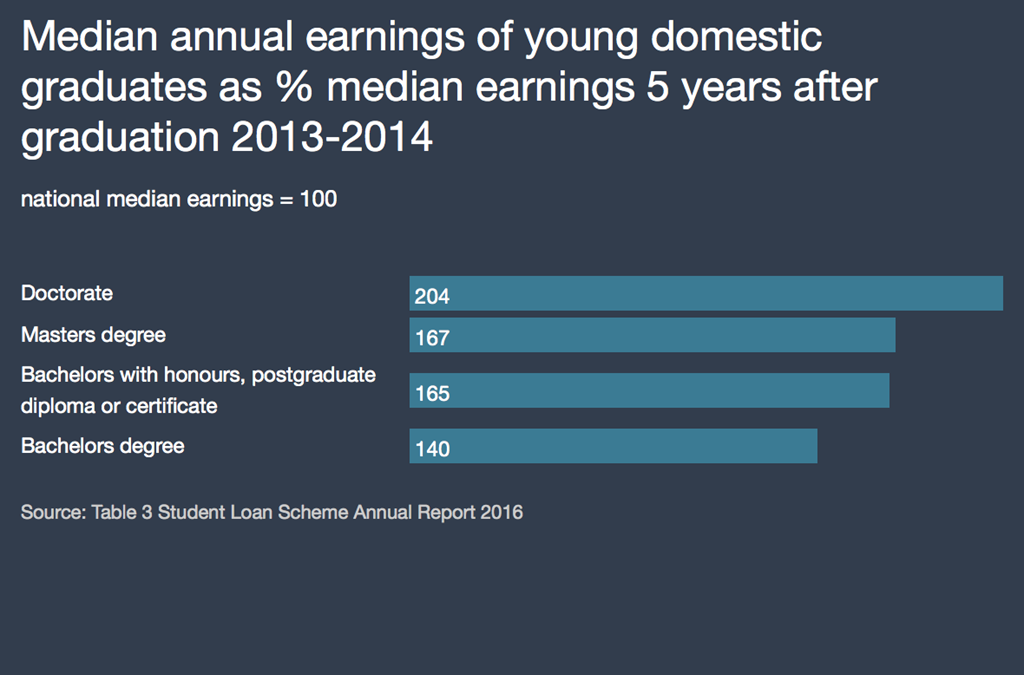
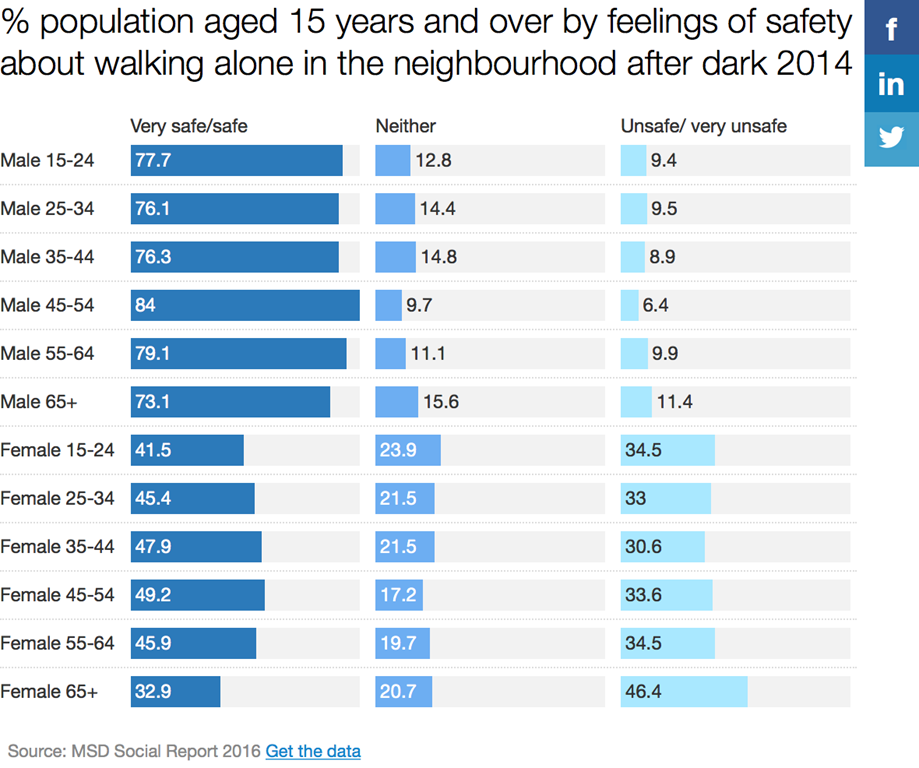

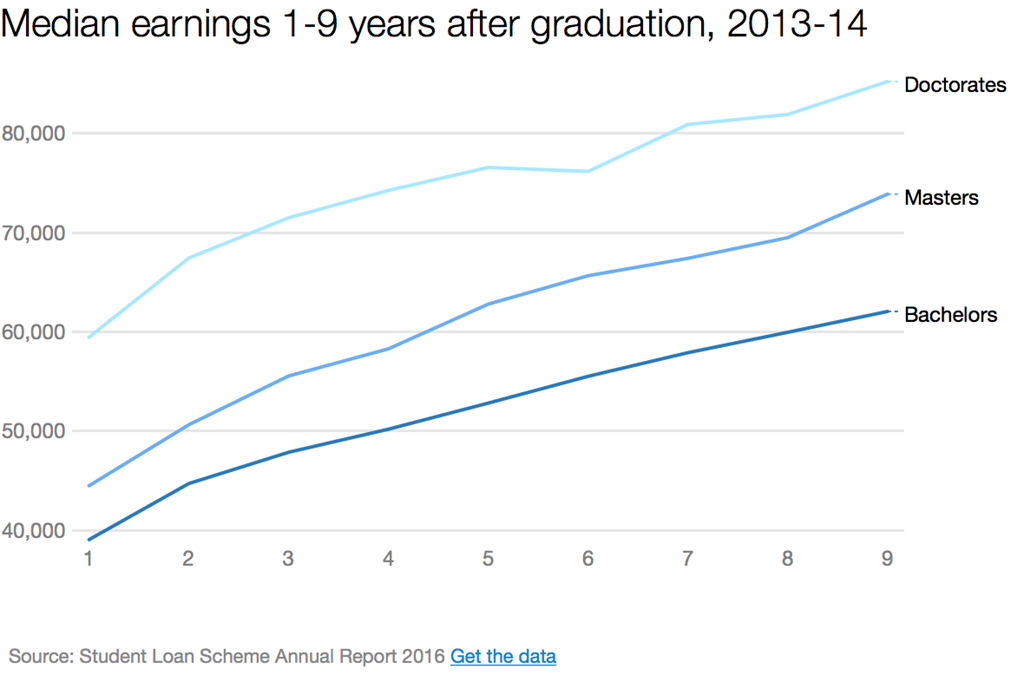
Why no unconscious bias against 20 something women to keep their pay down?
27 Mar 2017 Leave a comment
in discrimination, gender, labour economics, politics - New Zealand Tags: gender wage gap, reversing gender gap, unconscious bias
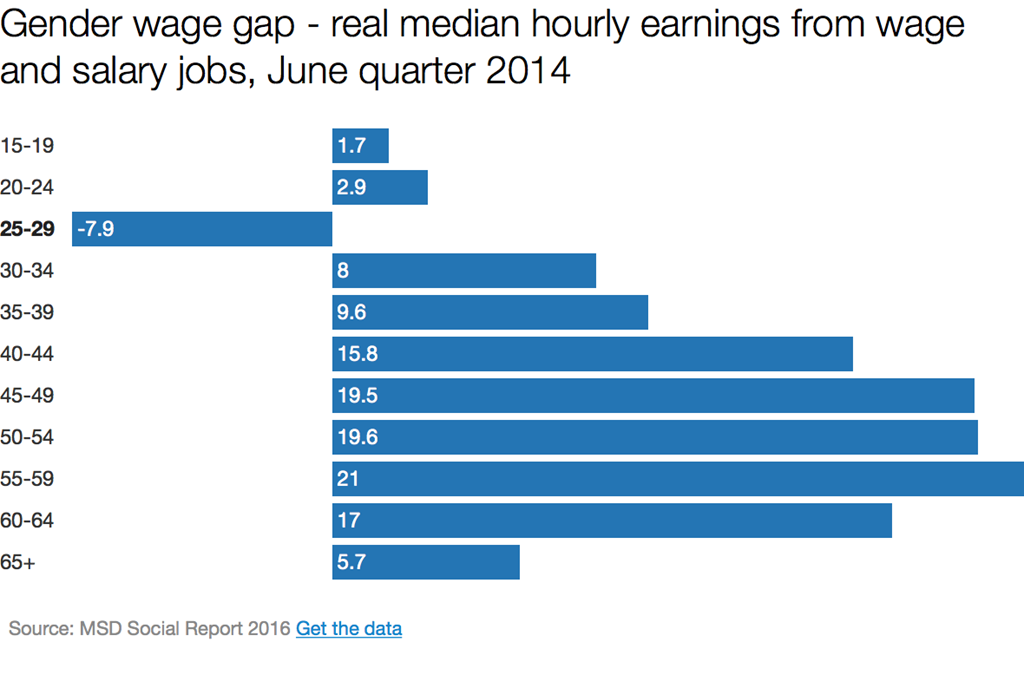

Tom Sowell on wage gaps
25 Mar 2017 Leave a comment
in applied price theory, discrimination, gender, labour economics Tags: gender wage gap, racial discrimination
Has family poverty halved over the last 20 years?
25 Mar 2017 Leave a comment
in economic history, politics - New Zealand, poverty and inequality Tags: child poverty, family poverty, The Great Enrichment
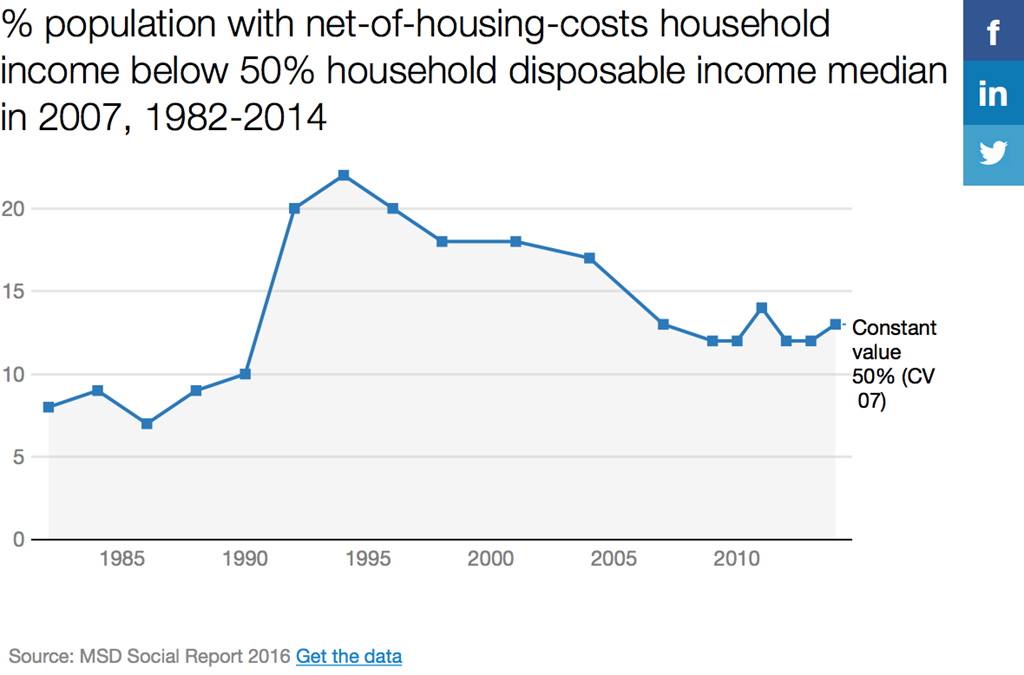
According to Brian Perry, the the expert at the Ministry of Social Development writing in last year’s Social Report:
The primary measure is the proportion of people in households with equivalised disposable income net-of-housing-costs below a threshold set at 50 percent of the 2007 household disposable income median – and held fixed in real terms (the 2007 anchored or constant value measure, CV-07).
This measure shows whether the incomes of low-income households are rising or falling in real terms, irrespective of what is happening to the incomes of the rest of the population.
The two other measures use fully relative thresholds set at 50 and 60 percent of the current year’s household disposable income median net-of-housing-costs (REL 50/60). These measures reflect how low-income households are faring relative to middle-income households.
Does poverty damage children’s brains? Full interview with Amy Wax
25 Mar 2017 Leave a comment
in applied price theory, labour economics, poverty and inequality Tags: Amy Wax, child poverty, neuroscience
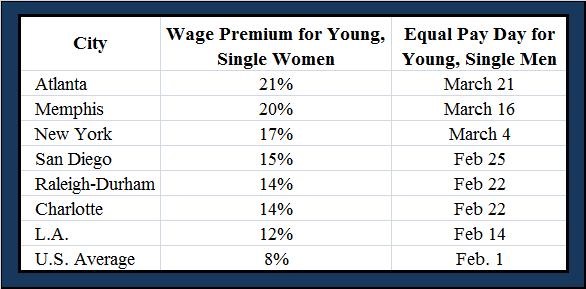
Time for an equal pay day for young urban males?
24 Mar 2017 Leave a comment
in discrimination, economics of education, gender, human capital, labour economics, labour supply, occupational choice, urban economics Tags: College premium, gender way, graduate premium, reversing gender gap, urban wage premium



Recent Comments