Bryan Caplan will feel vindicated: This paper asks whether universal pre-kindergarten (UPK) raises parents’ earnings and how much these earnings effects matter for evaluating the economic returns to UPK programs. Using a randomized lottery design, we estimate the effects of enrolling in a full-day UPK program in New Haven, Connecticut on parents’ labor market outcomes […]
Further evidence for the babysitting theory of education
Further evidence for the babysitting theory of education
08 Oct 2024 Leave a comment
in applied price theory, applied welfare economics, economics of education, economics of love and marriage, human capital, labour economics, labour supply, law and economics Tags: economics of fertility
US Productivity Growth: Downside, Upside
08 Oct 2024 Leave a comment
in applied price theory, econometerics, economic growth, economic history, entrepreneurship, history of economic thought, industrial organisation, labour economics, labour supply, macroeconomics Tags: The Great Enrichment
Over time, a rising US standard of living is driven by productivity growth. Michael Peters succinctly describes the problem in “America Must Rediscover Its Dynamism” (Finance & Development, September 2024). He writes: The US economy has a multitrillion-dollar problem. It’s the dramatic slowdown in productivity growth over the past couple of decades. Between 1947 and…
US Productivity Growth: Downside, Upside
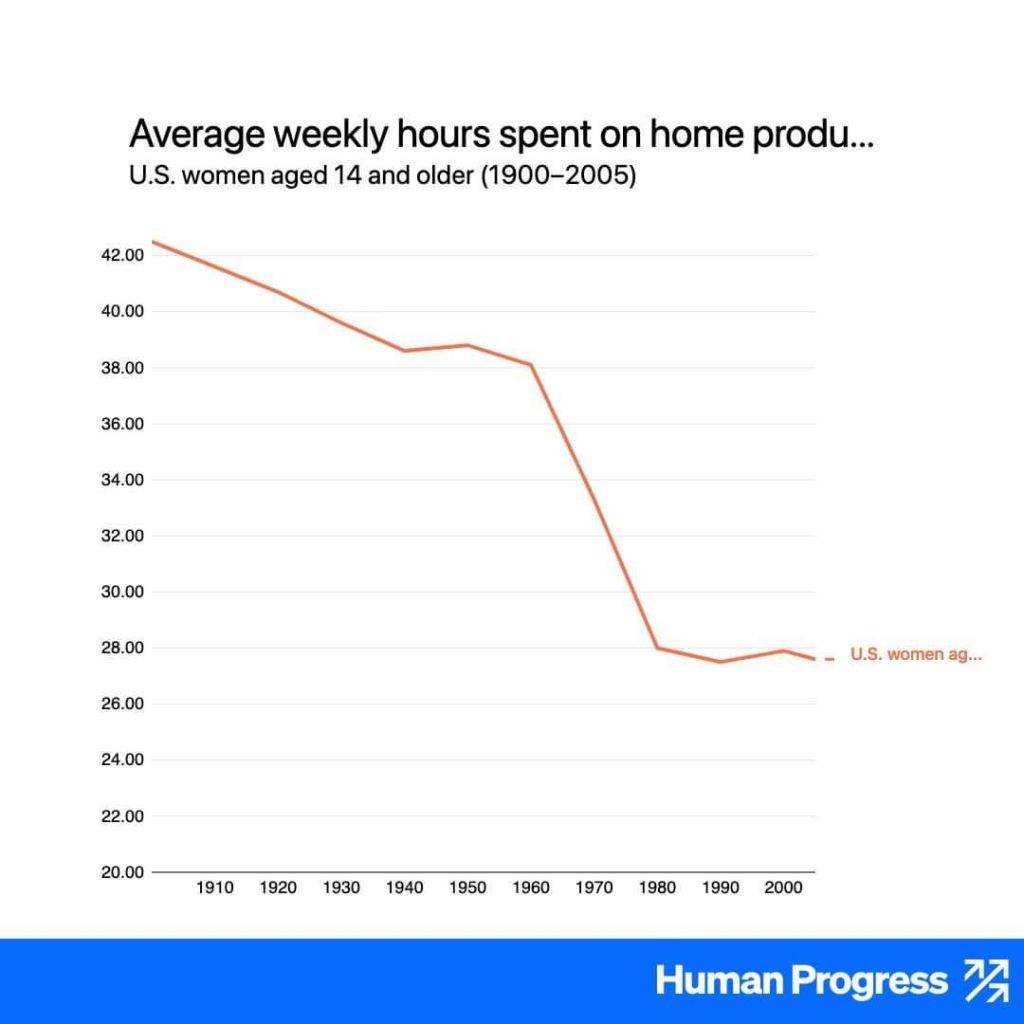
In 1900, when most U.S. women baked their own bread and did the laundry by hand, maintaining a home was a full-time job.
07 Oct 2024 Leave a comment
in discrimination, economic history, gender, labour economics, labour supply, occupational choice Tags: The Great Enrichment
The NZ Treasury’s Lack of Imagination Threatens our Future. It has no faith in Economic Magic (Einstein did).
07 Oct 2024 Leave a comment
in applied price theory, health economics, labour economics, labour supply, poverty and inequality, public economics, welfare reform Tags: retirement savings
Our Treasury is at it again. Telling Kiwis a bleak future awaits them, especially in retirement. Its latest report about how NZ Demographic Change will affect the Country’s Finances is enough make the PM’s eyes glaze over, Finance Minister Willis fall asleep, NZ First leader Peters to press Delete on his laptop & everyone else…
The NZ Treasury’s Lack of Imagination Threatens our Future. It has no faith in Economic Magic (Einstein did).
Rockonomics Highlights
05 Oct 2024 Leave a comment
in labour economics, labour supply, Music, occupational choice
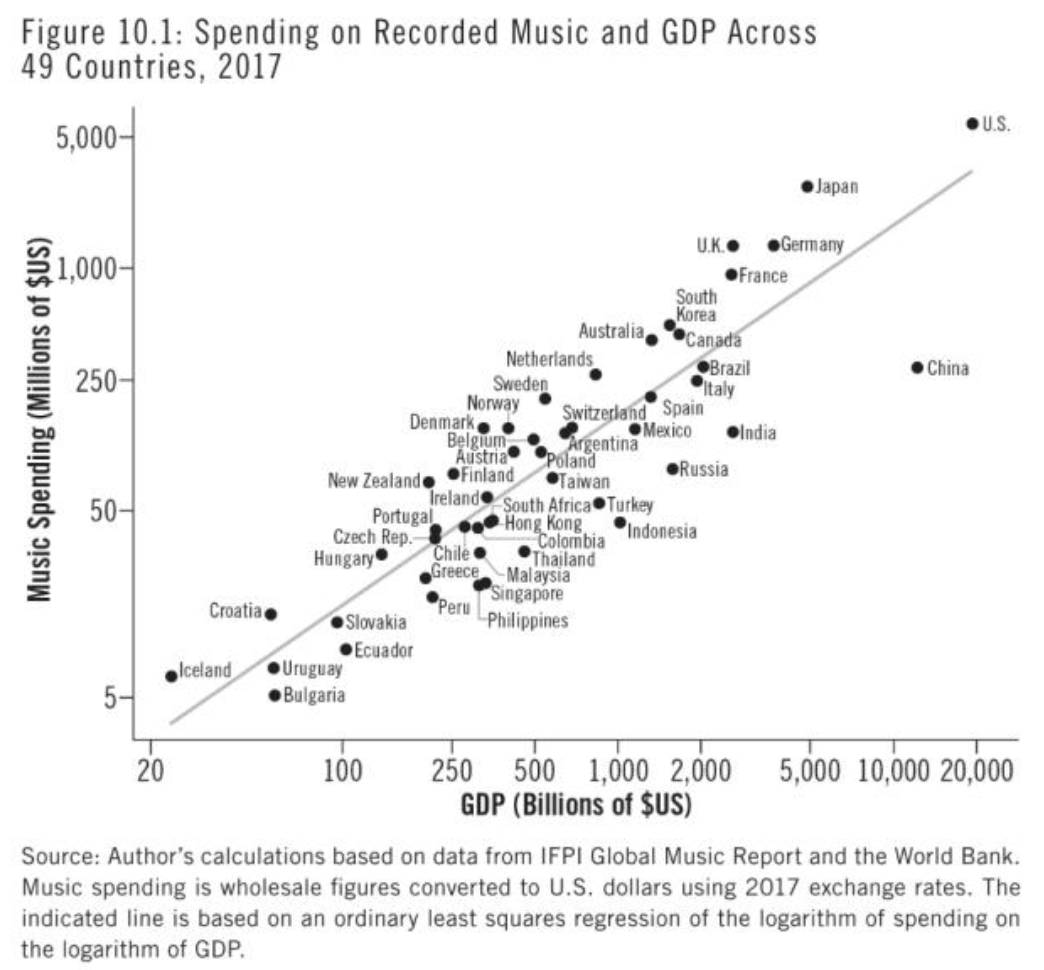
I missed Alan Kreuger’s 2019 book on the economics of popular music when it first came out, but picked it up recently when preparing for a talk on Taylor Swift. It turns out to be a well-written mix of economic theory, data, and interviews with well-known musicians, by an author who clearly loves music. Some […]
Rockonomics Highlights
Canada Is Part of the Anti-Convergence Club
01 Oct 2024 Leave a comment
in applied price theory, budget deficits, comparative institutional analysis, economic growth, economic history, economics of regulation, environmental economics, fiscal policy, labour economics, labour supply, law and economics, macroeconomics, property rights Tags: Canada
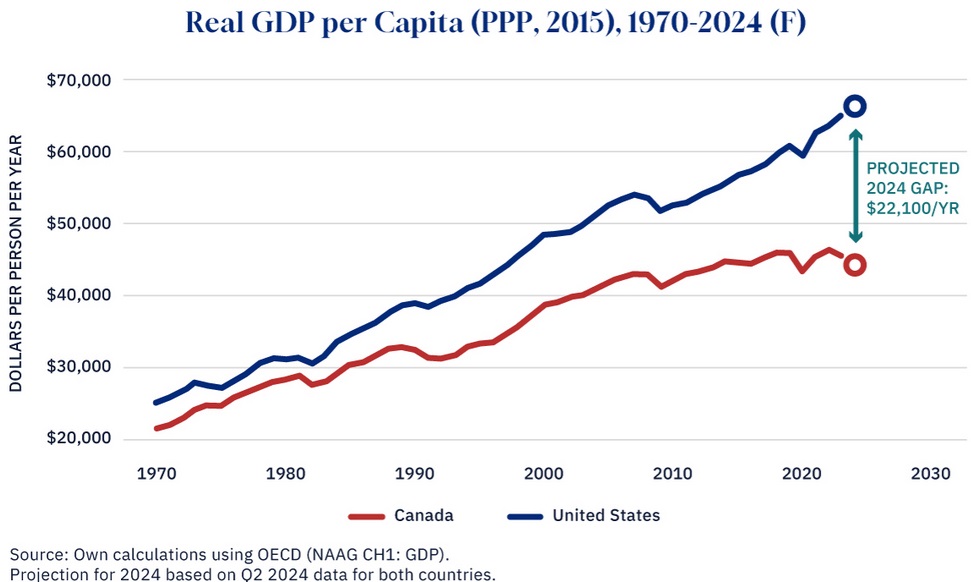
Economists widely agree with the theory of “convergence,” which is the (mostly true) idea that poor nations should grow faster than rich nations as they catch up (converge). But there are exceptions. Sometimes a richer country will grow faster than a poorer country over a significant period of time, and we can learn from these examples. This is […]
Canada Is Part of the Anti-Convergence Club
Creative destruction again
28 Sep 2024 Leave a comment
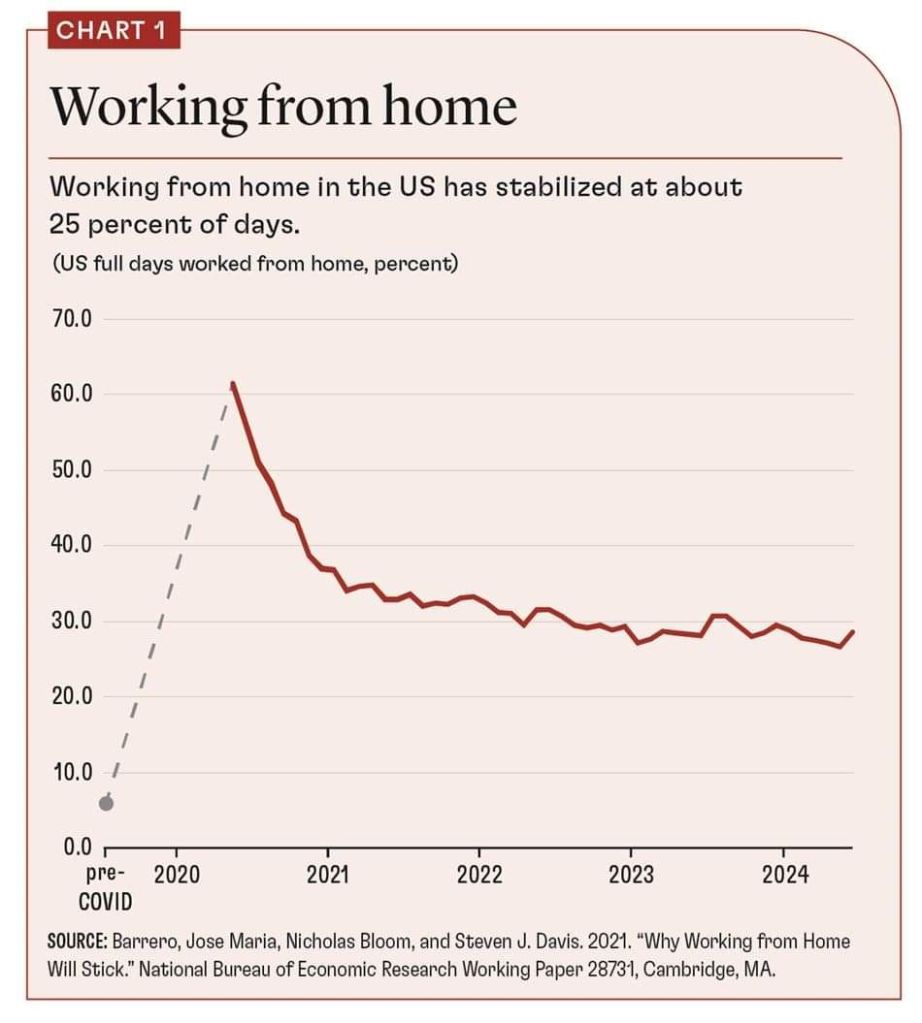
in applied price theory, industrial organisation, labour economics, labour supply, managerial economics, occupational choice, organisational economics, personnel economics Tags: creative destruction, economics of pandemics
Another zero lower bound prediction bites the dust
28 Sep 2024 Leave a comment
in applied price theory, budget deficits, business cycles, economic growth, fiscal policy, history of economic thought, labour economics, macroeconomics, monetary economics, public economics, unemployment Tags: New Keynesian macroeconomics
Popular New Keynesian macroeconomic models predict that cuts in various types of distortionary taxes are contractionary when monetary policy is constrained at the zero lower bound. We turn to a long span of history in the United Kingdom to test this hypothesis. Using a new long-run dataset of narrative-identified tax changes from 1918to 2020, we […]
Another zero lower bound prediction bites the dust
Proof that NZ’s Reserve Bank has Inflicted Unnecessary Pain up and down the Nation.
27 Sep 2024 Leave a comment
in business cycles, economic growth, fiscal policy, labour economics, macroeconomics, monetary economics, politics - New Zealand, politics - USA, unemployment Tags: economics of pandemics, monetary policy
In the past few hours, it has been stated that the US economy grew at a solid 3% rate last quarter, as given in the American government’s final estimate. New Zealand’s economy, on the other hand, shrank at a rate of -0.2%. The US Federal Funds rate (the equivalent of NZ’s Official Cash Rate, OCR)…
Proof that NZ’s Reserve Bank has Inflicted Unnecessary Pain up and down the Nation.
Debunking Hate-and-Envy Tax Policy
27 Sep 2024 Leave a comment
in applied price theory, economic growth, economic history, entrepreneurship, financial economics, fiscal policy, health and safety, income redistribution, labour economics, labour supply, law and economics, macroeconomics, occupational choice, politics - USA, poverty and inequality, property rights, Public Choice, public economics Tags: envy, regressive left, taxation and entrepreneurship, taxation and investment
On tax policy, our friends on the left are motivated by envy and hatred. As shown in this Stossel video, Robert Reich is a sad example of this mindset. John Stossel understates his argument. It’s not that Reich is wrong. He’s wildly wrong. There are four points in the video that deserve attention. It is […]
Debunking Hate-and-Envy Tax Policy
Should we keep the wealthy non-diversified? (from my email)
27 Sep 2024 Leave a comment
in applied price theory, economic history, entrepreneurship, history of economic thought, human capital, income redistribution, industrial organisation, labour economics, labour supply, liberalism, Marxist economics, occupational choice, poverty and inequality, Public Choice Tags: top 1%
Byrne Hobart writes to me: One of the purposes of inheritance taxes is to avoid compounding intergenerational wealth. But The Missing Billionaires points out that if all of America’s millionaires had put their money in broad market indices in 1900, their heirs would number 16,000 billionaires, even accounting for taxes, splitting estates among multiple children, etc. So […]
Should we keep the wealthy non-diversified? (from my email)
Facts about Britain
22 Sep 2024 Leave a comment
in applied price theory, economic growth, economics of bureaucracy, economics of regulation, energy economics, environmental economics, industrial organisation, labour economics, law and economics, macroeconomics, Public Choice, resource economics, transport economics, urban economics Tags: British politics
Between 2004 and 2021, before Russia’s invasion of Ukraine, the industrial price of energy tripled in nominal terms, or doubled relative to consumer prices. With almost identical population sizes, the UK has under 30 million homes, while France has around 37 million. 800,000 British families have second homes compared to 3.4 million French families. Per capita electricity generation in the UK […]
Facts about Britain
Tax-Motivated International Migration
18 Sep 2024 Leave a comment
in applied price theory, entrepreneurship, labour economics, labour supply, poverty and inequality, public economics Tags: taxation and entrepreneurship, taxation and investment, taxation and labour supply

I wrote a few days ago about how Americans are moving from high-tax states to lower-tax states (mostly to states with no income taxes or flat taxes). Today, let’s look at international tax migration. I’ve addressed this issue before, but generally in the context of individual countries that are attracting or repelling entrepreneurs, investors, business […]
Tax-Motivated International Migration
Equality Act 2010
18 Sep 2024 Leave a comment
in applied price theory, comparative institutional analysis, economic history, history of economic thought, human capital, job search and matching, labour economics, labour supply, law and economics, occupational choice, poverty and inequality Tags: British politics, compensating differences, pay equity

The UK’s Orwellian sounding Equality Act 2010 is strikingly Marxist. It demands equal pay for work of equal value where these are defined as follows: A’s work is equal to that of B if it is like B’s work, rated as equivalent to B’s work, or of equal value to B’s work. A’s work is […]
Equality Act 2010
The Economic Consequences of the French Wealth Tax
17 Sep 2024 Leave a comment
in applied price theory, econometerics, economic history, entrepreneurship, fiscal policy, human capital, income redistribution, labour economics, labour supply, macroeconomics, occupational choice, poverty and inequality, Public Choice, public economics Tags: taxation and entrepreneurship, taxation and investment, taxation and labour supply
By Eric Pichet, here is the abstract: Despite attempts to ‘unwind’ the Impôt de Solidarité sur la Fortune (‘Solidarity Wealth Tax,’ the French wealth tax) during the last legislature (2002-2007), ISF yields had soared by 2006, jumping from €2.5 billion in 2002 to €3.6 billion. Analysis of the economic consequences of this ISF wealth tax […]
The Economic Consequences of the French Wealth Tax
 Utopia, you are standing in it!
Recent Comments