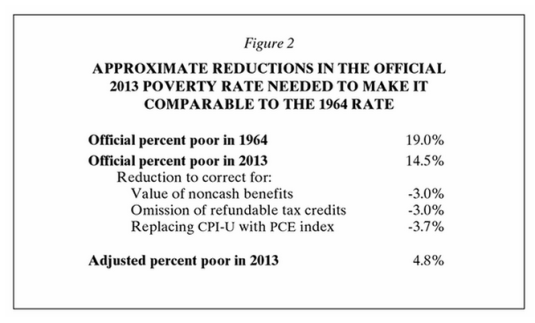
Via The War on Poverty: Was It Lost? by Christopher Jencks | The New York Review of Books.
Celebrating humanity's flourishing through the spread of capitalism and the rule of law
27 Mar 2015 2 Comments
in econometerics, economic history, poverty and inequality
27 Mar 2015 Leave a comment
in minimum wage Tags: Big Mac index, Eurosclerosis
Portugal's new minimum wage buys you 1.1 Big Macs – how that compares to other countries: theguardian.com/news/datablog/… http://t.co/0BHAfgRhHe—
Alberto Nardelli (@AlbertoNardelli) September 25, 2014
26 Mar 2015 Leave a comment
in discrimination, econometerics, gender, labour economics, labour supply, occupational choice, politics - New Zealand
The OECD puts the gender wage gap in New Zealand at about 6% for full-time employees on an hourly basis when measured using median earnings.
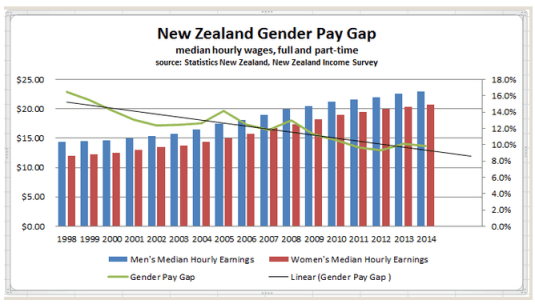
The Ministry of Women’s Affairs puts that gender wage gap estimate at 9.9% by measuring median hourly earnings, but the Ministry includes both full-time and part-time employees.
Conflating full-time and part-time earnings when measuring wage gaps is unwise. The level of compensating differentials in full-time and part-time jobs differ. More of the net pay package of a part-time job would be convenience and flexibility. A full-time job tends to indicate greater commitment to the labour force day in day out and less interest in flexibility and time off during the week.
26 Mar 2015 Leave a comment
in economics of crime, labour economics, law and economics, occupational choice Tags: crime and punishment, criminal deterrence, London riots


The level of lawlessness was shocking and wholly inexcusable. The imposition of severe sentences, intended to provide both punishment and deterrence, must follow…
The context hugely aggravates the seriousness of each individual offence … the sheer numbers involved may have led some of the offenders to believe that they were untouchable and would escape detection…
When there is wanton and vicious violence of gross degree the court is not concerned with whether it originates from gang rivalry or from political motives. It is the degree of mob violence that matters and the extent to which the public peace is broken.”
The Lord Chief Justice Judge
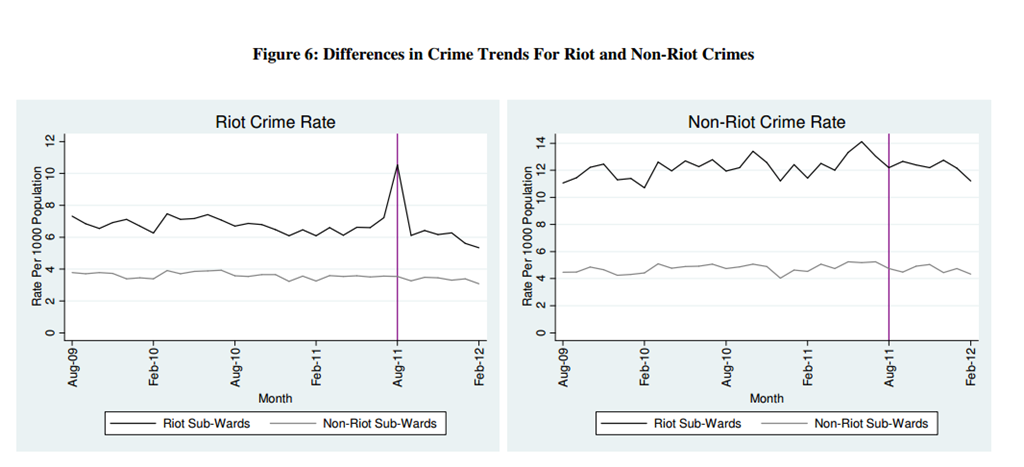
The response of the criminal fraternity in London to the sentences handed out during the London riots was very business like. Offending for those particular sentences dropped. Criminals substituted to other forms of crime to pursue their chosen occupation as a criminal in light of the changed incentives:
…a significant drop in riot crimes across London in the six months after the riots, consistent with a deterrence effect from the tougher sentencing. More evidence of general deterrence comes from the observation that crime also fell in the post‐riot aftermath in areas where rioting did not take place.
26 Mar 2015 Leave a comment
in discrimination, gender, labour economics, labour supply, occupational choice Tags: gender wage gap, part-time work
26 Mar 2015 Leave a comment
in discrimination, gender, health and safety, labour economics, occupational choice Tags: fatal occupational injuries, gender fatalities gap, workplace injuries
25 Mar 2015 Leave a comment
in discrimination, gender, human capital, labour economics, labour supply, occupational choice, politics - New Zealand Tags: gender wage gap
25 Mar 2015 Leave a comment
in applied welfare economics, labour economics, labour supply, occupational choice, technological progress Tags: automation, creative destruction, technological unemployment
24 Mar 2015 Leave a comment
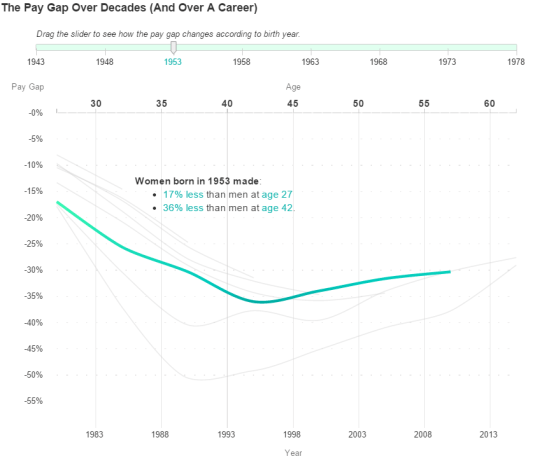
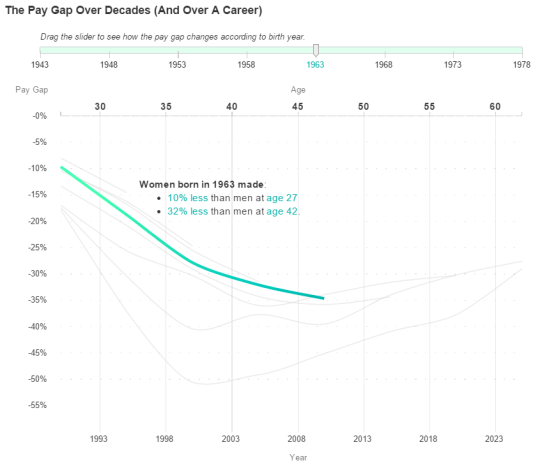
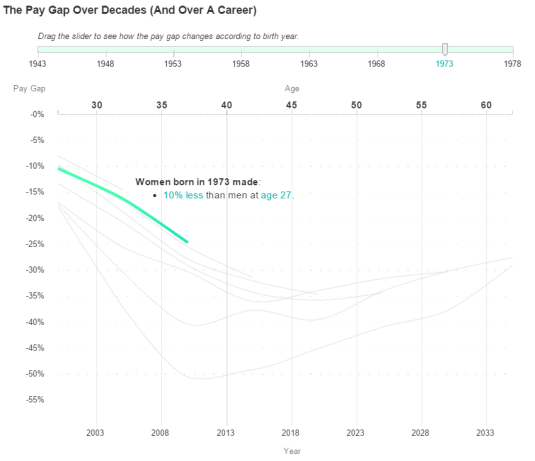
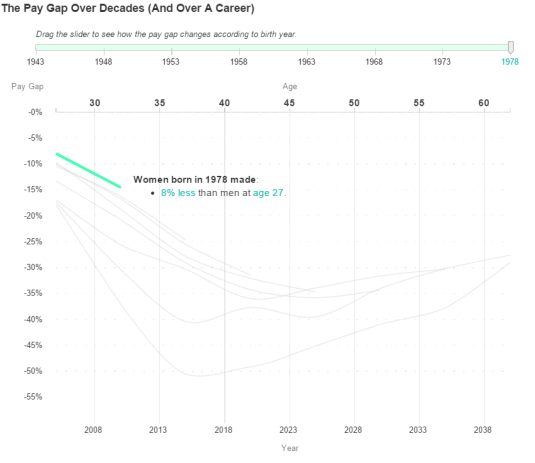
in discrimination, gender, labour economics Tags: gender wage gap

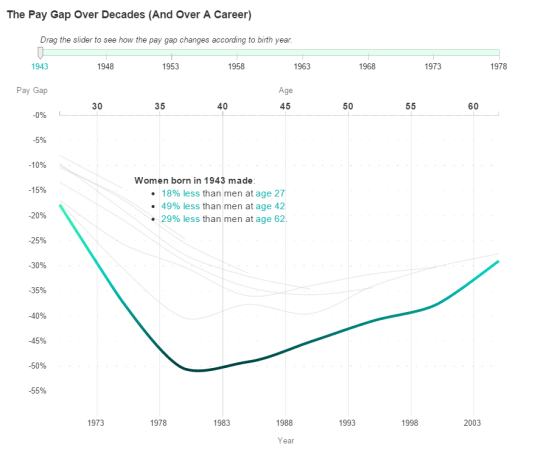
via Chapter 1: Trends from Government Data | Pew Research Center’s Social & Demographic Trends Project.
23 Mar 2015 Leave a comment
in discrimination, economics of religion, TV shows Tags: gay marriage, West Wing
23 Mar 2015 Leave a comment
in job search and matching, labour economics, occupational choice Tags: job networks

via The industries where personal connections matter the most in getting a job – The Washington Post.
Celebrating humanity's flourishing through the spread of capitalism and the rule of law
Celebrating humanity's flourishing through the spread of capitalism and the rule of law
Celebrating humanity's flourishing through the spread of capitalism and the rule of law
Celebrating humanity's flourishing through the spread of capitalism and the rule of law
Celebrating humanity's flourishing through the spread of capitalism and the rule of law
Celebrating humanity's flourishing through the spread of capitalism and the rule of law
A History of the Alt-Right
Econ Prof at George Mason University, Economic Historian, Québécois
Celebrating humanity's flourishing through the spread of capitalism and the rule of law
Scholarly commentary on law, economics, and more
Beatrice Cherrier's blog
Celebrating humanity's flourishing through the spread of capitalism and the rule of law
Celebrating humanity's flourishing through the spread of capitalism and the rule of law
Celebrating humanity's flourishing through the spread of capitalism and the rule of law
Why Evolution is True is a blog written by Jerry Coyne, centered on evolution and biology but also dealing with diverse topics like politics, culture, and cats.
Celebrating humanity's flourishing through the spread of capitalism and the rule of law
A rural perspective with a blue tint by Ele Ludemann
DPF's Kiwiblog - Fomenting Happy Mischief since 2003
Celebrating humanity's flourishing through the spread of capitalism and the rule of law
The world's most viewed site on global warming and climate change
Tim Harding's writings on rationality, informal logic and skepticism
A window into Doc Freiberger's library
Let's examine hard decisions!
Commentary on monetary policy in the spirit of R. G. Hawtrey
Thoughts on public policy and the media
Celebrating humanity's flourishing through the spread of capitalism and the rule of law
Politics and the economy
A blog (primarily) on Canadian and Commonwealth political history and institutions
Reading between the lines, and underneath the hype.
Economics, and such stuff as dreams are made on
"The British constitution has always been puzzling, and always will be." --Queen Elizabeth II
Celebrating humanity's flourishing through the spread of capitalism and the rule of law
Celebrating humanity's flourishing through the spread of capitalism and the rule of law
WORLD WAR II, MUSIC, HISTORY, HOLOCAUST
Undisciplined scholar, recovering academic
Celebrating humanity's flourishing through the spread of capitalism and the rule of law
Res ipsa loquitur - The thing itself speaks
In Hume’s spirit, I will attempt to serve as an ambassador from my world of economics, and help in “finding topics of conversation fit for the entertainment of rational creatures.”
Researching the House of Commons, 1832-1868
Articles and research from the History of Parliament Trust
Reflections on books and art
Posts on the History of Law, Crime, and Justice
Celebrating humanity's flourishing through the spread of capitalism and the rule of law
Exploring the Monarchs of Europe
Cutting edge science you can dice with
Small Steps Toward A Much Better World





Recent Comments