Ireland’s effort to remove old-fashioned family values from its constitution suffered a double defeat Saturday as voters rejected the amendments on offer as maddeningly vague and threatening to property rights… In final results announced Saturday night, the amendment to change the constitutional definition of family was rejected by 67.7 percent of voters. The proposed changes […]
The Irish reject a “Woke” constitutional change
The Irish reject a “Woke” constitutional change
10 Mar 2024 Leave a comment
in discrimination, economics of love and marriage, gender, human capital, labour economics, labour supply, law and economics Tags: Ireland
#IWD2024
08 Mar 2024 Leave a comment
in discrimination, economics of education, gender, human capital, labour economics, labour supply, occupational choice, politics - Australia Tags: gender wage gap, sex discrimination

Longing for Auschwitz.
07 Mar 2024 Leave a comment
in discrimination, economics of crime, gender, International law, law and economics, laws of war, liberalism, war and peace Tags: Age of Enlightenment, Gaza Strip, Israel, Middle-East politics, Nazi Germany, political correctness, racial discrimination, regressive left, The Holocaust, war against terror

An article in Tablet Magazine with that title, “Longing for Auschwitz., that nails what lies at the heart of what happened in Israel last October 7. A couple of excerpts but as always… Hamas’s assault on Israelis on October 7th was not an act of war as we normally think of it but something far […]
Longing for Auschwitz.
Three Snapshots of Where US Population is Headed
29 Feb 2024 Leave a comment
in economic history, environmental economics, labour economics, labour supply, population economics Tags: ageing society, economics of fertility, economics of immigration, population bust

The Congressional Budget Office has published The Demographic Outlook: 2024 to 2054 (January 2024), which offers some recent history and projections of how the US population is evolving. Here are three snapshots: The Role of Immigration in Total US Population Growth The black line shows projected US population growth since 2004, with firm data up…
Three Snapshots of Where US Population is Headed
Child poverty – complex or simple?
26 Feb 2024 Leave a comment
in applied price theory, applied welfare economics, labour economics, labour supply, politics - New Zealand, poverty and inequality, unemployment, welfare reform Tags: child poverty, family poverty
Question: Do you understand how the child poverty statistics are derived? Clearly some people do not. Last week the latest child poverty statistics were all over the media. But there are a number of misunderstandings that need addressing. Like this one from NewstalkZB’s John MacDonald who wrote: “Living in households that get-by on less than…
Child poverty – complex or simple?
When it comes to lifetime earnings, the most important decision appears to be the choice of college major
25 Feb 2024 Leave a comment
in econometerics, economics of education, human capital, labour economics, labour supply, occupational choice, poverty and inequality Tags: College premium
See Choices and consequences in the real “game of life”: From falling in with “bad apples” to choosing a major, economists decipher how early decisions shape long-term outcomes by Jeff Horwich, Senior Economics Writer for the Federal Reserve Bank of Minneapolis. Excerpt:”The research on Minnesota students from Nath, Borovičková, and Leibert (discussed above) finds that while…
When it comes to lifetime earnings, the most important decision appears to be the choice of college major
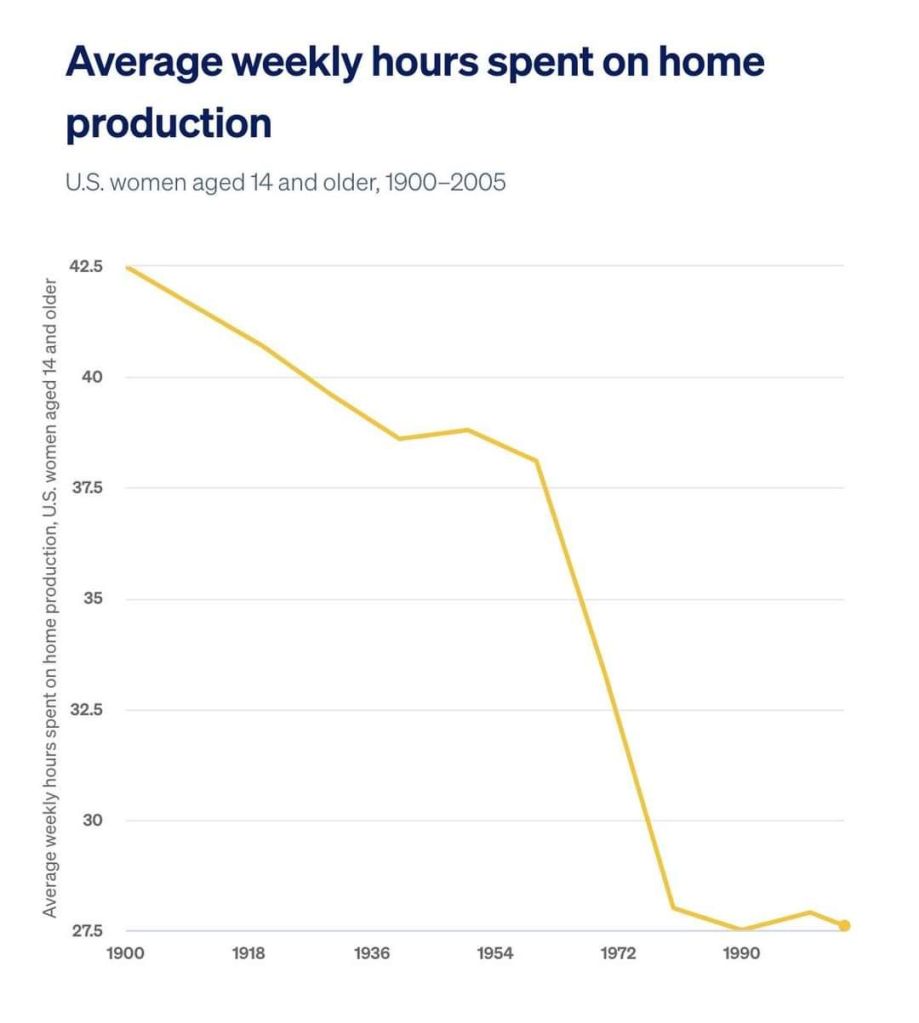
In 1900, when most U.S. women baked their own bread and did the laundry by hand, maintaining a home was a full-time job.
24 Feb 2024 Leave a comment
in economic history, economics of love and marriage, gender, labour economics, law and economics Tags: The Great Enrichment
Texas professor fired, then reinstated after a lawsuit, for teaching that chromosomes determine human sex
23 Feb 2024 Leave a comment
in discrimination, economics of bureaucracy, economics of education, gender, health economics, labour economics, law and economics, politics - USA, Public Choice Tags: Age of Enlightenment, employment law, free speech, political correctness, regressive left, sex discrimination

In general, one can’t say that chromosomes “determine sex” in animals, as there are other genetic or environmental features that determine what sex an individual becomes. As Coyne and Maroja (2023) note: Different sexes can determined during development bybe based on different chromosomes and their genes (e.g., XX vs. XY in humans, ZW vs. ZZ in birds, […]
Texas professor fired, then reinstated after a lawsuit, for teaching that chromosomes determine human sex
Master and Commander: The Biden Dogs Accused of Dozens of Additional Attacks at White House
23 Feb 2024 Leave a comment
in economics of crime, health and safety, labour economics, law and economics, politics - USA, property rights Tags: 2024 presidential election

We have been writing about alarming record of the dogs of the Bidens attacking staff and Secret Service agents through the years. At first, the story was a humorous distraction as some of us wondered if the First Family had a vicious dog. It then became more alarming as each of the dogs were found […]
Master and Commander: The Biden Dogs Accused of Dozens of Additional Attacks at White House
Superannuation, KiwiSaver, and New Zealand’s economic development
22 Feb 2024 Leave a comment
in economic growth, income redistribution, labour economics, labour supply, macroeconomics, politics - New Zealand, Public Choice, rentseeking Tags: ageing society
The Retirement Commissioner has released a paper on aspects of New Zealand Superannuation (NZS). Its focus includes affordability, fairness, age of eligibility, and the treatment of those over 65 who continue in the workforce whilst also receiving NZS. What the Commissioner does not discuss is the relationship between superannuation systems, domestic savings rates and capital […]
Superannuation, KiwiSaver, and New Zealand’s economic development
Bari Weiss interviews Roland Fryer
22 Feb 2024 Leave a comment
in applied price theory, discrimination, econometerics, economic history, economics of crime, economics of education, human capital, labour economics, labour supply, law and economics, occupational choice, politics - USA, poverty and inequality Tags: academic bias, crime and punishment, free speech, law and order, political correctness, racial discrimination, regressive left
A lot of readers and heterodox colleagues have sent me this link to Bari Weiss’s interview with Harvard economics professor Roland G. Fryer, Jr., often accompanied by big encomiums. Despite my unwillingness to watch long videos, I did watch all 77 minutes of it. Unfortunately, I wasn’t mesmerized, or even much interested. There are interesting […]
Bari Weiss interviews Roland Fryer
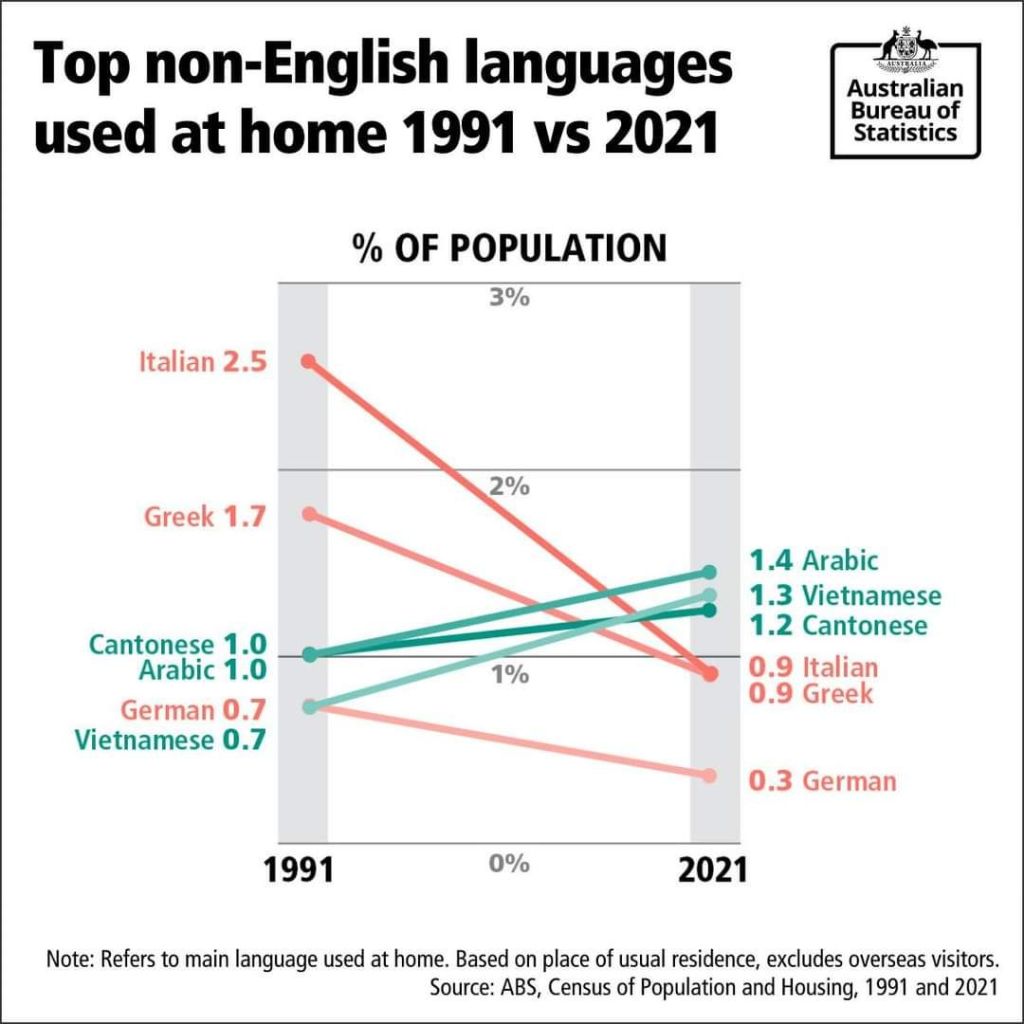
Changing times
21 Feb 2024 Leave a comment
in economic history, economics of education, human capital, labour economics, labour supply, population economics Tags: Australia, economics of languages
RICHARD PREBBLE: We must get our children back to school
21 Feb 2024 Leave a comment
in economics of education, human capital, labour economics, labour supply, politics - New Zealand
It will not matter what was agreed in 1840 if the coalition cannot get our children back to school. Most children do not attend school regularly. Nations that do not educate the next generation are doomed to fail. In the 3rd term last year most Pakeha pupils, 52%, did not go to school regularly.…
RICHARD PREBBLE: We must get our children back to school
 Utopia, you are standing in it!
Recent Comments