Eh, only in the short run: We study the causal impacts of income on a rich array of employment outcomes, leveraging an experiment in which 1,000 low-income individuals were randomized into receiving $1,000 per month unconditionally for three years, with a control group of 2,000 participants receiving $50/month. We gather detailed survey data, administrative records,…
Did UBI make people happier?
Did UBI make people happier?
21 Aug 2026 1 Comment
in applied price theory, labour economics, labour supply, welfare reform
The effects of remote work on the disability employment gap
17 Aug 2026 Leave a comment
in discrimination, gender, human capital, labour economics, labour supply, transport economics, urban economics Tags: gender wage gap, sex discrimination
A rise in work from home explains most of the postpandemic gain in full-time employment among people with physical disabilitiesBy Tyler Smith. “Employment among people with disabilities has remained well below that of the broader population, with an average disability employment gap of 27 percentage points across OECD countries. In the United States, this low disability…
The effects of remote work on the disability employment gap
Alex Tabarrok: Britain’s equal pay madness
16 Aug 2026 Leave a comment
in applied price theory, Austrian economics, discrimination, economics of education, gender, health and safety, human capital, industrial organisation, labour economics, labour supply, occupational choice, poverty and inequality Tags: affirmative action, gender wage gap, pay equity, sex discrimination
The Taliban, Women and the Far Left
15 Aug 2026 1 Comment
in defence economics, discrimination, economics of education, economics of religion, gender, human capital, labour economics, labour supply, war and peace Tags: Afghanistan
It is five years today since the Taliban took control of Afghanistan. On 15 August 2021, its forces entered Kabul as the Afghan government collapsed and the long Western intervention came to an ignominious end. Five years later, the consequences for Afghan women are appalling. The Taliban has issued more than 100 decrees restricting the […]
The Taliban, Women and the Far Left
Incentive Misalignment in Communism: the case of Vietnam
15 Aug 2026 1 Comment
in applied price theory, development economics, economic history, growth disasters, history of economic thought, industrial organisation, labour economics, labour supply, Marxist economics Tags: economics of central planning, Vietnam
Rainer Zitelmann writes in How Capitalism Beat Communism in Vietnam in Reason Magazine, The state collectives did not reward members for the amount of rice they produced, but instead counted how many days they had worked. 183 more words
Incentive Misalignment in Communism: the case of Vietnam
Immigration and Macroeconomic Outcomes in OECD Countries
10 Aug 2026 Leave a comment
in applied price theory, econometerics, economic history, human capital, labour economics, labour supply Tags: economics of immigration
OECD countries experienced declining native population growth and rising net immigration over 1990-2024. We compile a new dataset of net immigration rates to OECD countries from all origins and show that most of the increase came from non-OECD countries and was predominantly high-skilled. Push factors, network effects, and policy indices explain little of the large…
Immigration and Macroeconomic Outcomes in OECD Countries
The power of incentives with illegal migration
08 Aug 2026 Leave a comment
in Economics of international refugee law, international economic law, international economics, International law, labour economics, labour supply, law and economics, politics - USA Tags: economics of immigration
At the end of June the Spanish Supreme Court ruled that migrants arriving by sea could not be summarily deported. A few weeks later 60,000 people from Morocco crossed in the Spanish enclave of Ceuta, almost doubling their population in a few days. People smugglers exploit situations. This is why you need harsh preventive measures.…
The power of incentives with illegal migration
The Lynching of Thomas Shipp and Abram Smith: A Dark Mirror of American History
07 Aug 2026 Leave a comment
in discrimination, economic history, economics of crime, law and economics, politics - USA Tags: racial discrimination

On the night of August 7, 1930, the small city of Marion, Indiana became the site of one of the most infamous and haunting episodes of racial violence in American history—the lynching of Thomas Shipp and Abram Smith. What makes this event particularly searing in the American consciousness isn’t just the brutality of the act. […]
The Lynching of Thomas Shipp and Abram Smith: A Dark Mirror of American History
New Zealand shows how to solve the equal pay crisis
07 Aug 2026 Leave a comment
in applied price theory, discrimination, economic history, economics of regulation, gender, human capital, labour economics, labour supply, occupational choice, poverty and inequality Tags: gender wage gap
Outgoing governments often try to craft a legacy for themselves by introducing policy traps that incoming governments find hard to undo, such as Rishi Sunak’s National Insurance cuts in 2024 or Gordon Brown’s introduction of the 50p top rate of income tax in 2010. Keir Starmer just did something similar by initiating a huge expansion in the […]
New Zealand shows how to solve the equal pay crisis
The New McCarthys: Forty Percent of Professors Would Vote Against Hiring a Trump Voter
06 Aug 2026 Leave a comment
in discrimination, economics of education, human capital, labour economics, politics - USA Tags: free speech, political correctness, regressive left
According to a new survey, roughly 40 percent of college faculty would “oppose hiring a Trump supporter.” The results of…
The New McCarthys: Forty Percent of Professors Would Vote Against Hiring a Trump Voter
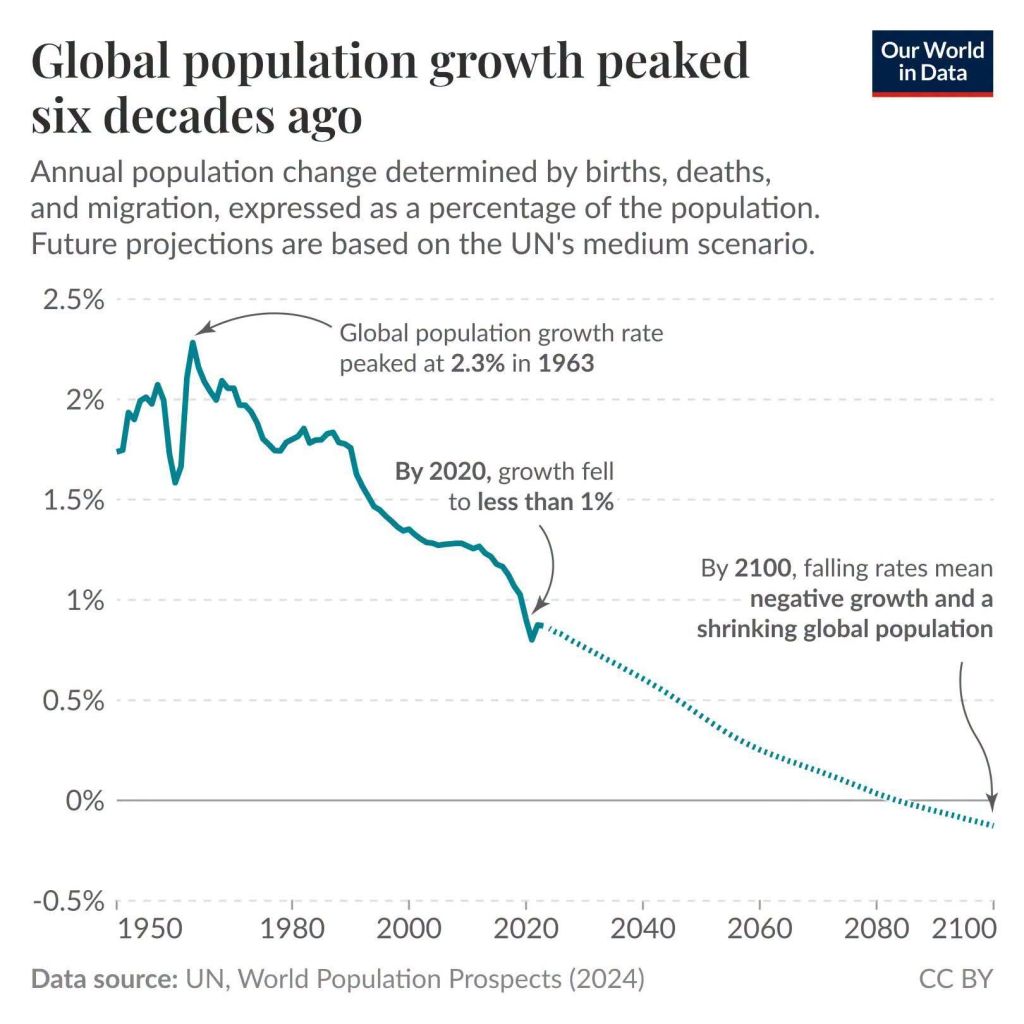
The population bust
05 Aug 2026 Leave a comment
in development economics, economic history, labour economics, labour supply, population economics
My Quillette review of Steve Stewart-Williams’s new book on sex differences in humans
02 Aug 2026 Leave a comment
in discrimination, economics of education, gender, liberalism, Marxist economics Tags: political correctness, regressive left

Steve Stewart-Williams has recently published an informative and readable new book (link at the screenshot just below), and my 4000-word review of it for Quillette just appeared (click second screenshot below for the review): As I implied, my review is laudatory, with only a few (really one) reservations, which is minor. It’s not a “page…
My Quillette review of Steve Stewart-Williams’s new book on sex differences in humans
The Most Depressing Chart about Germany
31 Jul 2026 Leave a comment
in applied price theory, fiscal policy, human capital, labour economics, labour supply, macroeconomics, poverty and inequality, welfare reform Tags: Germany

I’ve used the “most depressing chart” approach when writing about the United States, about Europe, about Japan, and about the western world. Today, let’s focus on Germany. And I’ll start with a caveat. I wrote about Germany earlier this month and that column included several charts that might qualify. Especially the last visual which showed […]
The Most Depressing Chart about Germany
RODNEY HIDE: The Strange New Face of Women’s Empowerment
30 Jul 2026 1 Comment
in discrimination, economics of religion, gender, law and economics, liberalism, Marxist economics Tags: political correctness, regressive left, sex discrimination
Here is a single image that captures the extent to which we are lost. Khadija Patel stands at the Palace of Westminster, recipient of the British Citizen Award 2026 for her “work empowering young women.” She is covered from head to toe. Only her eyes are visible. The official caption celebrates her as a champion…
RODNEY HIDE: The Strange New Face of Women’s Empowerment
New Research Further Confirms Anti-Growth Impact of Wealth Taxation
30 Jul 2026 1 Comment
in applied price theory, economic growth, entrepreneurship, fiscal policy, human capital, income redistribution, labour economics, liberalism, macroeconomics, Marxist economics, poverty and inequality, Public Choice, public economics Tags: taxation and entrepreneurship, taxation and investment, taxation and labour supply

I’ve shared multiple studies about the harmful impact of wealth taxes (see here, here, here, here, and here). Today, let’s add to the body of evidence. I’ll start by calling attention to a column I wrote in 2019 that warned how wealth taxes mean very high – even confiscatory – taxes on saving and investment. […]
New Research Further Confirms Anti-Growth Impact of Wealth Taxation


Recent Comments