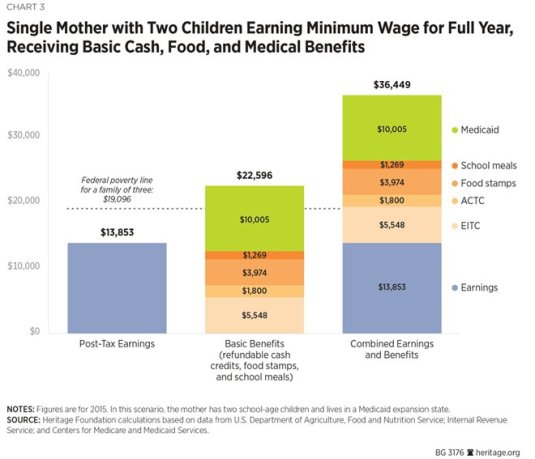
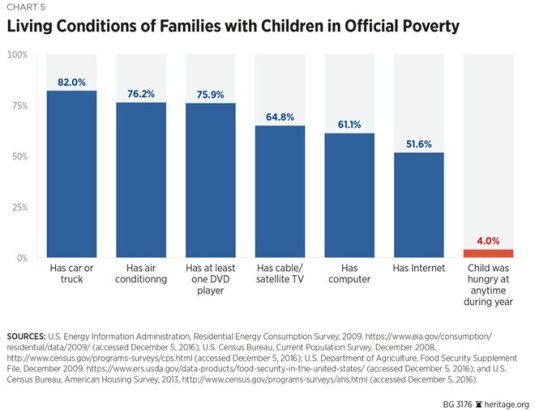
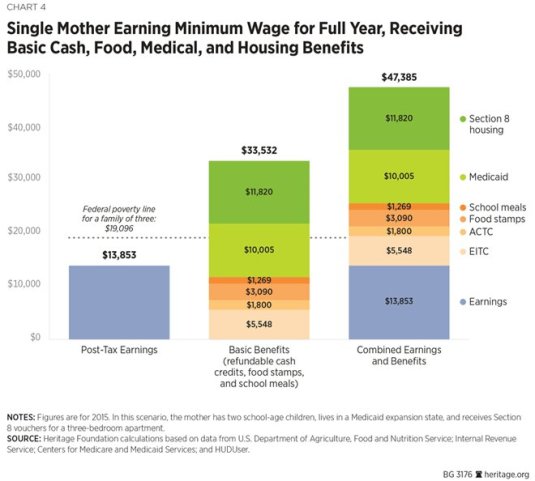
What a difference a targeted welfare state makes to family poverty in America
23 Sep 2017 Leave a comment
Was 75% of Piketty’s class war a measurement error?
18 Sep 2017 Leave a comment
in applied welfare economics, politics - USA, poverty and inequality

Source: “Using Tax Data to Measure Long-Term Trends in U.S. Income Inequality.”
David Splinter and
Gerald Auten. Working paper for the 2017 Annual Meeting of the American Economics Association, 2016.
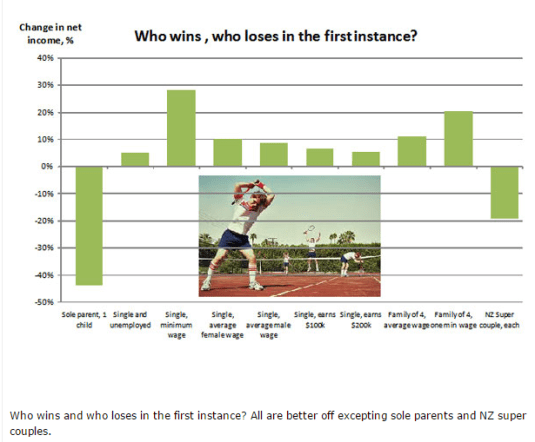
Who loses from Morgan’s #UBI of $11,000?
13 Aug 2017 Leave a comment
in labour economics, politics - New Zealand, poverty and inequality, public economics, welfare reform Tags: 2017 New Zealand election, universal basic income
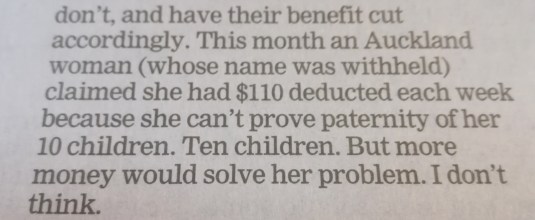
Are the @NZGreens @Metiria ok with mum of 10 not naming father?
27 Jul 2017 Leave a comment
in labour economics, occupational choice, politics - New Zealand, population economics, poverty and inequality Tags: deadbeat dads, expressive voting, New Zealand Greens, single mothers
dav
NZ top 1% should be drummed out of the international ruling class? @EricCrampton
25 Jul 2017 Leave a comment
in applied welfare economics, politics - New Zealand, poverty and inequality
What a poor effort! The US top 1% is going from strength to strength by whatever explanation or conspiracy theory is your poison. The NZ top 1% is failing completely on its job as the ruling class extracting the labour surplus without mercy or pity to immiserise the proletariat just because it thinks that is a viable long-term strategy for its class.

Source: The material wellbeing of NZ households: Overview and Key Findings from the 2017 Household Incomes Report and the companion report using non-income measures (the 2017 NIMs Report) prepared by Bryan Perry, Ministry of Social Development, Wellington, July 2017.
The income share of the New Zealand top 1% has been falling and falling for a long time now. The class struggle has been cancelled in New Zealand. What is a point of the class war if the ruling class is losing and the proletariat winning. Marxists have nothing to whine about.
NZ more homeless than Mexico? @MaxRashbrooke @EricCrampton @tslumley
21 Jul 2017 Leave a comment
in politics - New Zealand, population economics, poverty and inequality Tags: homelessness
https://twitter.com/MPD_NZ/status/887960123259277312

Source: OECD Affordable Housing Database – http://oe.cd/ahd OECD – Social Policy Division – Directorate of Employment, Labour and Social Affairs Last updated on 21/02/2017 HC3.1 HOMELESS POPULATION via http://www.oecd.org/social/affordable-housing-database.htm
Back when I was to evict a drug addict from a rented house and throw him out on the street
18 Jul 2017 Leave a comment
in applied welfare economics, poverty and inequality, urban economics
While feuding with strangers on Facebook, I remembered I sat on the student housing committee as Treasurer of the Tasmanian University Union.

The committee worked very well because when students were defaulting on their rent or otherwise would be difficult, it was common for a member of the committee should know them. They could comment on whether the student was short of money or spending their money on alcohol or drugs often with them at the pub on Friday night. Several of us lived at university colleges so we knew lots of people. I told the committee to come down hard on one defaulting tenant because I knew he was wealthy and he just did not want to pay. He was just trying to on because he did not like to pay bills. We had the same problem with him paying the student club fees at my college.
I had a rather sleepless weekend because on Monday morning it was going to be the job of the committee to go around together and evict a student who refuse to pay his rent and refused to communicate with the housing officer, who was a professional housing officer. On Monday morning, I was greatly relieved to hear that he got in contact so he was not going to be evicted. I was one of several who knew of his drug habit.
My brother-in-law was a youth housing officer at the office of emergency housing in an Australian state. To do his job properly he had to face the world as it is.
He said that the clients he dealt with, the teenagers and so forth, would never be taken in by a private landlord because they do not pay their rent, damage the place and invite all their mates over for parties. He believed everyone should have a house, but he did not pretend they are all model tenants.
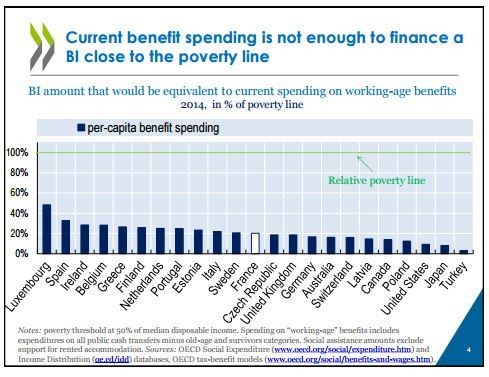
Is a basic income a good idea? IEA
06 Jul 2017 Leave a comment
in applied price theory, applied welfare economics, labour economics, poverty and inequality Tags: UBI, universal basic income
How To Not Be Poor
01 Jul 2017 Leave a comment
in applied price theory, labour economics, poverty and inequality Tags: child poverty, economics of fertility, family poverty, marriage and divorce

 Utopia, you are standing in it!
Recent Comments