TweetProf. Angus Deaton Princeton University Prof. Deaton: Over the years I’ve learned much from your writings, and I regard your 2013 The Great Escape as one of the most important books published in the past 15 years. So I was quite surprised and disappointed to read that you, as you say, are now “much more…
An Open Letter to Nobel-laureate Economist Angus Deaton
An Open Letter to Nobel-laureate Economist Angus Deaton
13 Mar 2024 Leave a comment
in applied price theory, applied welfare economics, Austrian economics, comparative institutional analysis, economic history, entrepreneurship, history of economic thought, income redistribution, international economics, labour economics, labour supply, poverty and inequality, Public Choice, rentseeking, survivor principle, unemployment Tags: creative destruction, free trade, tariffs
What media bias looks like
11 Mar 2024 Leave a comment
in labour economics, labour supply, politics - New Zealand, poverty and inequality, welfare reform Tags: marriage and divorce
Lindsay Mitchell writes – When news media took a pummelling last week at both TVNZ and TV3, a number of critics said part of the reason ratings are poor is the public don’t trust them. The public believe that the media is biased. The print media is similarly suspect. An article in Stuff on Sunday […]
What media bias looks like
Child poverty – complex or simple?
26 Feb 2024 Leave a comment
in applied price theory, applied welfare economics, labour economics, labour supply, politics - New Zealand, poverty and inequality, unemployment, welfare reform Tags: child poverty, family poverty
Question: Do you understand how the child poverty statistics are derived? Clearly some people do not. Last week the latest child poverty statistics were all over the media. But there are a number of misunderstandings that need addressing. Like this one from NewstalkZB’s John MacDonald who wrote: “Living in households that get-by on less than…
Child poverty – complex or simple?
When it comes to lifetime earnings, the most important decision appears to be the choice of college major
25 Feb 2024 Leave a comment
in econometerics, economics of education, human capital, labour economics, labour supply, occupational choice, poverty and inequality Tags: College premium
See Choices and consequences in the real “game of life”: From falling in with “bad apples” to choosing a major, economists decipher how early decisions shape long-term outcomes by Jeff Horwich, Senior Economics Writer for the Federal Reserve Bank of Minneapolis. Excerpt:”The research on Minnesota students from Nath, Borovičková, and Leibert (discussed above) finds that while…
When it comes to lifetime earnings, the most important decision appears to be the choice of college major
Bari Weiss interviews Roland Fryer
22 Feb 2024 Leave a comment
in applied price theory, discrimination, econometerics, economic history, economics of crime, economics of education, human capital, labour economics, labour supply, law and economics, occupational choice, politics - USA, poverty and inequality Tags: academic bias, crime and punishment, free speech, law and order, political correctness, racial discrimination, regressive left
A lot of readers and heterodox colleagues have sent me this link to Bari Weiss’s interview with Harvard economics professor Roland G. Fryer, Jr., often accompanied by big encomiums. Despite my unwillingness to watch long videos, I did watch all 77 minutes of it. Unfortunately, I wasn’t mesmerized, or even much interested. There are interesting […]
Bari Weiss interviews Roland Fryer
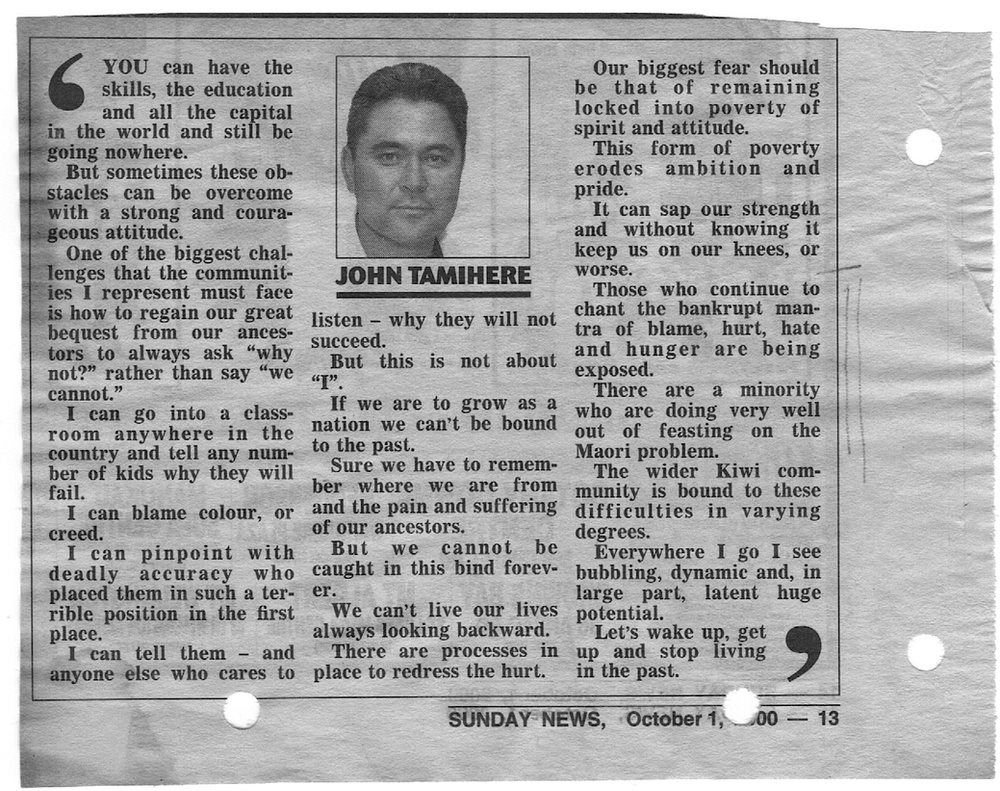
John Tamihere – Why did he change?
18 Feb 2024 Leave a comment
in discrimination, economic history, economics of education, human capital, labour economics, labour supply, occupational choice, politics - New Zealand, poverty and inequality Tags: New Zealand, racial discrimination
Pay Transparency: What’s Good to Know?
15 Feb 2024 Leave a comment
in discrimination, econometerics, gender, human capital, labour economics, labour supply, occupational choice, poverty and inequality Tags: gender wage gap

In some countries, like Norway, your income tax forms are public information, so any one can look up what anyone else earns. In a US context, income is mostly considered to be private information, unless you are a public employee or an executive at a public company. Would it be a good thing to have…
Pay Transparency: What’s Good to Know?
Alice Evans on the ideological gender divide
13 Feb 2024 Leave a comment
in discrimination, economics of education, gender, health and safety, human capital, labour economics, labour supply, occupational choice, poverty and inequality Tags: evolutionary biology, evolutionary psychology, gender wage gap, sex discrimination
I suggest, Men and women tend to think alike in societies where there is Close-knit interdependence, religosity and authoritarianism, or Shared cultural production and mixed gendered offline socialising. Gendered ideological polarisation appears encouraged by: Feminised public culture Economic resentment Social media filter bubbles Cultural entrepreneurs. Here is the full piece, currently the best piece on […]
Alice Evans on the ideological gender divide
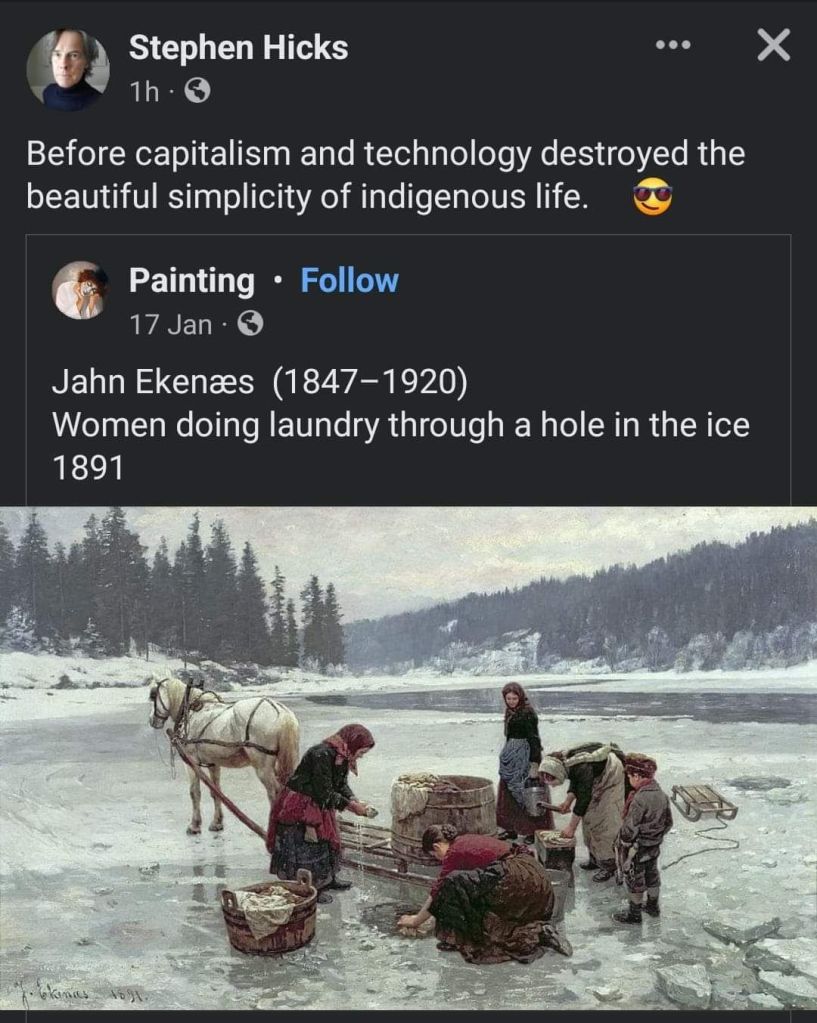
The Great Fact
10 Feb 2024 Leave a comment
in development economics, economic growth, economic history, gender, growth miracles, macroeconomics, poverty and inequality Tags: The Great Enrichment, The Great Fact
My TLS essay on the Clinton administration
10 Feb 2024 Leave a comment
in human capital, labour economics, labour supply, poverty and inequality, welfare reform
Here is the link, I am reviewing a bad book on the Clinton administration (A Fabulous Failure, by Lichtenstein and Stern). Here is one excerpt: Clinton-era welfare reform is another area where many commentators go astray, and Lichtenstein and Stein are no exception. The Clinton pronouncement “I have a plan to end welfare as we […]
My TLS essay on the Clinton administration
LINDSAY MITCHELL: Labour hid developing welfare crisis
08 Feb 2024 Leave a comment
in applied price theory, economics of education, gender, human capital, labour economics, labour supply, occupational choice, politics - New Zealand, poverty and inequality, welfare reform Tags: child poverty, family poverty
Lindsay Mitchell writes- When National became government in 2008, Finance Minister Bill English’s determination to understand the extent of benefit-dependency led them to commission Taylor Fry to produce annual actuarial reports. These were duly published at the MSD website every year but ceased when the government changed in 2017. Now however, an Official Information request […]
LINDSAY MITCHELL: Labour hid developing welfare crisis
*The Case Against Education* Makes the WSJ
01 Feb 2024 Leave a comment
in applied price theory, econometerics, economics of education, economics of information, human capital, labour economics, labour supply, occupational choice, poverty and inequality Tags: screening, signaling

Douglas Belkin, who has an admirably adversarial publication record on higher ed, spotlights my The Case Against Education in his latest piece in The Wall Street Journal:One result of this transactional attitude has been a sharp increase in cheating. College is one of the few products whose consumers try to get as little out of…
*The Case Against Education* Makes the WSJ
Unfettered: Fishback 25 Years Later
17 Jan 2024 Leave a comment
in applied price theory, discrimination, economic history, economics of information, economics of regulation, health and safety, history of economic thought, human capital, industrial organisation, international economics, labour economics, labour supply, liberalism, macroeconomics, Marxist economics, minimum wage, occupational choice, occupational regulation, poverty and inequality, unemployment, unions
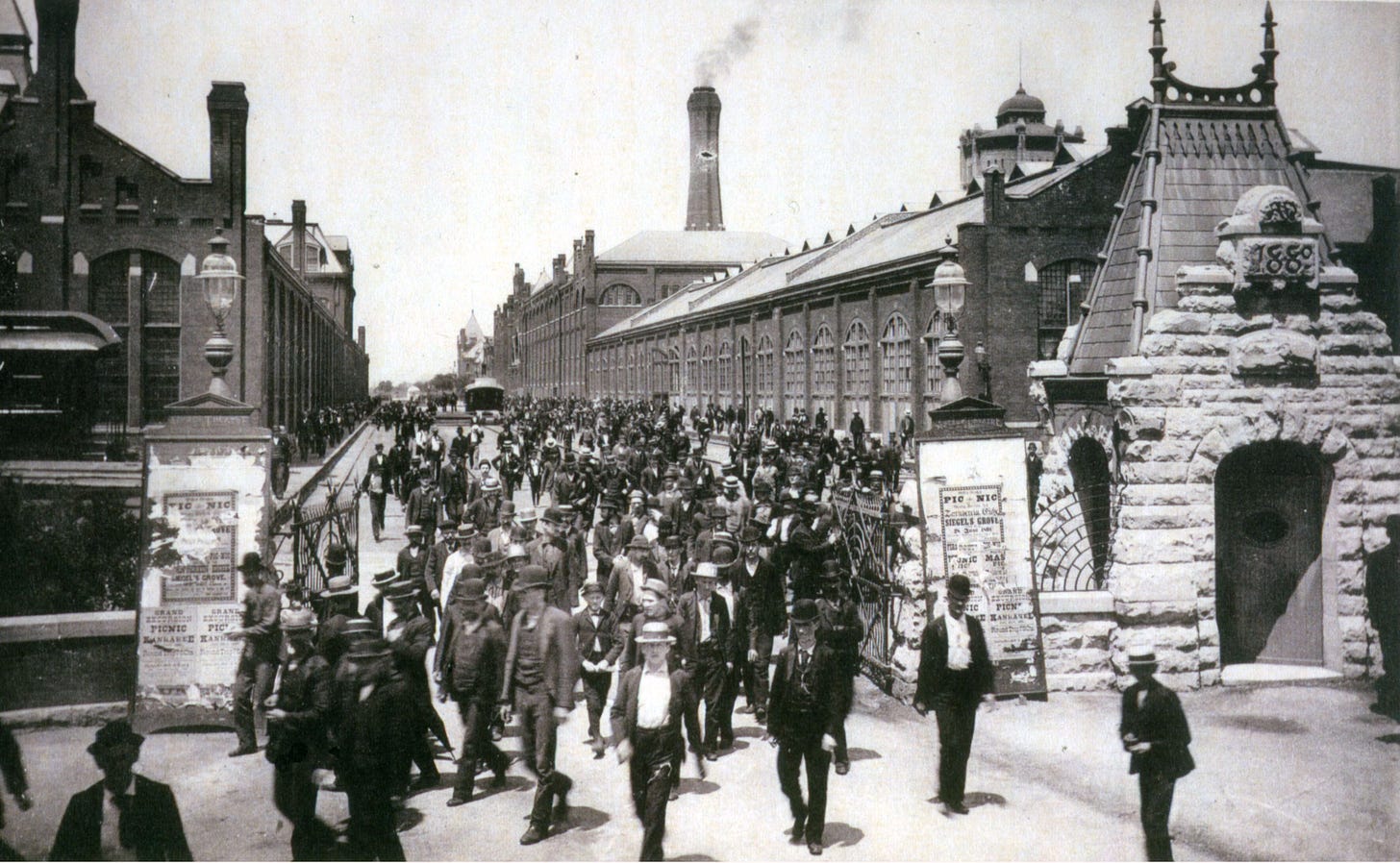
A quarter century ago, economist Price Fishback published “Operations of ‘Unfettered’ Labor Markets: Exit and Voice in American Labor Markets at the Turn of the Century” in the prestigious Journal of Economic Literature. Fishback’s article is packed with insight… and understatement. But let’s back up. Virtually every standard history textbook describes U.S. labor markets before…
Unfettered: Fishback 25 Years Later
The Right and Wrong Way to Reduce Poverty, Part II
16 Jan 2024 Leave a comment
in applied price theory, economic history, human capital, income redistribution, labour economics, labour supply, occupational choice, politics - USA, poverty and inequality, Public Choice, public economics, welfare reform Tags: child poverty, family poverty
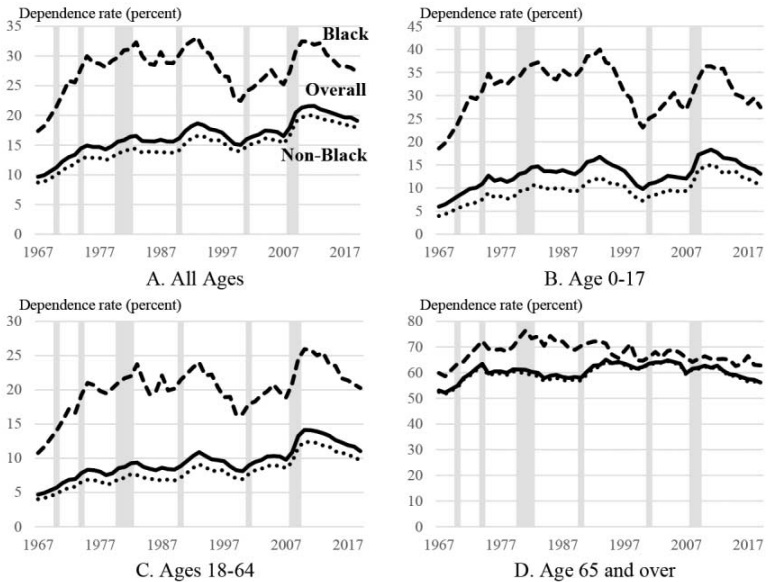
In Part I of this series, I explained that the War on Poverty, launched by Lyndon Johnson and expanded by other profligate presidents, has been bad news for both taxpayers and poor people. More specifically, I shared some academic research showing how it led to a big increase in dependency on government. Let’s expand on […]
The Right and Wrong Way to Reduce Poverty, Part II
Family leave and the gender wage gap
16 Jan 2024 Leave a comment
in applied price theory, discrimination, econometerics, economic history, gender, human capital, labour economics, labour supply, occupational choice, poverty and inequality Tags: economics of fertility, family leave, gender wage gap, marriage and divorce, sex discrimination

The gender wage gap has been decreasing slowly and steadily over time. At least, that’s what I thought until I read this 2023 NBER Working Paper by Peter Blair (Harvard University) and Benjamin Posmanick (St. Bonaventure University). They present the following graph of the gender wage gap in the US (for White women, compared with White men,…
Family leave and the gender wage gap
 Utopia, you are standing in it!
Recent Comments