The 2026 Salvation Army State of the Nation Report revealed their official conversion to wokeism by repeatedly finding excuses for Maori over-representation in poor social stats because of victimisation through colonisation. This caused a number of readers to ponder future contributions to the organisation. But it isn’t just this development that should concern donors. The…
LINDSAY MITCHELL: HOW THE SALLIES HAVE EVOLVED TO BECOME PART OF THE PROBLEM
LINDSAY MITCHELL: HOW THE SALLIES HAVE EVOLVED TO BECOME PART OF THE PROBLEM
28 Feb 2026 Leave a comment
in discrimination, economics of crime, economics of education, labour economics, law and economics, politics - New Zealand, welfare reform Tags: Maori economic development, racial discrimination
Reflections on the Caplan-Bruenig Poverty Debate
09 Jan 2026 Leave a comment
in applied price theory, history of economic thought, labour economics, labour supply, liberalism, libertarianism, Marxist economics, politics - USA, poverty and inequality, welfare reform Tags: child poverty, family poverty
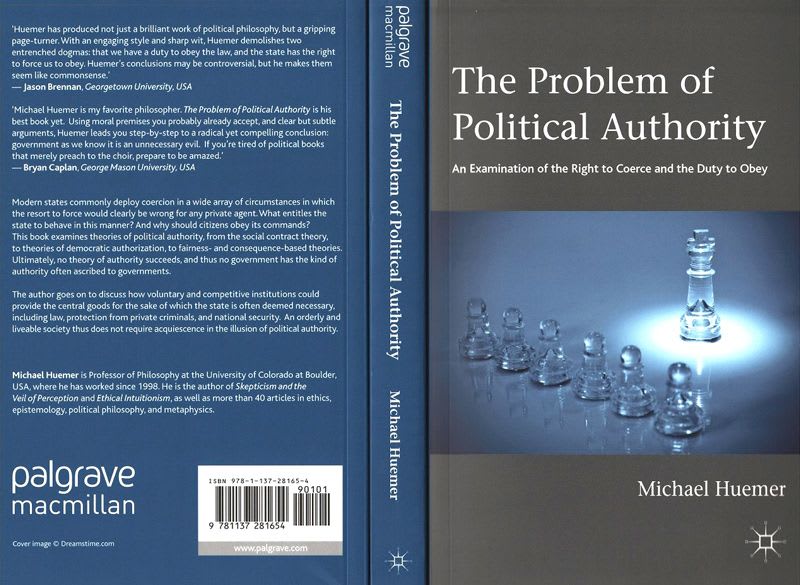
Last month, Econoboi hosted a debate on poverty between myself and Matt Bruenig. Here are my reflections on that debate.I was pleasantly surprised by Bruenig’s openness to most of my proposed supply-side reforms. He wasn’t just pro-immigration, but also pro-deregulation of housing and pro-nuclear. He was happy to admit that these policies aren’t just good…
Reflections on the Caplan-Bruenig Poverty Debate
Canada fact of the day
29 Dec 2025 Leave a comment
in applied price theory, development economics, labour economics, labour supply, poverty and inequality, welfare reform Tags: Canada
Since 2015, Canada has tripled its Indigenous spending – paying more than on national defense. Over those same years, Indigenous people have suffered a catastrophic collapse in health and well-being: on average almost a full decade of lost life expectancy. That is from David Frum. The post Canada fact of the day appeared first on…
Canada fact of the day
The Great Means-Testing Debate
05 Dec 2025 Leave a comment
in applied price theory, history of economic thought, human capital, labour economics, labour supply, Milton Friedman, occupational choice, poverty and inequality, unemployment, welfare reform
Nine years ago, I critically analyzed the Cohen-Friedman debate on means-testing Social Security. Only recently, though, did I find the original footage from 1971. As far as I know, this is the first time that any prominent social scientist made the “A program only for the poor will always be a poor program” argument that…
The Great Means-Testing Debate
My Econoboi Poverty Debate vs. Matt Bruenig
04 Dec 2025 Leave a comment
in applied price theory, human capital, labour economics, labour supply, occupational choice, politics - USA, poverty and inequality, welfare reform Tags: child poverty, family poverty, social insurance
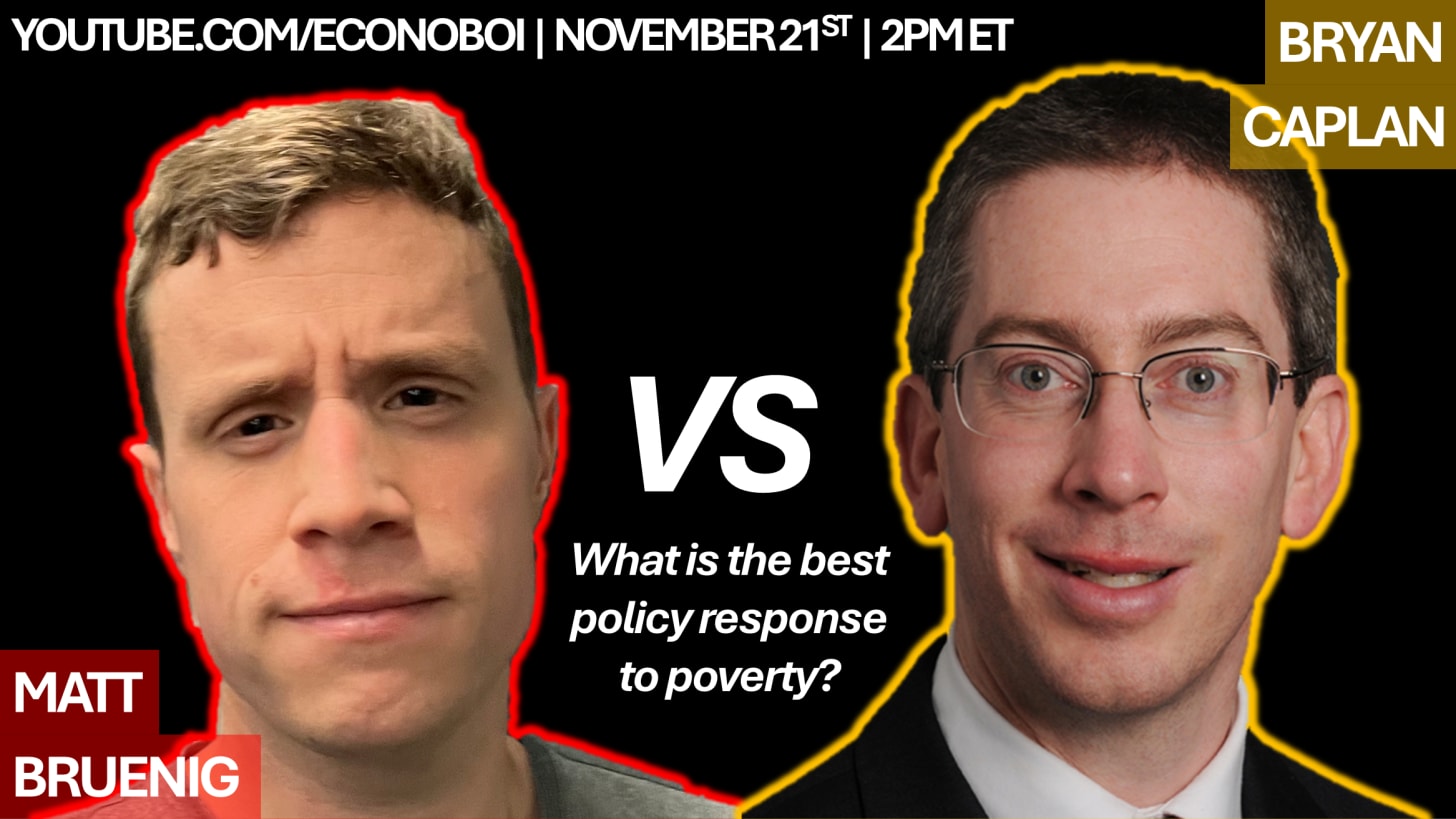
Tomorrow at 2 PM ET, I’ll be debating “What is the best policy response to poverty?” versus Matt Bruenig. Venue: Econoboi channel P.S. You might recall that… 9 more words
My Econoboi Poverty Debate vs. Matt Bruenig
US Poverty and Policy
01 Dec 2025 Leave a comment
in applied price theory, labour economics, politics - USA, poverty and inequality, welfare reform Tags: child poverty, family poverty

The US economy is the largest in the world, and at least among the large-population countries of the world (setting aside smaller economies strongly influenced by international capital flows like Monaco, Cayman Islands, and Ireland or by oil resources), it also has the highest per capita GDP. But at the same time, according to the…
US Poverty and Policy
The Adverse Consequences of High-Tax Welfare States
22 Nov 2025 Leave a comment
in economic growth, fiscal policy, labour economics, labour supply, macroeconomics, welfare reform

Honest leftists (the “Okunites“) generally acknowledge that laissez-faire policies deliver more growth, but they nonetheless favor high taxes and redistribution because they argue that social equality matters a lot. However, according to this chart, there’s a negative relationship between bigger government and social welfare indicators such as health, education, unemployment, and exclusion. Looking specifically at […]
The Adverse Consequences of High-Tax Welfare States
Is the earned income tax overrated?
09 Oct 2025 Leave a comment
in applied price theory, economics of education, human capital, income redistribution, labour economics, labour supply, occupational choice, Public Choice, public economics, welfare reform Tags: taxation and labour supply
This policy has been so popular with economists on a bipartisan basis, yet a recent piece in ReStud raises some doubts, as the wage subsidies induce many to drop out of school: As a complement to the federal earned income tax credit (EITC), some states offer their own EITC, typically calculated as a percentage of […]
Is the earned income tax overrated?
Moving on Up
18 Sep 2025 Leave a comment
in applied price theory, economics of education, human capital, labour economics, poverty and inequality, welfare reform
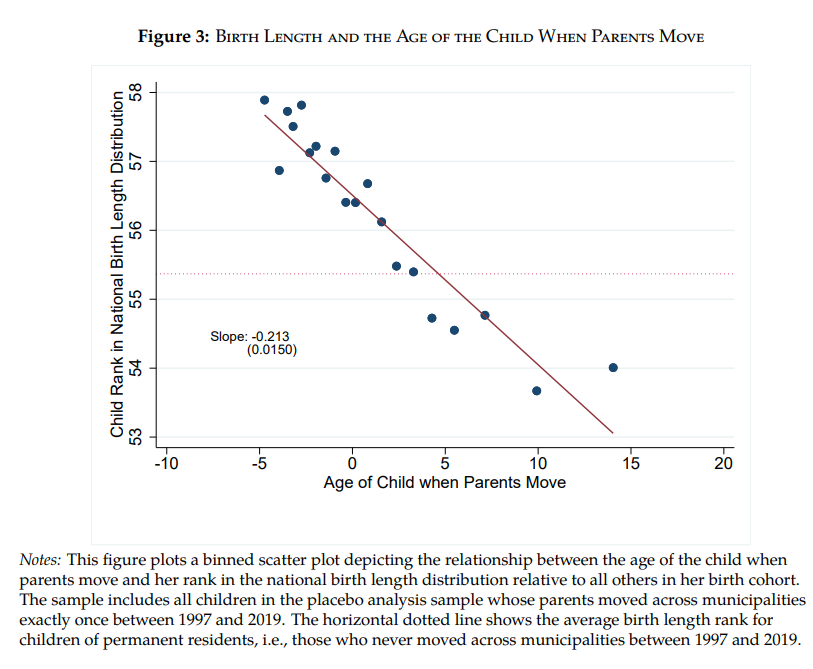
James Heckman and Sadegh Eshaghnia have launched a broadside in the WSJ against the Chetty-Hendren paper The Impacts of Neighborhoods on Intergenerational Mobility I: Childhood Exposure Effects. It’s a little odd to see this in the WSJ but since the Chetty-Hendren paper has been widely reported in the media, I suppose this is fair game. […]
Moving on Up
Why I disagree with Helen Clark
20 Aug 2025 1 Comment
in economics of education, labour economics, labour supply, liberalism, Marxist economics, politics - New Zealand, poverty and inequality, Public Choice, welfare reform Tags: child poverty, family poverty
According to the NZ Herald this morning: “Former Prime Minister Helen Clark has described the departure of former Prime Minister Jacinda Ardern from politics as “devastating for women around the world”.” Not this one. But then very little devastates me beyond the loss of a loved person or pet. Or dwelling on the suffering of…
Why I disagree with Helen Clark
Why the accommodation supplement does little to help low-income tenants
04 Aug 2025 1 Comment
in applied price theory, income redistribution, labour economics, Public Choice, welfare reform

In an article in The Conversation earlier this year, Edward Yiu and William Cheung (both University of Auckland) discuss New Zealand’s accommodation supplement for low-income renters:New Zealand’s unaffordable housing market has left many low and middle-income families reliant on the accommodation supplement to cover rent and mortgage payments.But our new research has found the scheme,…
Why the accommodation supplement does little to help low-income tenants
Who relies most heavily on welfare?
06 Jul 2025 Leave a comment
in labour economics, labour supply, politics - New Zealand, poverty and inequality, welfare reform Tags: social insurance

This short piece is a partial answer to the question posed. It addresses the ‘who’ but not the ‘why’.The following chart uses Census data from Statistics NZ and benefit data from MSD. Both sets are from March 2023.At that time there were 345,417 individuals reliant on a main benefit which primarily comprised Jobseeker (formerly Unemployment…
Who relies most heavily on welfare?
Guest Post: NEW ZEALAND’s RETIREMENT PENSION
17 Feb 2025 Leave a comment
in budget deficits, fiscal policy, income redistribution, labour economics, labour supply, macroeconomics, politics - New Zealand, Public Choice, public economics, welfare reform Tags: ageing society
A guest post by Sir Roger Douglas: Michael Littlewood’s ‘Guest Post’ for David Farrar on pensions, and his belief that our social welfare system is fit for purpose and doesn’t need change, reminded me of why New Zealand is currently well on the way to bankruptcy, and why our brightest young people are leaving the […]
Guest Post: NEW ZEALAND’s RETIREMENT PENSION
Bad leaders solicit bad advice
16 Jan 2025 1 Comment
in applied price theory, econometerics, economic history, human capital, labour economics, labour supply, politics - New Zealand, poverty and inequality, unemployment, welfare reform Tags: child poverty, family poverty
When Jacinda Ardern became Prime Minister, she was determined to increase income for children in welfare-dependent families – her magic bullet for solving child poverty. The Welfare Expert Advisory Group, led by Cindy Kiro, was convened to make the desired recommendations. A number of evidence briefs were provided to the group, one concerned the “likely…
Bad leaders solicit bad advice
 Utopia, you are standing in it!
Recent Comments