The History of Marriage
10 Oct 2017 Leave a comment
in economic history, economics of love and marriage, law and economics Tags: marriage and divorce
Young single mums are no fools
04 Oct 2017 Leave a comment
in economics of love and marriage, welfare reform

Source: What If Everything You Knew About Poverty Was Wrong? – Mother Jones from Doing the Best I Can: Fatherhood in the Inner City.
John Cleese on his relationships with women
23 May 2017 2 Comments
in economics of love and marriage Tags: John Cleese
ASSORTATIVE MATING OR GLASS CEILING?
22 May 2017 Leave a comment
in discrimination, economics of love and marriage, gender, human capital, labour economics, labour supply, occupational choice Tags: assortative mating, dating market, gender wage gap, glass ceiling
John Cleese: How to get rich
15 May 2017 Leave a comment
in economics of love and marriage Tags: John Cleese
How Dating Became a Lopsided Numbers Game | Jon Birger and Stefan Molyneux
13 May 2017 Leave a comment
in economics of love and marriage, labour economics Tags: dating market
Economists discover white lies when women are still in dating market made up of high-powered professionals
09 May 2017 Leave a comment
in discrimination, economics of love and marriage, gender, labour economics, occupational choice Tags: dating market, marriarge and divorce
A gendered division of labour and household effort
30 Apr 2017 Leave a comment
in discrimination, economics of love and marriage, gender, labour economics, labour supply Tags: gender gap, gender wage gap, household production, housework, leisure time, marriage and divorce
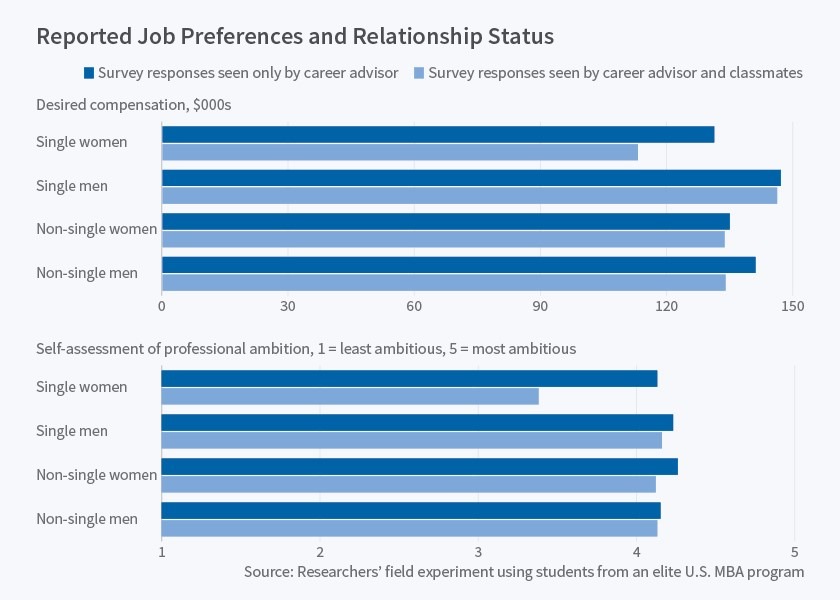
A major factor driving the gendered division of labour and household effort is technology. Tiny differences in comparative advantage such as in child rearing immediately after birth can lead to large differences in specialisation in the market work and in market-related human capital and home production related work and household human capital (Becker 1985, 1993).
These specialisations are reinforced by learning by doing where large differences in market and household human capital emerge despite tiny differences at the outset (Becker 1985, 1993). This gendered division of labour and household effort is hard to change because large payments must be made to influence choices about care giving by highly specialised people with large but different accumulations of market and household human capital.
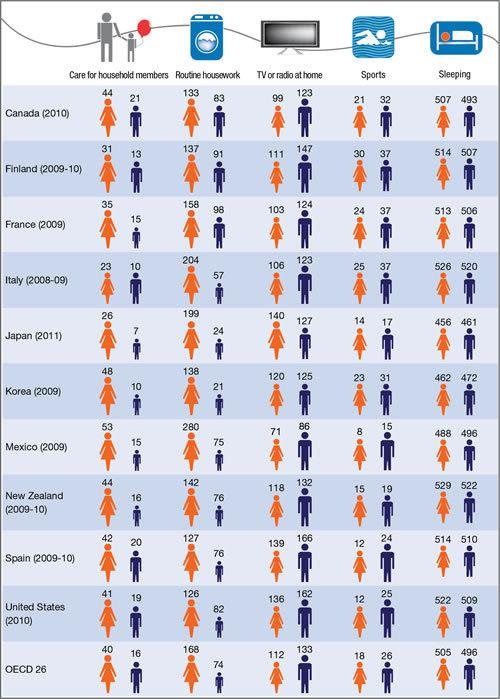
From a luck egalitarian perspective, many of the differences in earnings and occupations flow accidents of birth in deciding gender and who parents might be. Social inequalities that flow from brute bad luck call for interventions to put them right, if they work.
Many laws already make up for brute bad luck such as job protections while on maternity leave, and government funded parental leave pay and child care subsidies. Employers can do little to redress these accidents of birth nor do they have sufficient resources to put them right. For this reason, for example, parental leave pay is usually taxpayer funded rather than employer funded.
…
Passive Aggressive Relationship Techniques – Ultra Spiritual Life episode 57
27 Apr 2017 Leave a comment
in economics of love and marriage, economics of media and culture Tags: dating market, marriage and divorce
The dark underbelly of the signalling value of engagement rings
19 Apr 2017 Leave a comment
in discrimination, economics of love and marriage, gender, human capital, labour economics, labour supply, occupational choice, television Tags: asymmetric marriage premium, comparable worth, dating markets, gender, marriage and divorce, Seinfeld, signalling

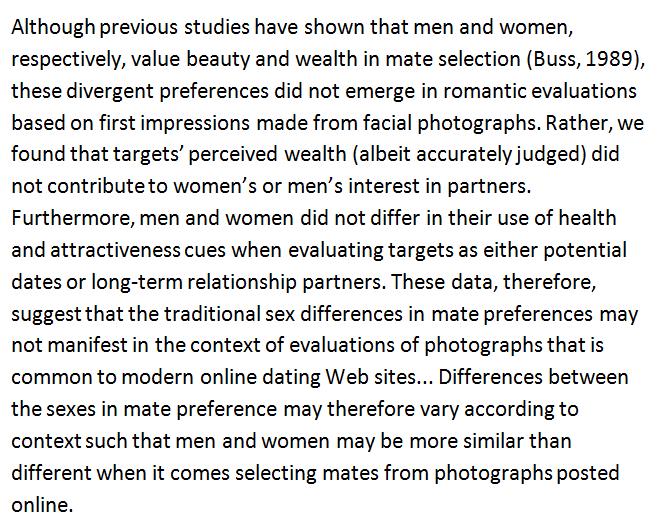
The new era of segregation
07 Mar 2017 Leave a comment
in economics, economics of love and marriage, human capital, labour economics, labour supply, occupational choice Tags: assortative mating
I once saw a lady in the burqa holding hands with her husband
23 Feb 2017 Leave a comment
in economics of love and marriage, liberalism
When some Malaysian and Indonesian Muslim classmates were living in Japan, they just got used to the fact they had to shake people’s hands including men and women shaking each other’s hands. They realise that Westerners would find it unfriendly not to do so.
When I was holidaying in Malaysia, I did not go around trying to shake people’s hands because that is just not their way of interacting.
I never bowed to anyone in Japan either. Japanese accepted handshaking because they knew bowing was just not something that Westerners could live with given their liberated upbringings.
Malaysian holiday resorts are interesting because you can see women in bikinis standing next to women in those burkas that the apologists for Muslim social backwardness say liberate women even more.

Burkas were made of the finest materials. The Malaysia ladies did not wear something as conservative but they were highly colourful as well.
All the latest fashion accessories and jewellery was worn by those in burqas.
I even saw a woman in a burqa holding her husband’s hand while queueing. I did take any photos of this because I thought that was rude. You must remember the manners mother taught you including not making other people feel awkward.



Recent Comments