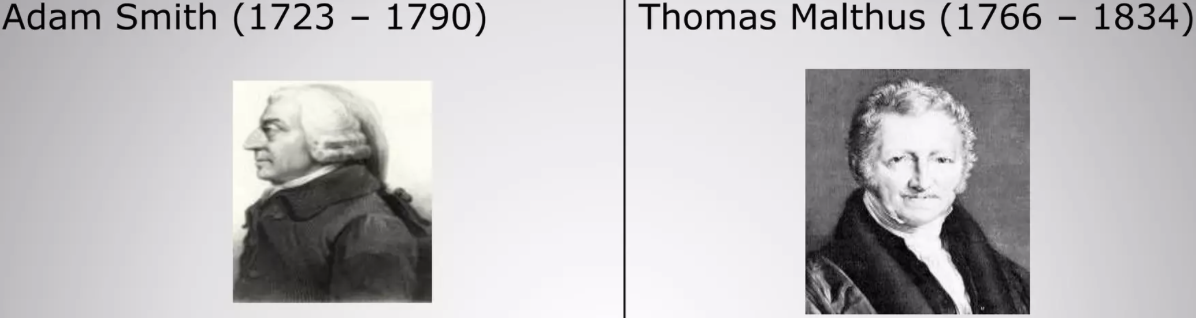
Tweet… is from page 53 of the late, great Harold Demsetz’s excellent 2008 book, From Economic Man to Economic System: Adam Smith and Thomas Malthus differed in their forecasts of mankind’s future. Smith (1776), in his Wealth of Nations, offered an optimistic view, basing this on his understanding of the new economic system that began…
We live in a society utterly confused about parenthood and the role of fathers. The last Labour government made fathers increasingly irrelevant. In 2020 a law change repealing section 70a of the Social Security Act meant mothers applying for a sole parent benefit no longer had to name the father of their child for the…
Six months ago, I’m not sure that I’d ever heard of demographer Lyman Stone. Now, people in my circles randomly drop his name on a weekly basis. His favorite topic, in case you haven’t heard, is global fertility decline. As a longtime natalist, I share his concerns. One of Stone’s top takeaways: Instead of talking…
New research finds couples are more likely to move for a job when it benefits the man, even when the woman’s career stands to benefit more by movingBy Dalvin Brown of The WSJ. Excerpts:”Couples are moving again for better job opportunities. They are more likely to make those moves when the husband’s earnings stand to…
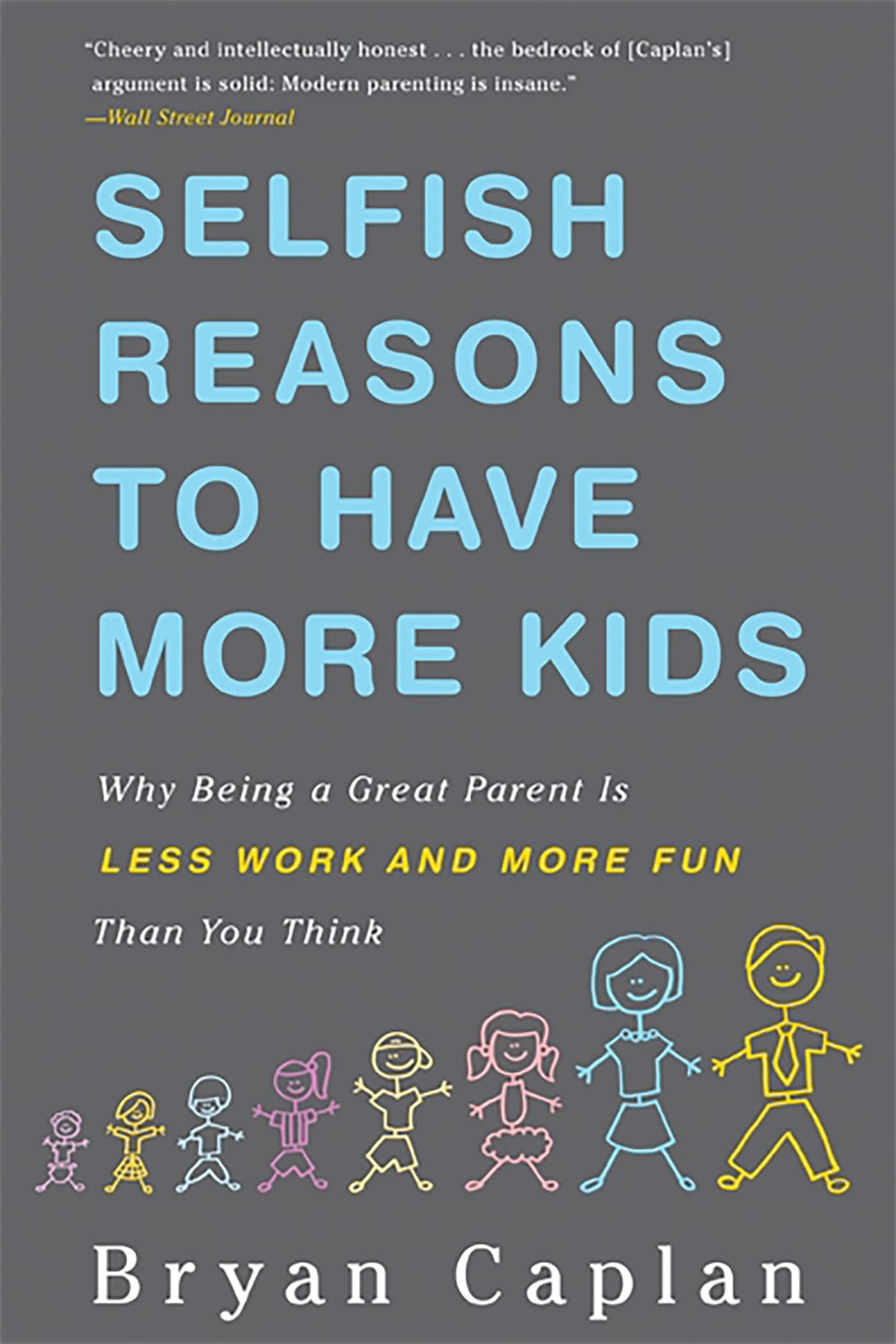
Bryan Caplan will feel vindicated: This paper asks whether universal pre-kindergarten (UPK) raises parents’ earnings and how much these earnings effects matter for evaluating the economic returns to UPK programs. Using a randomized lottery design, we estimate the effects of enrolling in a full-day UPK program in New Haven, Connecticut on parents’ labor market outcomes […]
George Mason Professor Bethany Letiecq is at the center of a firestorm of controversy over his article in the Journal of Marriage and Family declaring that the institution of marriage plays a key role in white supremacy. In considering what she labels “marriage fundamentalism,” Letiecq lashes out at the “two-parent married family” model. It is the […]
In the last few years, especially after I started writing for this blog, I got more than a few comments about the need for bi-partisanship, not hating out ideological, let alone political opponents. What was notable about this was that they all came from the Right of the political spectrum. The Left seem quite happy […]
Ireland’s effort to remove old-fashioned family values from its constitution suffered a double defeat Saturday as voters rejected the amendments on offer as maddeningly vague and threatening to property rights… In final results announced Saturday night, the amendment to change the constitutional definition of family was rejected by 67.7 percent of voters. The proposed changes […]
Catherine remained in limbo until Parliament introduced on January 29, 1542 a Bill of Attainder, which was passed on February 7, 1542. The Royal Assent by Commission Act 1541 made it treason, and punishable by death, for a Queen Consort to fail to disclose her sexual history to the king within 20 days of their […]
Correlations between spouses Extraversion: r= .005Neuroticism: .082Height: .227Weight: .154Education: .5Political party: .6 “Mates tend to be positively but weakly concordant on personality and physical traits, but concordance of political attitudes is extremely high” pic.twitter.com/BmdpySfakh — Rob Henderson (@robkhenderson) February 10, 2024
Why Evolution is True is a blog written by Jerry Coyne, centered on evolution and biology but also dealing with diverse topics like politics, culture, and cats.
“We do not believe any group of men adequate enough or wise enough to operate without scrutiny or without criticism. We know that the only way to avoid error is to detect it, that the only way to detect it is to be free to inquire. We know that in secrecy error undetected will flourish and subvert”. - J Robert Oppenheimer.



 Utopia, you are standing in it!
Recent Comments