2019 David Friedman Talk How Libertarians can be successful in the current political climate
05 Mar 2019 Leave a comment
in applied price theory, David Friedman, economics of crime, law and economics, politics - USA, property rights, Public Choice
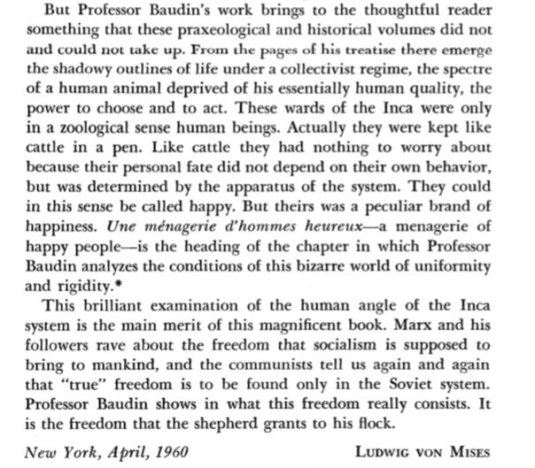
Mises on the socialism of the Incas
05 Mar 2019 Leave a comment
in applied price theory, Austrian economics, comparative institutional analysis, development economics, economic history, industrial organisation, labour economics, law and economics, Ludwig von Mises, Marxist economics, property rights
Ronald Coase’s Theory of the Firm and the Family
05 Mar 2019 Leave a comment
in applied price theory, comparative institutional analysis, economics of information, economics of love and marriage, law and economics, property rights, Ronald Coase, theory of the firm Tags: marriage and divorce
10 Strange Crimes Committed By Diplomats
04 Mar 2019 Leave a comment
in economics of crime, International law, law and economics, politics - USA, property rights
The Coase Theorem
04 Mar 2019 Leave a comment
in applied price theory, applied welfare economics, comparative institutional analysis, economics of regulation, environmental economics, history of economic thought, industrial organisation, law and economics, property rights, Ronald Coase Tags: Coase theorem
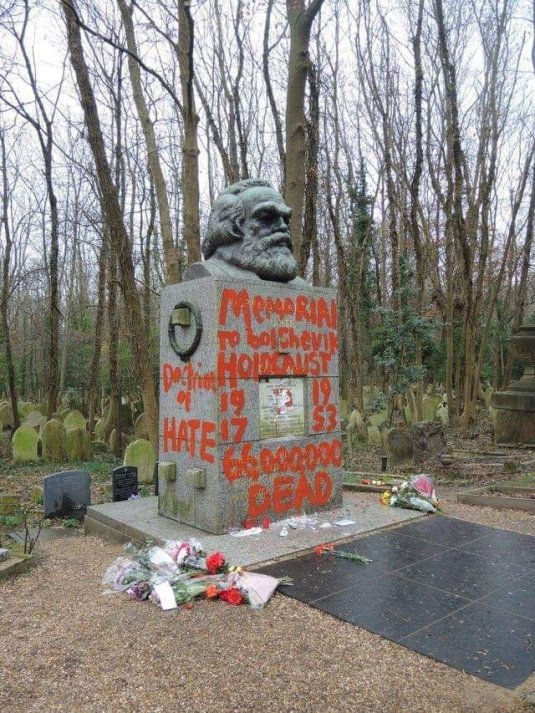
No respect for private property
01 Mar 2019 Leave a comment
in law and economics, Marxist economics, property rights
Gangs in Control of American Prisons: “The Social Order of the Underworld”
28 Feb 2019 Leave a comment
in applied price theory, comparative institutional analysis, constitutional political economy, economics of bureaucracy, economics of crime, law and economics, property rights, Public Choice Tags: crime and punishment, law and order
Why are GMOs Bad? @SciShow
25 Feb 2019 Leave a comment
in development economics, economics of education, economics of information, economics of regulation, environmental economics, fisheries economics, health economics, law and economics, politics - Australia, politics - New Zealand, politics - USA, property rights, Public Choice, rentseeking Tags: anti-GMO movement, Anti-Science left, pessimism bias
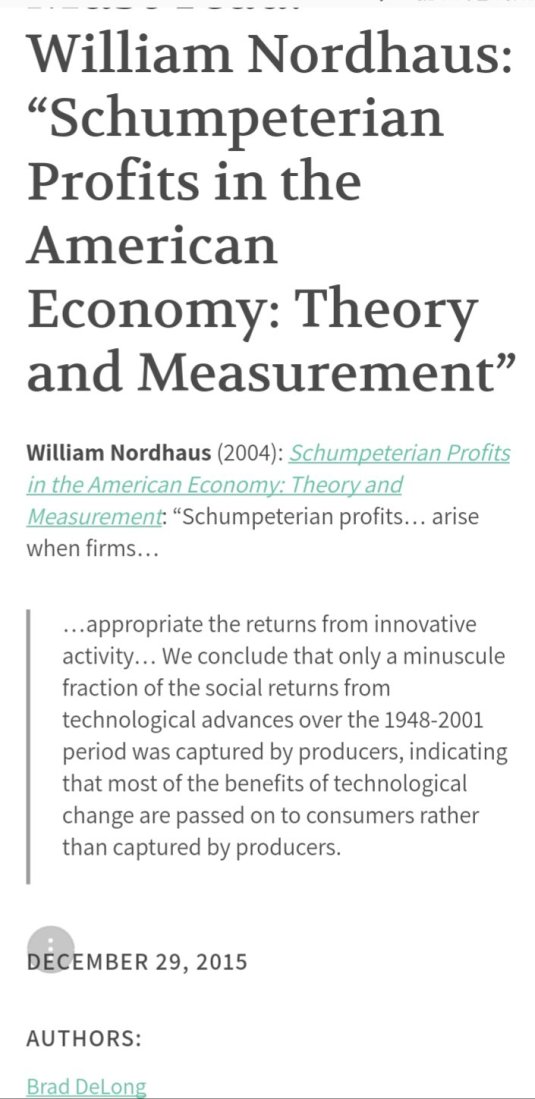
.@equitablegrowth posted this FYI @AOC @SenSanders on every billionaire is a policy failure
22 Feb 2019 Leave a comment
in economic history, entrepreneurship, financial economics, industrial organisation, politics - USA, property rights, public economics, rentseeking Tags: creative destruction, The Great Enrichment
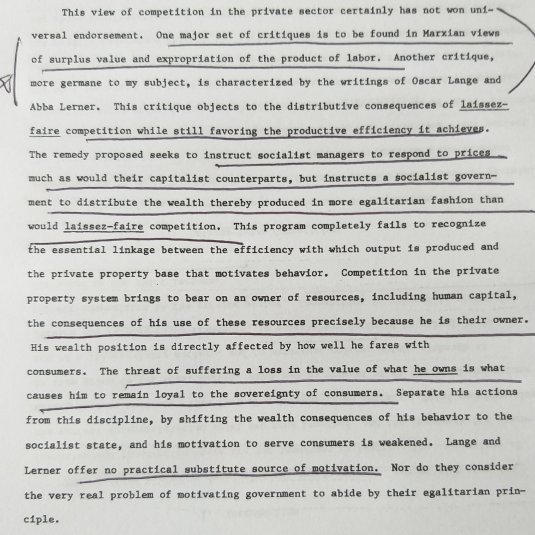
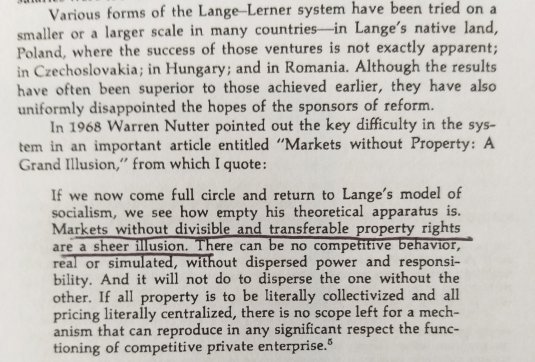
Demsetz on market socialism
17 Feb 2019 Leave a comment
in applied price theory, comparative institutional analysis, entrepreneurship, financial economics, industrial organisation, Marxist economics, property rights, survivor principle, theory of the firm Tags: economics of socialism
Thomas Sowell on the second edition of Intellectuals and Society
17 Feb 2019 Leave a comment
in applied price theory, discrimination, economics of information, economics of media and culture, economics of regulation, history of economic thought, labour economics, law and economics, politics - USA, property rights, Public Choice, Thomas Sowell
Milton Friedman on the flaws of market socialism
16 Feb 2019 Leave a comment
in applied price theory, comparative institutional analysis, entrepreneurship, financial economics, industrial organisation, law and economics, Marxist economics, Milton Friedman, property rights, survivor principle Tags: economics of socialism
Caplan/Boettke Debate Austrian Economics 4/13
10 Feb 2019 Leave a comment
in applied price theory, Austrian economics, development economics, economic history, economics of information, economics of regulation, entrepreneurship, F.A. Hayek, growth disasters, history of economic thought, industrial organisation, labour economics, law and economics, Marxist economics, property rights, survivor principle
Does Fractional Reserve Banking Endanger the Economy? A Debate
10 Feb 2019 Leave a comment
in Austrian economics, business cycles, economic growth, Euro crisis, great depression, great recession, law and economics, macroeconomics, monetary economics, property rights Tags: Austrian business cycle theory, free banking


Recent Comments