Lyric Waiwiri-Smith at The Spinoff asked me what I thought the options might be for dealing with rising superannuation costs. Her story’s here, along with comment from Max Rashbrooke and Shamubeel Eaqub. My most-preferred option is ongoing increases in immigration rates, coupled with shifting to CPI-indexation of super benefits and indexing the age of eligibility to healthy…
Superannuation affordability options
Superannuation affordability options
09 Jun 2026 Leave a comment
in economic growth, fiscal policy, income redistribution, labour economics, labour supply, macroeconomics, politics - New Zealand, Public Choice, public economics Tags: ageing society, economics of immigration, population bust
Europe’s War on Wealth
29 May 2026 Leave a comment
in applied price theory, economic growth, economic history, fiscal policy, income redistribution, industrial organisation, labour economics, labour supply, macroeconomics, occupational choice, P.T. Bauer, poverty and inequality, Public Choice, public economics Tags: European Union

Given the relative economic weakness that plagues most European nations (documented here, here, here, here, and here), a top priority for policy makers should be to improve incentives for wealth creation. But that assumes politicians care about the prosperity of citizens. Based on a new report from the European Commission, the answer is no. Instead of […]
Europe’s War on Wealth
Trade Deficit Illiteracy, Part III
28 May 2026 Leave a comment
in applied price theory, budget deficits, economic growth, fiscal policy, history of economic thought, international economics, macroeconomics, politics - USA
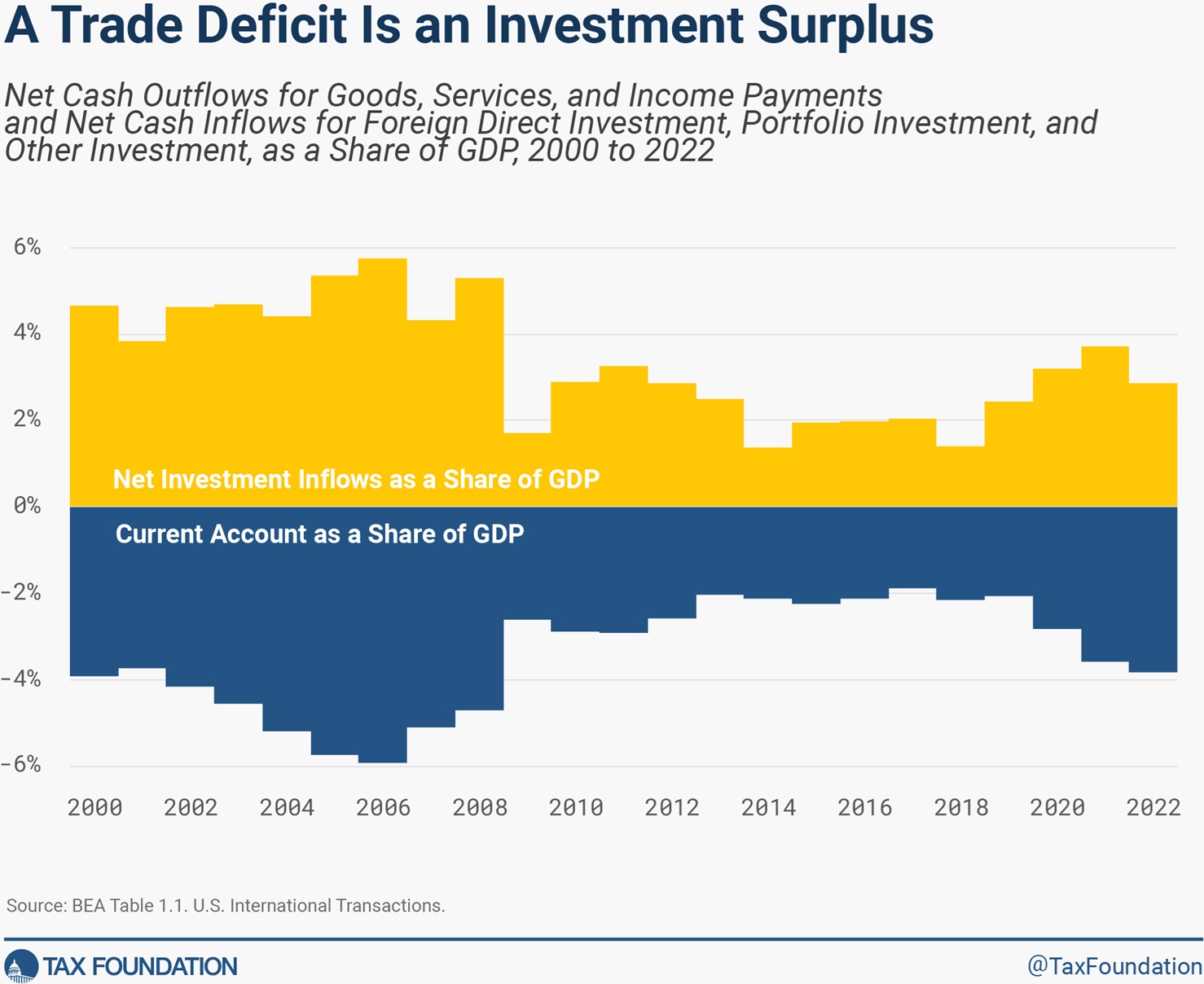
Looking at Part I and Part II, and considering the focus of today’s column, this series should actually be entitled “Trade Deficit Literacy.” That’s because the material I cite explains that a trade deficit is merely the flip side of an investment surplus. And it is good that the United States is a magnet for […]
Trade Deficit Illiteracy, Part III
Blame Washington for the Great Depression, Part III
27 May 2026 Leave a comment
in budget deficits, business cycles, economic growth, economic history, fiscal policy, great depression, history of economic thought, macroeconomics
To follow up on Part I and Part II in this series, let’s start with this Stossel video featuring Professor Don Boudreaux of George Mason University. The message is simple and accurate. Starting nearly 100 years ago, we got terrible statist policy from Herbert Hoover, followed by terrible statist policy from Franklin Roosevelt. No wonder […]
Blame Washington for the Great Depression, Part III
The corporate tax rate really matters
26 May 2026 Leave a comment
in applied price theory, econometerics, economic growth, economic history, entrepreneurship, fiscal policy, macroeconomics Tags: taxation and entrepreneurship, taxation and investment
Three findings emerge. First, improvements in aggregate tax competitiveness are positively and significantly associated with real GDP per capita growth, robust to a wide range of controls. Second, this aggregate effect is driven entirely by the corporate tax pillar; no other component displays a significant growth effect. Third, the corporate tax effect materializes contemporaneously and…
The corporate tax rate really matters
Liberal Economists Score an Own Goal Against Bezos
25 May 2026 Leave a comment
in applied price theory, fiscal policy, James Buchanan, labour economics, labour supply, macroeconomics, Public Choice, public economics
Jeff Bezos tweeted: Yes, the United States has the most progressive tax system in the world. The top 1% pay 40% of taxes, the bottom 50% pay 3% of taxes. We can make it even more progressive by zeroing out taxes on the bottom half. It’s a small amount of the total tax revenue but…
Liberal Economists Score an Own Goal Against Bezos
The (Amusingly) Destructive Economics of Wealth Taxation
24 May 2026 Leave a comment
in applied price theory, economic growth, entrepreneurship, fiscal policy, human capital, income redistribution, labour economics, labour supply, macroeconomics, poverty and inequality, Public Choice, public economics Tags: taxation and entrepreneurship, taxation and investment, taxation and labour supply
I’ve shared several columns (here, here, here, here, and here) reviewing scholarly research on the harmful economic impact of wealth taxation. From now on, however, I think I’ll simply share this clever video from the folks at Reason. The video uses humor to make very important points about how a wealth tax would diminish incentives […]
The (Amusingly) Destructive Economics of Wealth Taxation
Iceland’s Superb Private Retirement System
17 May 2026 Leave a comment
in fiscal policy, labour economics, macroeconomics, Public Choice, public economics Tags: Iceland

Over the years, I’ve written about the successful private retirement systems in jurisdictions such as Australia, Chile, Switzerland, Hong Kong, Netherlands, the Faroe Islands, Denmark, Israel, and Sweden. Today’s column will add to the collection because we’re going to look at Iceland’s remarkable system of personal retirement accounts. We’ll start with two charts. Here’s a […]
Iceland’s Superb Private Retirement System
The Washington Post vs Elizabeth Warren
25 Apr 2026 Leave a comment
in applied price theory, economics of media and culture, fiscal policy, human capital, income redistribution, labour economics, labour supply, macroeconomics, politics - USA, Public Choice, public economics Tags: taxation and entrepreneurship, taxation and investment, taxation and labour supply
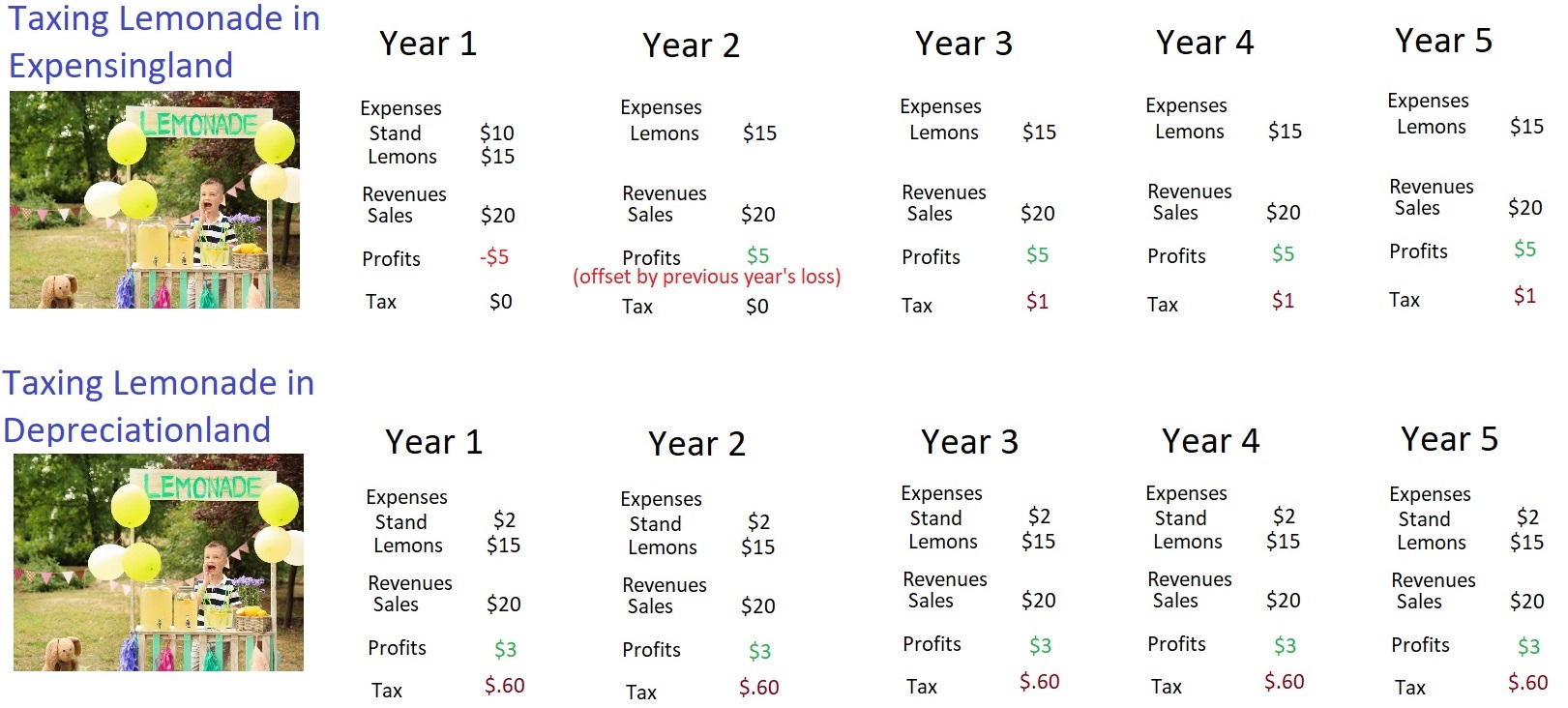
People sometimes will get excited about big-picture tax fights – whether politicians should raise taxes, whether they should add a VAT, or whether they should scrap the IRS for a flat tax. On the other had, there are a handful of tax issues that induce drowsiness but are nonetheless very important for purposes of tax […]
The Washington Post vs Elizabeth Warren
The Laffer Curve and Limits to Class Warfare Tax Policy, Part II
19 Apr 2026 Leave a comment
in applied price theory, econometerics, entrepreneurship, fiscal policy, human capital, income redistribution, labour economics, labour supply, macroeconomics, poverty and inequality, Public Choice, public economics Tags: taxation and entrepreneurship, taxation and investment, taxation and labour supply
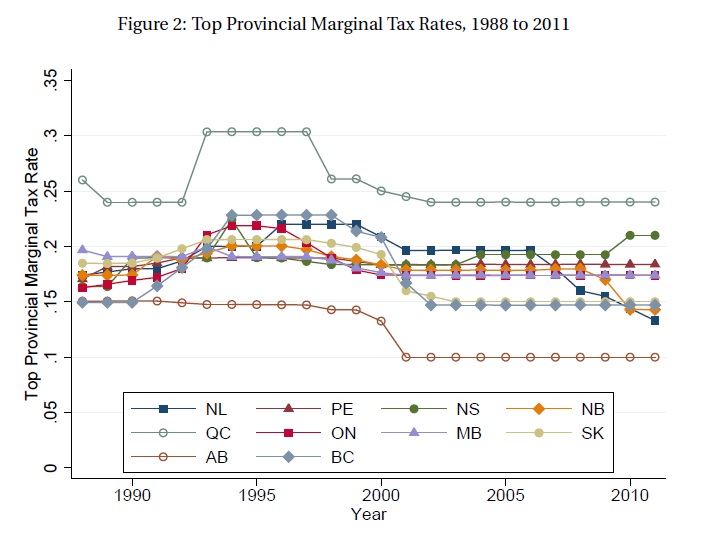
In Part I of this series back in 2014, we looked at some academic research from Canada showing that the revenue-maximizing tax rate on the richest taxpayers was 27.5 percent. A key insight from that research is that high-income taxpayers have considerable control over the timing, level, and composition of their income (just like in […]
The Laffer Curve and Limits to Class Warfare Tax Policy, Part II
On the Great Recession
02 Apr 2026 Leave a comment
in Austrian economics, budget deficits, business cycles, economic growth, fiscal policy, global financial crisis (GFC), great depression, great recession, history of economic thought, labour economics, macroeconomics, monetarism, unemployment
TweetPrager University’s new short video on the Great Recession was inspired by Chapter 5 of Phil Gramm’s and my 2025 book, The Triumph of Economic Freedom. The post On the Great Recession appeared first on Cafe Hayek.
On the Great Recession
Javier Milei Week, Part II: Good Fiscal Policies, Good Fiscal Results
24 Mar 2026 Leave a comment
in applied price theory, Austrian economics, budget deficits, development economics, economic history, fiscal policy, growth disasters, macroeconomics Tags: Argentina

Part I of this series focused on the horrible economic conditions that led to Javier Milei’s election in late 2023. For Part II, let’s start with this segment from an interview I did last week while in Slovenia. In less than two minutes, I tried to summarize Milei’s achievements. Let’s take a more detailed look, […]
Javier Milei Week, Part II: Good Fiscal Policies, Good Fiscal Results
Did Negative Interest Rates Work ?
16 Mar 2026 Leave a comment
in business cycles, econometerics, economic growth, fiscal policy, macroeconomics, monetary economics Tags: monetary policy

When recessions hit, the US Federal Reserve lowers its target interest rate–the “federal funds interest rate.” This interest rate applies to extremely safe borrowing: essentially, to overnight borrowing by large and safe financial institutions. The idea is that by altering this ultra-safe interest rate, other riskier interest rates will also be under pressure to adjust,…
Did Negative Interest Rates Work ?
Eat the Rich: Sanders and Khanna Introduce Federal Billionaires Tax
12 Mar 2026 Leave a comment
in applied price theory, economic growth, entrepreneurship, financial economics, fiscal policy, human capital, income redistribution, labour economics, labour supply, liberalism, macroeconomics, Marxist economics, politics - USA, Public Choice, rentseeking Tags: taxation and entrepreneurship, taxation and investment, taxation and labour supply

Below is my column on Fox.com on the new push by Democrats to impose a wealth tax nationally. While the…
Eat the Rich: Sanders and Khanna Introduce Federal Billionaires Tax
The Nightmare Scenario Leading to a Wealth Tax
07 Mar 2026 Leave a comment
in applied price theory, economic growth, economic history, entrepreneurship, fiscal policy, income redistribution, liberalism, macroeconomics, Marxist economics, politics - USA, Public Choice, public economics Tags: taxation and entrepreneurship, taxation and investment, taxation and labour supply

Is it time to pack our belongings and head to Argentina, where Javier Milei is dramatically improving economic policy and cultural attitudes? I’m joking, but also not joking. The reason I’m not joking is that there’s a very depressing scenario for America’s near-term economic outlook. It involves these six potential developments. Thanks in part to […]
The Nightmare Scenario Leading to a Wealth Tax


Recent Comments