Here is the audio, video, and transcript. Here is part of the episode summary: Tyler and George discuss the surprising lack of fiscal and monetary stimulus in the New Deal, whether revaluing gold was really the best path to economic reflation, how much Glass-Steagall and other individual parts of the New Deal mattered, Keynes’ “very […]
My excellent Conversation with George Selgin
My excellent Conversation with George Selgin
19 Oct 2025 Leave a comment
in applied price theory, business cycles, economic history, fiscal policy, great depression, history of economic thought, macroeconomics, monetary economics Tags: monetary policy
Taxes and Growth, Part II
15 Oct 2025 Leave a comment
in applied price theory, economic growth, fiscal policy, macroeconomics, Public Choice, public economics Tags: taxation and entrepreneurship, taxation and investment, taxation and labour supply

I wrote a column about taxes and growth in 2020. Let’s augment that analysis by digging into some details. I decided to address the issue today after seeing a tweet with this helpful summary of how different taxes cause different levels of economic damage (the Tax Foundation also has a table that ranks different taxes, […]
Taxes and Growth, Part II
French facts of the day
14 Oct 2025 1 Comment
in applied price theory, economics of bureaucracy, economics of regulation, energy economics, environmental economics, fiscal policy, law and economics, macroeconomics, property rights, Public Choice, rentseeking, urban economics Tags: France
Macron’s government consistently spent more as a share of total output than any other OECD member, with the public sector accounting for over 57% of GDP in 2024. The telling trend is France’s divergence from its neighbors. When Macron took office, France’s debt-to-GDP ratio was 11 percentage points above the Eurozone average; by 2024, that gap […]
French facts of the day
Ninth Karl Brunner Distinguished Lecture by John H. Cochrane, 02.10.2025
14 Oct 2025 Leave a comment
in budget deficits, business cycles, economic growth, fiscal policy, history of economic thought, macroeconomics, monetarism, monetary economics
The terrible US fiscals
03 Oct 2025 Leave a comment
in budget deficits, fiscal policy, macroeconomics, politics - USA, Public Choice
Bryce Wilkinson writes: Imagine that your family spent twice as much as it earned last month. Around the kitchen table, the mood would be grim and the bank’s patience likely wearing thin. In August 2025, the United States federal Government spent over twice its income, US$689 billion ($1.152 trillion) versus receipts of US$344b. Even doubling […]
The terrible US fiscals
Understanding Financial Instability in Argentina
01 Oct 2025 Leave a comment
in business cycles, economic growth, fiscal policy, international economics, liberalism, libertarianism, macroeconomics, monetary economics, politics - USA Tags: Argentina

Earlier this month, shortly after some depressing results in a regional election in Argentina, I was interviewed by Patrick Young. In this clip, I express concern Argentine voters will backslide to Peronism. As one might expect, some people are concerned the Peronist victory in the Buenos Aires regional election could be a harbinger of bad […]
Understanding Financial Instability in Argentina
Monetary policy needs mates
29 Sep 2025 Leave a comment
in budget deficits, business cycles, economic growth, fiscal policy, inflation targeting, macroeconomics, monetary economics, politics - New Zealand Tags: monetary policy
The NZ Initiative has a research note out on how fiscal policy needs to work with monetary policy. They comment: This analysis does not dispute that the RBNZ’s high interest rates were the proximate cause of the downturn. However, it argues the Bank had little choice. It was confronted with the insidious threat of inflation […]
Monetary policy needs mates
Revisiting Empirical Macroeconomics with Robert Barro (Harvard Economics…
28 Sep 2025 Leave a comment
in budget deficits, business cycles, economic growth, fiscal policy, history of economic thought, macroeconomics, monetary economics
Part I: Yes, Taxes Change Behavior
26 Sep 2025 Leave a comment
in applied price theory, economic growth, entrepreneurship, fiscal policy, human capital, labour economics, labour supply, macroeconomics, Public Choice, public economics Tags: taxation and entrepreneurship, taxation and investment, taxation and labour supply
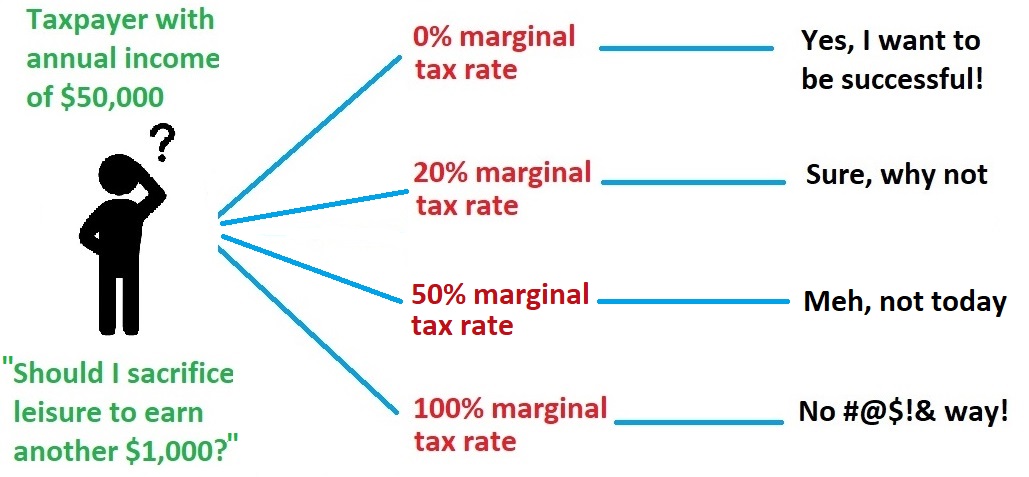
From a big-picture economic perspective, I worry most about the damage of high tax burdens on innovation, entrepreneurship, and investment. Those are things that generate enormous benefits for society, yet also things that are very sensitive to bad tax policy (specifically high marginal tax rates and the tax code’s bias against saving and investment). Sadly, […]
Part I: Yes, Taxes Change Behavior
Samuelson on forecasting as a vocation
23 Sep 2025 Leave a comment
in budget deficits, business cycles, economic growth, fiscal policy, human capital, labour economics, macroeconomics, occupational choice Tags: forecasting errors
Predistribution, Not Redistribution, in the Nordic Countries
15 Sep 2025 Leave a comment
in applied price theory, economic growth, economics of education, fiscal policy, income redistribution, labour economics, labour supply, macroeconomics, poverty and inequality, Public Choice, public economics, rentseeking Tags: Denmark, Finland, Norway, Sweden
Maybe it’s just because I live in Minnesota, a state where the differences between immigrants from Sweden, Norway, and Finland are still apparent in the names of towns and the surnames of people. But when I run into people who would prefer that the US distribution of income be more equal, they often point to…
Predistribution, Not Redistribution, in the Nordic Countries
💰 Inflation, Debt & The Future of the Economy | A Conversation with John Cochrane
12 Sep 2025 1 Comment
in budget deficits, business cycles, currency unions, fiscal policy, history of economic thought, inflation targeting, macroeconomics, Milton Friedman, monetarism, monetary economics Tags: monetary policy
The Most Important Election(s) of 2025
28 Aug 2025 Leave a comment
in applied price theory, Austrian economics, development economics, economic growth, economics of regulation, fiscal policy, growth disasters, labour economics, labour supply, law and economics, liberalism, libertarianism, macroeconomics, monetary economics, Public Choice, unemployment Tags: Argentina

Javier Milei has generated amazingly good results in just 20 months. But more reform is needed to undo the damage of 80 years of Peronism, which is why I explain that Argentina’s mid-term elections will be very important. Milei wants to turn Argentina into the world’s freest economy. That won’t be possible so long as […]
The Most Important Election(s) of 2025
Reading Grant Robertson
25 Aug 2025 Leave a comment
in budget deficits, business cycles, economic growth, economic history, economics of bureaucracy, fiscal policy, inflation targeting, macroeconomics, monetary economics, politics - New Zealand, Public Choice Tags: economics of pandemics, monetary policy

I got home from Papua New Guinea at 1:30 on Saturday morning and by 3:30 yesterday afternoon I’d finished Grant Robertson’s new book, Anything Could Happen, and in between I’d been to two film festival movies, a 60th birthday party, and church. It is that sort of book, a pretty easy read. In some respects, […]
Reading Grant Robertson
The Greens’ weekend gift to the government
19 Aug 2025 Leave a comment
in economic growth, entrepreneurship, fiscal policy, income redistribution, labour economics, labour supply, macroeconomics, Marxist economics, politics - New Zealand, poverty and inequality, Public Choice, public economics Tags: taxation and entrepreneurship, wealth tax
Roger Partridge writes – The Greens’ coronation of Chlöe Swarbrick at last weekend’s AGM delivered a manifesto for economic transformation that would make Soviet economists nostalgic for their glory days.
The Greens’ weekend gift to the government


Recent Comments