I give him a 30-40% chance, which is perhaps generous because I am rooting for him. Bryan Caplan, who is more optimistic, offers some analysis and estimates that Milei needs to close a fiscal gap of about five percent of gdp. I have two major worries. First, if Milei approaches fiscal success, the opposing parties […]
Will Milei succeed in Argentina?
Will Milei succeed in Argentina?
22 Jan 2024 Leave a comment
in applied price theory, budget deficits, comparative institutional analysis, development economics, economic growth, economic history, economics of bureaucracy, economics of regulation, fiscal policy, growth disasters, income redistribution, labour economics, liberalism, libertarianism, macroeconomics, Marxist economics, monetary economics, Public Choice, public economics, rentseeking Tags: Argentina
Mattei Misjudges Hawtrey
15 Jan 2024 Leave a comment
in budget deficits, business cycles, economic growth, economic history, fiscal policy, great depression, history of economic thought, macroeconomics, monetary economics
Clara Mattei, associate professor of economics at the New School for Social Research, recently published a book, The Capital Order: How Economists Invented Austerity and Paved the Way to Fascism, (University of Chicago Press) in which she argues that the fiscal and monetary austerity imposed on Great Britain after World War I to restore the […]
Mattei Misjudges Hawtrey
40 years on
08 Jan 2024 Leave a comment
in applied price theory, applied welfare economics, comparative institutional analysis, economic growth, economic history, fiscal policy, inflation targeting, international economics, labour economics, macroeconomics, monetary economics, politics - New Zealand
Pension crisis
06 Jan 2024 Leave a comment
in budget deficits, fiscal policy, labour economics, labour supply, macroeconomics Tags: ageing society
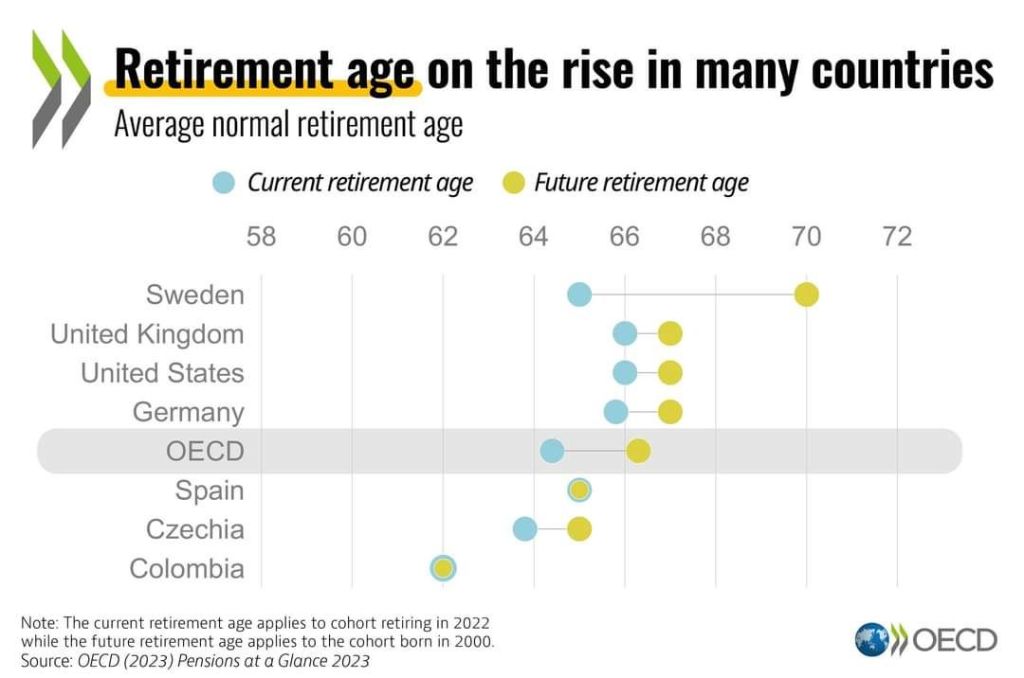
📸 Look at this post on Facebook
https://www.facebook.com/share/B8SHqxb5jFk88mQ2/?mibextid=RXn8sy
How Were So Many Economists So Wrong About the Recession?
30 Dec 2023 Leave a comment
in budget deficits, business cycles, economic growth, economic history, fiscal policy, labour economics, macroeconomics, monetary economics, unemployment Tags: monetary policy
That is the topic of my latest Bloomberg column, I thought it was time to call out all the Orwellian rewriting of intellectual history going on, so here goes: As Treasury Secretary Janet Yellen said last week: “So many economists were saying there’s no way for inflation to get back to normal without it entailing a […]
How Were So Many Economists So Wrong About the Recession?
The Worst Journalism of 2023
29 Dec 2023 Leave a comment
in budget deficits, business cycles, development economics, economic history, fiscal policy, growth disasters, macroeconomics, monetarism, monetary economics Tags: Argentina
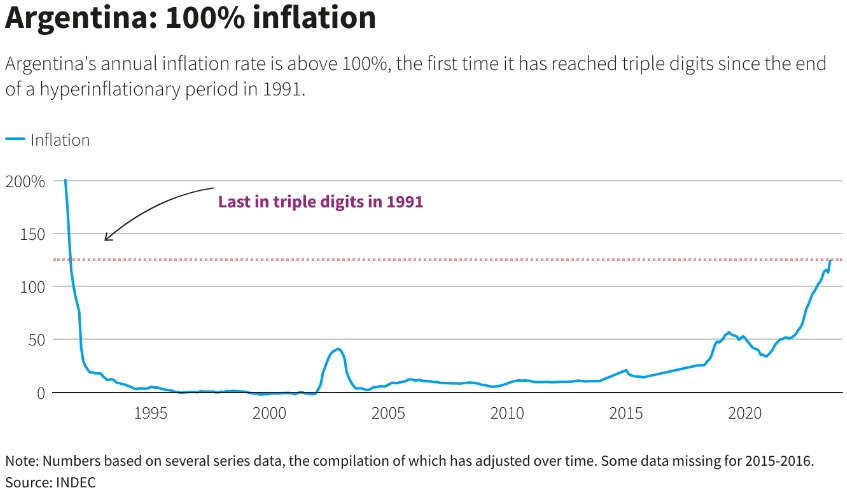
Writing about the economic tragedy of Argentina, I’ve explained that one major problem is inflation, thanks to that country’s version of “modern monetary theory.” This is not a trivial problem. Here’s a chart, from a recent report by Reuters, showing how prices have been rising for nearly 10 years and skyrocketing for the past three […]
The Worst Journalism of 2023
190308 [Webinar] Consistent Economic Policy and Economic Development
29 Dec 2023 Leave a comment
in applied price theory, budget deficits, business cycles, defence economics, economic growth, economic history, economics of information, Euro crisis, fiscal policy, fisheries economics, global financial crisis (GFC), great recession, growth disasters, growth miracles, history of economic thought, human capital, inflation targeting, labour economics, labour supply, macroeconomics, monetary economics, Public Choice, public economics, unemployment
Argentina Milei reform impressions
23 Dec 2023 Leave a comment
in applied price theory, budget deficits, business cycles, comparative institutional analysis, constitutional political economy, development economics, economic growth, economics of bureaucracy, economics of regulation, fiscal policy, growth disasters, history of economic thought, income redistribution, international economics, labour economics, law and economics, liberalism, libertarianism, macroeconomics, Marxist economics, monetary economics, property rights, Public Choice, public economics, rentseeking, unemployment Tags: Argentina
I didn’t have much time in Argentina, but I can pass along a few impressions about how Milei is doing, noting I hold these with “weak belief”: 1. He is pretty popular with the general population. He is also popular in B.A. in particular. People are fed up with what they have been experiencing. It […]
Argentina Milei reform impressions
FMI Public Speaker Series – Finn Kydland
23 Dec 2023 Leave a comment
in applied price theory, budget deficits, business cycles, comparative institutional analysis, development economics, economic growth, economic history, economics of bureaucracy, fiscal policy, global financial crisis (GFC), great depression, great recession, growth disasters, growth miracles, history of economic thought, human capital, income redistribution, labour economics, labour supply, macroeconomics, Public Choice, public economics, rentseeking
Finn E. Kydland Nobel Lecture at CERGE-EI
22 Dec 2023 Leave a comment
in applied price theory, budget deficits, business cycles, comparative institutional analysis, development economics, economic growth, economic history, economics of regulation, fiscal policy, global financial crisis (GFC), great depression, great recession, growth disasters, growth miracles, history of economic thought, human capital, income redistribution, labour economics, labour supply, macroeconomics, monetary economics, Public Choice, public economics
An Upside-Down Economic History of Argentina
13 Dec 2023 Leave a comment
in budget deficits, business cycles, development economics, economic growth, economic history, economics of bureaucracy, fiscal policy, growth disasters, growth miracles, history of economic thought, income redistribution, labour economics, macroeconomics, Public Choice, public economics, rentseeking, Ronald Coase Tags: Argentina
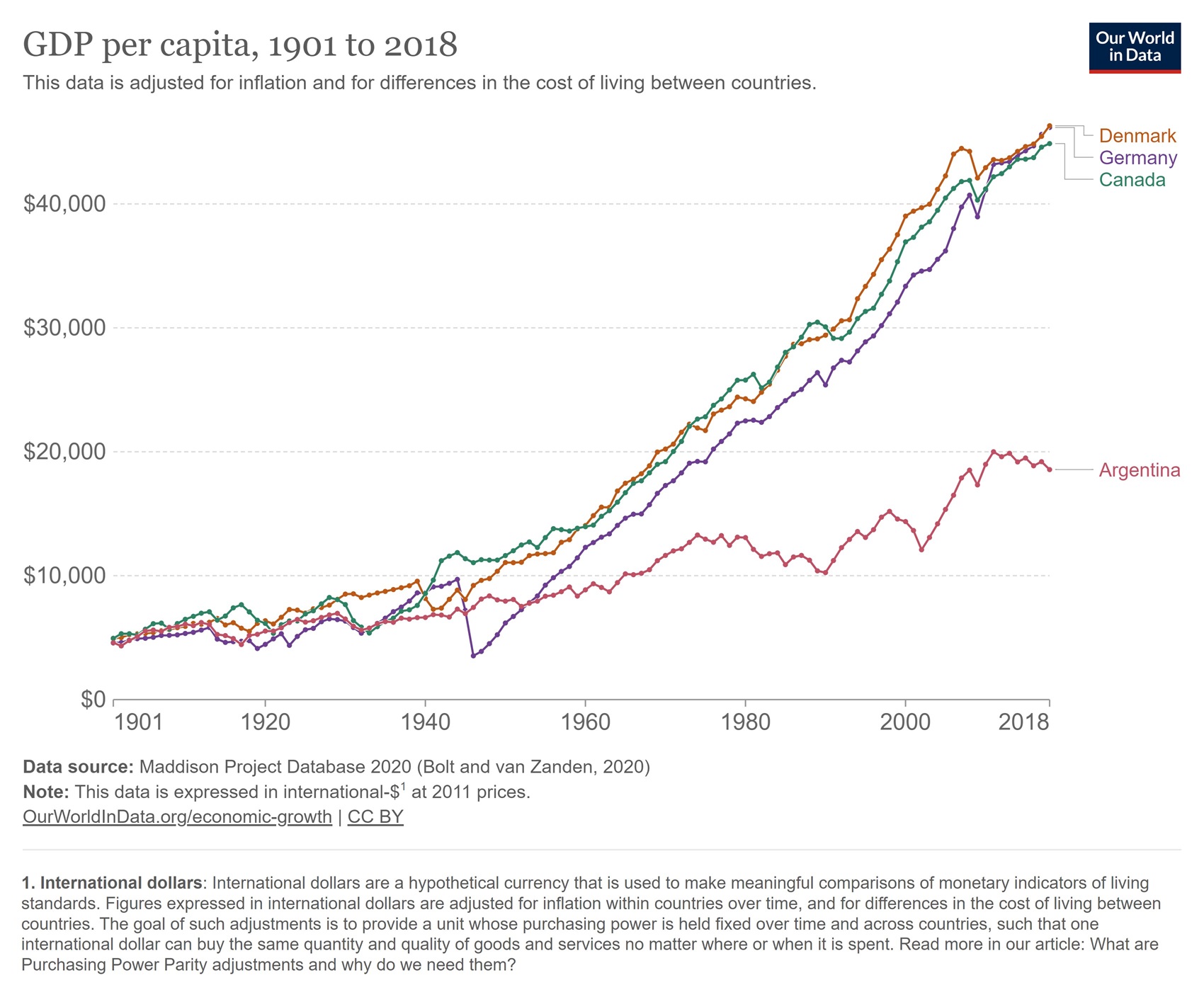
Argentina has a very interesting, but also rather tragic, economic history. During first half of the 20th century, it was one of the world’s richest nations. But thanks to dirigiste economic policies (known locally as Peronism) starting after World War II, Argentina has suffered a dramatic decline in relative living standards. However, something shocking has […]
An Upside-Down Economic History of Argentina
Can Argentina Be Rescued, Part III
12 Dec 2023 Leave a comment
in applied price theory, budget deficits, comparative institutional analysis, development economics, economic growth, economic history, economics of regulation, fiscal policy, growth disasters, income redistribution, international economics, labour economics, liberalism, libertarianism, macroeconomics, Marxist economics, Milton Friedman, monetary economics, Murray Rothbard, Public Choice Tags: Argentina
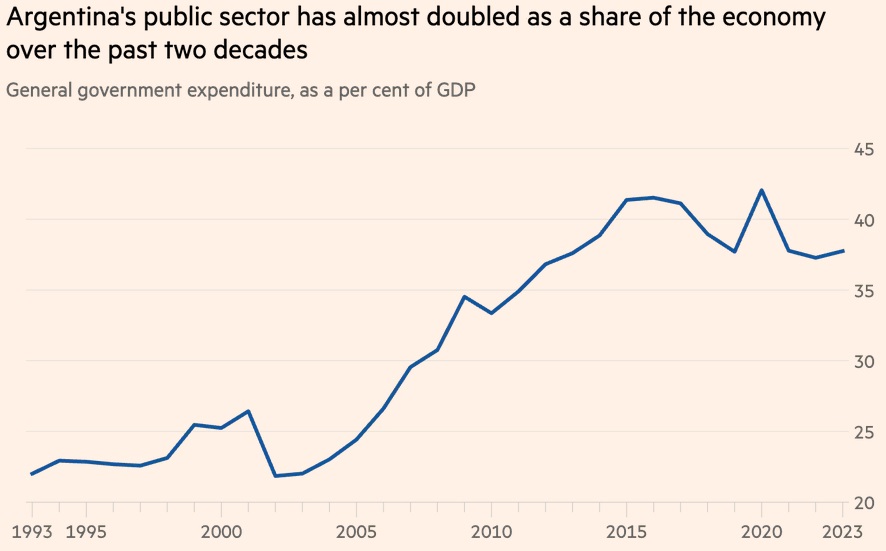
My trip to Argentina last year motivated me to write Part I of this series, which focused on whether things might get better in that tragic country for the simple reason that they couldn’t possibly get any worse. In Part II of this series, I analyzed whether a libertarian candidate’s surprisingly strong performance in Argentina’s […]
Can Argentina Be Rescued, Part III
Lessons from Fighting 100 Inflations Since the 1970s
12 Dec 2023 Leave a comment
in budget deficits, business cycles, development economics, economic growth, economic history, fiscal policy, growth disasters, history of economic thought, inflation targeting, macroeconomics, monetarism, monetary economics, unemployment Tags: monetary policy

Inflation rates have come down since their peak in mid-2022. Does the Federal Reserve need to continue its inflation-fighting ways, keeping interest rates high? Anil Ari, Carlos Mulas-Granados, Victor Mylonas, Lev Ratnovski, and WeiZhao of the IMF look to historical and international experience in “One Hundred Inflation Shocks: Seven Stylized Facts” (September 2023, WP/23/190). As…
Lessons from Fighting 100 Inflations Since the 1970s
Really?
06 Dec 2023 Leave a comment
in budget deficits, business cycles, economic growth, fiscal policy, inflation targeting, labour economics, macroeconomics, monetary economics, politics - New Zealand, unemployment Tags: monetary policy

It doesn’t seem to have been the best week for the Reserve Bank since the release of the latest Monetary Policy Statement last Wednesday. Of course, one could make a pretty compelling case that in the Orr years few weeks have been, and especially not any weeks when Bank figures actually say or do anything. […]
Really?
Government net debt: how does NZ compare?
02 Dec 2023 1 Comment
in budget deficits, fiscal policy, macroeconomics, politics - New Zealand

In my post yesterday on the new OECD Economic Outlook fiscal numbers I included this chart Even if you leave off the last two observations (OECD projections based on current – Labour government – fiscal policy) recent trends have hardly been something to take any comfort in. But at least we were still a bit […]
Government net debt: how does NZ compare?
 Utopia, you are standing in it!
Recent Comments