When it comes to the question of how best to avoid a banking collapse and multi-billion dollar bailout that can drag a whole nation into depression, the best solution, according to Chicago-Stanford economist, John Cochrane, is to require banks to set aside a fraction of their own funds as reserves to cover losses they may…
Caught out! The NZ Initiative’s Article in the Herald Blaming the RBNZ for our Rip-Off Big Banks is Contradicted by its Own Expert Witness. (Willis Beware).
Caught out! The NZ Initiative’s Article in the Herald Blaming the RBNZ for our Rip-Off Big Banks is Contradicted by its Own Expert Witness. (Willis Beware).
06 Jun 2024 Leave a comment
in applied price theory, global financial crisis (GFC), great recession, industrial organisation, law and economics, macroeconomics, monetary economics, politics - New Zealand Tags: competition law
Bailouts Forever
02 Jun 2024 Leave a comment
in business cycles, economic history, financial economics, global financial crisis (GFC), macroeconomics, monetary economics, politics - USA Tags: deposit insurance
When interest rates rise, the price of long-term assets falls. Consequently, when the Fed began raising interest rates in 2022, the value of bonds and mortgages dropped, causing significant accounting losses for banks heavily invested in these assets. Silicon Valley Bank went bust, for example, because depositors fled upon realizing it was holding lots of […]
Bailouts Forever
The Euro at 25
03 Feb 2024 Leave a comment
in budget deficits, currency unions, economic history, economics of bureaucracy, Euro crisis, fiscal policy, global financial crisis (GFC), great recession, inflation targeting, macroeconomics, monetary economics, Public Choice Tags: Euro

The euro technically started in 1999, when the 11 founding European members of the currency agreed to keep their exchange rates fixed and to hand over monetary policy to the European Central Bank. The euro then became the actual currency that people and firms used in 2002. I confess that, back in the early 1990s,…
The Euro at 25
190308 [Webinar] Consistent Economic Policy and Economic Development
29 Dec 2023 Leave a comment
in applied price theory, budget deficits, business cycles, defence economics, economic growth, economic history, economics of information, Euro crisis, fiscal policy, fisheries economics, global financial crisis (GFC), great recession, growth disasters, growth miracles, history of economic thought, human capital, inflation targeting, labour economics, labour supply, macroeconomics, monetary economics, Public Choice, public economics, unemployment
FMI Public Speaker Series – Finn Kydland
23 Dec 2023 Leave a comment
in applied price theory, budget deficits, business cycles, comparative institutional analysis, development economics, economic growth, economic history, economics of bureaucracy, fiscal policy, global financial crisis (GFC), great depression, great recession, growth disasters, growth miracles, history of economic thought, human capital, income redistribution, labour economics, labour supply, macroeconomics, Public Choice, public economics, rentseeking
Finn E. Kydland Nobel Lecture at CERGE-EI
22 Dec 2023 Leave a comment
in applied price theory, budget deficits, business cycles, comparative institutional analysis, development economics, economic growth, economic history, economics of regulation, fiscal policy, global financial crisis (GFC), great depression, great recession, growth disasters, growth miracles, history of economic thought, human capital, income redistribution, labour economics, labour supply, macroeconomics, monetary economics, Public Choice, public economics
Unconvincing
21 Dec 2023 Leave a comment
in business cycles, economic history, global financial crisis (GFC), great recession, history of economic thought, inflation targeting, macroeconomics, monetary economics, politics - New Zealand Tags: monetary policy

The Herald ran an op-ed yesterday under the heading “Why the Government’s new Reserve Bank mandate may lead to worse outcomes”. It was written by Toby Moore who served as an economic adviser in Grant Robertson’s office while he was Minister of Finance (a fact the Herald chose not to disclose to its readers). I’m more […]
Unconvincing
Monetary policy turning points
18 Dec 2023 Leave a comment
in business cycles, economic growth, economic history, economics of bureaucracy, global financial crisis (GFC), great recession, history of economic thought, inflation targeting, macroeconomics, monetary economics, politics - New Zealand, Public Choice Tags: monetary policy

When the Reserve Bank MPC came out late last month with its last words on monetary policy before its extended summer break, my post then was headed “Really?“. It was a commentary on the disjunction between the Reserve Bank’s inflation forecasts on the one hand, that showed quarterly inflation collapsing (not really too strong a word […]
Monetary policy turning points
Review of “Milton Friedman: The Last Conservative” by Jennifer Burns
29 Nov 2023 Leave a comment
in budget deficits, business cycles, economic growth, fiscal policy, global financial crisis (GFC), great depression, great recession, history of economic thought, macroeconomics, Milton Friedman, monetarism, monetary economics
Milton Friedman: The Last Conservative by Jennifer Burns 592 pages Farrar, Straus and Giroux Published: Nov 2023 Released two weeks ago, Jennifer Burns’s “Milton Friedman: The Last Conservative” is the most significant biography of Friedman ever published. Burns is an associate professor of history at Stanford and a research fellow at the Hoover Institution. She […]
Review of “Milton Friedman: The Last Conservative” by Jennifer Burns
Understanding Fiscal Inflation — Keynote Speech by Eric Leeper
22 Nov 2023 Leave a comment
in budget deficits, business cycles, economic growth, economic history, fiscal policy, global financial crisis (GFC), great depression, great recession, history of economic thought, inflation targeting, macroeconomics, monetary economics Tags: monetary policy
My Conversation with the excellent Jennifer Burns
17 Nov 2023 Leave a comment
in Austrian economics, business cycles, economics of education, Euro crisis, F.A. Hayek, global financial crisis (GFC), great depression, great recession, history of economic thought, macroeconomics, Milton Friedman, monetarism, monetary economics
Here is the audio, video, and transcript. Here is the episode description: Jennifer Burns is a professor history at Stanford who works at the intersection of intellectual, political, and cultural history. She’s written two biographies Tyler highly recommends: her 2009 book, Goddess of the Market: Ayn Rand and the American Right and her latest, Milton Friedman: The […]
My Conversation with the excellent Jennifer Burns
Milton Friedman: The Last Conservative | Hoover Institution
15 Nov 2023 Leave a comment
in applied price theory, budget deficits, business cycles, economic growth, economic history, fiscal policy, global financial crisis (GFC), great depression, great recession, history of economic thought, inflation targeting, labour economics, macroeconomics, Milton Friedman, monetarism, monetary economics, unemployment Tags: monetary policy
Book Presentation with John Cochrane: “The Fiscal Theory of the Price Le…
09 Nov 2023 Leave a comment
in budget deficits, business cycles, econometerics, economic growth, economic history, Euro crisis, fiscal policy, global financial crisis (GFC), great depression, great recession, history of economic thought, inflation targeting, macroeconomics, Milton Friedman, monetarism, monetary economics, public economics Tags: monetary policy
What is it we do and do not know about macroeconomics?
25 Oct 2023 Leave a comment
in global financial crisis (GFC), great recession, history of economic thought, macroeconomics
That is the topic of my latest Bloomberg column, here is one excerpt: Another episode frequently cited as evidence against economists is the Great Recession of 2007-2009. Economists did make some mistakes on that one — but they are not the ones you usually hear about. When real estate prices started to slow down and then […]
What is it we do and do not know about macroeconomics?
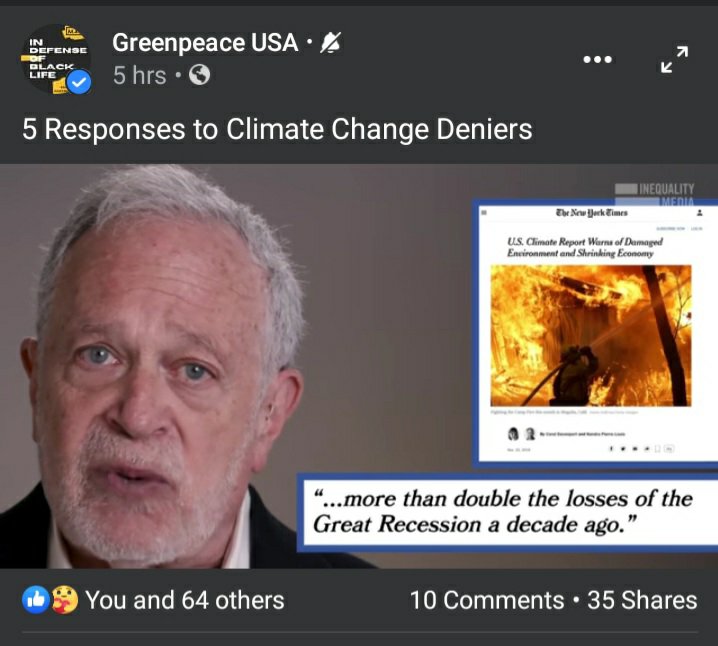
In 5 Responses to Climate Change Deniers, Robert Reich explains inadvertently how the #climateemergency is a small problem, only twice the cost of the Great Recession
17 Sep 2023 Leave a comment
in applied welfare economics, development economics, economic growth, energy economics, environmental economics, global financial crisis (GFC), global warming, macroeconomics Tags: climate alarmism


Recent Comments