Exchange-rate models fit very well for the U.S. dollar in the 21st century. A “standard” model that includes real interest rates and a measure of expected inflation for the U.S. and the foreign country, the U.S. comprehensive trade balance, and measures of global risk and liquidity demand is well-supported in the data for the U.S. […]
Finally, exchange rate models seem to work pretty well
Finally, exchange rate models seem to work pretty well
14 Aug 2024 Leave a comment
in budget deficits, business cycles, econometerics, economic history, financial economics, history of economic thought, inflation targeting, macroeconomics, monetary economics, politics - USA Tags: exchange rates, monetary policy
The (Non) Mystery of Economic Growth
13 Aug 2024 Leave a comment
in applied price theory, comparative institutional analysis, constitutional political economy, development economics, economic growth, economic history, economics of bureaucracy, growth disasters, growth miracles, income redistribution, law and economics, macroeconomics, property rights, Public Choice, rentseeking Tags: The Great Enrichment
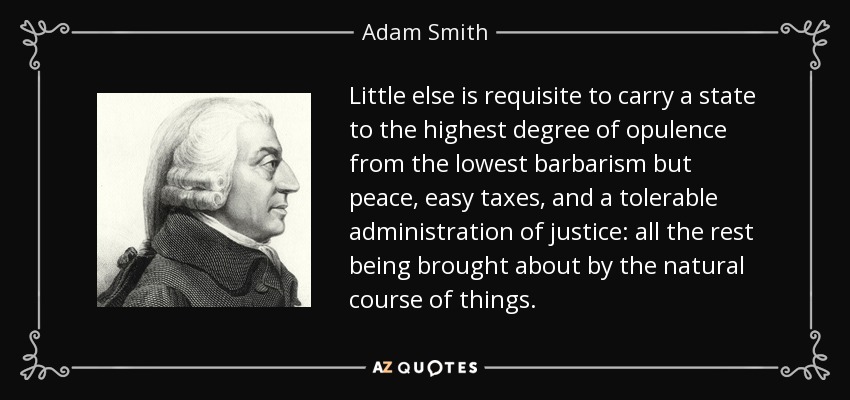
The recipe for economic growth is not complicated. You can put it in very simple terms, as Adam Smith did a few hundred years ago. Or you can develop and utilize data-heavy indexes like the ones published by the Fraser Institute and Heritage Foundation. In either case, the result will be the same. If you […]
The (Non) Mystery of Economic Growth
Stablecoins – a digital version of Swiss bearer savings books
13 Aug 2024 Leave a comment
in history of economic thought, law and economics, macroeconomics, monetary economics, property rights Tags: bitcoin, Switzerland

Before anti-money laundering laws arrived in Switzerland, anyone could walk into a Swiss bank and open an account without showing any ID. The bank would then issue you something called a bearer savings book, otherwise known as inhabersparheften or livrets d’épargne au porteur. Ownership of the savings book was considered by the bank to be…
Stablecoins – a digital version of Swiss bearer savings books
Minnesota’s Failed Class-Warfare Tax Policy
11 Aug 2024 Leave a comment
in applied price theory, applied welfare economics, economic growth, fiscal policy, labour economics, labour supply, macroeconomics, Public Choice, public economics Tags: taxation and entrepreneurship, taxation and investment, taxation and labour supply
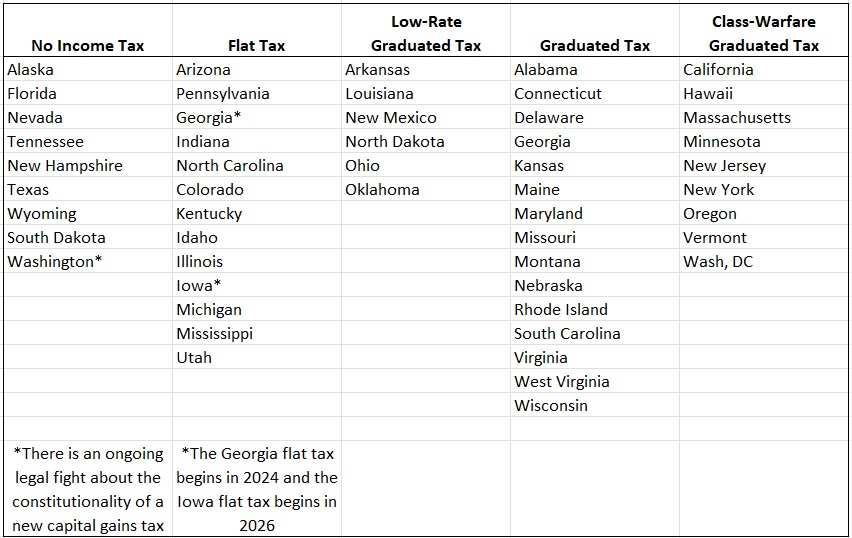
Writing about Mitt Romney’s selection of Paul Ryan in 2012, I opined that, “…it probably means nothing. I don’t think there’s been an election in my lifetime that was impacted by the second person on a presidential ticket.” I feel the same way about Tim Walz, who is Kamala Harris’ pick for Vice President. But […]
Minnesota’s Failed Class-Warfare Tax Policy
How Politicians Should Debate: Kemi Badenoch
05 Aug 2024 Leave a comment
in applied price theory, discrimination, economic growth, economics of bureaucracy, economics of crime, economics of regulation, gender, income redistribution, labour economics, law and economics, macroeconomics, Public Choice, public economics, rentseeking, urban economics Tags: British politics

She’s been one of the rising stars of the British Conservative Party for some time now, and I’ve covered stories about her before (Would be nice if a US Democrat said this about Critical Race Theory and A Tory warning for the National Party of 2032), but I’ve finally decided to add Kemi Badenoch as a tag […]
How Politicians Should Debate: Kemi Badenoch
Joseph Schumpeter, Capitalism and Intellectuals
01 Aug 2024 Leave a comment
in comparative institutional analysis, constitutional political economy, development economics, economic growth, economic history, history of economic thought, macroeconomics
See Socialists, Knowledge of History and Agency. These are letters to the editor of The WSJ in response to an article about socialism by Joseph Epstein. The one below reminded me of a 1992 article by Robert Samuelson in Newsweek. “Joseph Epstein’s “Socialists Don’t Know History” (op-ed, May 30, 2019) on the abysmal historical knowledge…
Joseph Schumpeter, Capitalism and Intellectuals
Thought and Details on the Fiscal Theory of the Price Level
30 Jul 2024 Leave a comment
in applied price theory, budget deficits, business cycles, economic growth, economic history, history of economic thought, labour economics, macroeconomics, monetarism, monetary economics, unemployment Tags: monetary policy

The Fiscal Theory of the Price Level has been percolating among monetary theorists for over three decades: Eric Leeper being the first to offer a formalization of the idea, with Chris Sims and Michael Woodford soon contributed to its further development. But the underlying idea that the taxation power of the state is essential for […]
Thought and Details on the Fiscal Theory of the Price Level
Treasury says one thing in a speech but quite another in the BEFU
28 Jul 2024 Leave a comment
in budget deficits, business cycles, economic growth, fiscal policy, inflation targeting, labour economics, macroeconomics, monetary economics, politics - New Zealand, unemployment Tags: monetary policy

I picked up The Post this morning to find the lead story headlined “Recession hits homes harder than businesses”, reporting a speech given earlier this week by Treasury’s deputy secretary and chief economic adviser Dominick Stephens. There was an account of the same speech, but with some different material, on BusinessDesk a couple of days […]
Treasury says one thing in a speech but quite another in the BEFU
Not a good case for a CBDC
27 Jul 2024 Leave a comment
in applied price theory, comparative institutional analysis, financial economics, law and economics, macroeconomics, monetary economics, politics - New Zealand, property rights Tags: digital currency

The Reserve Bank’s latest round of consultation on a possible central bank digital currency (CBDC) closes today. The thick and probably expensive (at least one of the documents was produced jointly with the consultancy firm Accenture) set of consultation documents came up a few months ago. I thought I had run out of time to […]
Not a good case for a CBDC
Current state of knowledge on the Trump tax cuts
25 Jul 2024 Leave a comment
in applied price theory, econometerics, economic history, fiscal policy, macroeconomics, politics - USA, public economics Tags: taxation and entrepreneurship, taxation and investment
That is the topic of my latest Bloomberg column. Here is one summary excerpt: One result: Total tangible corporate investment went up by about 11%. That has been a welcome shot in the arm for an economy that was by some measures suffering from an investment drought. The strong state of the Biden economy may, in…
Current state of knowledge on the Trump tax cuts
Treasury wanting to use fiscal policy more
23 Jul 2024 Leave a comment
in fiscal policy, macroeconomics, monetary economics, politics - New Zealand, public economics Tags: monetary policy

Government departments are now all required by law to write and publish a Long-term Insights Briefing at least every three years. and they have to consult the public on both choice of topic and the draft report The Public Service Commission gives its take on these provisions here Count me more than a little sceptical. […]
Treasury wanting to use fiscal policy more
Flooding Housing Policy
22 Jul 2024 Leave a comment
in applied price theory, economics of regulation, law and economics, macroeconomics, monetary economics, politics - New Zealand, property rights, urban economics Tags: housing affordability, land supply, monetary policy
The Minister of Housing’s ambition is to reduce markedly the ratio of house prices to household incomes. If his strategy works it would transform the housing market, dramatically changing the prospects of housing as an investment. Brian Easton writes – Leaving aside the Minister’s metaphor of ‘flooding the market’ I do not see how the […]
Flooding Housing Policy
Interview with Edmund Phelps: Macro and Capitalism
21 Jul 2024 Leave a comment
in business cycles, fiscal policy, great depression, great recession, history of economic thought, job search and matching, labour economics, labour supply, macroeconomics, monetary economics, unemployment
Edmund Phelps won the Nobel prize in economics in 2006 for “for his analysis of intertemporal tradeoffs in macroeconomic policy.” However, he has spent a considerable chunk of this time in the last few decades musing over strengths and weaknesses of capitalism and, more generally, a dynamic economy. Jon Hartley interviews Phelps on both topics,…
Interview with Edmund Phelps: Macro and Capitalism
Still avoiding responsibility
09 Jul 2024 Leave a comment
in business cycles, inflation targeting, macroeconomics, monetary economics, politics - New Zealand Tags: monetary policy

I was away when Reserve Bank chief economist Paul Conway gave his recent speech, “The road back to 2% inflation”, and since I didn’t see any material commentary on it I didn’t bother going back to it when I got home. But my son – honours student researching monetary policy (anyone wanting a young economist […]
Still avoiding responsibility
On degrowth
04 Jul 2024 Leave a comment
in applied price theory, development economics, economic growth, macroeconomics Tags: The Great Enrichment

 Utopia, you are standing in it!
Recent Comments