40 years on
08 Jan 2024 Leave a comment
in applied price theory, applied welfare economics, comparative institutional analysis, economic growth, economic history, fiscal policy, inflation targeting, international economics, labour economics, macroeconomics, monetary economics, politics - New Zealand
On Solow
08 Jan 2024 Leave a comment
in economic growth, history of economic thought, macroeconomics
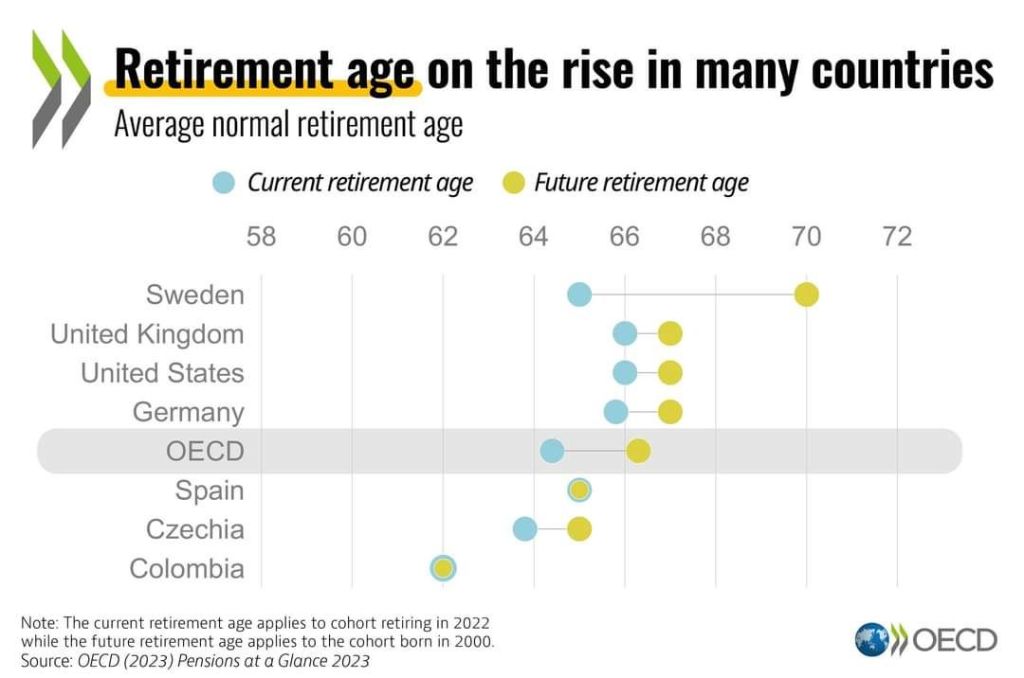
Pension crisis
06 Jan 2024 Leave a comment
in budget deficits, fiscal policy, labour economics, labour supply, macroeconomics Tags: ageing society
📸 Look at this post on Facebook
https://www.facebook.com/share/B8SHqxb5jFk88mQ2/?mibextid=RXn8sy
Economic underperformance
03 Jan 2024 Leave a comment
in economic growth, economic history, macroeconomics

With both the annual and quarterly national accounts data having come out recently it is time for a quick update of some old charts. First, labour productivity (real GDP per hour worked). This chart is from the period since just prior to Covid, and for both New Zealand and Australia If you want some slight consolation, […]
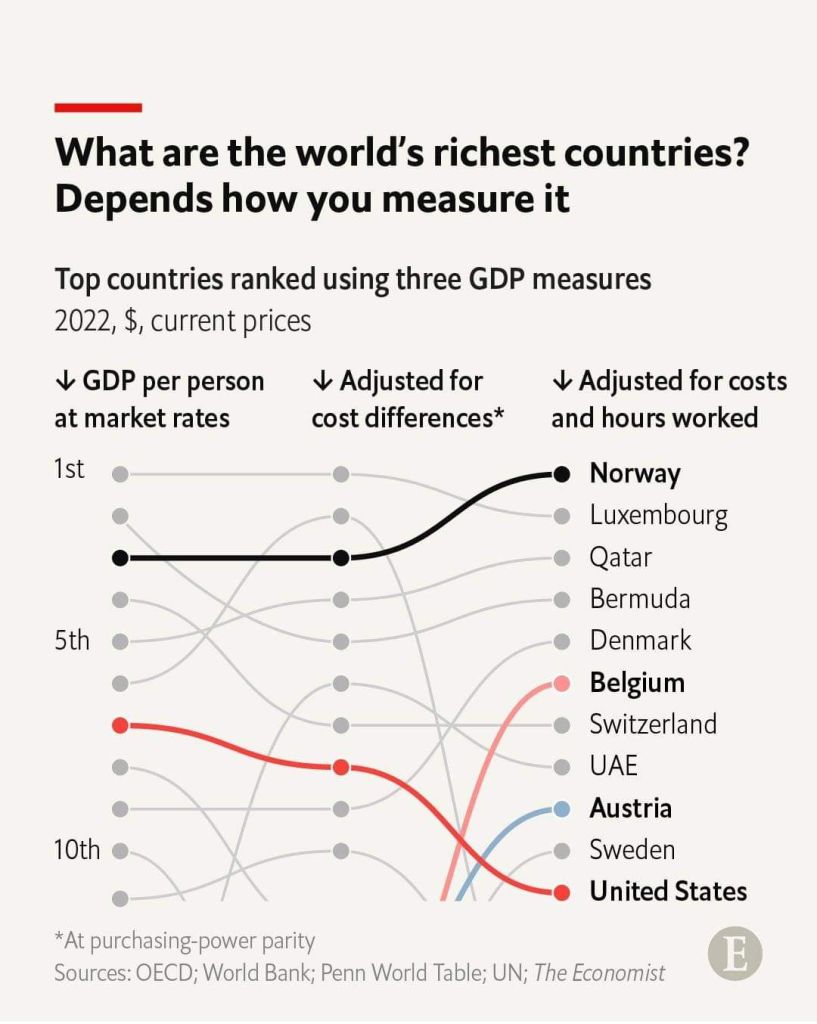
Economic underperformance
02 Jan 2024 Leave a comment
in development economics, economic growth, macroeconomics
📸 Look at this post on Facebook
https://www.facebook.com/share/fapH5dpZ8wc25gtV/?mibextid=RXn8sy
Solow on Market Advantages and Market Failures
31 Dec 2023 Leave a comment
in applied price theory, business cycles, economic growth, economic history, economics of regulation, entrepreneurship, history of economic thought, labour economics, macroeconomics, Milton Friedman, monetarism, monetary economics, unemployment
Robert Solow (1924-2023) died last week. As a starting point for understanding his life and his work on growth theory, the Nobel prize website, since he won the award in 1987, includes an overall description, a biographical essay, and his Nobel lecture. I can also strongly recommend an interview that Steven Levitt carried out with…
Solow on Market Advantages and Market Failures
How Were So Many Economists So Wrong About the Recession?
30 Dec 2023 Leave a comment
in budget deficits, business cycles, economic growth, economic history, fiscal policy, labour economics, macroeconomics, monetary economics, unemployment Tags: monetary policy
That is the topic of my latest Bloomberg column, I thought it was time to call out all the Orwellian rewriting of intellectual history going on, so here goes: As Treasury Secretary Janet Yellen said last week: “So many economists were saying there’s no way for inflation to get back to normal without it entailing a […]
How Were So Many Economists So Wrong About the Recession?
The Worst Journalism of 2023
29 Dec 2023 Leave a comment
in budget deficits, business cycles, development economics, economic history, fiscal policy, growth disasters, macroeconomics, monetarism, monetary economics Tags: Argentina
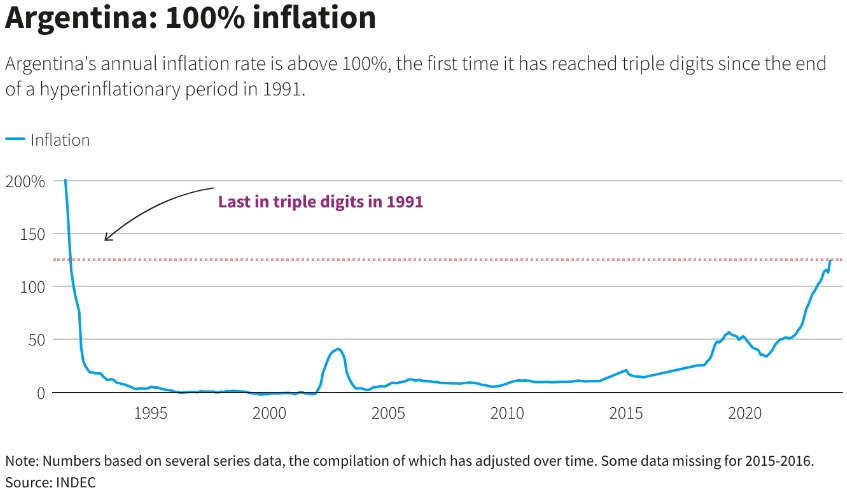
Writing about the economic tragedy of Argentina, I’ve explained that one major problem is inflation, thanks to that country’s version of “modern monetary theory.” This is not a trivial problem. Here’s a chart, from a recent report by Reuters, showing how prices have been rising for nearly 10 years and skyrocketing for the past three […]
The Worst Journalism of 2023
190308 [Webinar] Consistent Economic Policy and Economic Development
29 Dec 2023 Leave a comment
in applied price theory, budget deficits, business cycles, defence economics, economic growth, economic history, economics of information, Euro crisis, fiscal policy, fisheries economics, global financial crisis (GFC), great recession, growth disasters, growth miracles, history of economic thought, human capital, inflation targeting, labour economics, labour supply, macroeconomics, monetary economics, Public Choice, public economics, unemployment
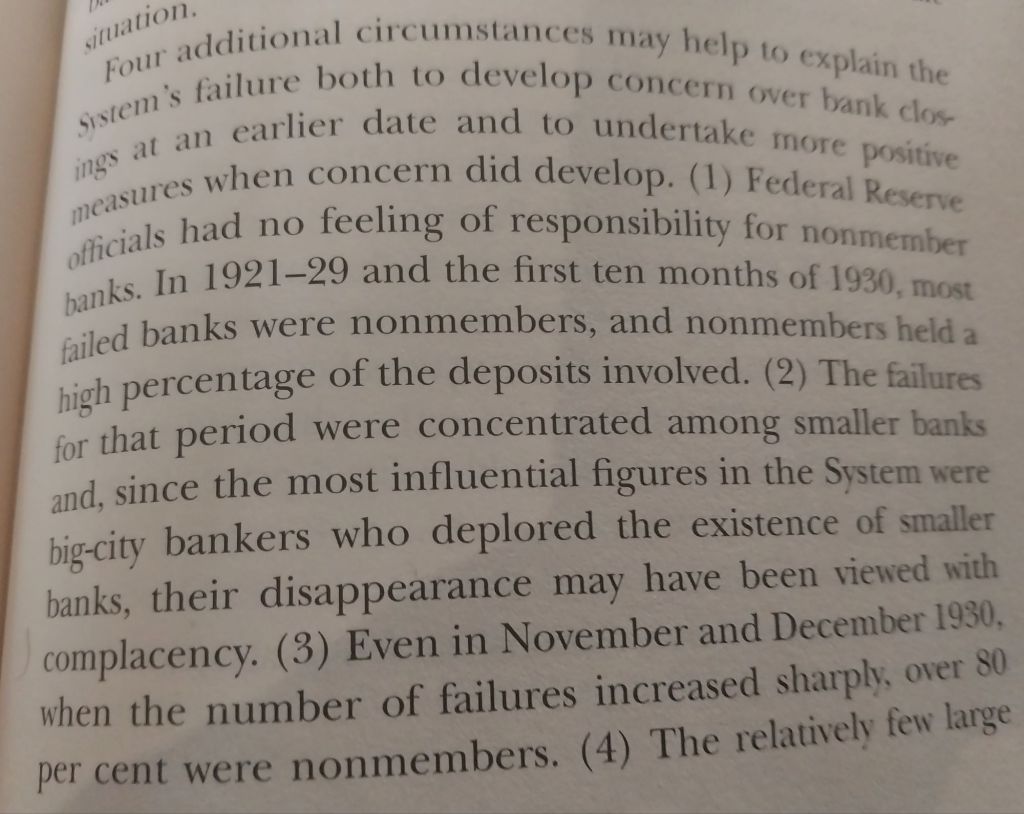
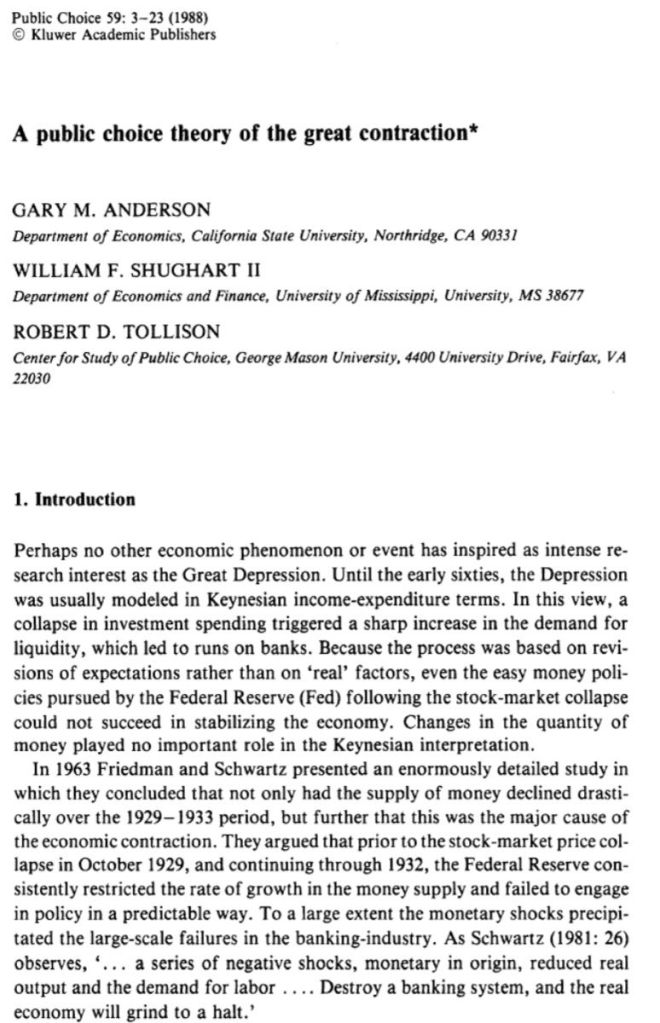
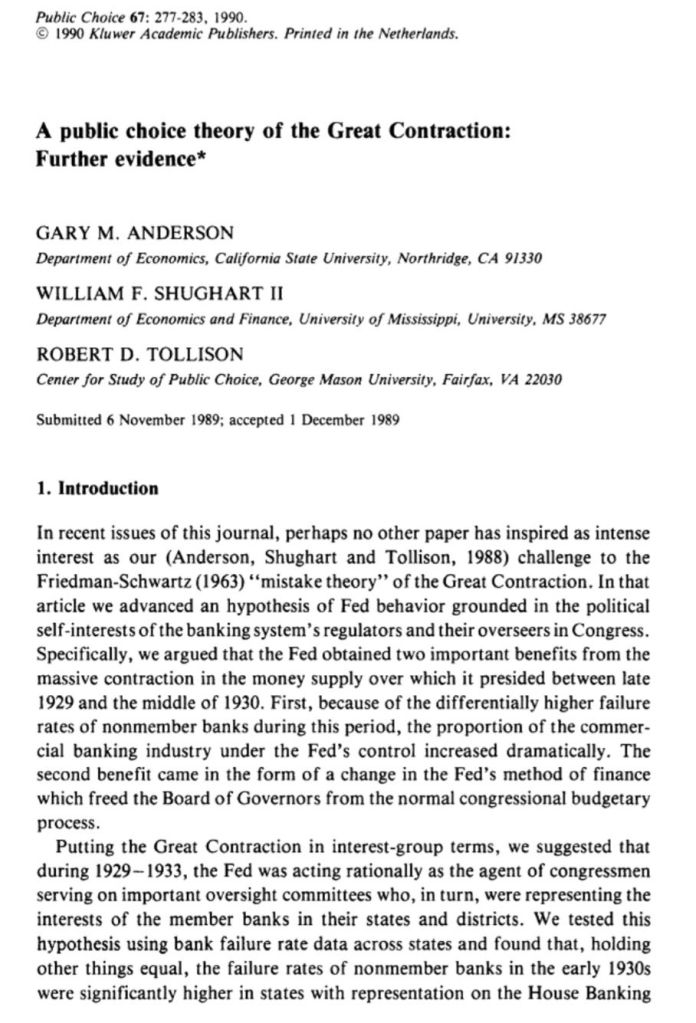
Friedman and Schwartz agreed with Anderson, Tollison and Shughart on the public choice origins of the Great Contraction!
28 Dec 2023 Leave a comment
in applied price theory, business cycles, economic history, economics of bureaucracy, great depression, history of economic thought, macroeconomics, Milton Friedman, monetarism, monetary economics, Public Choice, rentseeking Tags: monetary policy
Corporate Taxation, Ireland, and Jealousy
24 Dec 2023 Leave a comment
in applied price theory, economic growth, economic history, macroeconomics, public economics Tags: Ireland, taxation and entrepreneurship, taxation and investment
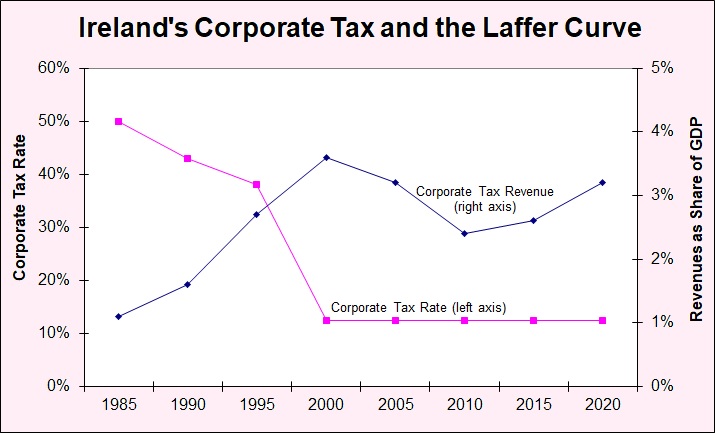
Two months ago, I wrote about a remarkable example of the Laffer Curve, involving Ireland’s low 12.5 percent corporate tax rate. According to the New York Times, Ireland was collecting so much corporate tax revenue that the government was having a hard time figuring out what to do with all the money (as you might […]
Corporate Taxation, Ireland, and Jealousy
Argentina Milei reform impressions
23 Dec 2023 Leave a comment
in applied price theory, budget deficits, business cycles, comparative institutional analysis, constitutional political economy, development economics, economic growth, economics of bureaucracy, economics of regulation, fiscal policy, growth disasters, history of economic thought, income redistribution, international economics, labour economics, law and economics, liberalism, libertarianism, macroeconomics, Marxist economics, monetary economics, property rights, Public Choice, public economics, rentseeking, unemployment Tags: Argentina
I didn’t have much time in Argentina, but I can pass along a few impressions about how Milei is doing, noting I hold these with “weak belief”: 1. He is pretty popular with the general population. He is also popular in B.A. in particular. People are fed up with what they have been experiencing. It […]
Argentina Milei reform impressions
FMI Public Speaker Series – Finn Kydland
23 Dec 2023 Leave a comment
in applied price theory, budget deficits, business cycles, comparative institutional analysis, development economics, economic growth, economic history, economics of bureaucracy, fiscal policy, global financial crisis (GFC), great depression, great recession, growth disasters, growth miracles, history of economic thought, human capital, income redistribution, labour economics, labour supply, macroeconomics, Public Choice, public economics, rentseeking
Finn E. Kydland Nobel Lecture at CERGE-EI
22 Dec 2023 Leave a comment
in applied price theory, budget deficits, business cycles, comparative institutional analysis, development economics, economic growth, economic history, economics of regulation, fiscal policy, global financial crisis (GFC), great depression, great recession, growth disasters, growth miracles, history of economic thought, human capital, income redistribution, labour economics, labour supply, macroeconomics, monetary economics, Public Choice, public economics
Unconvincing
21 Dec 2023 Leave a comment
in business cycles, economic history, global financial crisis (GFC), great recession, history of economic thought, inflation targeting, macroeconomics, monetary economics, politics - New Zealand Tags: monetary policy

The Herald ran an op-ed yesterday under the heading “Why the Government’s new Reserve Bank mandate may lead to worse outcomes”. It was written by Toby Moore who served as an economic adviser in Grant Robertson’s office while he was Minister of Finance (a fact the Herald chose not to disclose to its readers). I’m more […]
Unconvincing
 Utopia, you are standing in it!
Recent Comments