Celebrating humanity's flourishing through the spread of capitalism and the rule of law
14 Sep 2026 Leave a comment
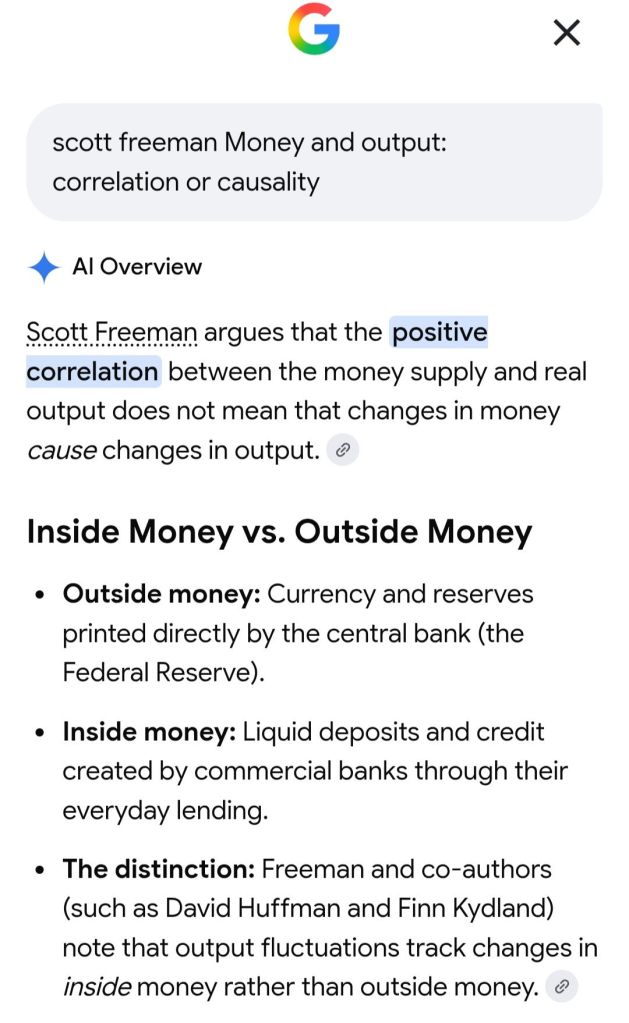
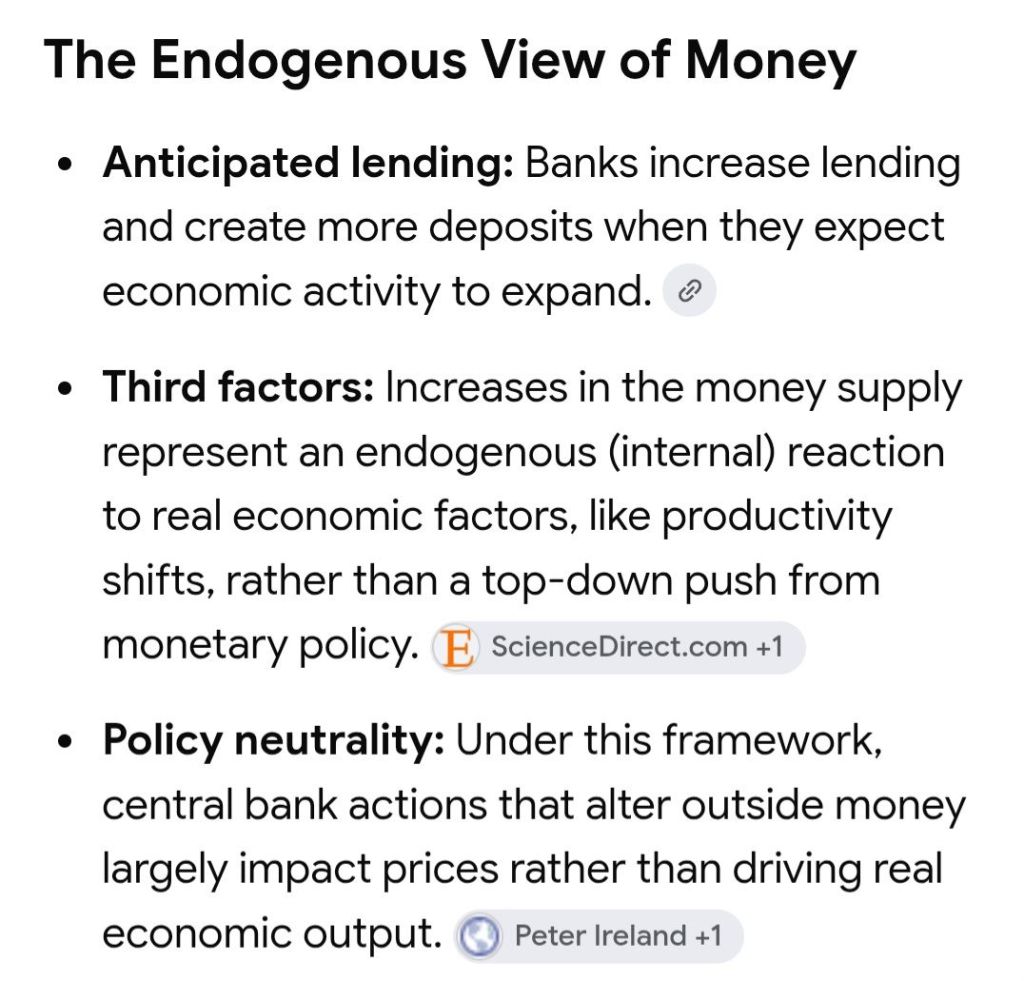
in applied price theory, business cycles, economic history, financial economics, history of economic thought, macroeconomics, Milton Friedman, monetarism, monetary economics Tags: quantity theory of money
14 Sep 2026 Leave a comment
in applied price theory, economic growth, economic history, macroeconomics, politics - USA Tags: The Great Enrichment
I have a four-part series (here, here, here, and here) documenting that Americans are getting richer over time, yet many people feel pessimism and dissatisfaction. This Kite & Key video helps to explain this seeming contradiction. If you don’t want to watch a 10-minute video, here are two charts that summarize the message. This first […]
How to Make Life Better for the Middle Class (and Everyone Else)
13 Sep 2026 Leave a comment
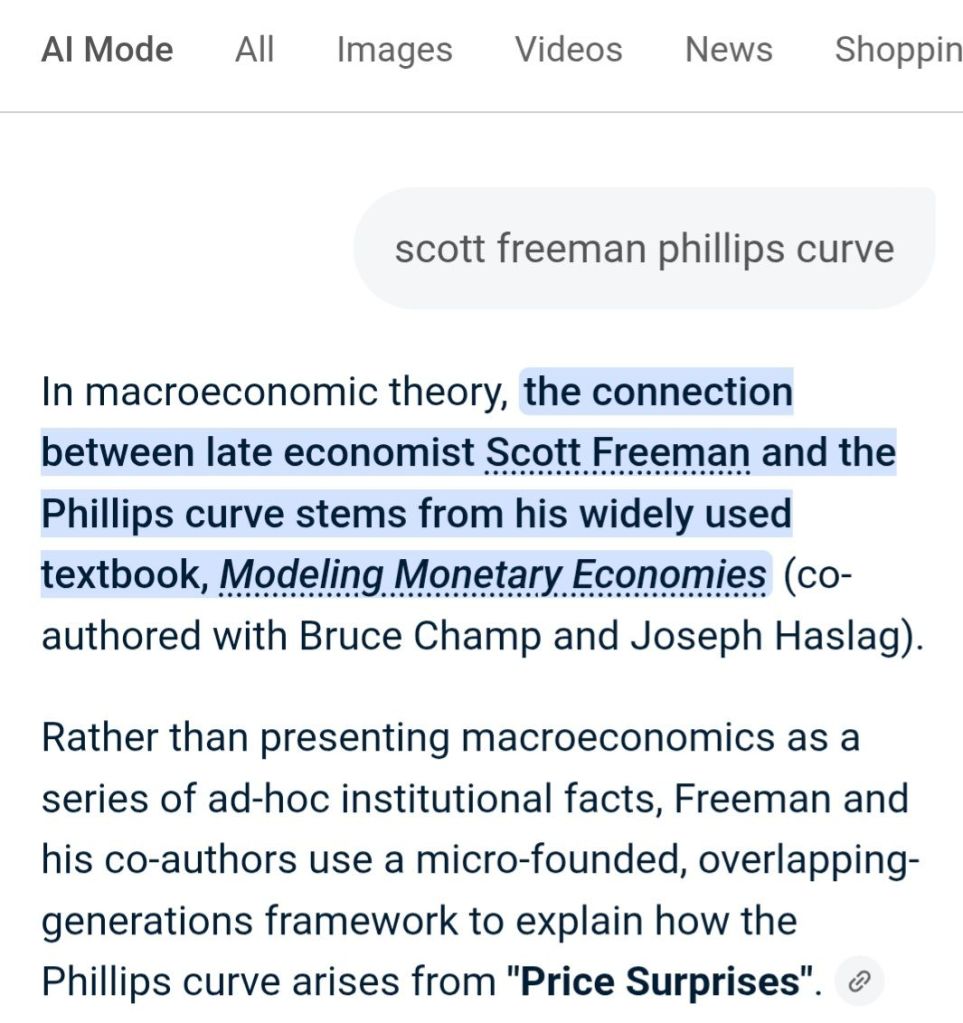
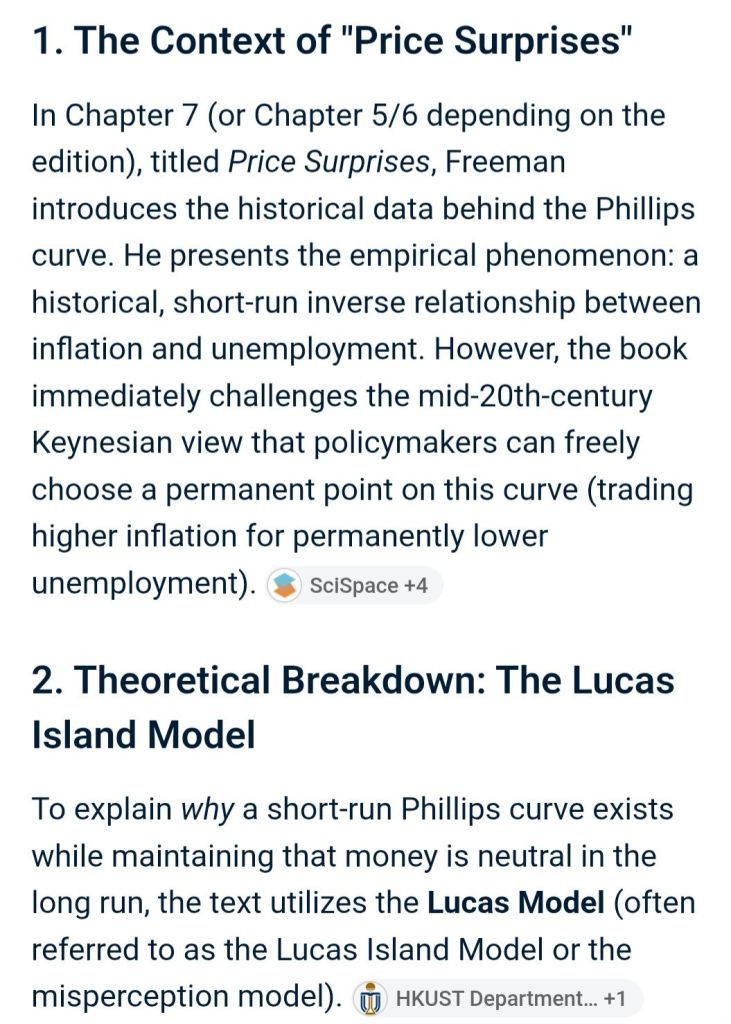
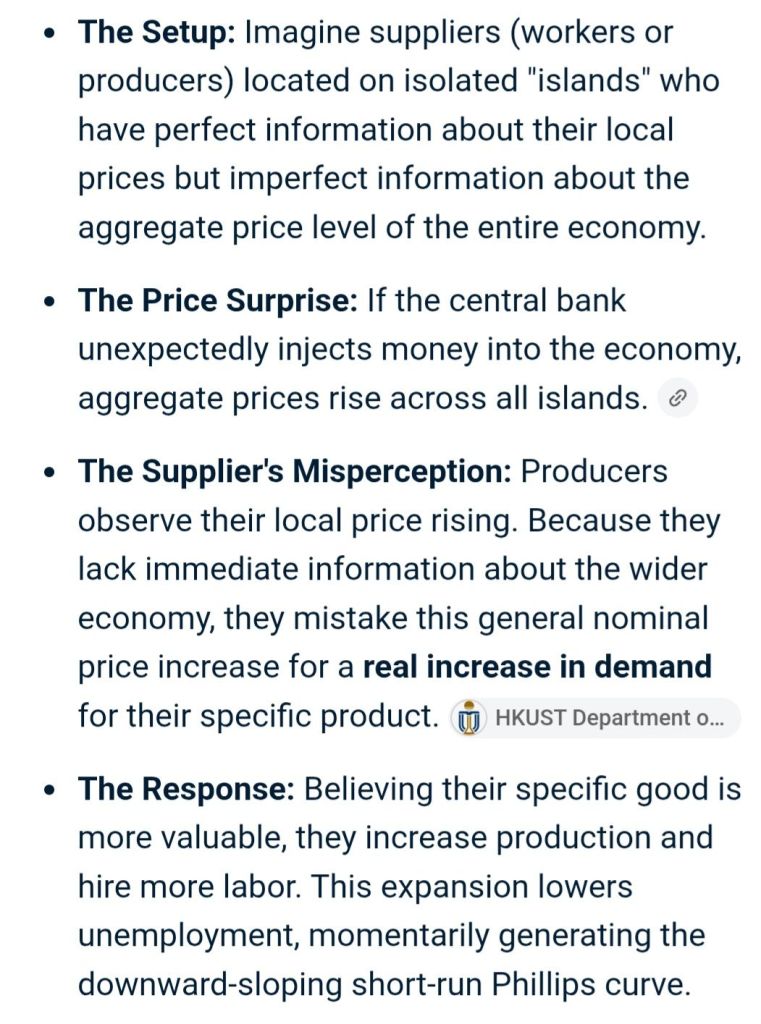
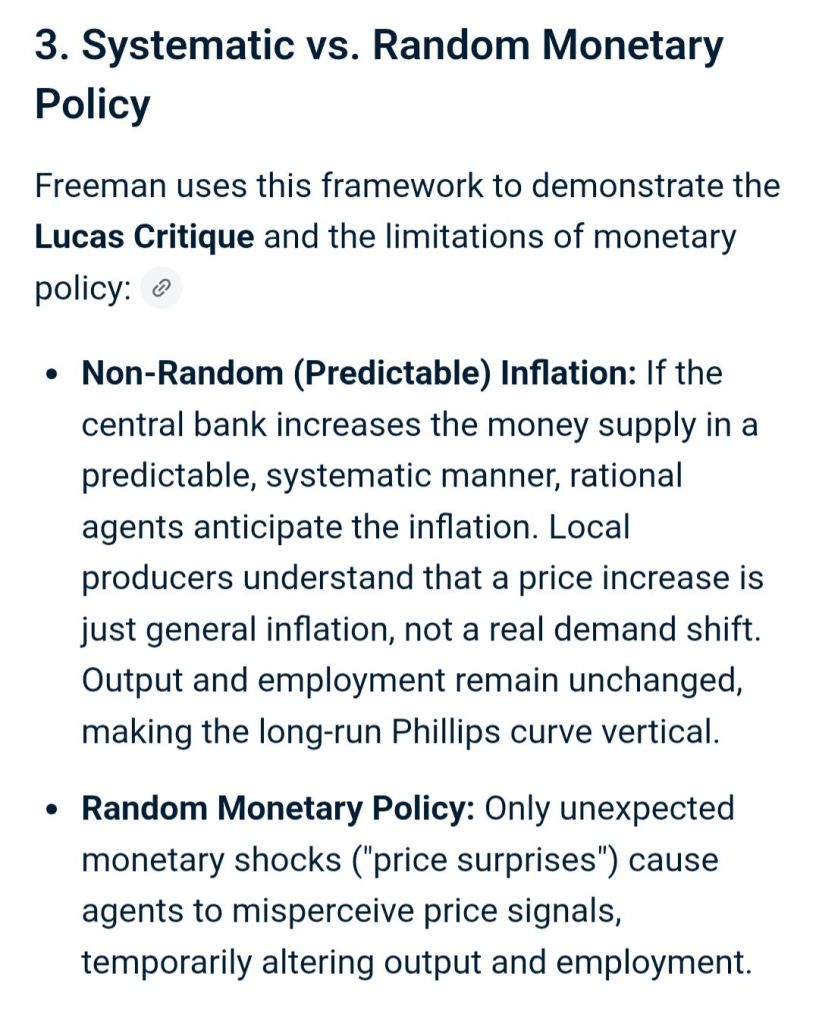
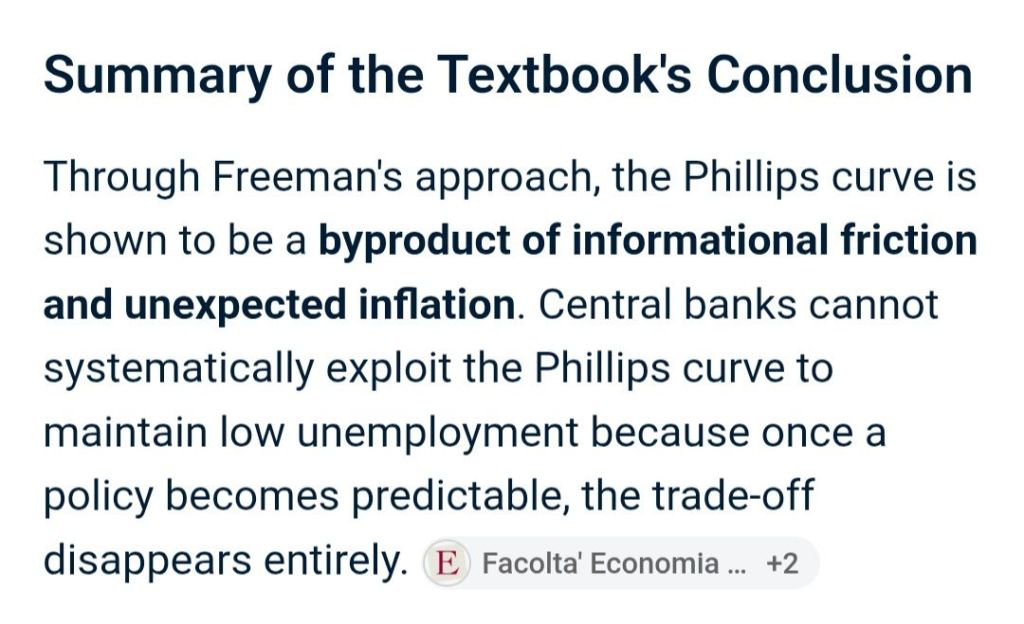
in applied price theory, business cycles, economics of information, history of economic thought, labour economics, labour supply, macroeconomics, Milton Friedman, monetarism, monetary economics, Robert E. Lucas, unemployment
12 Sep 2026 Leave a comment
in applied price theory, economic growth, economic history, economics of regulation, entrepreneurship, macroeconomics Tags: European Union

Regulation adds “clutter” to an economy, sort of akin to creating an obstacle course that workers and businesses have to navigate in order to be productive. In other words, red tape makes it harder to be profitable. And that reduces incentives to invest. And every economic theory agrees that less investment means less prosperity. That’s […]
The Pro-Growth Impact of Deregulation
12 Sep 2026 Leave a comment
in applied price theory, budget deficits, economic history, history of economic thought, macroeconomics, Milton Friedman, monetarism, monetary economics Tags: quantity theory of money


10 Sep 2026 Leave a comment
in applied price theory, economic growth, industrial organisation, macroeconomics Tags: creative destruction
By Anton Korinek, Charles I. Jones, Szymon Sacher, Tess Cotter, and Peter McCrory, a strong line-up from Anthropic. They are sober, reasoned, scientific, and (for the most part) dynamically consistent. Here is the paper, here is the abstract: This paper presents a framework for assessing the economic consequences of AI between 2026 and 2030. In…
Economic Scenarios for Transformative AI
10 Sep 2026 1 Comment
in discrimination, economic growth, economic history, economics of education, gender, history of economic thought, human capital, industrial organisation, labour economics, labour supply, macroeconomics, occupational choice, poverty and inequality, technological progress Tags: creative destruction, The Great Enrichment
Is new technology that replaces a worker a good thing? We have a tendency, it seems to me, to believe that most previous inventions turned out to have overall net social benefits, but to be worried that all future inventions will instead have overall net social costs. Philipp Ager and Davide Coluccia tackle the question of…
Did the Sewing Machine Reduce the Workload for Women?
02 Sep 2026 Leave a comment
in development economics, economic growth, growth disasters, growth miracles, liberalism, libertarianism, macroeconomics Tags: Argentina

The world’s worst-performing economy for 100 years has – in a remarkably short period of time – become an amazing case study of economic liberalization. Thanks to President Javier Milei, Argentina is now enjoying an economic miracle. In Part V of this series (previous versions here, here, here, and here), we’re going to illustrate Milei’s […]
The Milei Miracle, Part V
31 Aug 2026 Leave a comment
in budget deficits, business cycles, econometerics, economic growth, economic history, global financial crisis (GFC), great recession, history of economic thought, labour economics, macroeconomics, public economics, unemployment
30 Aug 2026 Leave a comment
in development economics, economic growth, economic history, growth miracles, history of economic thought, macroeconomics Tags: Chile

In 2012, I wrote that pro-market reforms had turned Chile into the Latin Tiger. But two years later, in 2014, I wrote a column fretting that a recently elected left-leaning government was going to undermine prosperity. Based on the Maddison data, my concerns were justified. The country’s economic performance can be divided into three periods. […]
Can Chile Once Again Become the Latin Tiger?
25 Aug 2026 Leave a comment
in economic growth, labour economics, labour supply, macroeconomics, population economics, public economics Tags: ageing society, European Union, population bust

The world’s most under-appreciated problem is demographic decline mixed with tax-and-transfer entitlement programs. Those two factors, when combined, are a massive problem. All of which is explained in my series on demographic change and fiscal crisis (see here, here, here, here, and here). Today, let’s focus on the problem in Europe, building on what I […]
Part II: Demographics + Entitlements = Europe’s Doom
05 Aug 2026 1 Comment
in economics of bureaucracy, inflation targeting, macroeconomics, monetary economics, politics - New Zealand, Public Choice Tags: monetary policy

A month or so ago the Reserve Bank announced the appointment of a new Assistant Governor (a deputy chief executive) responsible for its financial stability functions. That must have prompted a Bloomberg journalist to ask what was happening to the vacant position on the Monetary Policy Committee (given that, previously, Geoff Bascand and then Christian […]
Yet more “pretty (il)legal” stuff from the Reserve Bank
31 Jul 2026 Leave a comment
in applied price theory, fiscal policy, human capital, labour economics, labour supply, macroeconomics, poverty and inequality, welfare reform Tags: Germany

I’ve used the “most depressing chart” approach when writing about the United States, about Europe, about Japan, and about the western world. Today, let’s focus on Germany. And I’ll start with a caveat. I wrote about Germany earlier this month and that column included several charts that might qualify. Especially the last visual which showed […]
The Most Depressing Chart about Germany
31 Jul 2026 1 Comment
in fiscal policy, income redistribution, macroeconomics, politics - New Zealand, Public Choice, public economics, rentseeking
Any time you hear claims about American government, a sanity-inducing response is to ask whether they also are true of state and local governments. Here is an excerpt from my latest piece at The Free Press: First, in people’s daily lives, they typically interact with their state and local governments more than with the feds.…
Is America ruled by an oligarchy?
Celebrating humanity's flourishing through the spread of capitalism and the rule of law
Celebrating humanity's flourishing through the spread of capitalism and the rule of law
Celebrating humanity's flourishing through the spread of capitalism and the rule of law
Celebrating humanity's flourishing through the spread of capitalism and the rule of law
Celebrating humanity's flourishing through the spread of capitalism and the rule of law
Celebrating humanity's flourishing through the spread of capitalism and the rule of law
Celebrating humanity's flourishing through the spread of capitalism and the rule of law
Celebrating humanity's flourishing through the spread of capitalism and the rule of law
Celebrating humanity's flourishing through the spread of capitalism and the rule of law
A History of the Alt-Right
Econ Prof at George Mason University, Economic Historian, Québécois
Celebrating humanity's flourishing through the spread of capitalism and the rule of law
Scholarly commentary on law, economics, and more
Beatrice Cherrier's blog
Celebrating humanity's flourishing through the spread of capitalism and the rule of law
Celebrating humanity's flourishing through the spread of capitalism and the rule of law
Celebrating humanity's flourishing through the spread of capitalism and the rule of law
Why Evolution is True is a blog written by Jerry Coyne, centered on evolution and biology but also dealing with diverse topics like politics, culture, and cats.
Celebrating humanity's flourishing through the spread of capitalism and the rule of law
A rural perspective with a blue tint by Ele Ludemann
DPF's Kiwiblog - Fomenting Happy Mischief since 2003
Celebrating humanity's flourishing through the spread of capitalism and the rule of law
The world's most viewed site on global warming and climate change
Tim Harding's writings on rationality, informal logic and skepticism
A window into Doc Freiberger's library
Let's examine hard decisions!
Commentary on monetary policy in the spirit of R. G. Hawtrey
Thoughts on public policy and the media
Celebrating humanity's flourishing through the spread of capitalism and the rule of law
Politics and the economy
A blog (primarily) on Canadian and Commonwealth political history and institutions
Reading between the lines, and underneath the hype.
Economics, and such stuff as dreams are made on
"The British constitution has always been puzzling, and always will be." --Queen Elizabeth II
Celebrating humanity's flourishing through the spread of capitalism and the rule of law
Celebrating humanity's flourishing through the spread of capitalism and the rule of law
WORLD WAR II, MUSIC, HISTORY, HOLOCAUST
Undisciplined scholar, recovering academic
Celebrating humanity's flourishing through the spread of capitalism and the rule of law
Res ipsa loquitur - The thing itself speaks
In Hume’s spirit, I will attempt to serve as an ambassador from my world of economics, and help in “finding topics of conversation fit for the entertainment of rational creatures.”
Researching the House of Commons, 1832-1868
Reflections on books and art
Posts on the History of Law, Crime, and Justice
Celebrating humanity's flourishing through the spread of capitalism and the rule of law
Exploring the Monarchs of Europe


Recent Comments