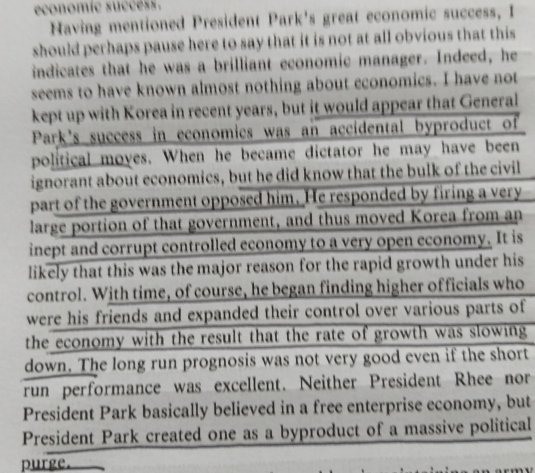
Gordon Tullock on an accidental economic miracle
20 Aug 2020 Leave a comment
in comparative institutional analysis, constitutional political economy, defence economics, development economics, economic history, economics of bureaucracy, economics of crime, economics of regulation, Gordon Tullock, growth disasters, growth miracles, history of economic thought, income redistribution, industrial organisation, international economics, labour economics, labour supply, law and economics, managerial economics, Marxist economics, organisational economics, property rights, Public Choice, rentseeking Tags: South Korea, The Great Escape
Batting blind on unconscious bias! @NZHumanRights relies on newspapers, blogs and YouTube clips!!
20 Aug 2020 Leave a comment
in discrimination, economics of bureaucracy, economics of education, human capital, labour economics, labour supply, law and economics, managerial economics, market efficiency, organisational economics, personnel economics, politics - New Zealand, Public Choice Tags: political correctness, racial discrimination, regressive left, sex discrimination

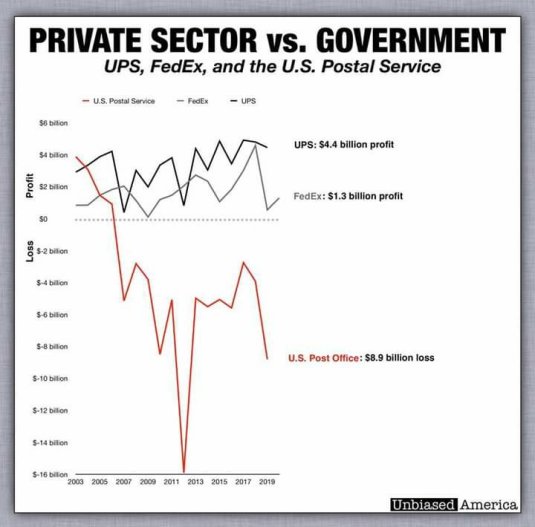
Spot the government owned business @AOC @BernieSanders
18 Aug 2020 Leave a comment
in applied price theory, economics of bureaucracy, entrepreneurship, industrial organisation, law and economics, managerial economics, market efficiency, Marxist economics, organisational economics, personnel economics, politics - USA, privatisation, property rights, Public Choice, survivor principle, transport economics Tags: offsetting behaviour, The fatal conceit, unintended consequences
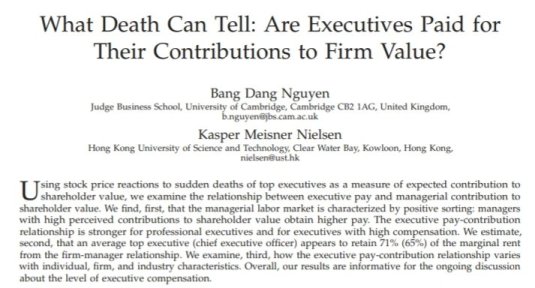
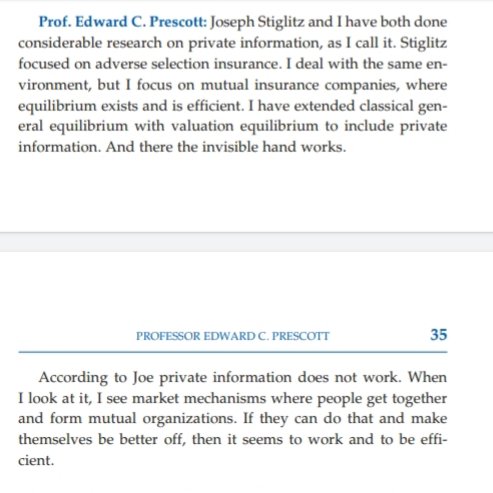
Nicholas Bloom on Management, Productivity, & Scientific Progress | Conversations with Tyler
13 Aug 2020 Leave a comment
in development economics, econometerics, economic history, economics of information, entrepreneurship, growth disasters, growth miracles, history of economic thought, industrial organisation, managerial economics, market efficiency, organisational economics, personnel economics, survivor principle
Steve Davis on #COVID19 as a reallocation shock
11 Jun 2020 Leave a comment
in applied price theory, economics of information, health economics, industrial organisation, labour economics, labour supply, macroeconomics, managerial economics, organisational economics, personnel economics, politics - Australia, politics - New Zealand, politics - USA, survivor principle, theory of the firm Tags: creative destruction, economics of pandemics
Global Pricing of Pharmaceutical Products: Richard Epstein on the Ethics of Global Health
04 Jun 2020 Leave a comment
in applied price theory, applied welfare economics, comparative institutional analysis, development economics, economic history, economics of information, economics of regulation, entrepreneurship, financial economics, income redistribution, industrial organisation, international economics, law and economics, managerial economics, market efficiency, organisational economics, politics - USA, property rights, Public Choice, Richard Epstein, Ronald Coase, survivor principle Tags: drug pricing, patents and copyright

A Day in the Life of a Socialist Citizen | Michael Walzer (1968) Dissent Magazine
03 May 2020 Leave a comment
in comparative institutional analysis, constitutional political economy, economics of bureaucracy, industrial organisation, labour supply, law and economics, managerial economics, Marxist economics, occupational choice, organisational economics, poverty and inequality, property rights, Public Choice, theory of the firm Tags: offsetting behaviour, The fatal conceit, unintended consequences

Myth of the Rational Voter
02 May 2020 Leave a comment
in applied price theory, economics of bureaucracy, economics of crime, economics of education, economics of information, economics of regulation, election campaigns, energy economics, environmental economics, history of economic thought, income redistribution, industrial organisation, international economics, labour economics, labour supply, law and economics, managerial economics, market efficiency, Marxist economics, minimum wage, organisational economics, personnel economics, politics - USA, population economics, property rights, Public Choice, public economics, rentseeking, resource economics, theory of the firm, transport economics, urban economics, welfare reform Tags: anti-foreign bias, anti-market bias, make-work bias, pessimism bias, rational ignorance, rational irrationality, regressive left
Agent-Based Modelling – 4.6.2 – Thomas Schelling, Part 1
20 Apr 2020 Leave a comment
in applied price theory, defence economics, economics of information, industrial organisation, labour economics, law and economics, managerial economics, organisational economics, Public Choice Tags: game theory
Infrastructure spending is back in the news @jamespeshaw @NZGreens @TaxpayersUmion
19 Apr 2020 Leave a comment
in economic history, economics of bureaucracy, fiscal policy, industrial organisation, managerial economics, organisational economics, politics - New Zealand, Public Choice, rentseeking, transport economics, urban economics Tags: megaprojects, The fatal conceit
Alfred Marshall on state ownership
17 Apr 2020 Leave a comment
in Alfred Marshall, applied price theory, comparative institutional analysis, economics of bureaucracy, history of economic thought, industrial organisation, law and economics, managerial economics, market efficiency, organisational economics, personnel economics, privatisation, property rights, Public Choice, public economics, survivor principle Tags: offsetting behaviour, state ownership, The fatal conceit, unintended consequences


Recent Comments