New Rule: White Shame | Real Time with @BillMaher
29 Sep 2019 Leave a comment
in discrimination, economic history, law and economics, politics - USA, televison Tags: political correctness
David D. Friedman – Market Failure: An Argument For & Against Govt. Intervention in the Economy 2019
29 Sep 2019 Leave a comment
in applied price theory, comparative institutional analysis, constitutional political economy, David Friedman, defence economics, economic history, economics of crime, law and economics, property rights Tags: market failure
Should We Fear The Next Big Solar Storm
29 Sep 2019 Leave a comment
in economic history, economics of natural disasters, energy economics, environmental economics
I now know why my parents, when I was young, rather looked down on hippies and long hair
29 Sep 2019 Leave a comment
in economics of media and culture

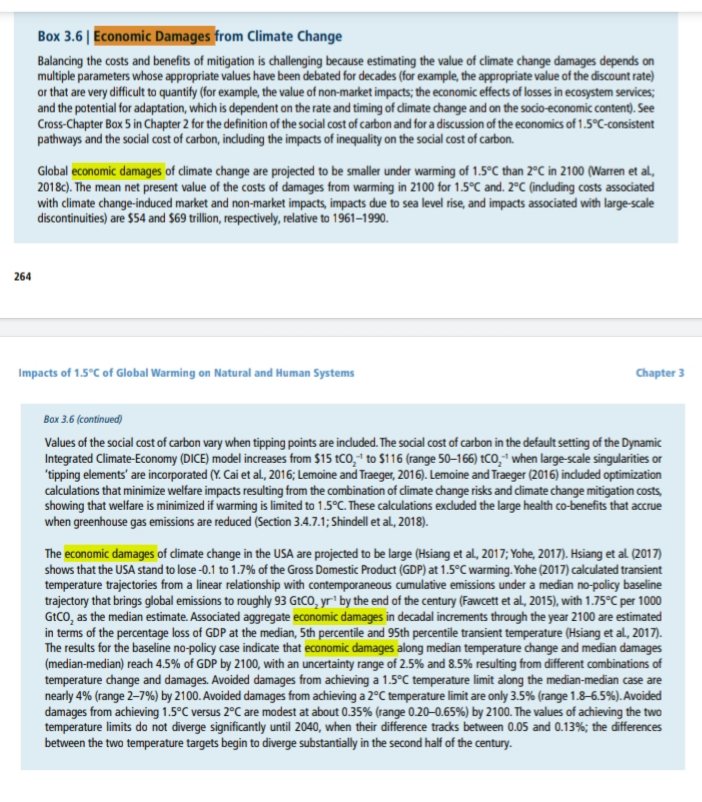
@IPCC_CH assessment of the cost of #globalwarming and missing 1.5C to survive @mfe_news @jamespeshaw
28 Sep 2019 Leave a comment
in applied welfare economics, environmental economics, global warming, politics - New Zealand, politics - USA Tags: climate alarmism
Bruce Moon: Before 1840
28 Sep 2019 Leave a comment


This illuminating article by Bruce Moon (no relation to Paul) appeared in the Northland Age last Thursday.
________________________
It is a curious fact that there are many part-Maoris today (though certainly not all) who have remarkably good memories about their alleged sufferings since 1840, but completely blank minds about what happened to them any earlier.
It is not hard to work out why this should be.
But it is more helpful, perhaps, to assist them in remembering a bit more about their earlier days.
When Europeans first arrived in New Zealand, Maoris were an aggressive warrior race, ready to attack for the slightest reason, as Tasman found out quickly to his cost. [1]
This happened again when, just over a couple of years after Captain Cook, Marion du Fresne arrived off our shores.
While fishing innocently in calm waters, as he thought, he broke a tapu unknown to him.
His…
View original post 1,138 more words
Jack Simson Caird: The Supreme Court and Parliament: The Constitutional Status of Checks and Balances
28 Sep 2019 Leave a comment

 There have been two competing visions of the constitution battling it out since the Brexit referendum in 2016, which David Howarth described on this blog as the Whitehall view and the Westminster view. The Whitehall view is that the UK constitution, and the relationship between Parliament and Government in particular, is designed to allow the Government of the day to deliver its promises to the electorate. Parliament’s role is to scrutinise how those promises, as well the everyday decisions of Government, are delivered, no more no less. The relationship between Parliament and Government is a purely political one, and therefore raises no questions that are relevant to the courts. The Westminster view, I would argue, is based on the notion that the UK constitution is based on a number of constitutional principles that ensure that Parliament is ‘the senior partner’. Those principles, despite not being codified and subject to legislative…
View original post 1,030 more words
Climate Alarmism Isn’t Rational
28 Sep 2019 Leave a comment

Bjorn Lomborg, Director of the Copenhagen Consensus Center, breaks down the facts about the environment and shows why the reality of climate change may be very different from what you hear in the media.
Don’t overhype the link between climate change and hurricanes
28 Sep 2019 Leave a comment

by Judith Curry
Doing so erodes scientific credibility — and distracts from the urgent need to shore up our vulnerability to storms’ impacts.
View original post 1,192 more words
Robert Trivers on the evolutionary biology of social cooperation
28 Sep 2019 Leave a comment
in comparative institutional analysis, economics of education, economics of information, law and economics Tags: evolutionary psychology

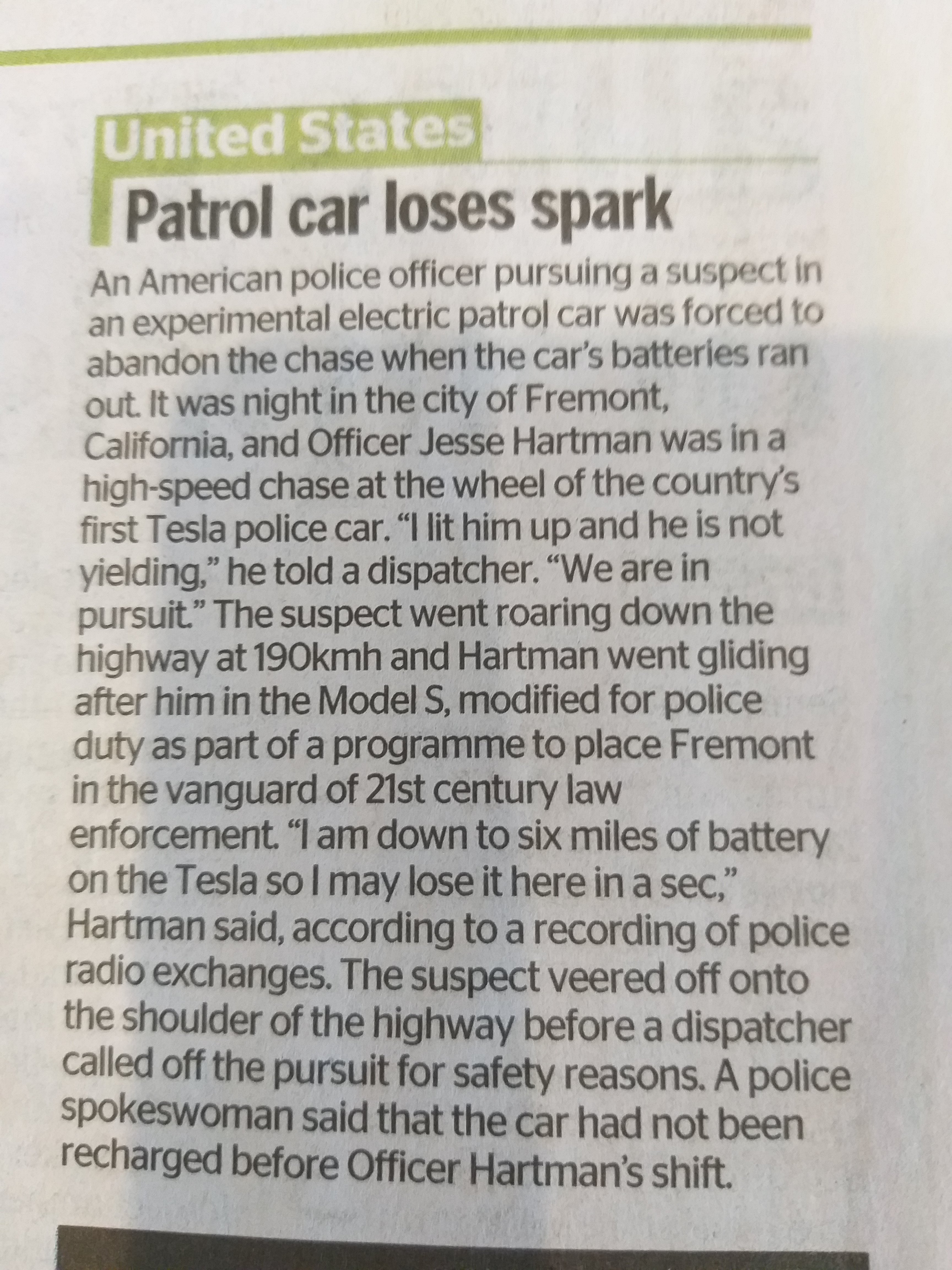
Will @AOC @BernieSanders @SenWarren @NZGreens @greenpeace @oxfam pledge to only call electric ambulances?
28 Sep 2019 Leave a comment
in energy economics, environmental economics, global warming, politics - New Zealand, politics - USA Tags: climate alarmism, electric cars
Becroft reckons we are too young and impulsive at age 17 to be treated as adults in court – but we are fit to vote at age 16
28 Sep 2019 Leave a comment

The recently launched ‘Make It 16’ campaign – aimed at lowering the voting age in New Zealand to 16 – has support from Children’s Commissioner Judge Andrew Becroft.
Becroft said lowering the voting age would enhance turnout, ingrain the habit of voting and uphold young people’s rights.
If this be so, why stop at 16?
Becroft says
“Children and young people have the right to have their voices heard and taken into account.”
This suggests there should be no age limit.
View original post 201 more words
The Supreme Court ruling in Cherry/Miller (No.2), and the power of parliament
28 Sep 2019 Leave a comment

 This week’s Supreme Court judgment against Boris Johnson on parliament’s prorogation has shaken British politics and will be looked back on as a landmark case. Yet at the same time, Meg Russell argues, it simply reinforces the core principle of parliament’s centrality in our constitution. There has long been a myth of executive-dominance in the British system. Perhaps after this case, the fact that the government gains its power and authority from parliament will be better recognised – by those both inside and outside the system.
The Supreme Court’s judgment in the prorogation case was damning. Short of deciding that Boris Johnson had misled the Queen (which would be difficult to know, given private conversations) the court issued the strongest possible condemnation on all counts. The government had argued that prorogation was non-justiciable: i.e. not a matter in which the courts could get involved. The justices instead ruled it justiciable…
View original post 1,251 more words


Recent Comments