The Civil War, Part I: Crash Course US History #20
24 Jul 2019 Leave a comment
in defence economics, economic history, law and economics, politics - USA, Public Choice Tags: American Civil War
Could solar geoengineering counter global warming? | The Economist
24 Jul 2019 Leave a comment
in environmental economics, global warming Tags: Anti-Science left, climate alarmists
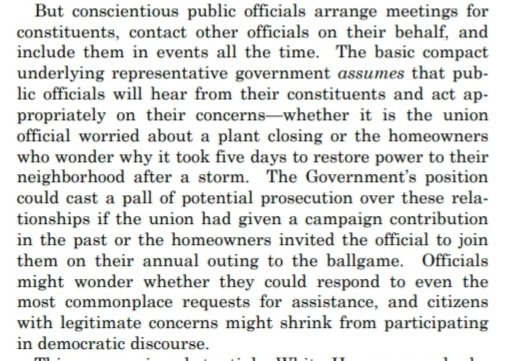
Democracy in action is about access and influence
24 Jul 2019 Leave a comment
in comparative institutional analysis, constitutional political economy, economics of bureaucracy, economics of crime, law and economics, politics - USA, Public Choice, rentseeking Tags: bribery and corruption
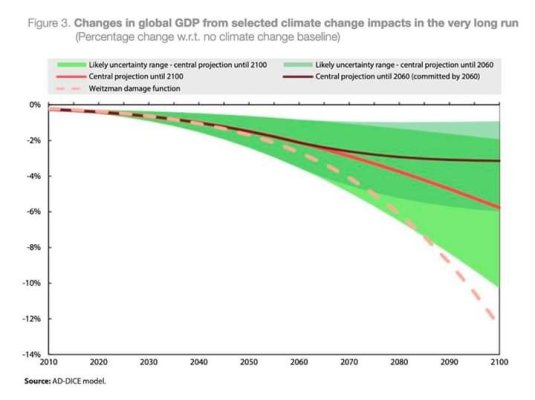
All of these social damage estimates are still small and smaller than the cost of the Zero Carbon Bill
24 Jul 2019 Leave a comment
in energy economics, environmental economics, global warming, politics - New Zealand Tags: climate alarmism
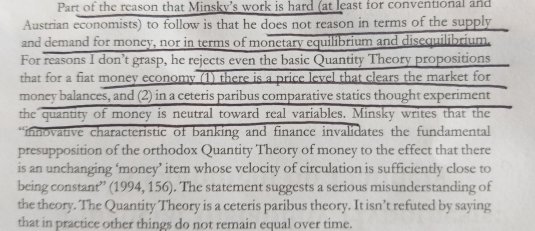
Larry White (?) on the Minsky model of financial crises
24 Jul 2019 Leave a comment
in business cycles, macroeconomics, monetary economics Tags: Post-Keynesian macroeconomics
The Poison of Precaution: The Anti-Science Mindset
24 Jul 2019 Leave a comment

In last year’s excellent book, The Wizard and the Prophet, Charles Mann juxtaposed two polemics on the environment in the 1940s during the turning point of agricultural development: Norman Borlaug and William Vogt. Borlaug (the Wizard) took the scientific approach to innovate and develop new tools to solve problems facing agriculture. Vogt (the Prophet and arguably the founder of the modern environmental movement) would see an environmental problem as a reason for man to pull back and let the planet heal itself.
To this day, both approaches (to innovate or to pull back and take precaution) have defined environmental debates. There is no doubt which side I fall on. Borlaug’s scientific route has allowed humanity to thrive over the last 70 years. The Green Revolution in agriculture led to global economic expansions as abundance led to generations of risk-takers being able to leave the land and develop other opportunities…
View original post 2,555 more words
Norwegians are a bunch of nosey parkers @women_nz @NZHumanRights @EricCrampton
24 Jul 2019 Leave a comment
in economics of information, economics of media and culture, labour economics, poverty and inequality Tags: economics of privacy, The fatal conceit, unintended consequences

Alan Manning explains how inserting the language of market power into labour markets doesn’t mean worker exploitation at all
24 Jul 2019 Leave a comment


The Election of 1860 & the Road to Disunion: Crash Course US History #18
24 Jul 2019 Leave a comment
in economic history, economics of crime, income redistribution, law and economics, politics - USA, property rights, Public Choice, rentseeking Tags: American Civil War
Electric Planes Are Here! Hybrids, actually, because of energy density and recharging times
24 Jul 2019 Leave a comment
in energy economics, environmental economics, global warming, transport economics
Jonathan Pie on High Speed Rail HS2 @the_tpa @TaxpayersUnion
24 Jul 2019 Leave a comment
in energy economics, environmental economics, global warming, Public Choice, transport economics Tags: British politics, megaprojects
The Age of Borders: Most Boundaries Barely A Century Old
24 Jul 2019 Leave a comment


This brilliant map by Norse Redditor PisseGuri82 explores the question, “When were the world’s current international borders first defined?” Today’s international borders loom large in the consciousness of people around the world. Ask anyone to imagine a world map, and the first thing that they will think of is the outlines of various modern nation-states. But that was not always the case. Far from being an innate feature of our planet’s landscape, or even having significant historical basis, most of the world’s international borders were only created in the 20th century, and they came into existence with only the stroke of a pen.
Below is the cartographer’s description of their process:
Researching this has been painstaking, because a lot of the sources are fuzzy. Even the facts are fuzzy, different cultures have had different systems for defining a ruler’s area of influence and which rulers together form a larger entity. National…
View original post 764 more words


Recent Comments