3 People Who Probably Saved Your Life
06 Jul 2019 Leave a comment
in economic history, health economics Tags: The Great Escape


Alan Walters predicted this in the 1960s
06 Jul 2019 Leave a comment
in economic history, macroeconomics, monetarism, monetary economics

THE SUCCESS OF THE FED AND THE DEATH OF MONETARISM. By: KISHOR, N. KUNDAN, KOCHIN, LEVIS A., Economic Inquiry, Jan2007, Vol. 45, Issue 1
Alpine Madness: Austria Takes The Caretaker Convention to the Extreme
05 Jul 2019 Leave a comment

 Chancellor Kurz addresses the Austrian National Council just before losing its confidence.
Introduction
A series of strange events has recently befallen Austria. It began with political scandal and the collapse of the coalition government between Sebastian Kurz’s People’s Party and Heinz-Christian Strache’s Freedom Party and ended a few weeks later with the President of Austria appointing a “technocratic provisional government” composed of judges and civil servants, who will now steer the ship of state as a caretaker cabinet until early elections in September. The details of what precipitated the coalition government’s collapse would have seemed outlandish prior to, say, 2016, but now seem both depressingly believable and yet still absurd. The final outcome of the political scandal has taken the caretaker convention to its logical extreme because of the peculiarities of Austria’s constitution and its provisions surrounding non-confidence, early dissolution, and government formation.
View original post 4,660 more words
Schelling (1962) on the futility of nuclear disarmament movements
05 Jul 2019 Leave a comment
in defence economics, war and peace

Schelling, Thomas C. “The Role of Deterrence in Total Disarmament.” Foreign Affairs 40, no. 3 (1962): 392-406
Related Reading: “The Patriarch: The Remarkable Life and Turbulent Times of Joseph P. Kennedy” by David Nasaw
05 Jul 2019 Leave a comment
And the @NZGreens @maramardavidson still wonder why some kids are taken into care
05 Jul 2019 Leave a comment

A new BIS paper that undermines the Reserve Bank’s case
05 Jul 2019 2 Comments

At the end of my long post yesterday on the Reserve Bank’s latest efforts to spin the Governor’s plans to increase very markedly minimum capital ratios for locally-incorporated banks, I noted
PS. As Martien Lubberink at Victoria has pointed out there is another international agency paper out just recently that really doesn’t help the Bank’s case much if at all. I might touch on that tomorrow.
His post is here (complete with the sly – if obscure, presumably deliberately so, to readers – dig at the Governor in the final paragraph).
The paper he was referring was recently published by the Bank for International Settlements as a Working Paper of the Basel Committee on Banking Supervision, with the title “The costs and benefits of bank capital – a review of the literature”. The paper was released only a couple of weeks ago, and it should be studied carefully…
View original post 1,751 more words
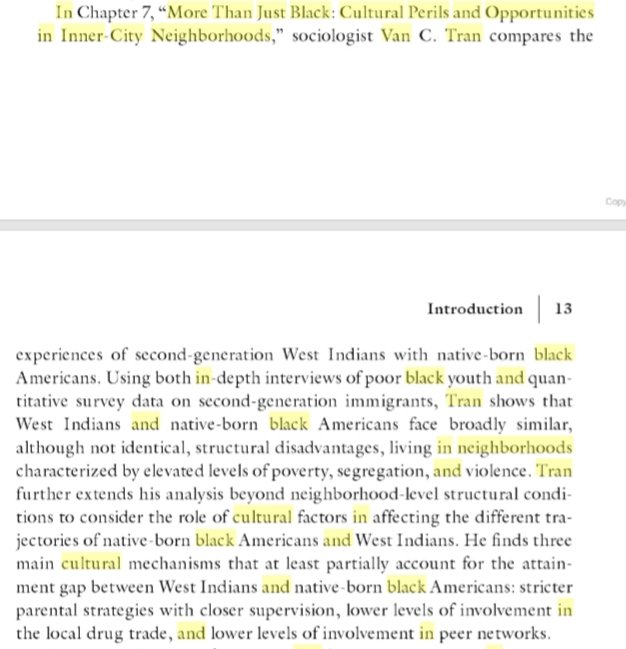
Structural & police racism in neighbouring ethnic enclaves in NYC @sst_nz @NZHumanRights. (Racists can’t tell 2nd gen. West Indians apart from other blacks when discriminating and oppressing)
05 Jul 2019 Leave a comment
in discrimination, econometerics, economics of crime, economics of education, human capital, law and economics, politics - USA, poverty and inequality Tags: racial discrimination
David Card on George Borjas and immigration
05 Jul 2019 Leave a comment
in applied price theory, applied welfare economics, labour economics, labour supply, politics - USA Tags: economics of immigration, endogenous growth theory
Yikes! Two of My Favorite Economists Go Against Each Other
05 Jul 2019 Leave a comment

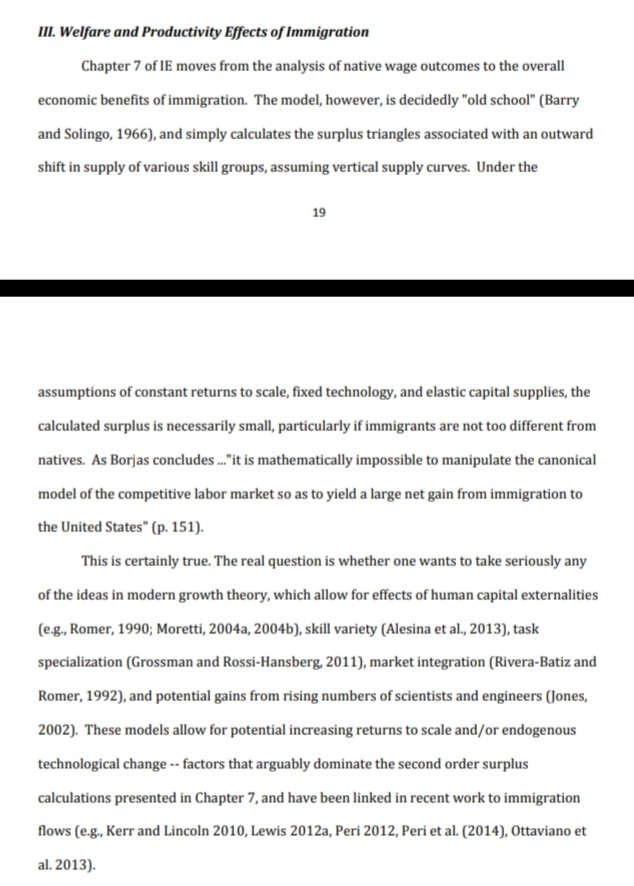
One of the classic academic studies of the effects of immigration on low-skilled Americans is that of David Card, concerning the Mariel Boatlift. Card found that the sudden Cuban influx had little or no adverse work impact on native African-Americans. Lately George Borjas, one of my favorite economists, has disputed Card’s findings, only to find my UC Davis colleague Giovanni Peri disagreeing. Needless to say, Borjas has been responding to Peri. And today I was taken aback to find that another of my favorite economists, Jennifer Hunt, also disagrees with Borjas.
I have been quite open in pointing out that Peri, while very sharp and by the way very personable, generally does not cite work by those taking views opposite his — a grievous academic transgression — and is prone to contradicting his own work, as I have explained before and is also seen in the first link…
View original post 369 more words
@_AAAP_prioritises virtue signalling over effective lobbying for more for the poorest mothers on the benefit
05 Jul 2019 Leave a comment

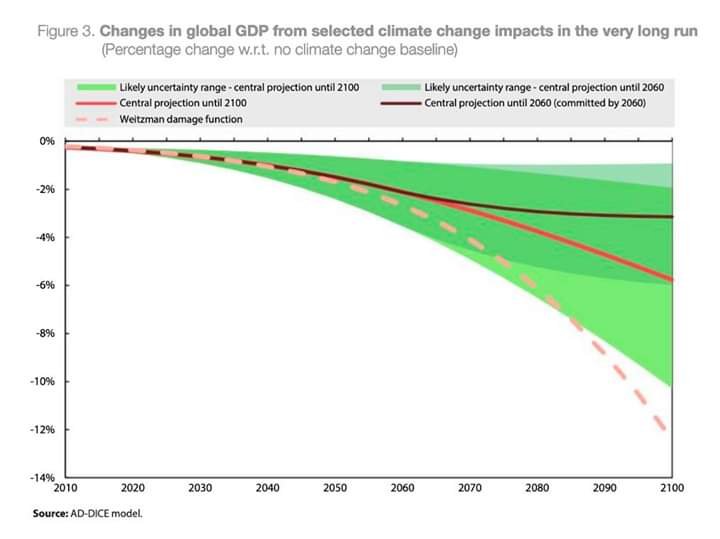
@OECD via @GarethShute @TheSpinoffTV show how small the cost of #globalwarming will be. GDP will several fold larger in 2100 so roll with the punches is best policy
05 Jul 2019 Leave a comment
in applied welfare economics, development economics, energy economics, environmental economics, global warming, politics - New Zealand Tags: climate alarmism
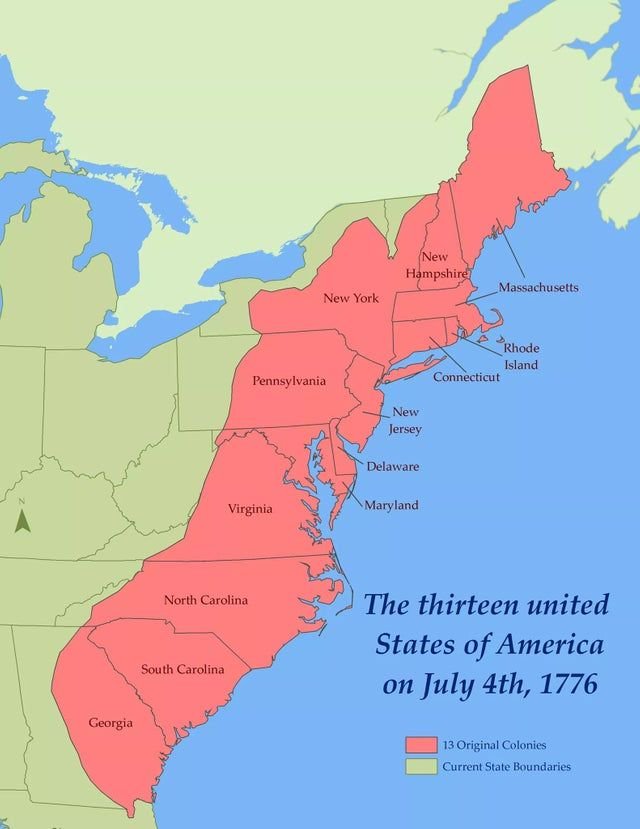
Their original boundaries
05 Jul 2019 Leave a comment
in economic history, politics - USA Tags: American revolution, economics of borders, maps


Recent Comments