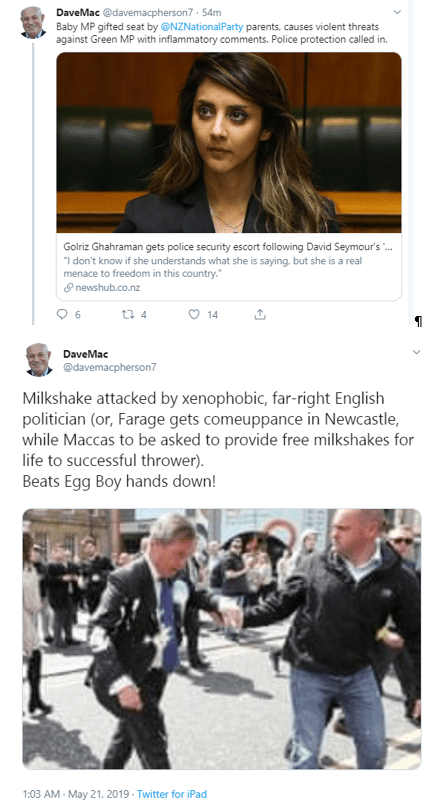
Open letter to associate professor sharpens the focus on Treaty of Waitangi and its influence on governance
21 May 2019 Leave a comment
maori sought British colonisation to bring an end to the risk of another musket war and because the alternatives of French colonisation was worse

A champion of the growing practice of appointing iwi representatives to sit with elected representatives on local authority decision-making bodies didn’t have a great deal to say, when questions were emailed to her.
Much of the little she did say – published on Point of Order last month – has been challenged by Bruce Moon in an open letter posted on Breaking Views.
The thrust and parry were triggered by governance changes on the Hastings District Council, which last month voted to appoint Māori representatives with speaking and voting rights to its four standing committees.
The council press statement which announced the decision noted 25 per cent of the local population is Māori and five of the council’s 14 elected members (33 per cent of the total) have identified as being of Maori descent.
The council voted in favour of appointing more Maori to join the elected ones “to be…
View original post 920 more words
WordPress once again helps the Pakistani government block my “blasphemous” Jesus and Mo posts
21 May 2019 Leave a comment

I think this must be the third time that WordPress has cooperated with the Pakistani government in blocking “blasphemous” content on my site. The blasphemy, as you’ll see from the three links singled out, involves reproducing Jesus and Mo cartoons, which have apparently hurt the feelings of Muslims. Indeed, I seem to have committed a crime.
Here’s the letter from WordPress, with the Pakistani complaint below:
Hello,
A Pakistan authority has demanded that we disable the following content on your WordPress.com site:
https://whyevolutionistrue.files.wordpress.com/2012/03/2012-03-14.png?w=1000
https://whyevolutionistrue.files.wordpress.com/2012/10/2012-10-31.png
https://whyevolutionistrue.files.wordpress.com/2015/02/2015-02-25.png?w=522&h=522Unfortunately, we must comply to keep WordPress.com accessible for everyone in the region. As a result, we have disabled this content only for Internet visitors originating from Pakistan. They will instead see a message explaining why the content was blocked.
Visitors from outside of Pakistan are not affected.
You and your readers may be interested in these suggestions for bypassing Internet restrictions.
For your…
View original post 201 more words
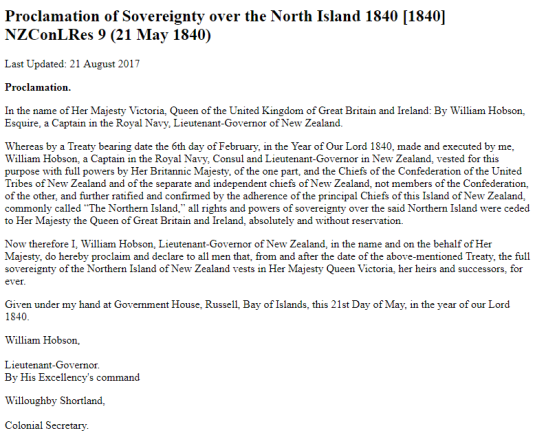
#MeToo offence archeologists overlooked Martin Luther King, a man very much of his patriarchal times as an Ebony magazine agony aunt columnist
21 May 2019 Leave a comment
in discrimination, economics of love and marriage, gender, politics - USA Tags: marriage and divorce, sex discrimination

Sam Peltzman Regulation and the wealth of nations
21 May 2019 Leave a comment
in applied price theory, development economics, economic growth, economic history, economics of regulation, environmental economics, health economics, industrial organisation, labour economics, law and economics, Public Choice, Sam Peltzman, transport economics
Britain’s Most Daring WW2 Raid
21 May 2019 Leave a comment
in defence economics, laws of war, war and peace Tags: World War II
Byzantium: The Apogee by John Julius Norwich (1991)
20 May 2019 Leave a comment

By the tenth century to be a eunuch was, for a promising youth about to enter the imperial service, a virtual guarantee of advancement; many an ambitious parent would have a younger son castrated as a matter of course. (p.130)
This is a timeline of Byzantine emperors between 802 and 1081, based on John Julius Norwich’s book, Byzantium: The Apogee (1991).
This book is volume two in his three-volume history of the Byzantine Empire, and the first thing you notice is that although the book is a similar length to the first one (389 pages to volume one’s 408), it covers only half the number of years (478 years in volume one, 281 in this volume). The reason is that there are more sources for this later period, and the sources are more complete, and so our histories can be more detailed.
Permanently embattled
By the time this book starts…
View original post 10,412 more words
Do Trigger Warnings Really Help?
20 May 2019 Leave a comment
in health economics Tags: economics of mental illness
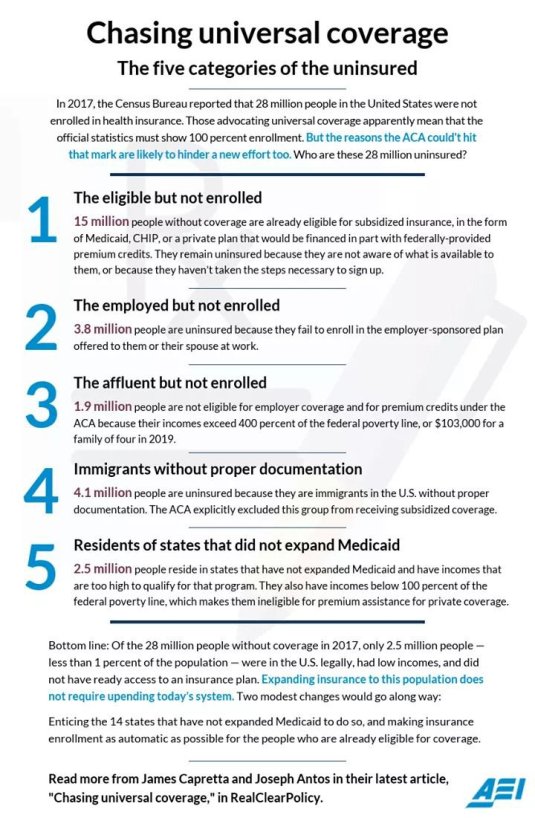
I thought Obamacare made health care universal?
20 May 2019 Leave a comment
in health economics, politics - New Zealand, public economics Tags: health insurance, social insurance
A sweeping endorsement of nobel savage anthropology by @ChiefSciAdvisor! What does it say for inevitability of men imposing patriarchy?
20 May 2019 Leave a comment
in discrimination, economic history, economics of bureaucracy, economics of crime, gender, law and economics, politics - New Zealand, Public Choice Tags: law and order, political correctness

Dr. Popper: Or How I Learned to Stop Worrying and Love Metaphysics
20 May 2019 Leave a comment

Introduction to Falsificationism
Although his reputation among philosophers was never quite as exalted as it was among non-philosophers, Karl Popper was a pre-eminent figure in 20th century philosophy. As a non-philosopher, I won’t attempt to adjudicate which take on Popper is the more astute, but I think I can at least sympathize, if not fully agree, with philosophers who believe that Popper is overrated by non-philosophers. In an excellent blog post, Phillipe Lemoine gives a good explanation of why philosophers look askance at falsificationism, Popper’s most important contribution to philosophy.
According to Popper, what distinguishes or demarcates a scientific statement from a non-scientific (metaphysical) statement is whether the statement can, or could be, disproved or refuted – falsified (in the sense of being shown to be false not in the sense of being forged, misrepresented or fraudulently changed) – by an actual or potential observation. Vulnerability to potentially contradictory…
View original post 5,323 more words


Recent Comments