Thomas Sowell – A Closer Look At Discrimination
16 Jan 2019 Leave a comment
in economics of education Tags: racial discrimination, sex discrimination
Steven Pinker & Elizabeth Spelke | The Science of Gender & Science | Mind Brain Behavior Discussion
16 Jan 2019 Leave a comment
in discrimination, economic history, economics of education, gender, health economics, human capital, occupational choice Tags: cognitive psychology, gender wage gap
The House of Commons and the Brexit deal: A veto player or a driver of policy?
16 Jan 2019 Leave a comment

 With parliament set to vote on the government’s Brexit deal today, there is much speculation about what will happen if it is rejected. Here, former Clerk of Committees Andrew Kennon analyses the potential scenarios, including whether or not the House of Commons could end up running the country directly.
A key concern for the House of Commons when voting on the proposed deal with the European Union will be not only the merits of the agreement itself, but what happens if it is defeated. In theory, parliament – and in particular the House of Commons – is the ultimate source of constitutional authority within the UK system. But, in this particular circumstance, if MPs reject what is on offer, will they be able to take the initiative and impose a different course of action, or will they simply have to wait for the government to act?
The key problem for…
View original post 1,374 more words
The Price of the Poor’s Words: Social Relations and the Economics of Deposing for One’s “Betters” in Early Modern England
15 Jan 2019 Leave a comment

by Hillary Taylor (Jesus College, Cambridge)
This article is published by The Economic History Review, and it is available on the EHS website
 Poverty and Wealth. Available at Wikimedia Commons
Late sixteenth- and early seventeenth-century England was one of the most litigious societies on record. If much of this litigation was occasioned by debt disputes, a sizeable proportion involved gentlemen suing each other in an effort to secure claims to landed property. In this genre of suits, gentlemen not infrequently enlisted their social inferiors and subordinates to testify on their behalf.[1] These labouring witnesses were usually qualified to comment on the matter at hand a result of their employment histories. When they deposed, they might recount their knowledge of the boundaries of some land, of a deed or the like. In the course of doing so, they might also comment on all sorts of quotidian affairs. Because testifying…
View original post 847 more words
Japanese must live so long because they grumble the most about their health
15 Jan 2019 Leave a comment
in health economics Tags: Japan, life expectancies, The Great Escape

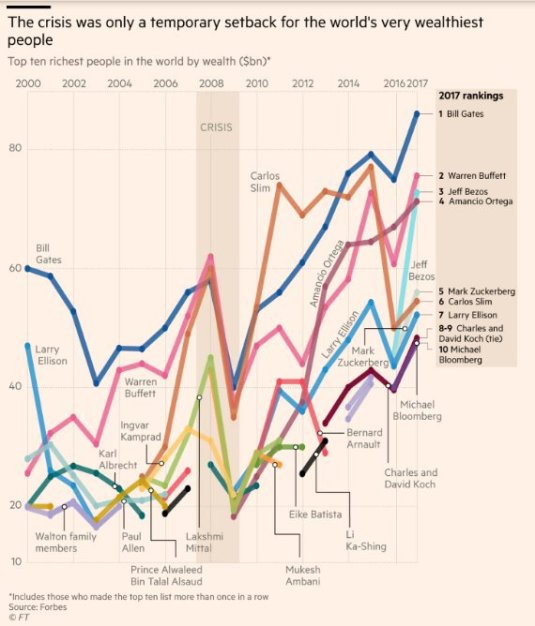
Most 21st century billionaire are self-made in their own lifetime business owners
15 Jan 2019 Leave a comment
in applied price theory, entrepreneurship, human capital, industrial organisation, labour economics, labour supply, occupational choice, poverty and inequality, survivor principle Tags: top 1%
UBERAIR: Closer than you think | @Uber
15 Jan 2019 Leave a comment
in entrepreneurship, transport economics
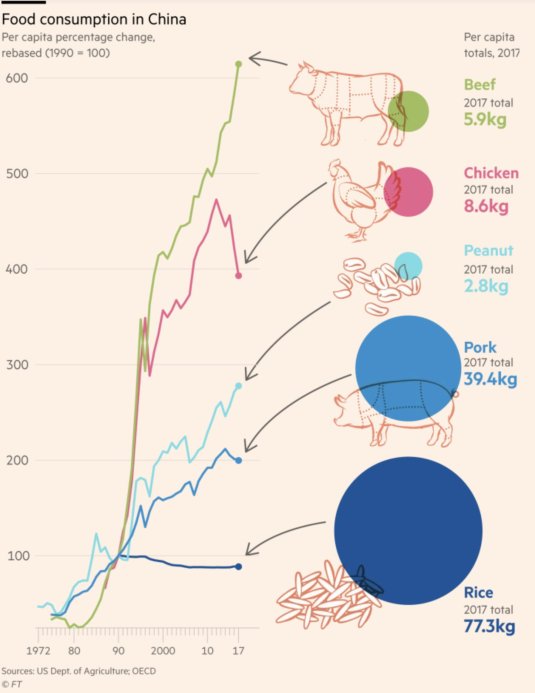
And @Oxfam thinks inequality allows the rich to gobble up 88% of the gains from economic development in poor countries
15 Jan 2019 Leave a comment
in applied price theory, development economics, economic history, growth miracles, health economics, politics - New Zealand Tags: China, The Great Escape
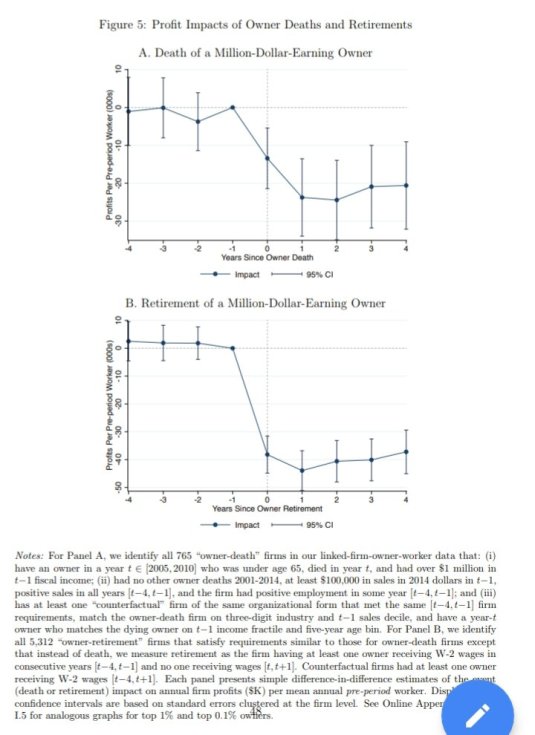
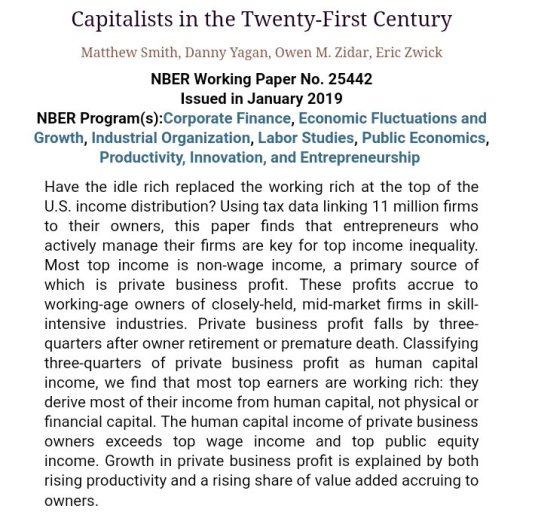
You can take it with you!? Top entrepreneurs vital to continuing success and wages growth in their firms
15 Jan 2019 Leave a comment
in applied price theory, entrepreneurship, human capital, industrial organisation, labour economics, public economics, survivor principle Tags: top 1%
The toll of a capital gains tax on entrepreneurship and innovation is far greater than previously thought @TaxpayersUnion
15 Jan 2019 Leave a comment
in applied price theory, entrepreneurship, human capital, labour economics, occupational choice, politics - New Zealand, politics - USA, Public Choice, public economics, technological progress Tags: taxation and entrepreneurship, taxation and investment
Day 15 of @EugenieSage’s #plasticbagfascism: 7th and 8th thick plastic bag
15 Jan 2019 Leave a comment
in environmental economics, politics - New Zealand Tags: meddlesome preferences, nanny state

Review of “First in His Class: A Biography of Bill Clinton” by David Maraniss
15 Jan 2019 Leave a comment
Testing Milton Friedman: Government Control – Free to Choose panel discussion 2012
15 Jan 2019 Leave a comment
in applied price theory, development economics, economic history, economics of education, economics of regulation, Milton Friedman


Recent Comments