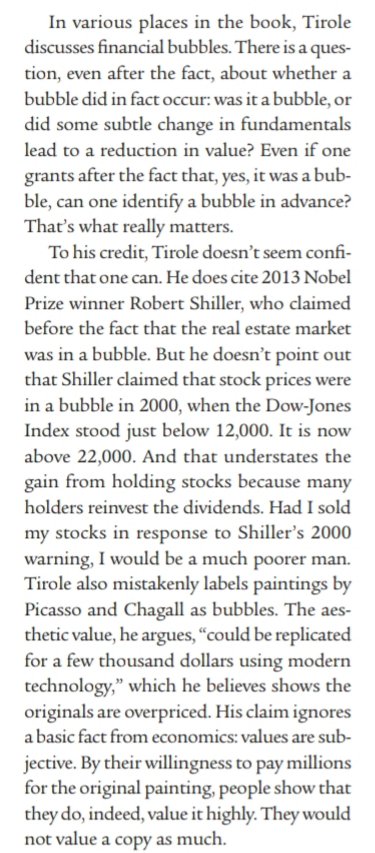
William D. Nordhaus: Lecture in Economic Sciences 2018 @jamespeshaw
09 Dec 2018 Leave a comment
in applied price theory, applied welfare economics, energy economics, environmental economics, global warming
Nordhous cancels the class war @Ocasio2018 @SenSanders @jeremycorbyn @oxfamnz
09 Dec 2018 Leave a comment
in economic history, entrepreneurship, income redistribution, industrial organisation, poverty and inequality, Public Choice, public economics, rentseeking, survivor principle Tags: top 1%
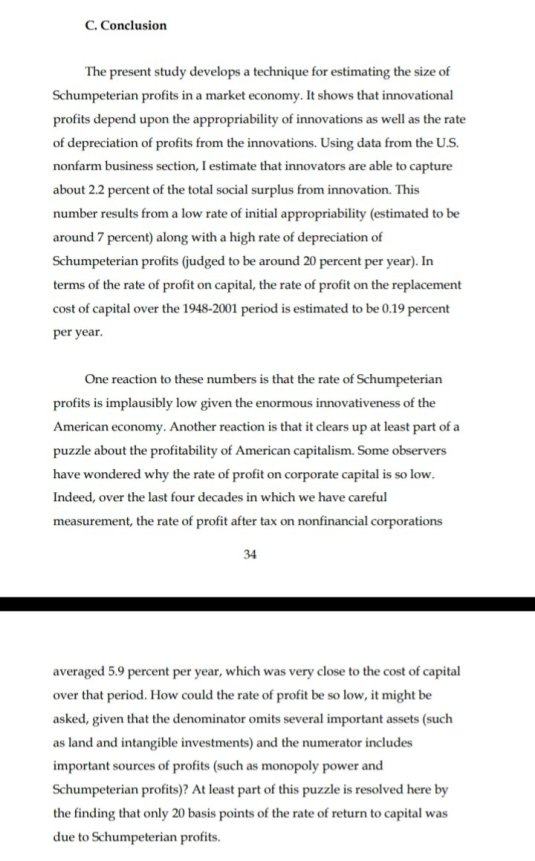
How we decide? – Steven Landsburg 2008
09 Dec 2018 Leave a comment
in applied welfare economics, behavioural economics, comparative institutional analysis, development economics, economics of regulation, energy economics, entrepreneurship, environmental economics, global warming, health economics, industrial organisation, labour economics, Public Choice, public economics
Thomas Sowell on Wealth Creation, Human Capital & Colonialism
09 Dec 2018 Leave a comment
in applied price theory, comparative institutional analysis, constitutional political economy, development economics, economic growth, economic history, economics of bureaucracy, growth disasters, growth miracles, income redistribution, law and economics, macroeconomics, property rights, Public Choice, rentseeking Tags: economics of colonialism, Roman empire, Thomas Sowell
What makes countries rich or poor?
09 Dec 2018 Leave a comment
in applied price theory, comparative institutional analysis, constitutional political economy, development economics, economic history, economics of bureaucracy, economics of crime, economics of regulation, growth disasters, growth miracles, law and economics, property rights, Public Choice, rentseeking Tags: The Great Escape
Here’s What Happened When Prisoners Started Vaping (HBO) @EricCrampton @cjsnowden @K_Niemietz
09 Dec 2018 Leave a comment
in economics of crime, entrepreneurship, health economics, law and economics Tags: economics of smoking
This Is Mosul 18 Months After ISIS Was Driven Out (HBO)
09 Dec 2018 Leave a comment
in defence economics, development economics, growth disasters, laws of war, war and peace Tags: Iraq, war against terror
Elephant Man – The Weird & Tragic History of Joseph Merrick
08 Dec 2018 Leave a comment
in economic history, economics of media and culture
What Is France’s ‘Gilets Jaunes’ or ‘Yellow Vests’ Protest Movement?
08 Dec 2018 Leave a comment
in economics of bureaucracy, fiscal policy, income redistribution, macroeconomics, Public Choice, public economics Tags: France
Dr. Robert Murphy on the Dubious Economics of Climate Change
08 Dec 2018 Leave a comment
in applied price theory, applied welfare economics, Austrian economics, energy economics, environmental economics, global warming Tags: climate alarmists
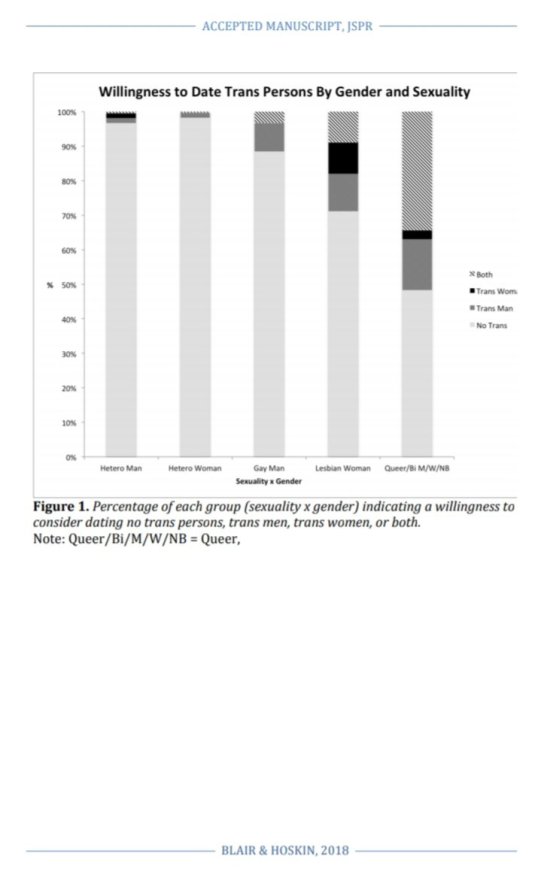
Facing a lonely life indeed and that is before adjusting for any social desirability bias in the answers
08 Dec 2018 Leave a comment
in economics of love and marriage, health economics, law and economics Tags: dating market
The Economics of Pirates, Gypsies and Ordeals: Interview with Peter T. Leeson
08 Dec 2018 Leave a comment
in applied price theory, Austrian economics, comparative institutional analysis, constitutional political economy, economics of crime, law and economics, laws of war, market efficiency Tags: crime and punishment, law and order, market failure, pirates
Sully | Based on a True Story
08 Dec 2018 Leave a comment
in movies, transport economics Tags: air accidents
Ideology trumps science once again: Daphna Joel and Cordelia Fine deny the notion of “male vs. female brains”
08 Dec 2018 Leave a comment

Cordelia Fine, a professor of the history and philosophy of science at the University of Melbourne, has carved out a niche for herself by attacking the notion that there are any evolved and genetically-based differences between males and females. Her books have been best-sellers (Testosterone Rex won the Royal Society book prize), probably because her conclusions appeal to those of a certain ideology. But those conclusions are flawed (see here, for instance). Fine’s critiques of some studies purporting to show sex differences are often good, but they’re combined with misguided characterizations of other work as well as the ignoring of results that go against her men-and-women-are-pretty-much-the-same thesis. In other words, Fine is tendentious, not objective, and her claims must always be taken with a grain of salt.
This is all on view in her op-ed with Daphna Joel (a professor of psychology and neuroscience at Tel Aviv…
View original post 1,763 more words


Recent Comments