The Ottoman Disaster – The Battle of Sarikamish I THE GREAT WAR Week 23
01 Jan 2022 Leave a comment
in defence economics, laws of war, war and peace Tags: World War I
Why Elizabeth Warren’s Wealth Tax Won’t Work
31 Dec 2021 Leave a comment
in entrepreneurship, human capital, income redistribution, industrial organisation, labour economics, labour supply, occupational choice, politics - USA, poverty and inequality, Public Choice, public economics, survivor principle Tags: regressive left, taxation and entrepreneurship, taxation and investment, taxation and savings
Vicarious Liability of Bishop for abuse committed by clergy
31 Dec 2021 Leave a comment

In a decision handed down just prior to Christmas, DP (a pseudonym) v Bird [2021] VSC 850 (22 December 2021), a judge of the Victorian Supreme Court ruled that the Roman Catholic Bishop of the Diocese of Ballarat could be sued as vicariously liable for child sexual abuse committed by an assistant parish priest against the plaintiff DP when he was 5 years old (in 1971). The decision (as noted in a recent online press report) seems to be the first time a diocese has been found vicariously liable under common law principles for the actions of a priest, in Australia. In this note I will suggest that the reason for this is that the decision is wrong, as inconsistent with clear High Court of Australia authority. This does not mean that I think that the organised church ought to be allowed to escape liability for harm committed…
View original post 2,730 more words
Debating Income Inequality: What’s the Problem? What’s the Solution?
31 Dec 2021 Leave a comment
in economics of education, entrepreneurship, human capital, industrial organisation, labour economics, labour supply, occupational choice, poverty and inequality, survivor principle Tags: top 1%
Why economists should sit on SAGE
30 Dec 2021 Leave a comment

Throughout the pandemic, our politicians have been urged to “follow the science” or, more accurately, the advice provided by medical scientists. Other disciplines play only a bit part. There are Scientific Advisory Group for Emergencies (Sage) sub-groups assessing the impacts of Covid on the provision of social care, or minority ethnic groups, but what about the economy?
Indeed, it appears that economists are only asked to put a cost on policy decisions that have already been made, or come up with schemes to mitigate the impacts, rather than influence decisions in the first place. In my admittedly biased view, this is a mistake.
Any decent economist has a toolbox of concepts and skills that can be applied to the policy responses to a pandemic. This begins with communicating the case for state intervention.
For example, protection from a deadly virus is a classic example of what economists call a “public…
View original post 920 more words

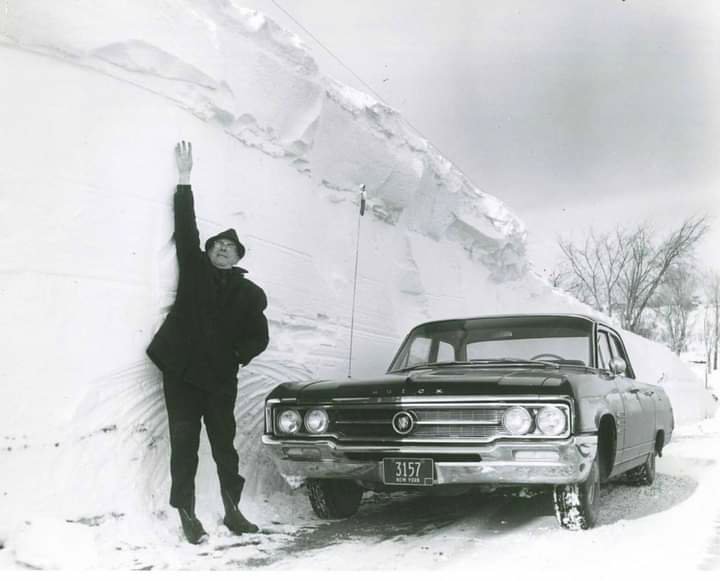
The 1966 blizzard in Syracuse, New York.
29 Dec 2021 Leave a comment
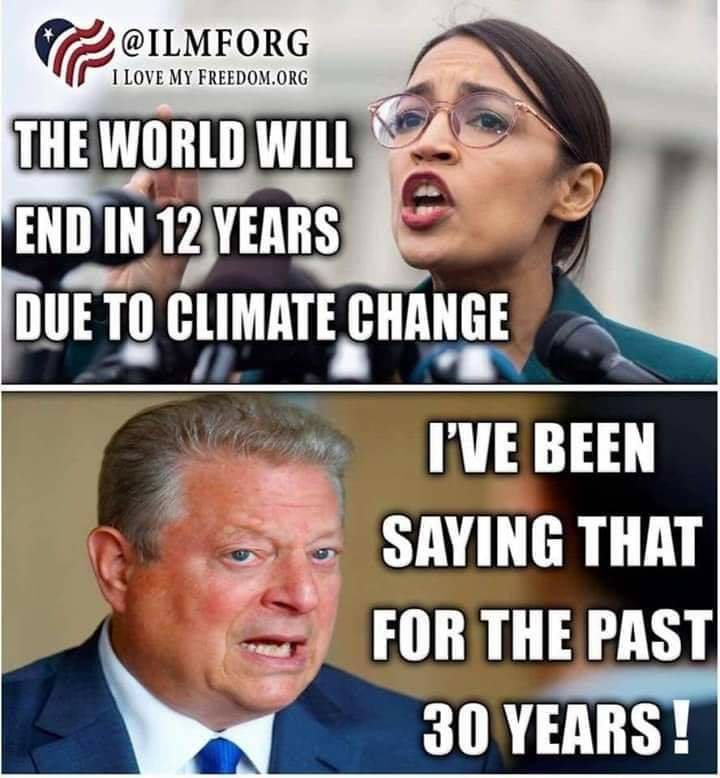
in environmental economics, global warming Tags: climate alarmists


Recent Comments