The $3B Nazi Forgery Of WW2 | Operation Bernhard
22 Dec 2021 Leave a comment
in defence economics, war and peace Tags: World War II
Rapid RE Retreat: Looming Winter Blackouts Force Greeks to Reignite Coal-Fired Plants
21 Dec 2021 Leave a comment

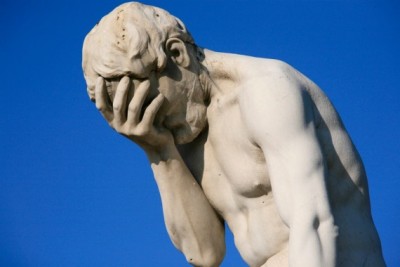
In the abstract, the ‘inevitable transition’ to an all wind and sun-powered future is easy, the kicker comes when reality bites; the sun sets and calm weather sets in.
The Greeks, like the Germans, have been talking long and loud about killing off every last one of their coal-fired power plants, denigrating them as “dirty”, evil polluting monsters. All the while promising that sunshine and breezes will readily fill the void.
Like the Germans, Greeks have found that all the cheap talk about wind and solar replacing coal, is just that.
In the first part of 2021, German wind power output plummeted by more than 20%, while at the same time Germany’s coal-fired power generators increased output by a whopping 38%. This is in a country where coal-fired power is meant to be as dead as the dodo.
The writing was on the wall when Germany mandated the shutdown of…
View original post 533 more words
December 20, 1192: Richard I of England is Captured by the Duke of Austria
21 Dec 2021 Leave a comment

Returning from the Third Crusade, bad weather forced King Richard I of England’s ship to put in at Corfu, in the lands of Byzantine Emperor Isaac II Angelos, who objected to Richard’s annexation of Cyprus, formerly Byzantine territory. Disguised as a Knight Templar, Richard sailed from Corfu with four attendants, but his ship was wrecked near Aquileia, forcing Richard and his party into a dangerous land route through central Europe.
On his way to the territory of his brother-in-law Heinrich XII the Lion, Duke of Bavaria and Saxony, Richard was captured December 20, 1192 near Vienna by Leopold V, Duke of Austria, (member of the House of Babenberg) who accused Richard of arranging the murder of his cousin Conrad of Montferrat. Moreover, Richard had personally offended Leopold by casting down his standard from the walls of Acre.
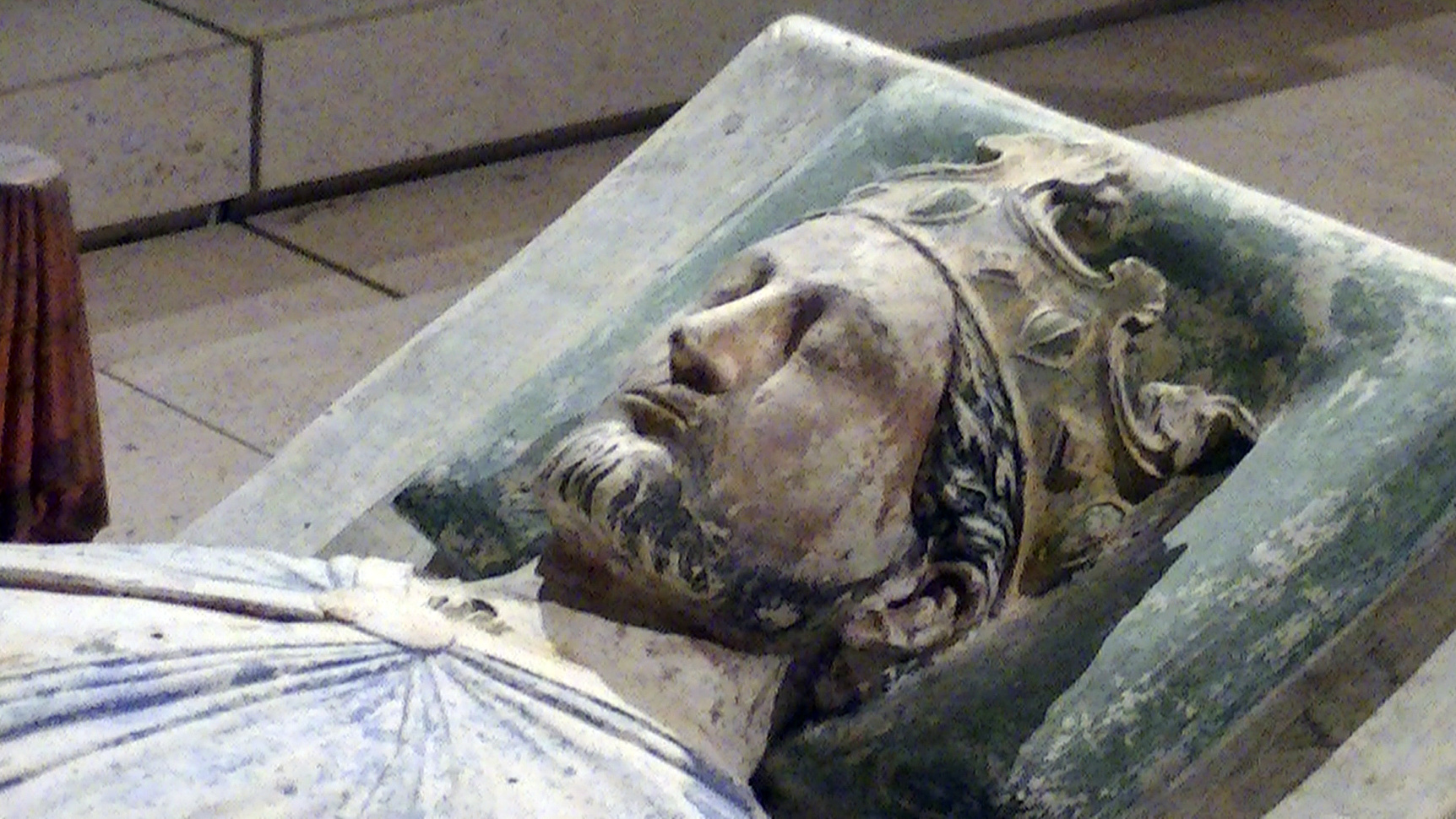 Tomb of Richard I the Lion Heart, King of England
Leopold kept Richard…
View original post 464 more words
Battle for Britain: Brits Scramble For Reliable Energy After Repeated Wind Power Failures
20 Dec 2021 Leave a comment
Hardly anyone in Britain is talking about wind power as a serious generation source, anymore. Total collapses in wind power output that lasted for days and even weeks, starting back in September, put paid to that kind of loose chatter.
Instead, Brits appear to have been struck with the stark realisation that their power generation capacity is all sizzle and no steak. Which, with another bitter winter ahead, is a matter of deadly concern.
Over reliance on wind power and the massive subsidies thrown in its direction, has led to a steady decline in reliable generation capacity, made evident by the Big Calm. Repeated and lengthy wind power failures have led to fast talk from Boris Johnson about getting nuclear power generation back on the books. However, as Andrew Montford details below, thanks to civil service red tape and typical Sir Humphrey-like bureaucratic bungling, it will be years before Britain…
View original post 877 more words
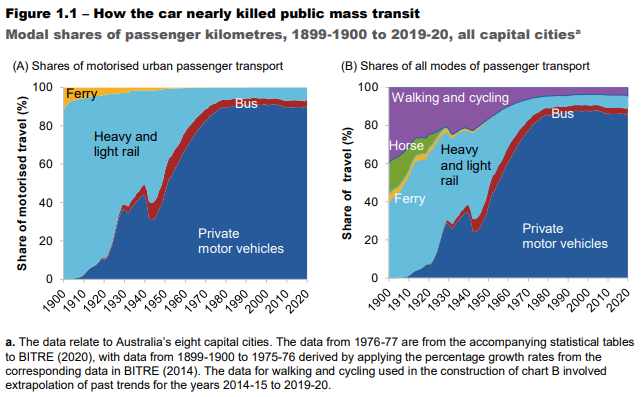
Bugger all take the bus or train
20 Dec 2021 Leave a comment
in economic history, transport economics, urban economics
The Aussie-UK Free Trade Agreement
20 Dec 2021 Leave a comment

Introduction
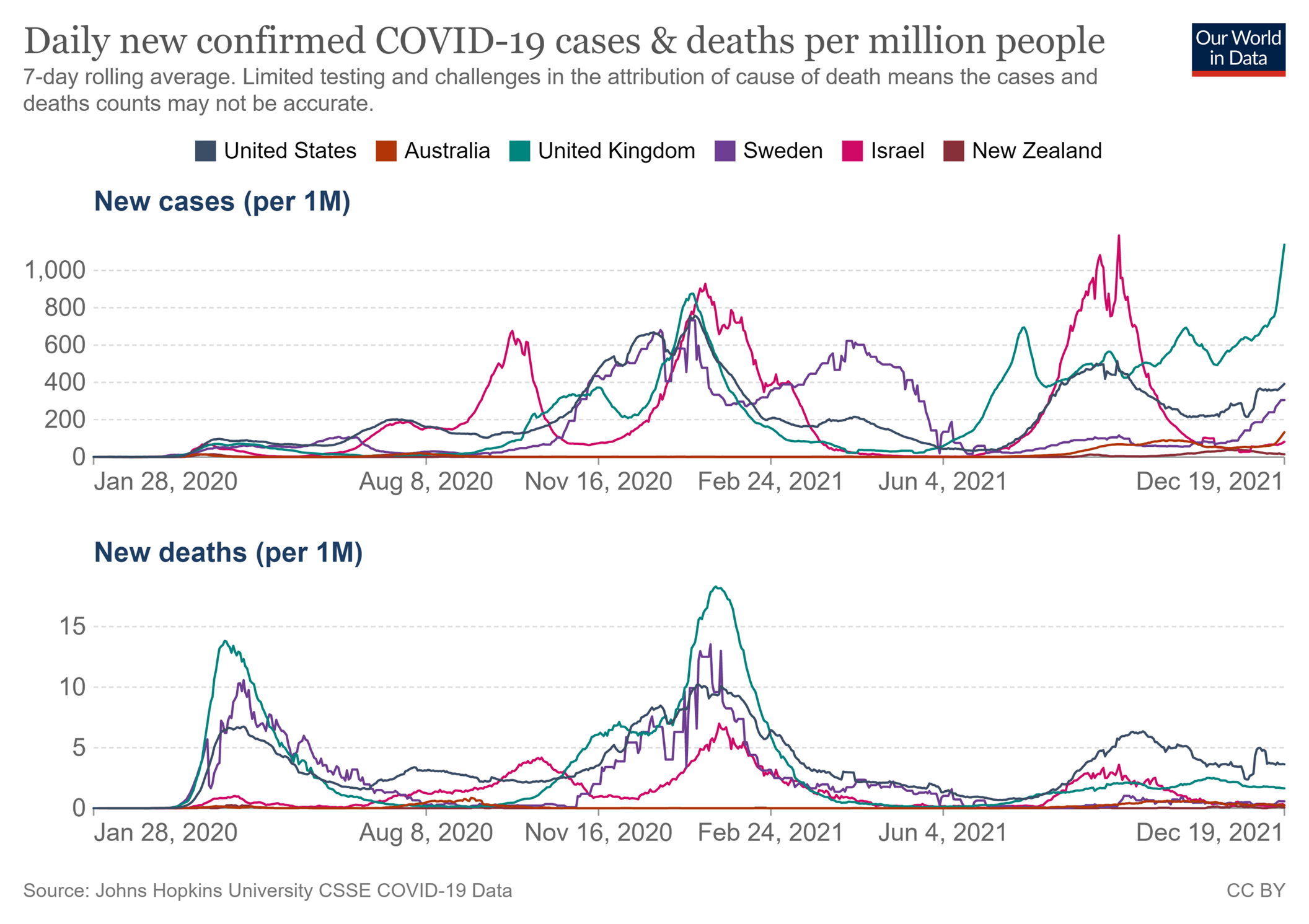
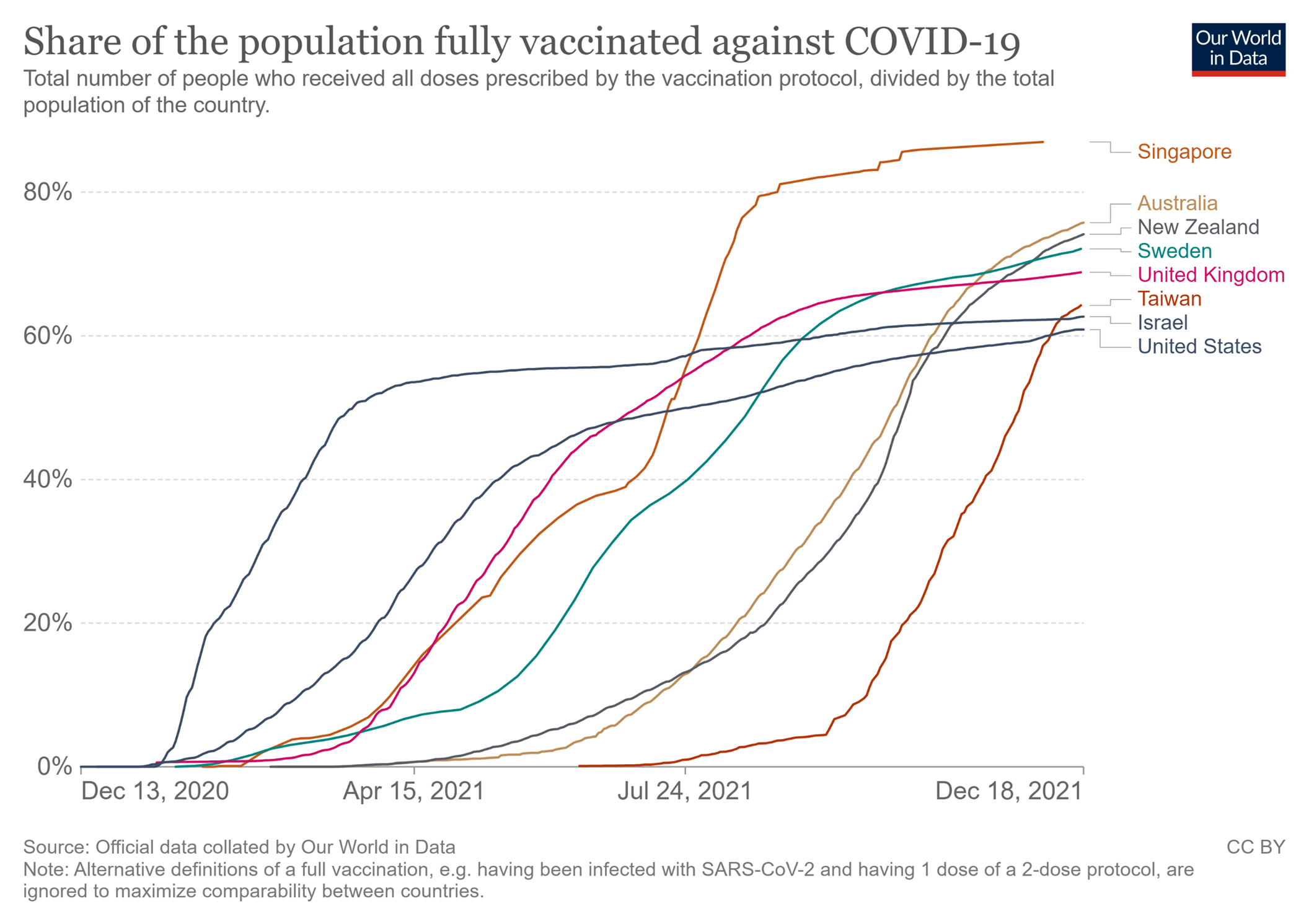
Australia and the UK signed a Free Trade Agreement (FTA) on December 17, 2021 (an in principle agreement had been announced in June 2021). This FTA will drastically reduce tariffs on a number of Australian exports to the UK and reduce duties on a number of British commodities to Australia. Significantly, it will also make it easier for both Australian and British workers to work in each other’s countries under the working holiday scheme (WHS).
According to estimates of the British government, the FTA could increase trade between the United Kingdom and Australia by approximately $19 billion “in the long run” while the UK’s GDP may increase by about $4.2 billion by 2035.
There are some important provisions which could benefit workers from both countries. Firstly, in an important step, both countries have increased the working holiday visa’s eligible age to 35. What is especially significant is that there is…
View original post 588 more words
Dawn Freshwater kicks for touch on mātauranga Māori
20 Dec 2021 Leave a comment

As international criticism mounts, Auckland University’s Vice-Chancellor pledges a symposium next year to debate the role of Māori knowledge in science education. Graham Adams suggests a public apology to the seven professors would show this is more than a PR exercise.
Reading the statement last week by Dawn Freshwater announcing a symposium to be held next year to debate the relationship between mātauranga Māori and science, it was hard not to feel at least a little sceptical about her new-found enthusiasm for free speech.
After all, in late July the Vice-Chancellor of the University of Auckland effectively hung seven professors from her own university out to dry soon after their letter “In Defence of Science” was published in the Listener.
The professors’ 300-word letter was written in response to plans to include mātauranga Māori in the school science curriculum and to give it equal standing with “Western/Pakeha epistemologies” —…
View original post 1,771 more words
Redrawing of the political battle lines is foreshadowed
20 Dec 2021 Leave a comment

Covid-19 still dominates the news bulletins and there is only a shadowy outline of the political debate that will emerge in sharper focus as Christopher Luxon settles into the leadership of the National Party.
His supporters were encouraged by the bounce upward for National in the first sampling of public opinion since he took over. National rose to 33%, up 7%, in the Curia poll.
As Curia’s David Farrar noted, the overall gap between the centre-left and centre-right is basically unchanged at 6%, so the centre-right needs to pick up another 4% or so to be in a position to form a Government.
“The key difference to last month, is that people now want to hear from National, and both National and Labour are in the 30s.Also very noteworthy is Luxon’s ratings. He enters the Preferred PM ratings at 20% (Ardern 39%). That 20% rating is the highest outside an…
View original post 593 more words
Chile Election Week, Part IV: What’s at Stake in Today’s Vote?
20 Dec 2021 Leave a comment

Greetings from Santiago. Chileans vote today for a new president and there’s a risk that a Venezuelan-style leftist, Gabriel Boric, will prevail.
And that puts at risk the economic progress described in this video.
The video has a good discussion of Chile’s very successful system of private pensions (which will be in danger if Boric wins).
But it also points out how free trade helped create the prosperity of modern Chile.
And that narrative is confirmed by looking at Chile’s score from the Fraser Institute’s Economic Freedom of the World.
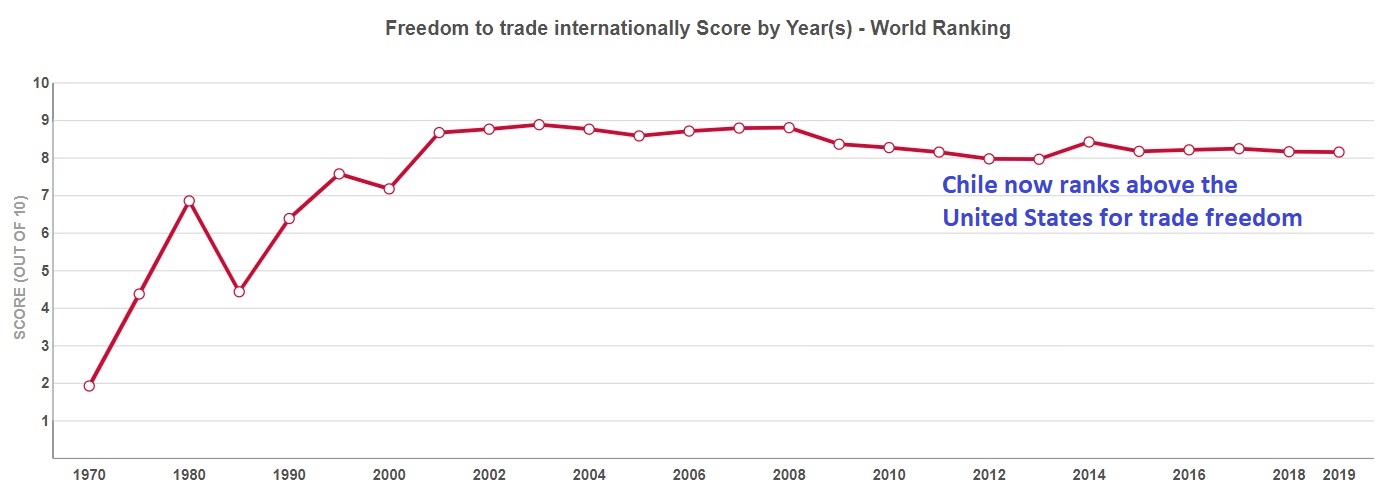
I’m always happy to sing the praises of free trade and condemn protectionism, but let’s keep the focus on today’s election in Chile and why it matters.
That’s why this tweet tells you everything you need to know.
Notice how Chile began to prosper after it began to shift to free markets around 1980 and notice…
View original post 146 more words


Recent Comments