The Beatles encounter a segregated America in 1964
30 Nov 2021 Leave a comment
in discrimination, Music Tags: racial discrimination
How Humans Became (Mostly) Right-Handed
30 Nov 2021 Leave a comment
in defence economics, economic history, economics of education, economics of media and culture
Crown Prince Rupprecht & Erich Ludendorff – Westerner vs. Easterner I WHO DID WHAT IN WW1?
30 Nov 2021 Leave a comment
in defence economics, war and peace Tags: World War I
How did Churchill lose the 1945 general election?
30 Nov 2021 Leave a comment
in defence economics, income redistribution, labour economics, liberalism, Marxist economics, poverty and inequality, property rights, Public Choice, unemployment, war and peace Tags: British history, World War II
There is an alternative to Trump. It looks like this
30 Nov 2021 Leave a comment

Wolfgang Munchau is a favourite European political commentator. You have to love a guy who ran the argument that Germany and Britain should team up to run the European Union.
Naturally you’d like to know his views on the new German governing coalition, which has just published its 178-page policy agreement.
The most interesting thing about the coalition is that it brings together the enviro-statist Green party with the right-liberal Free Democrats, who, as Munchau says “can’t stand the sight of each other”.
View original post 449 more words
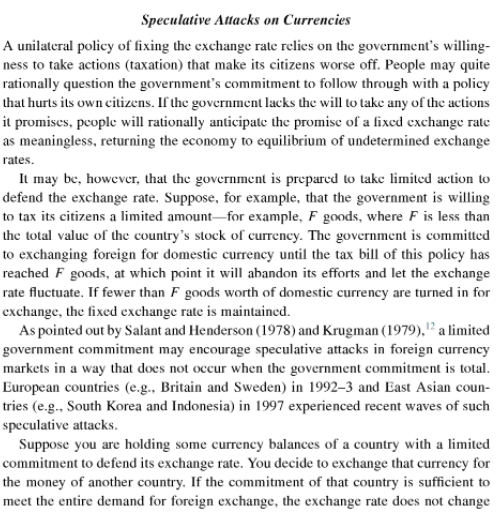
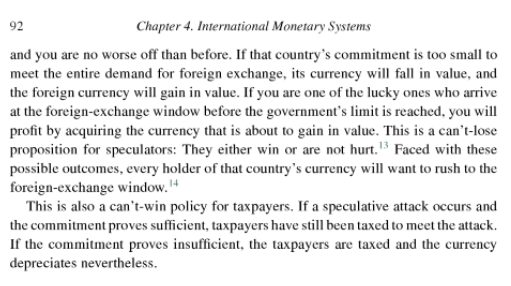
From Modeling Monetary Economies Bruce Champ, Scott Freeman, Joseph Haslag
29 Nov 2021 Leave a comment
Royal Society of NZ is split by disciplinary action taken against prominent professors who signed letter in defence of science
29 Nov 2021 1 Comment

Let’s meet Professor Garth Cooper, described on the University of Auckland website as one of New Zealand’s foremost biological scientists and biotechnology entrepreneurs.
He is professor of Biochemistry and Clinical Biochemistry at the School of Biological Sciences and the Department of Medicine at the University of Auckland, where he also leads the Proteomics and Biomedicine Research Group. He is a Principal Investigator in the Maurice Wilkins Centre of Research Excellence for Molecular Biodiscovery, a member of the Endocrine Society (USA). He was elected as a Fellow of the Academy of Medical Sciences (London) in 2013
And – for now – he is a member of the Academy of the Royal Society of New Zealand.
But the society has subjected him and another prominent academic, Robert Nola, to disciplinary action which looks suspiciously like a witch hunt.
Nola is emeritus professor of the philosophy of science with his own impressive CV.
View original post 1,711 more words
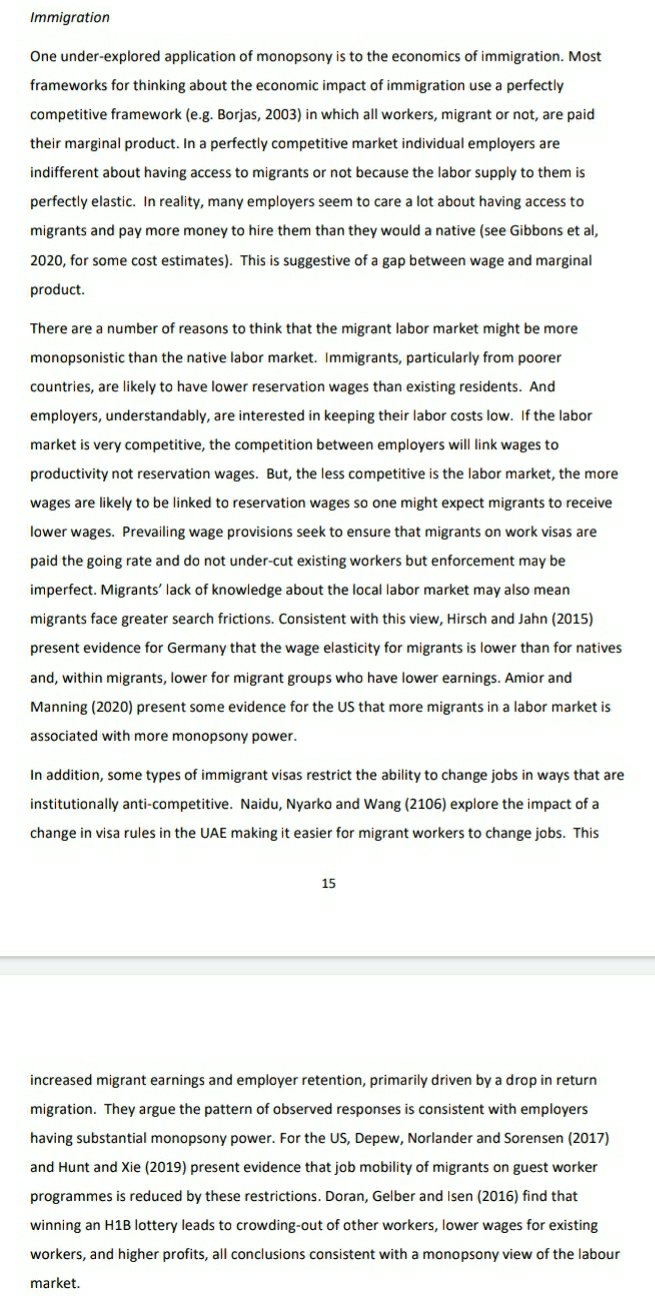
Alan Manning on the quirky implications of modern monopsony for immigration
29 Nov 2021 Leave a comment
in applied price theory, history of economic thought, labour economics, labour supply Tags: economics of immigration, monopsony
The Universal Private Retirement System Is an Additional Reason to Admire Switzerland
29 Nov 2021 Leave a comment

There’s a lot to admire about Switzerland, particularly compared to its profligate neighbors.
- It has a spending cap, imposed in a landslide referendum early last decade, that has constrained the growth of government.
 It has a genuinely decentralized system with a very small central government and vigorous competition among cantons.
- There’s widespread gun ownership, and the number of guns owners keeps expanding.
- It has strong human rights laws protecting financial privacy (though unfortunately has been bullied into weakening protections for non-Swiss investors).
- It has comparatively modest tax rates and a relatively low level of redistribution.
With all these features, you won’t be surprised to learn that Switzerland is highly ranked by Human Freedom Index (#2), Economic Freedom of the World (#4), Index of Economic Freedom (#4), Global Competitiveness Report (#1), Tax Oppression Index (#1)…
View original post 809 more words
November 1918: Abdication of German Dukes and Princes
29 Nov 2021 Leave a comment

In the hope of preserving the monarchy in the face of growing revolutionary unrest, Chancellor Prince Max of Baden announced Wilhelm’s abdication of both titles on November 9, 1918.
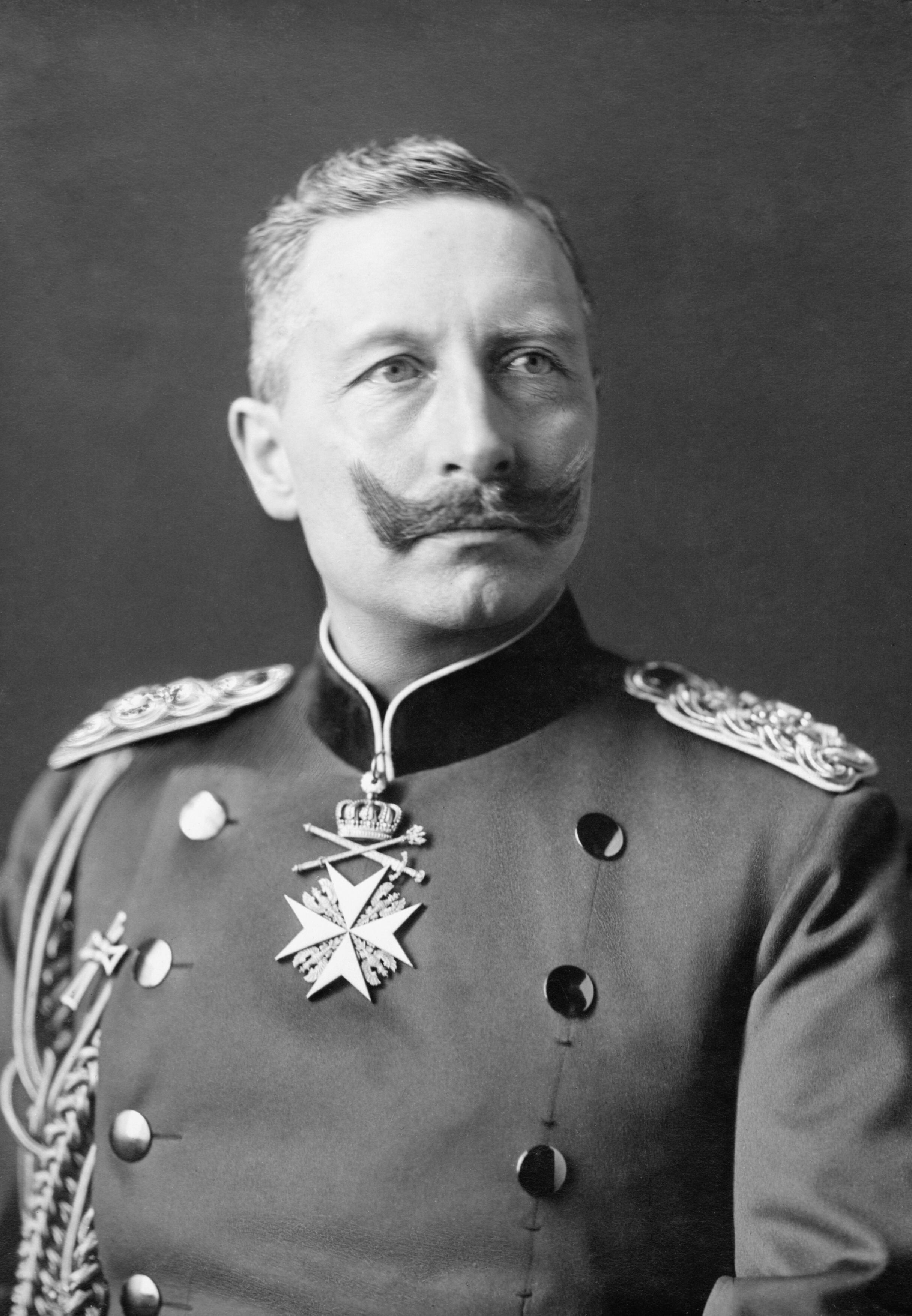 Despite the announcement of his abdication and subsequent flight to the Netherlands, Wilhelm II didn’t officially abdicate until November 28, 1918 when he signed a Statement of Abdication.
Statement of Abdication. I herewith renounce for all time claims to the throne of Prussia and to the German Imperial throne connected therewith…. ” November 28, 1918 German Emperor Wilhelm II gave up his claims in a letter signed in exile from Amerongen in the Netherlands.
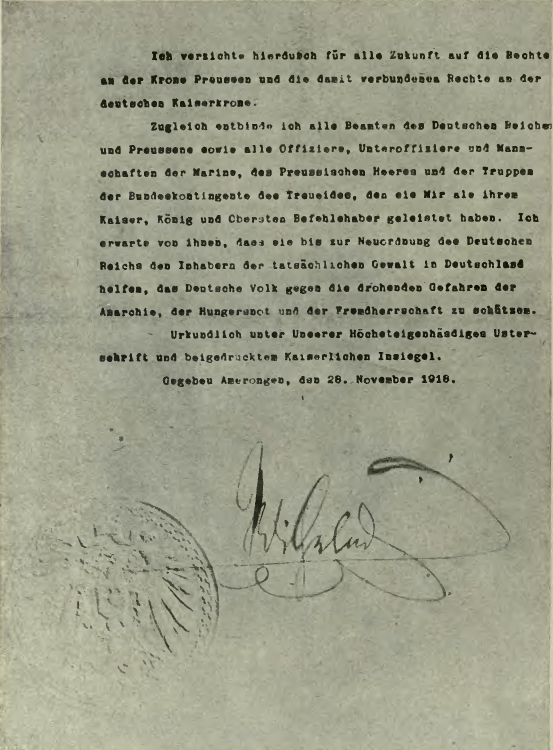 On November 11th I wrote about the abdication of German Emperor Wilhelm II, the other kings and Grand Dukes within the German Empire.
Today I will focus on the abdication of the German monarchs who reigned as Dukes and Princes.
Duke of Saxe-Meiningen
Bernhard assumed the Duchy…
View original post 2,013 more words
The Role Model of Switzerland
29 Nov 2021 Leave a comment
Back in 2016, I shared a television program about the “Improbable Success” of Switzerland. Today, here’s a follow-up look at that “sensible country.”
There are elements to this video that are outside my area of expertise, such as the role of the reformation.
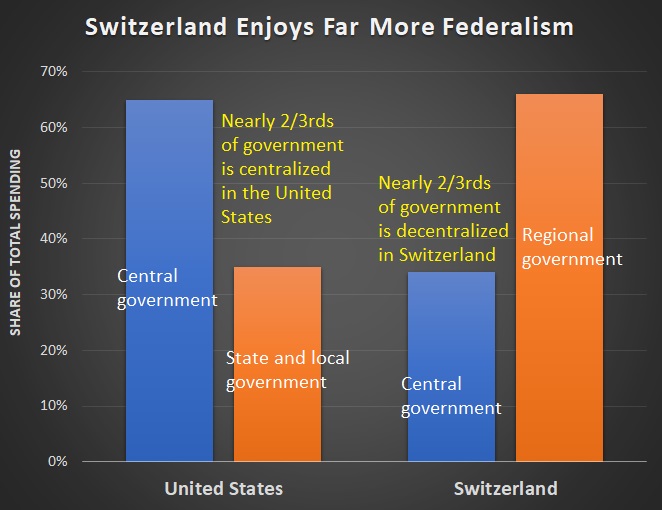 But the video mentions policies that I find very appealing, such as the country’s strong federalist system (unlike the United States, federalism hasn’t eroded).
This means jurisdictional competition, which has played a big role in curtailing bad policy.
And there was a brief indirect mention of the nation’s spending cap, which also has been a big success.
Interestingly, Switzerland’s strong track record is getting noticed in unusual places.
Here are some excerpts from a New York Timescolumn by Ruchir Sharma.
There is…a country far richer and just as fair as any in the Scandinavian trio of Sweden, Denmark…
View original post 696 more words
How good are the Covid-19 vaccines?
29 Nov 2021 Leave a comment

Aside from the fact that the CFR for people unvaccinated against Covid-19 is about 1/10 of the flu CFR, there’s also the question of whether the vaccines are working as a population-wide solution.
That last point has to be emphasised because I don’t doubt that the vaccines are working to protect the population most at risk from the virus: people over the age of 70 and those with comorbidities.
But the question of widespread population protection is what this doctor addresses in this article, If the Vaccines Work, Why Aren’t They Working?, which starts with the usual disclaimers apparently required for such discussion now, even among MD’s:
This is the time when I must add the necessary disclaimer that I am not anti-vaccine, having been personally fully vaccinated almost a year ago. Nor am I offering medical advice, only an analysis of current news of COVID…
View original post 855 more words
Baby Monkey Grooming Her Grandma While Grandma Sleep
29 Nov 2021 Leave a comment
in economics of media and culture
When The Beatles Refused To Play To Segregated Audiences
29 Nov 2021 Leave a comment
in discrimination, Music Tags: racial discrimination
The 2012 Martin Feldstein Lecture: Executive Compensation and Corporate Governance in the US: Perceptions, Facts, and Challenges
29 Nov 2021 Leave a comment
in applied price theory, applied welfare economics, economic history, economics of education, entrepreneurship, history of economic thought, human capital, income redistribution, industrial organisation, international economics, labour economics, labour supply, occupational choice, politics - USA, poverty and inequality, Public Choice, survivor principle Tags: creative destruction, superstars, top 1%


Recent Comments