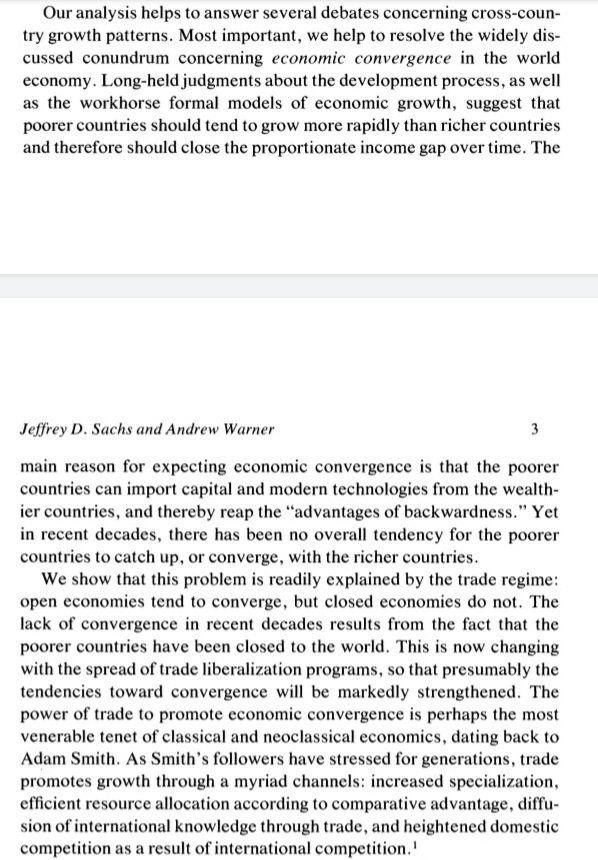
The importance of not having dumb policy regimes
06 Nov 2021 Leave a comment
in applied price theory, comparative institutional analysis, constitutional political economy, development economics, economic history, economics of bureaucracy, economics of regulation, entrepreneurship, growth disasters, growth miracles, history of economic thought, income redistribution, industrial organisation, international economic law, international economics, labour economics, Public Choice, rentseeking, survivor principle Tags: The Great Enrichment
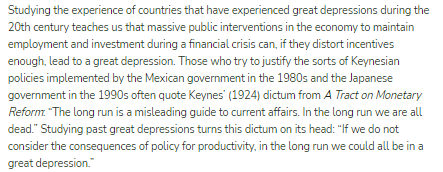
Israel 1983: A bout of unpleasant monetarist arithmetic
06 Nov 2021 Leave a comment
in budget deficits, economic history, financial economics, fiscal policy, history of economic thought, macroeconomics, monetarism, monetary economics Tags: hyperinflation, inflation

#endoil?!
06 Nov 2021 Leave a comment
in energy economics, environmental economics, global warming Tags: climate alarmism, The fatal conceit, unintended consequences

06 Nov 2021 Leave a comment
in economics of religion Tags: Blasphemy, free speech, Freedom of religion

November 5 1941-We attack.
06 Nov 2021 Leave a comment


Pearl Harbor was attacked on December 7th 1941. We have all seen the images of that fateful day. However the order for the attack was given more then a month before.
On November 5th, 1941, the 7th Imperial Conference was convened, and two types of request proposals (Draft A and Draft B) were decided upon.
From 10:30 to 15:15, on Wednesday November 5, 1941, t The 7th Imperial Conference is held. Two different Japanese proposals were decided on for submission to the US. These two plans were referred to as Draft A and Draft B. Japan planned to first propose Draft A in negotiations and if not accepted, propose Draft B, which included additional concessions.
Preliminary planning for an attack on Pearl Harbor to protect the move into the “Southern Resource Area” (the Japanese term for the Dutch East Indies and Southeast Asia generally) had begun very early in 1941…
View original post 343 more words
House and land prices
06 Nov 2021 Leave a comment

The local Wellington magazine, Capital, which seems to be a curious mix of the serious and the lifestyle, earlier in the year asked if I would write a piece on house prices. That article outlined the story I’ve run here repeatedly, that durable and very large reductions in house and land prices are quite possible – we see everyday examples in perfectly pleasant urban areas in the United States – but are only likely to happen if there is genuine aggressive competition among owners of land beyond existing urban areas. It is that sort of competition, from land whose best other use is probably for something agricultural in nature, that would durably lower land (and house) prices in existing urban areas.
That article ran in April. In late September the editor got in touch and asked if I was interested in doing another piece. Since there had been numerous…
View original post 2,090 more words
The Party of the Rich Is Pushing a Tax Cut for Rich People
06 Nov 2021 Leave a comment

There’s a political party in the United States – the Democrats – that represents rich people and it is trying very hard to cut taxes for those rich people.
Since I don’t resent rich people (indeed, I applaud them if they earn their money honestly), I generally want lower taxes for upper-income taxpayers. But I don’t want special tax breaks for rich people. Instead, I want to cut their taxes in ways that promote greater national prosperity so that I’ll benefit as well.
- Lower top income tax rates.
- Lower tax rates on capital gains.
- Lower tax rates on dividends.
- Lower death taxes.
Sadly, those aren’t the options the Democrats are choosing.
They are putting all their energy into a dramatic expansion of the state and local tax deduction. This is the tax break that rich people get when they use state and local tax…
View original post 603 more words
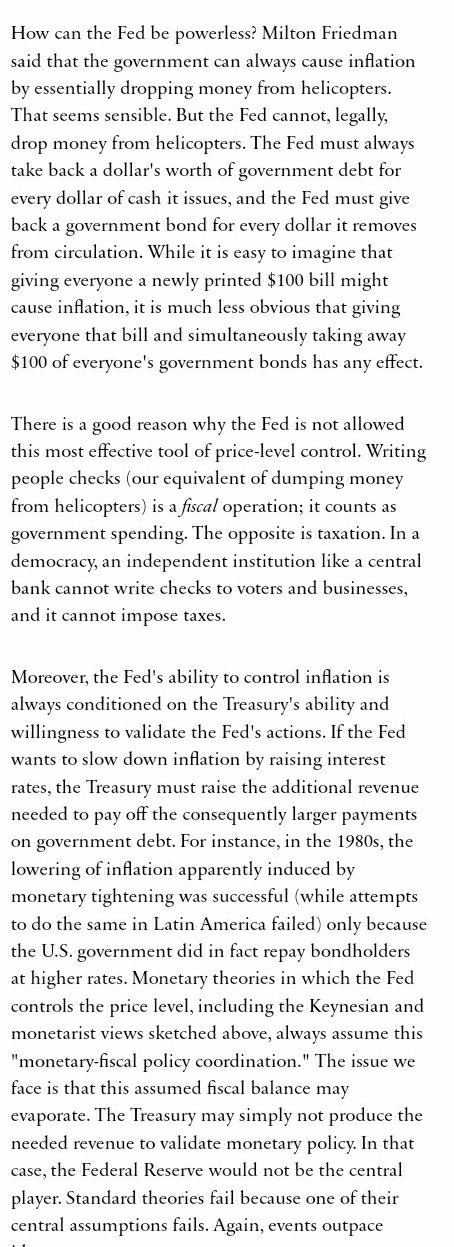
The type of shock that starts a crisis is less important than reaction to the shock by the government
05 Nov 2021 Leave a comment
in budget deficits, business cycles, economic growth, economics of regulation, fiscal policy, macroeconomics, monetary economics, Public Choice
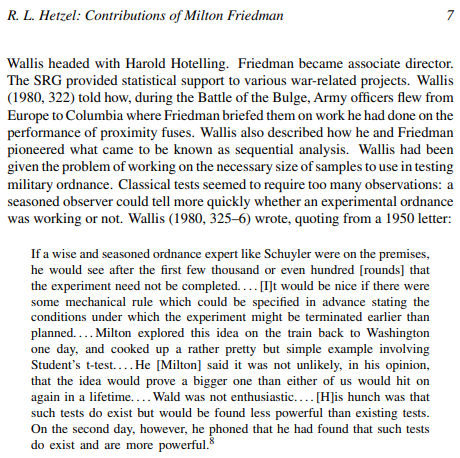
No Solution to Wind Power’s Hopeless Intermittency: Cost Kills Big Battery Myth
05 Nov 2021 Leave a comment


The big wind drought in Europe has acolytes ranting about giant batteries saving the day. It’s a typical but delusional response to wind power’s hopeless intermittency.
True enough, at the margins, it is possible to store electricity. But, the cost of doing so on any kind of scale is simply out of this world. Then there’s the way giant batteries are developing a habit of spontaneously exploding into giant, toxic fireballs (see above and below).
Eric Worrall reports on the latest ‘batteries will save us’ wheeze, this time it’s the US Treasury Secretary, Janet Yellen taking us down the rabbit hole.
Treasury Secretary on European Wind Drought: “Energy Storage … Can Be Deployed”
Watts Up With That?
Eric Worrall
4 October 2021
If Treasury Secretary Janet Yellen has calculated how much must be spent on energy storage to stabilise a 100% renewable grid, she does not seem keen to share.
View original post 376 more words
White Supremacy and The Democrat Party
05 Nov 2021 Leave a comment

For a party so long invested in White Racism you’d think they’d understand it better now that they claim to be on the other side from it.
But the results from Tuesday’s elections in Virginia and New Jersey, and the subsequent fallout from Democrats and the MSM allies tearing their hair out in frustration at their losses and near losses, show that rather than asking why they lost they’re convinced that they already know why:

Ms Hill is a former sports journalist who now makes a living as a race-grifting writer at places like The Atlantic. Among the talking heads she was not alone in this. The best response was from the newly elected Virginia Lt. Governor-Elect, Republican and former US Marine, Winsome Sears:


This followed some pathetic Democrat attempts to derail the Youngkin campaign along the same lines by trying to recreate the infamous Charlottesville “Tiki Torch” event…
View original post 255 more words
Nigel Lawson: Net zero is a disastrous solution to a nonexistent problem
05 Nov 2021 Leave a comment
Titles of the British Monarch. Part II.
05 Nov 2021 1 Comment

Claims to the French Throne
When King Charles IV of France died on February 1, 1328 without a surviving male heir, it ended the direct line of the Capetian Dynasty which had ruled France since the election and accession of King Hughes Capét on July 3, 987 by the prelate of Reims.
 King Charles VI of France
Twelve years prior to the death of Charles IV, a rule against succession by women, arguably derived from the Salic Law, had been recognised – with some dissent – as controlling succession to the French throne. The application of this rule barred Charles’s one-year-old daughter Mary, by Jeanne d’Évreux, from succeeding as the monarch, but Jeanne was also pregnant at the time of Charles’s death.
Since she might have given birth to a son, a regency was set up under the heir presumptive Philippe of Valois, son of Charles of Valois and a…
View original post 916 more words


Recent Comments