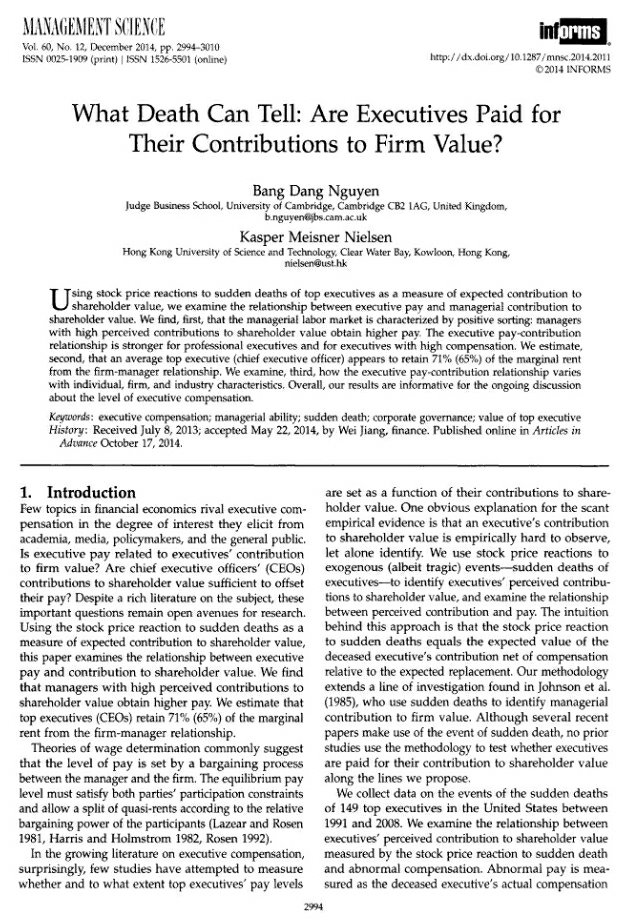
CEOs take most of their labour surplus with them
26 Feb 2021 Leave a comment
in entrepreneurship, financial economics, human capital, industrial organisation, labour economics, managerial economics, occupational choice, organisational economics, personnel economics Tags: CEO pay, top 1%
February 25, 1947: Abolition of the State of Prussia.
26 Feb 2021 Leave a comment

Prussia was for many centuries a major power in north-central Europe, based around the cities of Berlin and Königsberg, and rose to particular prominence during the eighteenth and nineteenth centuries. Following its victory in the Austro-Prussian War, Prussia became the driving force in creating a German Empire that excluded Austria (a Kleindeutsches Reich) and in 1871 King Wilhelm I of Prussia became German Emperor.
Following the First World War, after the abdication of German Emperor Wilhelm II who was also King of Prussia and the abolition of the Monarchy, the new Free State of Prussia bore most of Germany’s territorial losses but remained the dominant state of the Weimar Republic. During the Nazi era, the states of the Weimar Republic remained but were sidelined. Following World War II almost all of Germany’s territorial losses were from areas that had been part of Prussia.
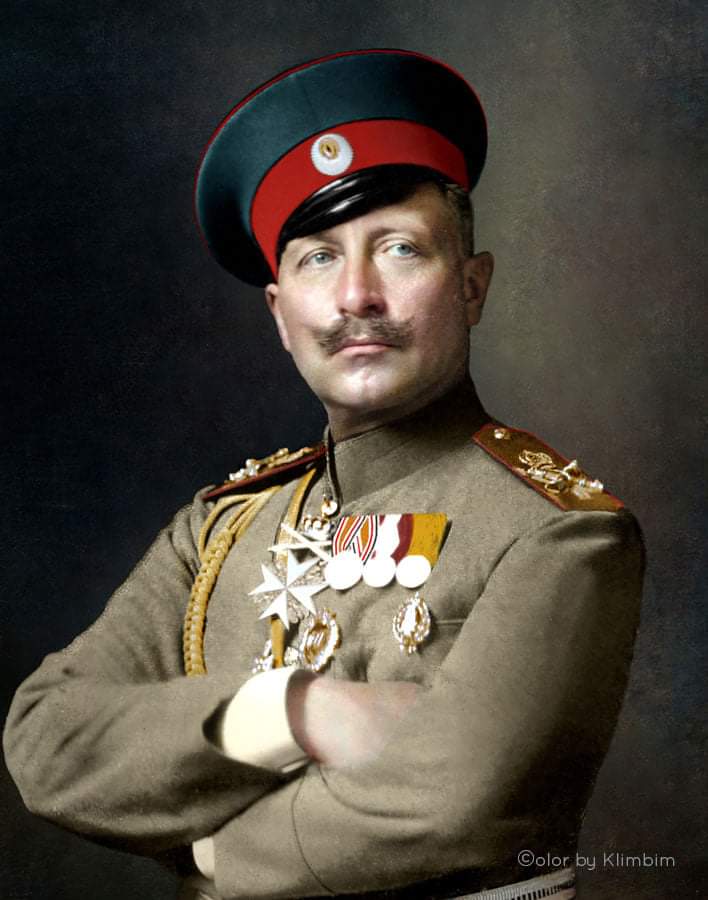
Prussia was abolished…
View original post 266 more words
Peace In The East – The Treaty of Brest-Litovsk I THE GREAT WAR Week 189
26 Feb 2021 Leave a comment
in defence economics, war and peace Tags: Russian revolution, World War I
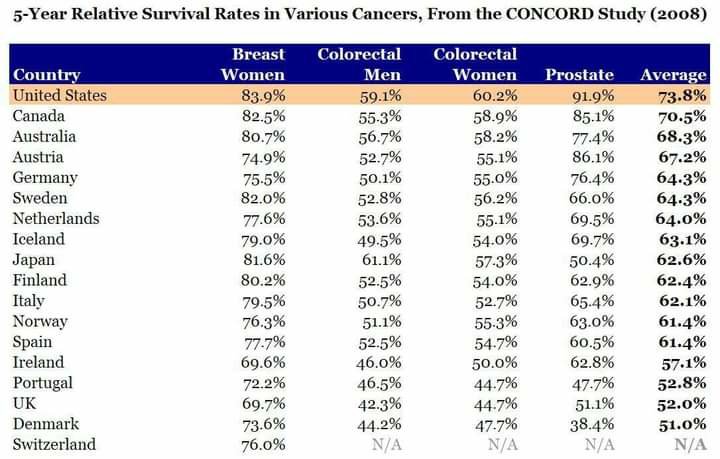
A shortcoming of the NHS; keeping people alive
26 Feb 2021 Leave a comment
in comparative institutional analysis, economics of bureaucracy, health economics, managerial economics, organisational economics, personnel economics, politics - USA, Public Choice, public economics Tags: health insurance, social insurance
Ten Minute History – The Fall of Rome
26 Feb 2021 Leave a comment
in defence economics, economic history Tags: Roman empire
Ludendorff’s Window Of Opportunity I THE GREAT WAR Week 188
25 Feb 2021 Leave a comment
in defence economics, war and peace Tags: Russian revolution, World War I
Oh dear – see who was offended when Goldsmith called for Kiwis to be treated equally in electoral arrangements
25 Feb 2021 Leave a comment

Debbie Ngarewa-Packer’s parents – according to a report in Stuff – delivered some strong mantra to live by. One of them: “Don’t accept, you push back, be provocative, but always be respectful.”
But what happens when political opponents don’t accept, push back and – dare we suggest it? – are a mite provocative?
Why, you interrupt their speech and complain you have taken offence as tangata whenua.
Debbie Ngarewa-Packer, of course, is the Maori Party co-leader who now sits in Parliament promoting a political agenda that promotes the interests of Maori.
She has an aptitude for spicing her rhetoric with hyperbole while championing their cause:
“I stand here as a descendant of a people who survived a Holocaust, a genocide, sponsored by this House and members of Parliament whose portraits still hang from the walls.
The aforementioned Stuff report notes she stood for and was elected to the South Taranaki…
View original post 1,270 more words
A ‘thumbs up’ to the Brexit deal
25 Feb 2021 Leave a comment

The agreement reached between the UK and the EU is as good a deal as we were ever likely to get. I will leave others to comment in detail on the legal and technical aspects, but here are five key points (my personal views) on the economics.
First, it important to be clear about the ‘counterfactual’, or what would have happened if a deal had not been done. Opponents of Brexit like to use a rosy view of continued EU membership as their benchmark. But that ship has long since sailed, if it ever existed at all. It makes far more sense to compare the new agreements to the alternative of ‘no deal’. On that basis this outcome is a clear win.
Leaving with what most agree is a ‘fair and balanced’ deal is undoubtedly good for consumer and business confidence. It provides a much-needed boost to the credibility of…
View original post 944 more words
The Danger of an All-Powerful central bank – against macroprudential policies
25 Feb 2021 Leave a comment

I have often disagreed with the views of University of Chicago Professor John Cochrane over the paste five years. However, his latest oped in the Wall Street Journal is spot on.
In the oped Cochrane questions the rational for the increasingly common view that central banks should pursue “macroprudential” policies to reduce the risks in the financial sector.
This is Cochrane:
Interest rates make the headlines, but the Federal Reserve’s most important role is going to be the gargantuan systemic financial regulator. The really big question is whether and how the Fed will pursue a “macroprudential” policy. This is the emerging notion that central banks should intensively monitor the whole financial system and actively intervene in a broad range of markets toward a wide range of goals including financial and economic stability.
For example, the Fed is urged to spot developing “bubbles,” “speculative excesses” and “overheated” markets, and then stop…
View original post 1,247 more words
John D. Rockefeller: The American Oil Magnate
25 Feb 2021 Leave a comment
in economic history, energy economics, entrepreneurship, industrial organisation, managerial economics, organisational economics, survivor principle Tags: competition law
The Great Escape
25 Feb 2021 Leave a comment
in economic history, liberalism, Marxist economics Tags: The Great Enrichment


Recent Comments