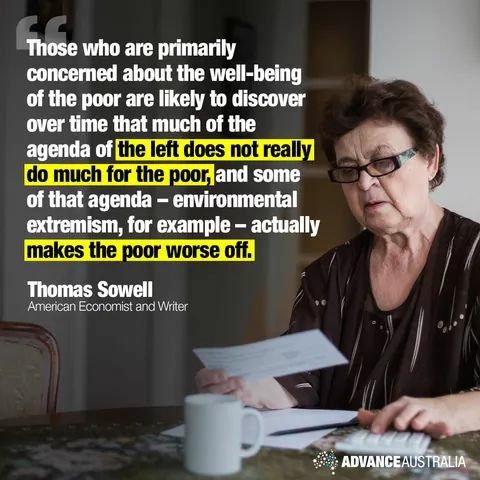
Lost on @oxfam @Greenpeace @AOC @BernieSanders
16 Feb 2021 Leave a comment
in applied price theory, comparative institutional analysis, development economics, economic history, economics of bureaucracy, energy economics, environmental economics, global warming, growth disasters, income redistribution, Marxist economics, Public Choice, rentseeking Tags: climate alarmists, The Great Enrichment
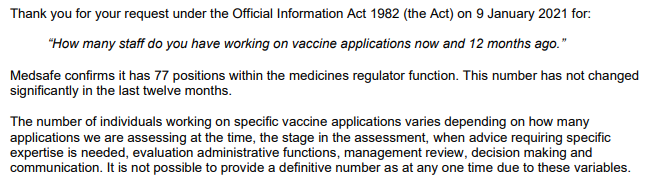
No new hirings at Medsafe despite need to fast track 4 #Covid19 vaccines!
15 Feb 2021 Leave a comment
The Florence Supermax: America’s Toughest Prison
15 Feb 2021 Leave a comment
in economics of crime, law and economics
Allied War Economy During World War 1 I THE GREAT WAR Special
15 Feb 2021 Leave a comment
in defence economics, war and peace Tags: World War I
Biden’s climate ‘fix’ is fantastically expensive and perfectly useless-Bjorn Lomborg
15 Feb 2021 Leave a comment
The End of Roman Britain II
14 Feb 2021 Leave a comment


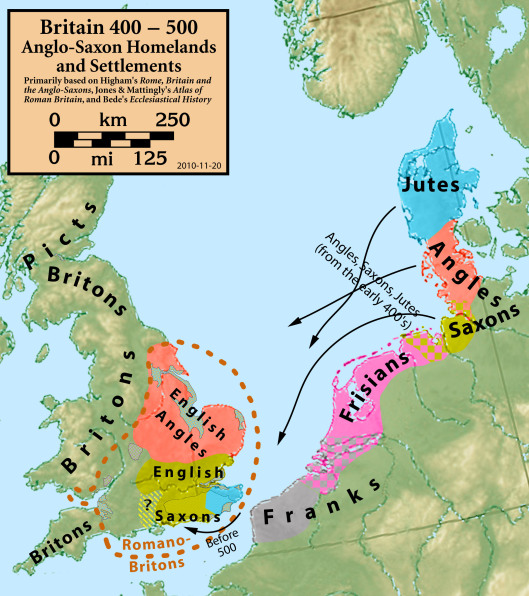

Yet Saxon raids continued. The Yorkshire signal stations came under attack at least twice, Huntcliff and Goldborough being savagely destroyed. Hadrian’s Wall ceased to function as an effective barrier. Forts remained in use but each may have organized its own defence. The soldiers had always been paid in coinage sent from Rome that then filtered through the population as goods were bought outside the forts. Coins from Roman mints began to cease after about AD 402. This cessation of money being sent from Rome or from the mints may have been because transporting coinage may have become too difficult and risky when crossing Gaul. Cash was also required elsewhere in the empire and Stilicho may just have stopped payments, believing it was a waste to send coinage to Britain. Local mints did not supply coins either because of the lack of good metal or because of difficulties in production. Whatever…
View original post 1,938 more words
The Non-Relationship Between Welfare Spending and Poverty Reduction in the Western World
14 Feb 2021 Leave a comment

Last September, I shared some very encouraging data showing how extreme poverty dramatically has declined in the developing world.
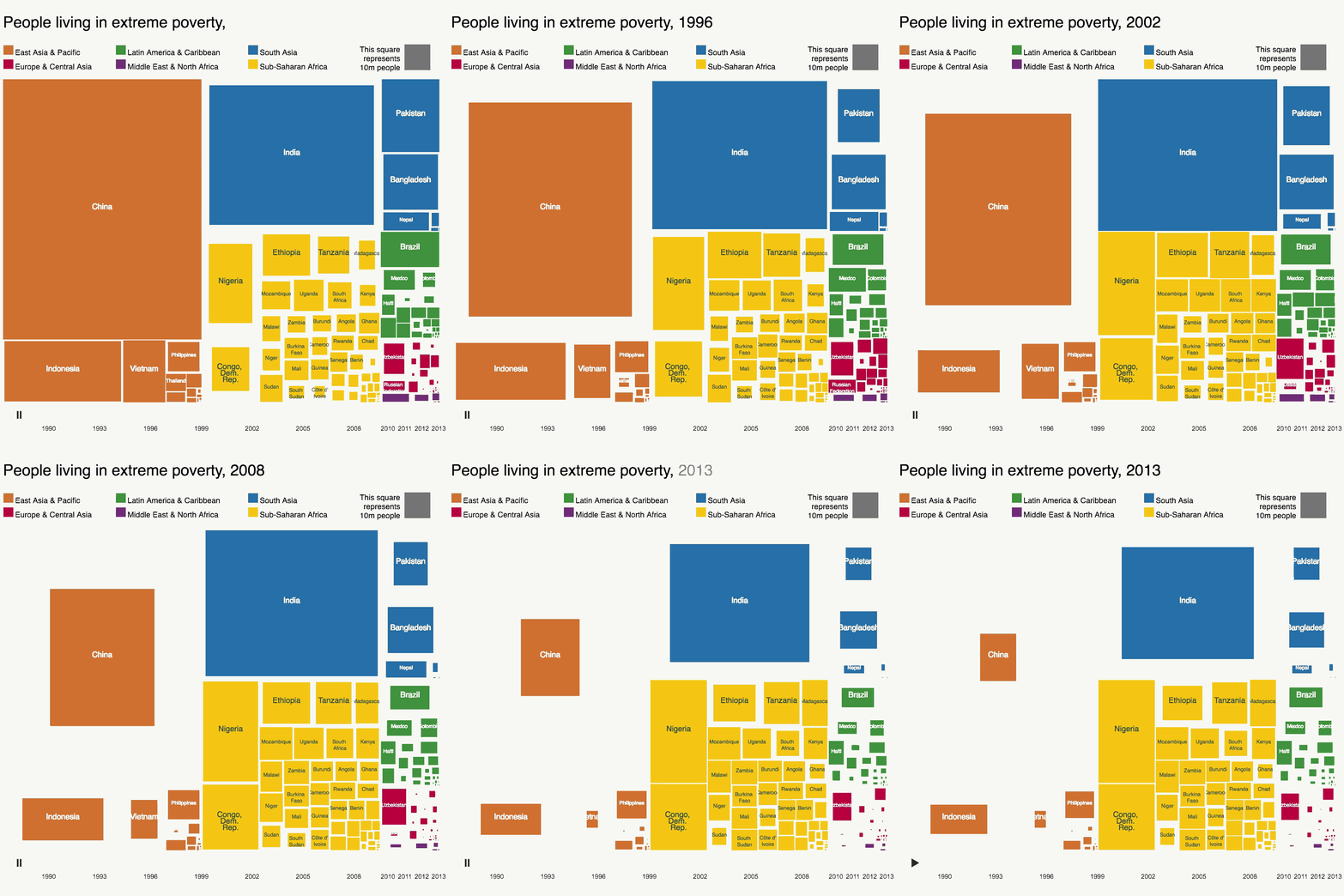 And I noted that this progress happened during a time when the “Washington Consensus” was resulting in “neoliberal” policies (meaning “classical liberal“) in those nations (confirmed by data from Economic Freedom of the World).
In other words, pro-market policies were the recipe for poverty reduction, not foreign aid or big government.
Sadly, the Washington Consensus has been supplanted. Bureaucracies such as the International Monetary Fund, the United Nations, and the Organization for Economic Cooperation and Development are now pushing a statist agenda based on the bizarre theory that higher taxes and more spending somehow produce prosperity.
To add insult to injury, some people now want to rewrite history and argue that free markets don’t deserve credit for the poverty reduction that already has occurred.
Esteban…
View original post 451 more words
Mirror, Mirror, on the Wall, Which Nation Has the Biggest Welfare State of All?
14 Feb 2021 Leave a comment
When I think about social welfare spending, I mostly worry about recipients getting trapped in dependency.
But I also feel sorry for taxpayers, who are bearing ever-higher costs to finance redistribution programs.
Today’s column won’t focus on those issues. Instead, we’re going to utilize new OECD data to compare the size of the welfare states in developed nations.
We’ll start with the big picture. Here it total redistribution spending, measured as a share of economic output, for selected countries that are members of the Organization for Economic Cooperation and Development.
Nobody will be surprised, I assume, to see that France, Finland, Belgium, Denmark, and Italy have the biggest welfare states.
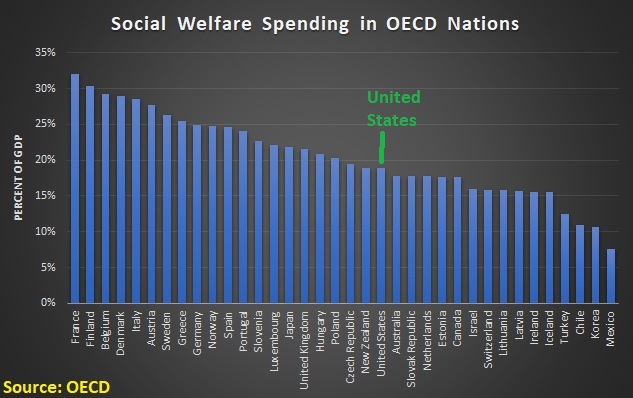
The United States is in the middle of the pack. American taxpayers might be surprised to learn, though, that they finance a bigger welfare state than the ones that exist in Canada, Iceland, and the Netherlands.
The overall numbers…
View original post 490 more words
Part IV: Poverty Is a Problem, Not Inequality
14 Feb 2021 Leave a comment
My series on poverty and inequality (see here, here, and here) focuses on why we should try to help the poor rather than hurt the rich.
We’ll continue with that theme in Part IV, which begins with this video by Russ Roberts of Stanford University’s Hoover Institution.
Russ makes some great points throughout the video about the importance of creating the conditions for upward mobility.
Here are some of the main takeaways.
- The rich are getting richer and the poor are getting richer as well.
- Cronyism is bad, especially when it winds up subsidizing the rich.
- We should focus on reducing poverty rather than fixating on inequality.
Regarding that final point, my favorite part is when he said that, “Focusing on inequality as something inherently bad can blind us to the problems of poverty. Inequality and poverty aren’t the same thing. …I’m much more…
View original post 211 more words
British English
14 Feb 2021 Leave a comment
in economics of education, economics of media and culture Tags: economics of languages, network goods
David Friedman, “Legal Systems Very Different from Ours” at the Slate Star Codex Online Meetup
14 Feb 2021 Leave a comment
in applied price theory, applied welfare economics, Austrian economics, comparative institutional analysis, constitutional political economy, David Friedman, defence economics, economic history, economics of bureaucracy, economics of crime, economics of regulation, history of economic thought, law and economics, property rights, Public Choice, public economics


Recent Comments