
What drives the gender commuting gap?
16 Oct 2020 Leave a comment
in applied price theory, applied welfare economics, discrimination, economics of education, economics of love and marriage, gender, health and safety, human capital, labour economics, labour supply, law and economics, occupational choice, transport economics Tags: gender wage gap
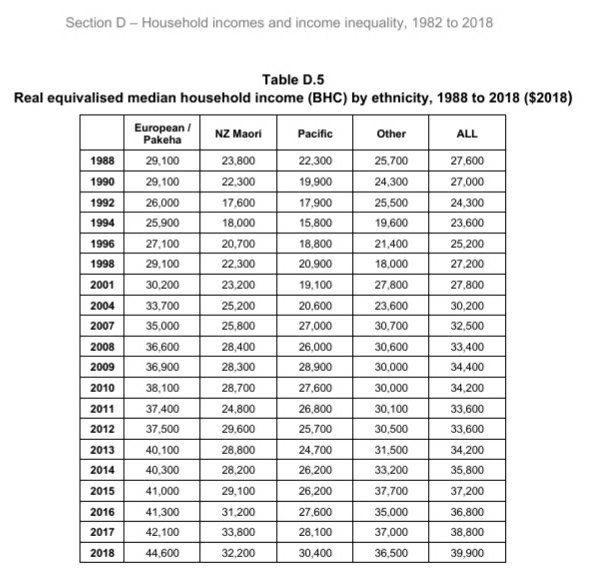
The rich are getting richer and the poor are getting poorer says @JacindaArdern
16 Oct 2020 Leave a comment
in economic history, labour economics, politics - New Zealand, poverty and inequality Tags: child poverty, family poverty
Future directions of research in the Coasean tradition: Sam Peltzman
16 Oct 2020 Leave a comment
in Alfred Marshall, applied price theory, applied welfare economics, comparative institutional analysis, economic history, economics of crime, economics of regulation, entrepreneurship, George Stigler, history of economic thought, industrial organisation, law and economics, property rights, Public Choice, Ronald Coase, Ronald Coase, Ronald Coase, Sam Peltzman, theory of the firm Tags: offsetting behaviour, The fatal conceit, unintended consequences
Blasphemy will soon be illegal again in NZ
15 Oct 2020 Leave a comment
in economics of religion, law and economics, politics - New Zealand Tags: Age of Enlightenment, Blasphemy, free speech, Freedom of religion, political correctness, regressive left

D-Day: The Planning and Execution of the Allied Invasion of Europe
15 Oct 2020 Leave a comment
in defence economics, war and peace Tags: World War II
OUR INABILITY TO TELL IT HOW IT IS
15 Oct 2020 Leave a comment


I see that Judith Collins has taken some stick for comments she made suggesting that obesity was part due to personal choices.
Yes, genetics plays a hard but so does a diet comprising mainly junk food coupled with an aversion to proper exercise.
I admit to struggling with my weight over the years. I acknowledge I’m a bit of a Falstaffian character when it come to food and drink. I try to compensate that with a 20k daily workout on my Exercycle (listening to Concert FM).
Judith is right but, in this pc world, you’re wrong even if you’re right. It’s always someone else’s fault.
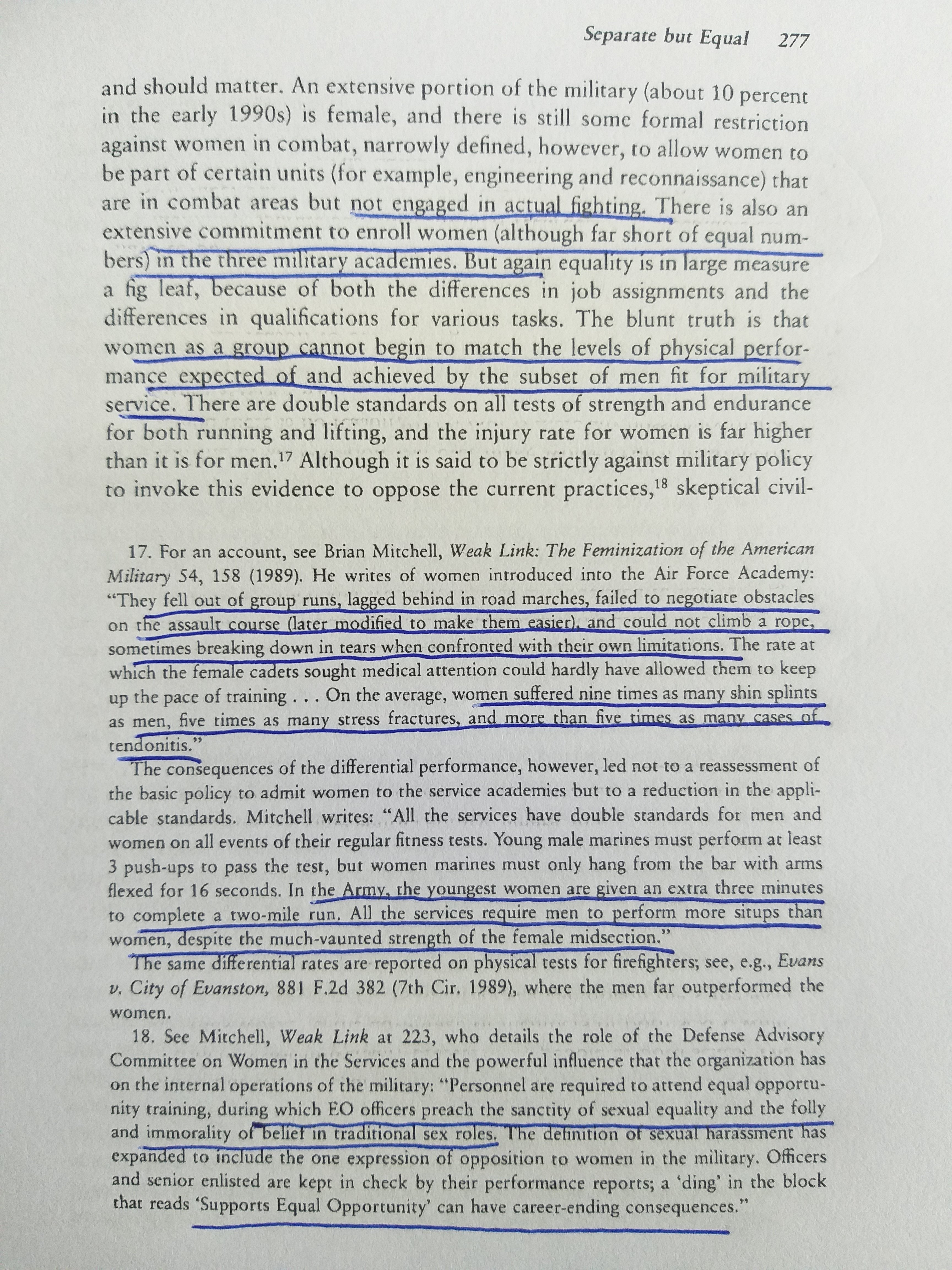
Epstein doesn’t mention the biggest sex difference of all: soldiers must have the aggression to kill with their bare hands in one-on-one fights to the death
15 Oct 2020 Leave a comment
in defence economics, gender, labour economics, law and economics, occupational choice, politics - Australia, politics - New Zealand, politics - USA, Public Choice Tags: sex discrimination
How Teeth Indicated Status Throughout History
15 Oct 2020 Leave a comment
in economic history, health economics Tags: teeth
Wolfpack Killers – U-Boat Tactics – WW2 Special
14 Oct 2020 1 Comment
in defence economics, laws of war, war and peace Tags: World War II
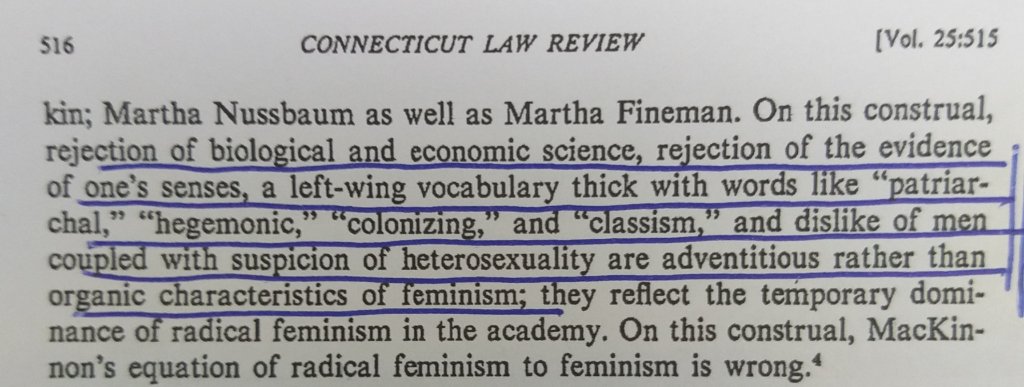
Richard Posner (1992) on feminists
14 Oct 2020 Leave a comment
in comparative institutional analysis, discrimination, economic history, economics of crime, economics of education, economics of media and culture, economics of religion, gender, history of economic thought, human capital, labour economics, labour supply, law and economics, occupational choice, poverty and inequality, property rights, Richard Posner Tags: gender wage gap, political correctness, regressive left, sex discrimination

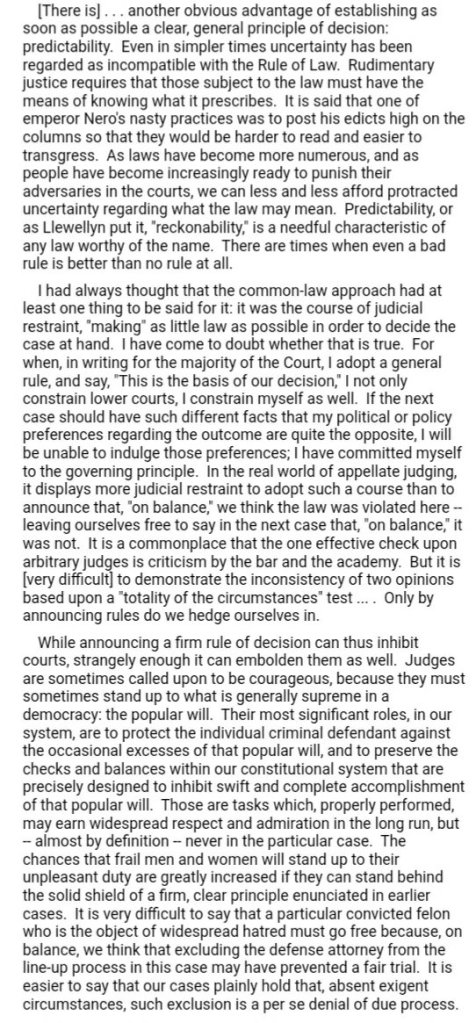
Scalia: Rule of law as a law of rules
14 Oct 2020 Leave a comment
in comparative institutional analysis, constitutional political economy, economics of bureaucracy, law and economics, politics - USA, Public Choice, rentseeking Tags: constitutional law
An End to Frivolous Climate Lawsuits?
14 Oct 2020 Leave a comment


Craig Richardson writes at Real Clear Energy The Supreme Court Is Taking Critical Step Towards Resolving Frivolous Climate Suits.Excerpts in italics with my bolds.
Sometimes the most important Supreme Court decisions are overlooked because of their technical nature. That is the case with the Supreme Court’s choice to hear jurisdictional claims in B.P. P.L.C., et al. v. Mayor and City Council of Baltimore.
The Court’s ruling will either allow cities to pursue superfluous nuisance claims against energy companies in state courts or limit the suits to federal courts that are less prone to accept broad liability claims.
These jurisdictional claims are significant because they set the appropriate scope of appellate review for these suits. Lawsuits predicated on federal laws and involving federal officers’ actions should be decided at the federal level. By agreeing to hear arguments in the Baltimore case, the Supreme Court is taking a crucial step…
View original post 638 more words
Countries With Highest Life Expectancy 1800-2100
14 Oct 2020 Leave a comment
in economic history, population economics Tags: life expectancies, The Great Escape
TEDxEast – Tyler Cowen – The Great Stagnation
14 Oct 2020 Leave a comment
in applied price theory, development economics, economic growth, economic history, economics of education, economics of regulation, energy economics, environmental economics, financial economics, growth miracles, human capital, income redistribution, industrial organisation, international economics, labour economics, labour supply, macroeconomics, poverty and inequality, Public Choice, rentseeking, transport economics Tags: creative destruction, The Great Enrichment


Recent Comments