Martin Luther King Jr.’s Unwavering Opposition to Violence Still Matters
06 Jun 2020 Leave a comment
in discrimination, economics of crime, law and economics, politics - USA
The incredible MiG-25…
06 Jun 2020 Leave a comment

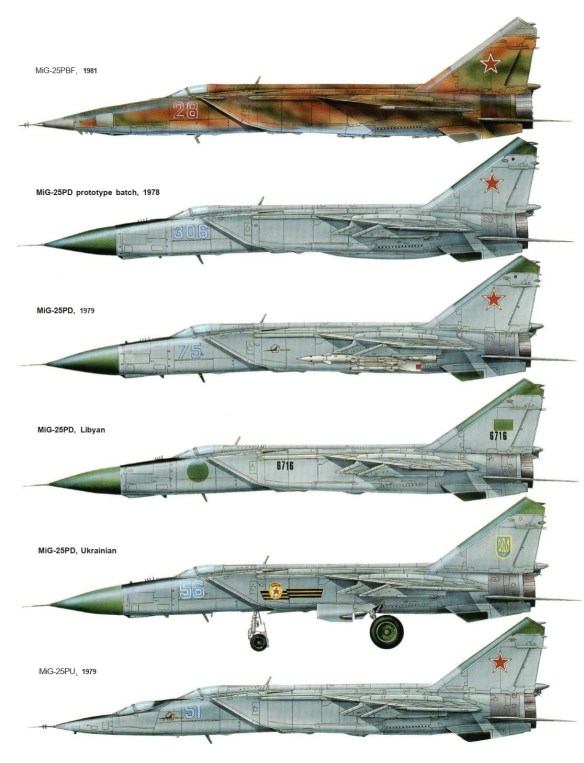
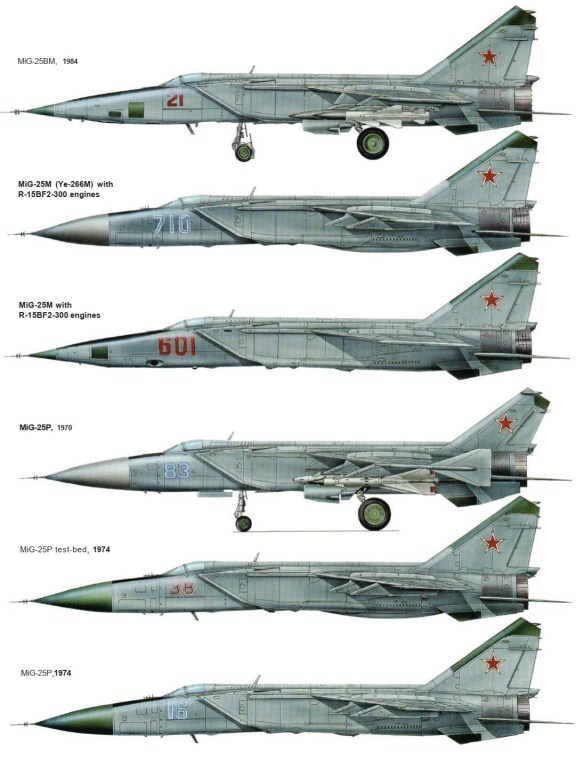
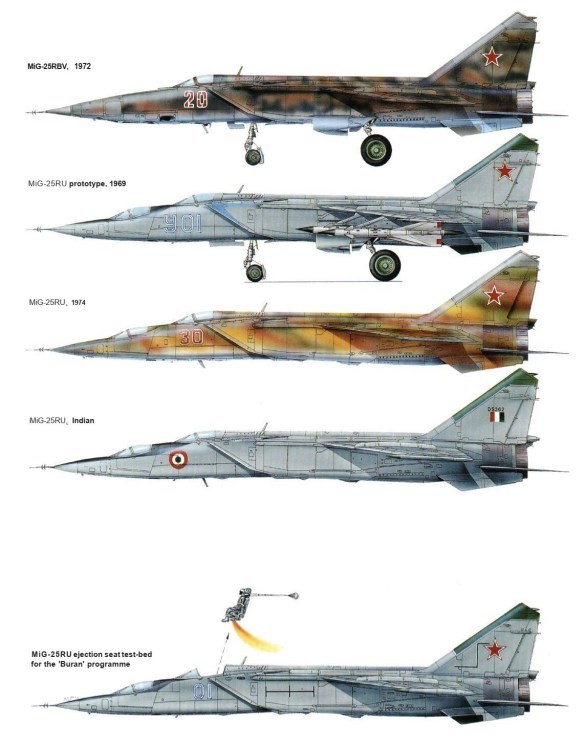
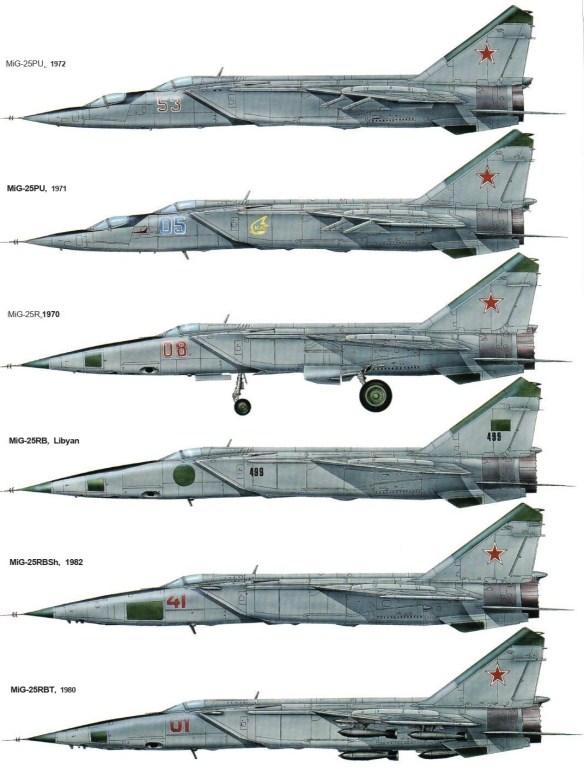
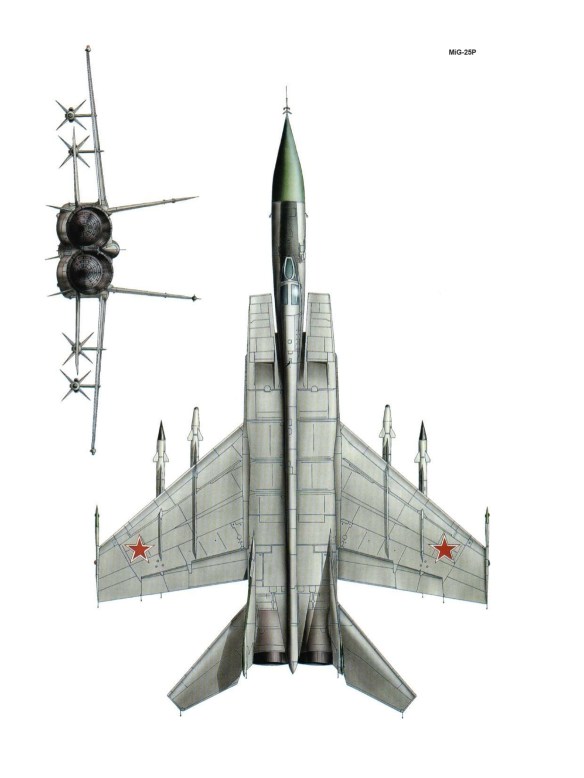
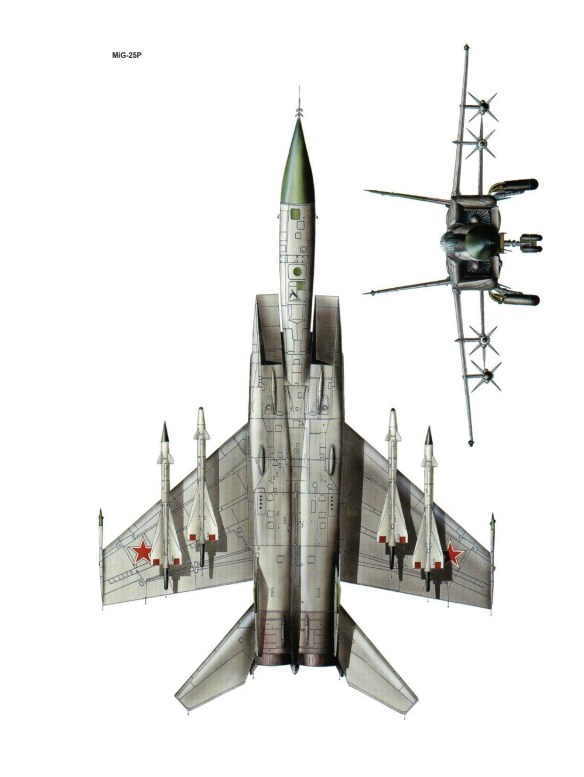
With its extensive borders – territorial, maritime and arctic – the Soviet Union had always needed to pay particular attention to its air defence. In the late 1950s a new lightweight turbojet, the R15-300, offered the potential to develop a fundamentally new type of interceptor. The Mikoyan-Gurevich (MiG) design bureau took up the challenge and the project was designated E-155.
Powered by a combination of jet and rocket engines, the machine aircraft promised dazzling performance. It could intercept targets flying at 2,500mph (4,000km/h) at 18-30 miles (30- 50km) high more than 100 miles away. Armament was to include K-9 air-to-air missiles (AAMs), with plans to replace them with the more advanced K-155s.
By 1960 this hypersonic dream was abandoned and efforts were concentrated on the S-155 weapon system, comprising a rethought E-155P interceptor, armed with two K-9 all-aspect AAMs and Kh-155 rockets.
The E-155`s tactical radius enabled its use beyond…
View original post 1,358 more words
Protests aren’t what they look like on TV
06 Jun 2020 Leave a comment
in economics of crime, law and economics, politics - USA, television
War Elephants in the Roman Army
06 Jun 2020 Leave a comment
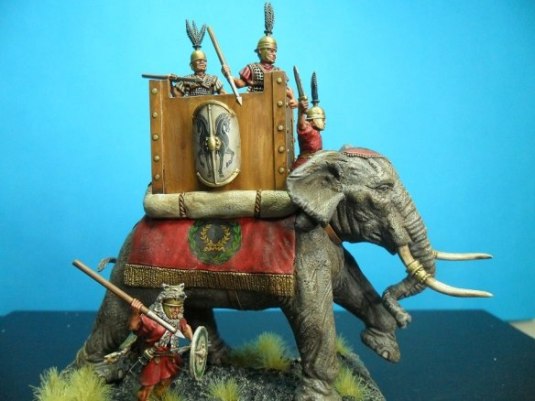
It is often assumed that the Romans realized the danger of using war elephants as early as their wars with Pyrrhus of Epirus and never employed them in their army. But this is not the case. The Romans first met with war elephants at Heraclea in 280 BC; much of their defeat was on account of Pyrrhus’s elephants. Yet after the battle they scornfully called them ‘Lucanian cows’ (after the district of Lucania where they had first faced elephants). The next year, at Asculum, the Romans brought out carts with hooks and torches against Pyrrhus’s elephants, but the idea failed to work, and again they were defeated because of elephants. In 255 BC the Carthaginians dealt them such a crippling blow, also with the help of elephants, that the Romans chose not to engage the Carthaginians and stay within fortress walls for another several years. It may seem strange that…
View original post 997 more words
The shortest recession ever – unemployment will be below 6% in November
06 Jun 2020 Leave a comment

After US unemployment rose to nearly 15% (in April) I wrote a blog post forecasting unemployment would be back below 6% in November.
That got me a lot of attention and a lot of suggestions for bets on the numbers (I have accepted a lot of these wagers).
Today, we got the US labor market report for May. It is a massive confirmation on my bullish call on the US labor market.
US (non-farm) employment rose by 3 million in May and unemployment dropped to 13.3% in May from 14.7% in April. This is much better than the consensus expectation of an increase in unemployment to 19%.
The US recovery is well underway. The markets have been right and the-world-is-coming-to-an-end-pundits have been wrong.
Meanwhile market inflation expectations continue to rise as well and even though inflation expectations are still below where we where in late…
View original post 443 more words
Delingpole: Britain Unleashes a Green New Deal to Kill What’s Left of the Economy
06 Jun 2020 Leave a comment

 Green blob [credit: storybird.com]
Unsurprisingly the author is not impressed with the UK government’s plans for a post-COVID job creation scheme. Where’s the wealth creation in subsidised jobs within subsidised industries?
The Chancellor has found an ingenious scheme to ensure the UK never recovers from the lockdown: a ‘green industrial revolution’, says James Delingpole @ Breitbart News.
According to The Times of London:
View original post 147 more words

June 6, 1944 D-Day
06 Jun 2020 Leave a comment
in defence economics, laws of war, politics - Australia, politics - New Zealand, politics - USA, war and peace Tags: D-Day, World War II
Why Did The Allies Pick Normandy?
06 Jun 2020 Leave a comment
in defence economics, war and peace Tags: D-Day, World War II
#OTD 1945 Japan’s policy of maximum bloodletting was seen as working well in securing a negotiated peace
06 Jun 2020 Leave a comment

Biosphere 2: The Martian Colony We Made on Earth… And How it Went Wrong
06 Jun 2020 Leave a comment
in economics of media and culture
Ancient Rome’s Sanitation System: Centuries Ahead of It’s Time
06 Jun 2020 Leave a comment
in economic history, health economics Tags: Roman empire
Review of “Andrew Carnegie” by David Nasaw
05 Jun 2020 Leave a comment


Andrew Carnegie
by David Nasaw
878 pages
Penguin Books
Published: October 2006
“Andrew Carnegie” by Davis Nasaw was published in 2006 and was a finalist for the 2007 Pulitzer Prize for Biography. Nasaw is the Arthur M. Schlesinger, Jr. Professor of History at City University of New York. Among his most widely-read books are biographies of Joseph P.Kennedy (which I read and reviewed last year) and William Randolph Hearst.
The ideal biography requires several crucial ingredients. Among them are an intriguing biographical subject, a skilled writer, a robust supply of primary source material and an author capable of diligent and determined research. This scholarly and often gripping biography of Andrew Carnegie provides each of these items in abundance.
Using sources not available to earlier biographers, Nasaw skillfully stitches together a seamless and comprehensive narrative which explores his subject’s entire life. In these 801 pages of text, Nasaw…
View original post 337 more words


Recent Comments