Yes Prime Minister on Milton Keynes
09 Feb 2020 Leave a comment
in great depression, history of economic thought, macroeconomics, Milton Friedman, monetarism, monetary economics, politics - USA, Public Choice Tags: Keynesian macroeconomics

19th century Bank of England was well on to stigma effects in a banking crisis
09 Feb 2020 Leave a comment
in applied price theory, business cycles, economic history, economics of bureaucracy, economics of information, fisheries economics, industrial organisation, law and economics, macroeconomics, monetary economics, property rights, Public Choice, survivor principle Tags: adverse selection, asymmetric information, bank runs, banking crises, banking panics, lender of last resort, monetary policy, screening

February 8, 1587: Execution of Mary I, Queen of Scotland.
09 Feb 2020 Leave a comment

Mary I, Queen of Scots (December 8, 1542 – February 8, 1587), reigned over Scotland from December 8, 1542 to July 24, 1567.
Mary was born on December 8, 1542 at Linlithgow Palace, Scotland, to King James V and his French second wife, Mary of Guise. She was said to have been born prematurely and was the only legitimate child of James’ to survive him. She was the great-niece of King Henry VIII of England, as her paternal grandmother, Margaret Tudor, was Henry VIII’s sister. On December 14, six days after her birth, she became Queen of Scotland when her father died, perhaps from the effects of a nervous collapse following the Battle of Solway Moss or from drinking contaminated water while on campaign.
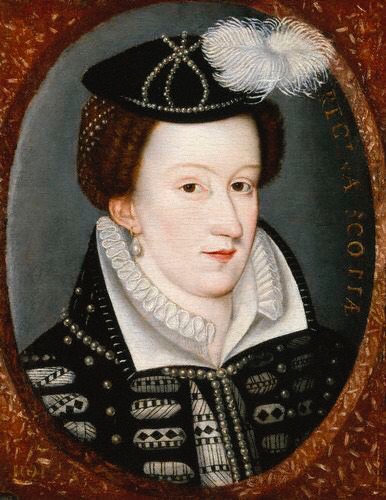
She spent most of her childhood in France while Scotland was ruled by regents, and in 1558, she married the Dauphin of France, François. Mary was…
View original post 1,204 more words
February 8, 1960: Creation of the Surname Mountbatten-Windsor.
09 Feb 2020 Leave a comment
Mountbatten-Windsor is the personal surname used by some of the male-line descendants of Queen Elizabeth II and Prince Philip, Duke of Edinburgh. Under a declaration made in Privy Council on February 8, 1960, the name Mountbatten-Windsor applies to male-line descendants of the Queen without royal styles and titles. Individuals with royal styles do not usually use a surname, but some descendants of the Queen with royal styles have used Mountbatten-Windsor when a surname was required.
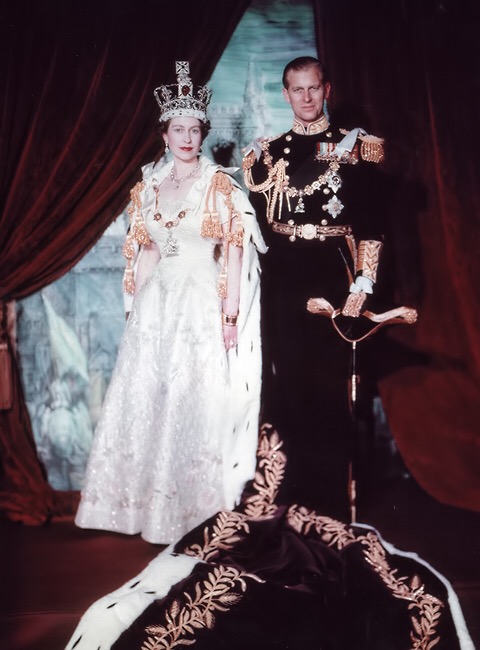
The British monarchy asserts that the name Mountbatten-Windsor is used by members of the Royal Family who do not have a surname, when a surname is required. For example, Prince Andrew, Duke of York, and Anne, Princess Royal, children of the Queen, used the surname Mountbatten-Windsor in official marriage registry entries in 1986 and 1973 respectively. Likewise, Prince William, Duke of Cambridge, used the name when filing a French lawsuit related to the topless pictures…
View original post 589 more words
Tesla – Pretend to Save the Environment While Looking Rich
09 Feb 2020 Leave a comment
in energy economics, environmental economics, global warming, politics - USA Tags: snobs
#climateemergency #globalwarming @GreenpeaceAP @Greens
09 Feb 2020 Leave a comment
in economic history, economics of natural disasters, energy economics, environmental economics, global warming, politics - Australia Tags: Anti-Science left, climate alarmists, pessimism bias, regressive left


Uncommon Knowledge with Justice Antonin Scalia
09 Feb 2020 Leave a comment
in law and economics, politics - New Zealand, politics - USA Tags: constitutional law
Nobel Symposium Kenneth Rogoff Indebtedness of governments, firms, and households
09 Feb 2020 Leave a comment
in budget deficits, business cycles, economic growth, economic history, economics of information, financial economics, global financial crisis (GFC), great recession, macroeconomics, monetary economics, Public Choice, public economics Tags: sovereign debt crises, sovereign defaults

The Impeachment Handbook with John Yoo & Richard Epstein
08 Feb 2020 1 Comment
in defence economics, economics of bureaucracy, economics of crime, law and economics, politics - USA, Public Choice Tags: 2020 presidential election, constitutional law
Great Schism: The Bitter Rivalry Between Greek and Latin Christianity
08 Feb 2020 Leave a comment
in defence economics, economic history, economics of religion
Gender Identity Laws and Basic Freedoms
08 Feb 2020 Leave a comment


I am presenting a paper on Feb 8, 2020 at the NCC National Conference 2020 “Strengthening Family, Faith, Freedom and Sovereignty in an ideologically hostile world”. The paper concerns the interaction between laws on “gender identity discrimination” and other basic freedoms, including freedom of speech and freedom of religion. The paper can be downloaded here:


Recent Comments