
Fact checking is a contradiction these days
28 Jan 2020 Leave a comment
in economics of bureaucracy, economics of natural disasters, environmental economics, global warming, politics - Australia, Public Choice Tags: climate alarmists, regressive left
Submission on Second Draft of Religious Discrimination Bill
28 Jan 2020 Leave a comment


As noted previously, the Commonwealth Government released a Second Exposure Draft of their proposed Religious Discrimination Bill in December 2019, inviting public comment by Friday 31st January 2020. I have now provided my submission on this draft, which is linked here for those who would like to consult it:
In short, I think this legisation is an important step in improving protection of religious freedom in Australia, and the second draft is an improvement on the first. But I recommend some clarification or change of approach in the following areas:
- Defining Religious Belief – I recommend that the way that the courts should determine whether a claim to religious belief is justified should focus on sincerity rather than courts examining “reasonableness” ; I also think that the bar of “unlawfulness” determining what beliefs cannot be protected at all needs to be raised to mainly cover serious criminal…
View original post 285 more words

Quick Links to My Recent RCP8.5 Series of Articles
28 Jan 2020 Leave a comment

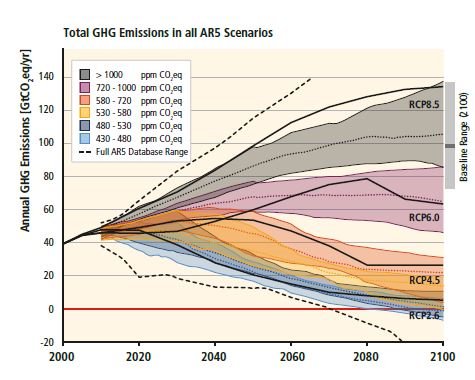
In 2018 a paper of mine on climate policy — my first after going walkabout from climate writing for a few years — discussed how assumptions of so-called “integrated assessment models” served to limit our discussion of climate policy:
- Opening Up the Climate Policy Envelope (2018): “A third example of a key assumption used to reinforce the boundaries of the business-as-usual climate policy envelope has been the heavy reliance on a particular emission scenario, called RCP (Representative Concentration Pathway) 8.5, in climate impact studies.”
Here are quick links to the series of articles I’ve had so far on RCP8.5 at Forbes.
- 26 Sept 2019: “The misuse of RCP 8.5 involves the transformation of what is more accurately described as a worst-case scenario into the sole “business as usual” or baseline scenario that has become a centerpiece of climate policy discussions.”
- 7 Oct 2019: “One way that integrated assessment…
View original post 259 more words
The Second World Wars- How The First Global Conflict Was Fought And Won With Victor Davis Hanson
28 Jan 2020 Leave a comment
in defence economics, war and peace Tags: World War II
What We Often Get Wrong About the Brain’s “Language Centers”
28 Jan 2020 Leave a comment
in economics of education, economics of media and culture, health economics
Thomas Sowell – Conquests, Migrations, Race and Cultures
28 Jan 2020 Leave a comment
in defence economics, development economics, economic history, economics of bureaucracy, economics of crime, economics of education, economics of information, economics of media and culture, economics of regulation, history of economic thought, human capital, income redistribution, international economic law, International law, labour economics, labour supply, law and economics, laws of war, organisational economics, poverty and inequality, property rights, Public Choice, public economics, rentseeking, Thomas Sowell, war and peace Tags: economics of colonialism, racial discrimination

Friends of Science 11th Annual Luncheon 2014 with @RossMcKitrick
28 Jan 2020 Leave a comment
in applied welfare economics, econometerics, economic history, economics of information, energy economics, environmental economics, global warming, Public Choice Tags: climate alarmists
Spies: The Rise and Fall of the KGB in America
28 Jan 2020 Leave a comment
in defence economics, economics of crime, law and economics, politics - USA, war and peace Tags: Cold War, espionage, USSR, World War II
The Tax Increases to Come – @WSJ
27 Jan 2020 Leave a comment
in economic growth, economics of education, fiscal policy, human capital, income redistribution, labour economics, labour supply, macroeconomics, Marxist economics, occupational choice, politics - USA, poverty and inequality, Public Choice Tags: 2020 presidential election, taxation and entrepreneurship, taxation and investment, taxation and labour supply

Reliability of Wind Energy — When the Wind Doesn’t Blow
27 Jan 2020 1 Comment
in energy economics, environmental economics, global warming, Public Choice, rentseeking Tags: Big Wind, wind power
Behind on my #GMO blogging
27 Jan 2020 Leave a comment
in economics of education, economics of information, economics of regulation, environmental economics, health economics Tags: anti-GMO movement, GMOs

Ever-Dependable: Coal-Fired Power Keeps On Keeping On During Australia’s Bushfire Battle
27 Jan 2020 3 Comments

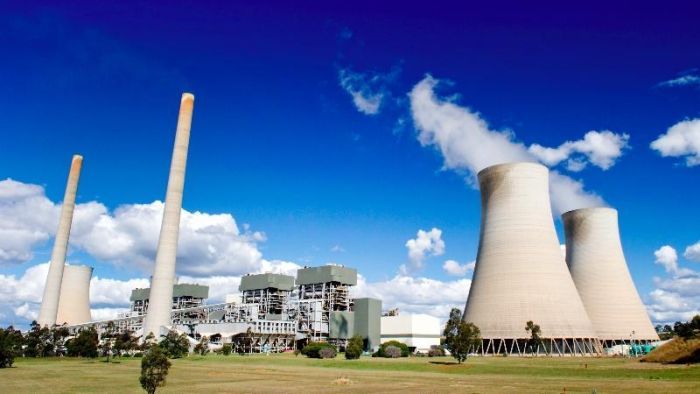
Of the more delusional claims made by wind power proponents, the notion that wind power is more dependable and reliable than coal-fired power, takes the cake.
Back in December, Victoria’s Premier, Daniel Andrews revealed his tenuous grip on reality when he made the very same assertion: Deranged & Delusional: Victorian Government Claims Wind & Solar More Reliable Than Fossil Fuels
As the readily available output data demonstrated then, Victoria’s coal-fired plants deliver the goods with all the certitude of a Swiss watch, day after day, whereas Victoria’s wind industry puts in a pathetic performance, every single day.
This time it’s the loopy hard-left ‘think tank’, the Australia Institute demonstrating its inability to think, very much at all.
Last week a single 660 MW unit at the Bayswater coal-fired plant went down for urgent repairs and, right on cue, the Australia Institute started howling that it was “dangerous” to depend upon…
View original post 1,212 more words


Recent Comments