Eric Crampton writes – Government sometimes cannot stop itself from providing bailouts when risk-taking goes wrong. This kind of ‘free’ insurance policy leads to no end of bad outcomes.
The high cost of free insurance
The high cost of free insurance
24 Sep 2024 Leave a comment
in applied price theory, economics of bureaucracy, economics of information, economics of regulation, environmental economics, politics - New Zealand, Public Choice, public economics, urban economics Tags: unintended consequences
Facts about Britain
22 Sep 2024 Leave a comment
in applied price theory, economic growth, economics of bureaucracy, economics of regulation, energy economics, environmental economics, industrial organisation, labour economics, law and economics, macroeconomics, Public Choice, resource economics, transport economics, urban economics Tags: British politics
Between 2004 and 2021, before Russia’s invasion of Ukraine, the industrial price of energy tripled in nominal terms, or doubled relative to consumer prices. With almost identical population sizes, the UK has under 30 million homes, while France has around 37 million. 800,000 British families have second homes compared to 3.4 million French families. Per capita electricity generation in the UK […]
Facts about Britain
Monkeypox and Medsafe
15 Sep 2024 Leave a comment
in applied price theory, applied welfare economics, comparative institutional analysis, economics of bureaucracy, economics of information, economics of regulation, health economics, politics - New Zealand, Public Choice Tags: drug lags, economics of pandemics
In a sane world, medicines and vaccines already approved by trustworthy overseas regulators would automatically be able to be used in New Zealand as well.New Zealand is not sane. But neither is anywhere else really on that standard. Other places are just faster than NZ in getting things approved, with more practicable pathways for expedited…
Monkeypox and Medsafe
Friedman vs Stiglitz: Estonia and Poland vs. Argentina and Venezuela
06 Sep 2024 Leave a comment
in applied price theory, comparative institutional analysis, development economics, economic history, economics of bureaucracy, entrepreneurship, growth disasters, growth miracles, history of economic thought, income redistribution, industrial organisation, international economics, labour economics, law and economics, liberalism, Marxist economics, poverty and inequality, property rights, Public Choice, rentseeking, survivor principle Tags: Argentina, Chile, Poland, regressive left, Venezuela
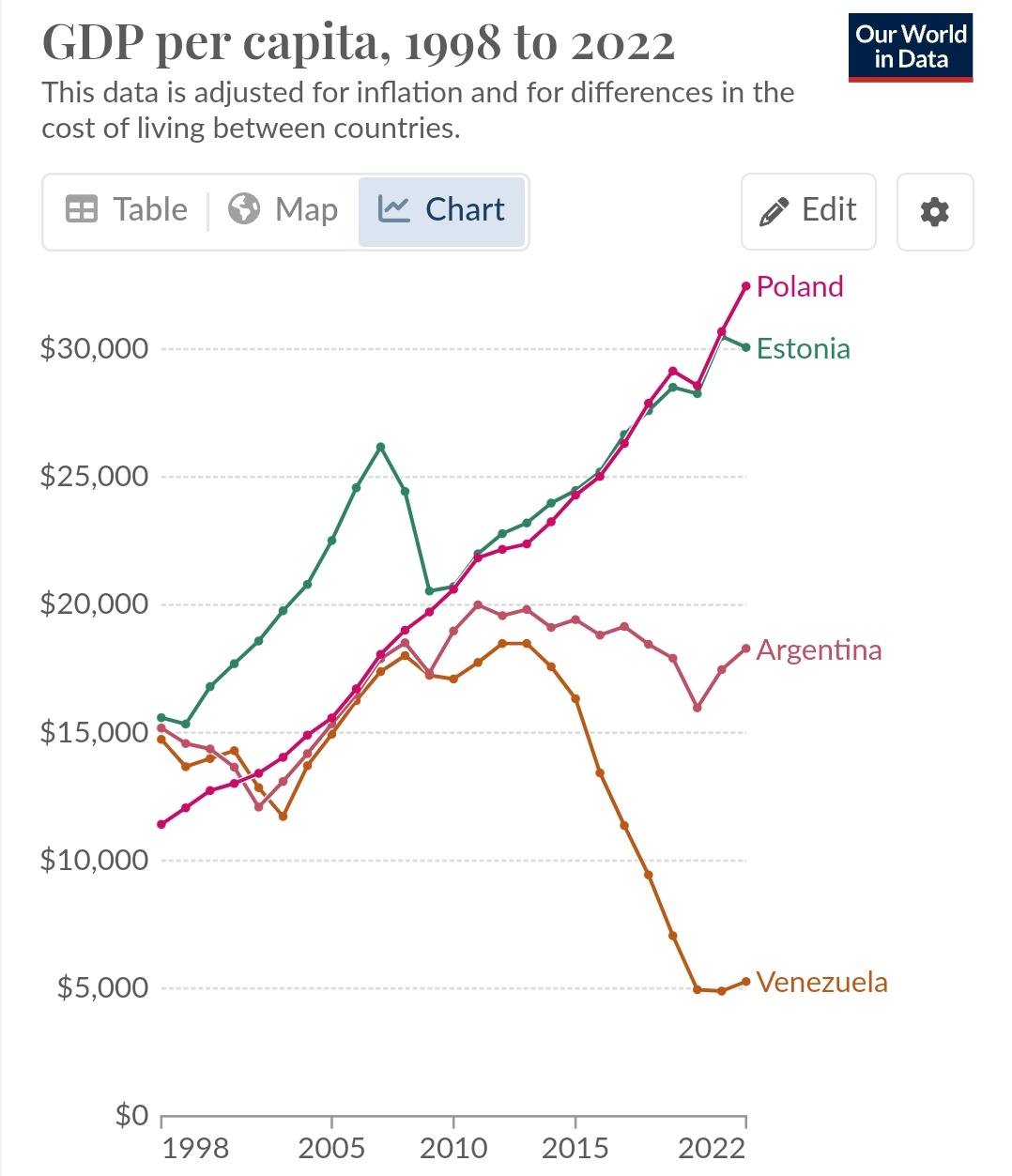
About 10 days ago, i showed that Milton Friedman was a much better economist than Joseph Stiglitz by comparing Chile (which followed Friedman’s ideas) and Venezuela (which followed Stiglitz’s ideas). It was a slam-dunk win for Friedman. Chile started poor and has become relatively prosperous. The opposite happened in Venezuela, which started relatively prosperous and […]
Friedman vs Stiglitz: Estonia and Poland vs. Argentina and Venezuela
European Policies = European Stagnation
31 Aug 2024 Leave a comment
in applied price theory, applied welfare economics, Austrian economics, comparative institutional analysis, constitutional political economy, economic growth, economic history, economics of bureaucracy, entrepreneurship, human capital, income redistribution, labour economics, labour supply, liberalism, macroeconomics, Marxist economics, politics - USA, poverty and inequality, Public Choice, public economics, rentseeking, welfare reform Tags: Europe, social insurance
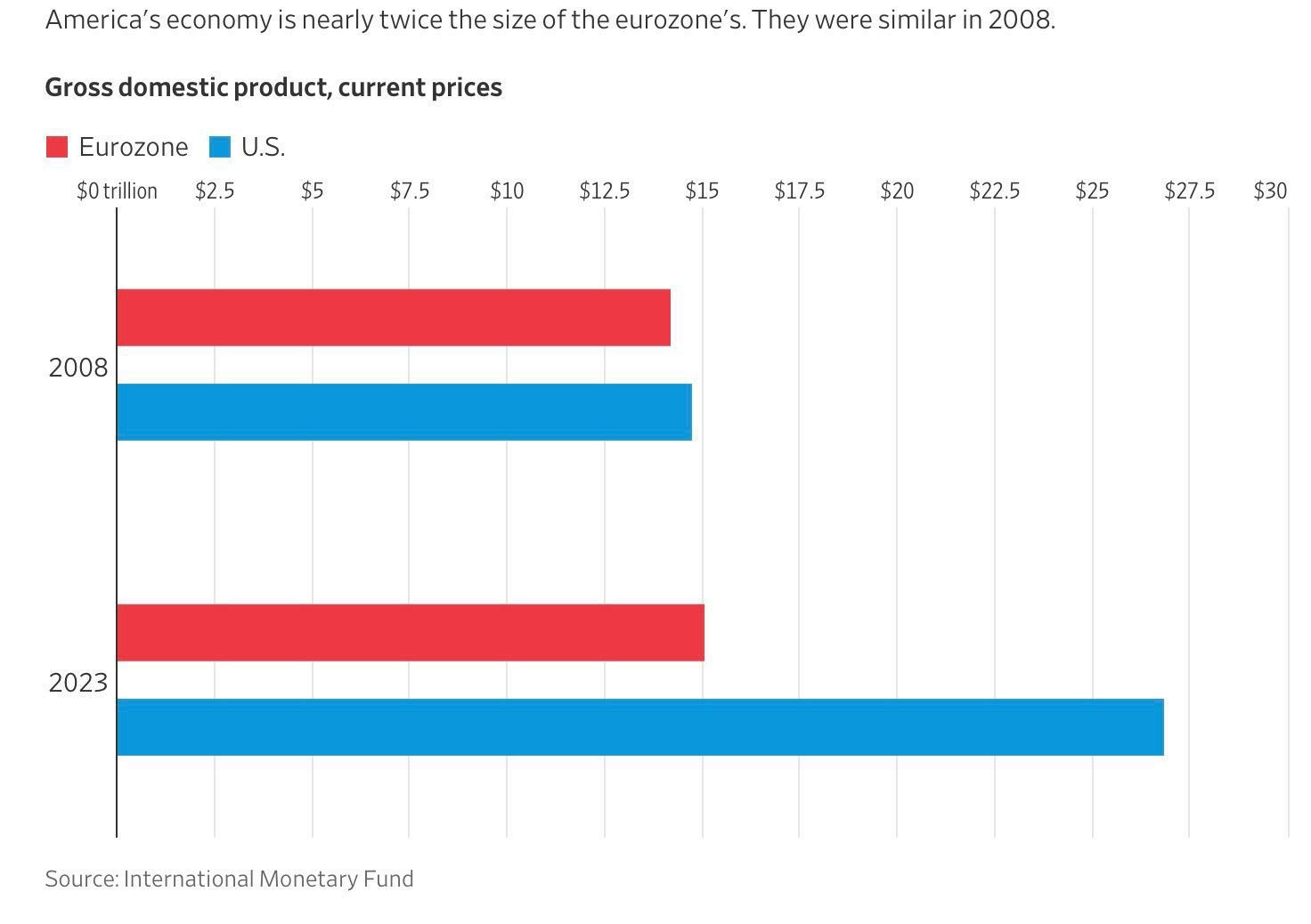
I’ve written many times about how Americans are much richer than Europeans. And I’ve also written many times that the U.S. economy has been growing faster (which shouldn’t happen according to convergence theory). There’s a simple reason for America’s superior performance. The U.S. is burdened by a medium-sized welfare state and a bad tax system […]
European Policies = European Stagnation
Former Labour PM’s Clark and Ardern wrecked NZ’s Health System: they should be held accountable for the lives that have been lost
28 Aug 2024 1 Comment
in economic history, economics of bureaucracy, health economics, industrial organisation, Marxist economics, politics - New Zealand, Public Choice, theory of the firm Tags: health insurance
Enough is enough. Former PMs Helen Clark and Jacinda Ardern should come clean about how they were the Chief Architects of the omni-shambles that has become our health system. They should take responsibility for the folks who suffered from long waiting lists and declining health-care quality, some of whom didn’t make it. The person who…
Former Labour PM’s Clark and Ardern wrecked NZ’s Health System: they should be held accountable for the lives that have been lost
Promised debate at Auckland University on indigenous ways of knowing vs. science fails to materialize
22 Aug 2024 Leave a comment
in economics of bureaucracy, economics of education, law and economics, liberalism, Marxist economics, politics - New Zealand, Public Choice Tags: Age of Enlightenment, conjecture and refutation, free speech, philosophy of science, political correctness, regressive left
In 2021, the Listener Letter fracas erupted in New Zealand when seven professors at Auckland University argued that the indigenous “way of knowing,” Mātauranga Māori (MM), while valuable in anthropology and sociology classes, should not be taught, as the government planned, as coequal with modern science. The seven signers were right: while MM does contain […]
Promised debate at Auckland University on indigenous ways of knowing vs. science fails to materialize
Kamala Harris, Price Controls, and the Contest for the Dumbest Policy Proposal of 2024
17 Aug 2024 Leave a comment
in applied price theory, comparative institutional analysis, economic history, economics of bureaucracy, economics of regulation, energy economics, health economics, history of economic thought, income redistribution, industrial organisation, international economics, liberalism, Marxist economics, politics - USA, Public Choice, rentseeking Tags: 2024 presidential election, price controls, tariffs

As a Senator, Kamala Harris embraced all sorts of terrible ideas, such as the Green New Deal and Medicare for All. But she’s now disavowed those proposals in an attempt to make herself seem more reasonable. Trump, by contrast, is consistent. For better or worse, he’s pushing in 2024 the same agenda that he ran […]
Kamala Harris, Price Controls, and the Contest for the Dumbest Policy Proposal of 2024
The (Non) Mystery of Economic Growth
13 Aug 2024 Leave a comment
in applied price theory, comparative institutional analysis, constitutional political economy, development economics, economic growth, economic history, economics of bureaucracy, growth disasters, growth miracles, income redistribution, law and economics, macroeconomics, property rights, Public Choice, rentseeking Tags: The Great Enrichment
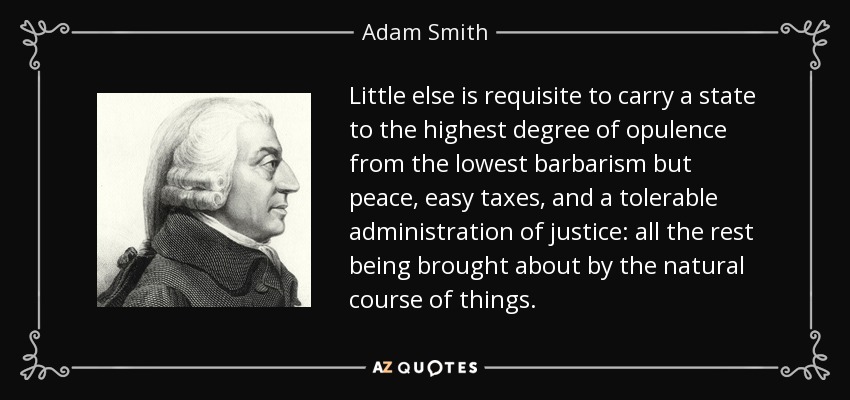
The recipe for economic growth is not complicated. You can put it in very simple terms, as Adam Smith did a few hundred years ago. Or you can develop and utilize data-heavy indexes like the ones published by the Fraser Institute and Heritage Foundation. In either case, the result will be the same. If you […]
The (Non) Mystery of Economic Growth
Roots of Climate Change Distortions
08 Aug 2024 Leave a comment
in comparative institutional analysis, economics of bureaucracy, economics of education, economics of information, economics of media and culture, energy economics, environmental economics, environmentalism, global warming, politics - New Zealand, politics - USA, population economics, Public Choice Tags: climate alarmism
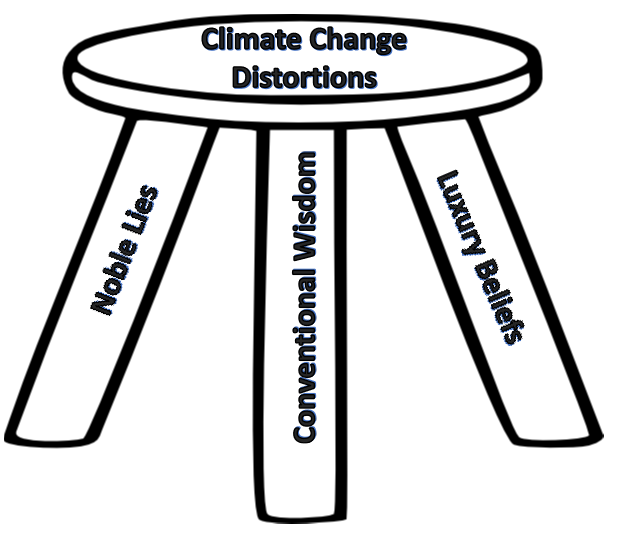
Roger Pielke Jr. explains at his blog Why Climate Misinformation Persists. Excerpts in italics with my bolds and added images. H/T John Ray Noble Lies, Conventional Wisdom, and Luxury Beliefs In 2001, I participated in a roundtable discussion hosted at the headquarters of the National Academy of Sciences (NAS) with a group of U.S. Senators, […]
Roots of Climate Change Distortions
Fast Takes on *Build, Baby, Build*: David Schleicher
07 Aug 2024 Leave a comment
in comparative institutional analysis, constitutional political economy, economics of bureaucracy, economics of regulation, income redistribution, law and economics, politics - USA, property rights, Public Choice, rentseeking, urban economics Tags: housing affordability, land supply
I met Yale Law’s David Schleicher when he was still a law professor at GMU. Back then, we argued about the best model of non-rigged one-party democracy, often seen in major cities… and Singapore. Since then, David’s become a powerful academic voice for YIMBY. Last month, David joined me for another Fast Take on Build,…
Fast Takes on *Build, Baby, Build*: David Schleicher
Did a Christchurch Environment Judge called Prudence just end NZ’s Dreams of higher tech-based productivity growth that would’ve fixed our health system & ended poverty?
06 Aug 2024 1 Comment
in economics of bureaucracy, economics of regulation, environmentalism, politics - New Zealand, Public Choice, public economics, urban economics
New Zealand citizen, Peter Thiel, who is one of the world’s richest men, and business associate of Elon Musk, has had his house application in Wanaka rejected on appeal by the Environment Court. Theil was the first investor in Shane Legg’s company, Deep Mind, which started the Artificial Intelligence revolution. Legg is a former student…
Did a Christchurch Environment Judge called Prudence just end NZ’s Dreams of higher tech-based productivity growth that would’ve fixed our health system & ended poverty?
Pervasive myth of centralisation unravels in NZ
06 Aug 2024 Leave a comment
in applied price theory, comparative institutional analysis, economics of bureaucracy, economics of education, health economics, industrial organisation, politics - New Zealand, Public Choice, public economics, survivor principle
Oliver Hartwich writes – New Zealand’s government sacked the entire board of Health New Zealand (Te Whatu Ora) last week, replacing it with a sole commissioner. The move marked more than just another shake-up in the country’s beleaguered health system. It signalled the spectacular failure of a grand experiment that has turned New Zealand into […]
Pervasive myth of centralisation unravels in NZ
How Politicians Should Debate: Kemi Badenoch
05 Aug 2024 Leave a comment
in applied price theory, discrimination, economic growth, economics of bureaucracy, economics of crime, economics of regulation, gender, income redistribution, labour economics, law and economics, macroeconomics, Public Choice, public economics, rentseeking, urban economics Tags: British politics

She’s been one of the rising stars of the British Conservative Party for some time now, and I’ve covered stories about her before (Would be nice if a US Democrat said this about Critical Race Theory and A Tory warning for the National Party of 2032), but I’ve finally decided to add Kemi Badenoch as a tag […]
How Politicians Should Debate: Kemi Badenoch
Olympic Records in Cost Overruns
05 Aug 2024 Leave a comment
in applied price theory, economic history, economics of bureaucracy, industrial organisation, Public Choice, public economics, sports economics, theory of the firm, urban economics Tags: Olympic Games

When a city bids to host the Olympic Games, part of the bid is a commitment that the city or the national government will cover any cost overruns–and experience suggests the cost overruns will be large. Alexander Budzier and Bent Flyvbjerg discuss the patterns in “The Oxford Olympics Study 2024: Are Cost and Cost Overrun…
Olympic Records in Cost Overruns


Recent Comments