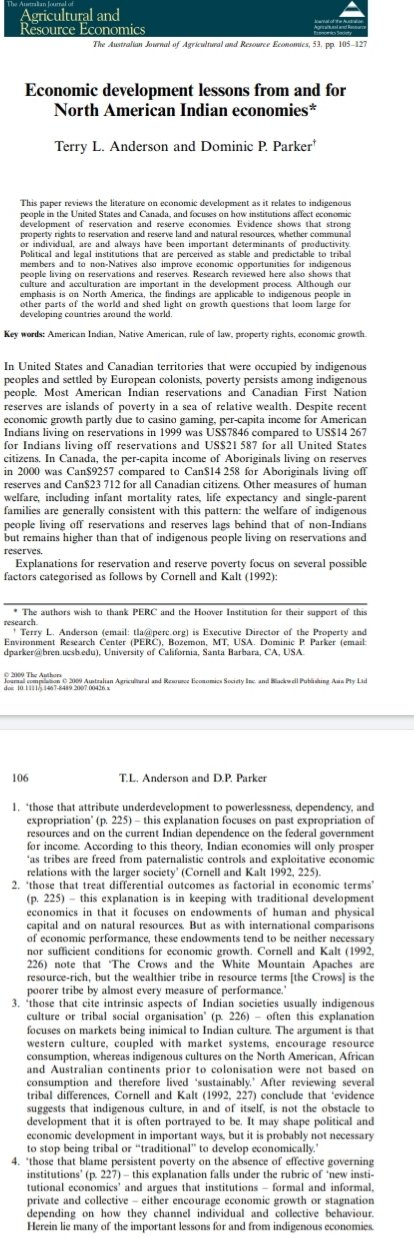
More on reservations as backwaters
28 Jun 2020 Leave a comment
in comparative institutional analysis, constitutional political economy, development economics, discrimination, economics of bureaucracy, economics of crime, economics of education, economics of regulation, human capital, income redistribution, industrial organisation, labour economics, labour supply, law and economics, politics - USA, poverty and inequality, property rights, Public Choice, public economics, rentseeking, unemployment, welfare reform Tags: Canada, racial discrimination
Jordan Peterson Debunks White Privilege
28 Jun 2020 Leave a comment
in discrimination, economics of education, human capital, income redistribution, labour economics, labour supply, politics - Australia, politics - New Zealand, politics - USA, poverty and inequality, Public Choice, rentseeking Tags: pessimism bias, political correctness, racial discrimination, regressive left
Jordan Peterson: IQ debate
27 Jun 2020 Leave a comment
in discrimination, economics of education, human capital, income redistribution, labour economics, labour supply, Marxist economics, occupational choice, poverty and inequality Tags: IQ, political correctness, regressive left
Fair Argument Against “Systemic Racism”
26 Jun 2020 Leave a comment
in discrimination, economic history, economics of bureaucracy, economics of crime, economics of education, economics of information, human capital, income redistribution, labour economics, labour supply, law and economics, politics - USA, poverty and inequality, property rights, Public Choice, welfare reform Tags: racial discrimination, regressive left
Hayek and Pandemic Response with Professor Mark Pennington
23 Jun 2020 Leave a comment
in applied price theory, applied welfare economics, Austrian economics, comparative institutional analysis, constitutional political economy, economic history, economics of bureaucracy, economics of information, economics of regulation, F.A. Hayek, health economics, history of economic thought, income redistribution, industrial organisation, international economics, labour economics, law and economics, personnel economics, rentseeking, survivor principle Tags: economics of pandemics, offsetting behaviour, pessimism bias, political correctness, regressive left, The fatal conceit, unintended consequences
HT Cafe Hayek
Jordan Peterson: Why is Marxism so Attractive?
22 Jun 2020 Leave a comment
in development economics, economic history, economics of bureaucracy, economics of crime, economics of education, history of economic thought, income redistribution, labour economics, law and economics, Marxist economics, politics - Australia, politics - New Zealand, politics - USA, poverty and inequality, property rights, Public Choice, rentseeking Tags: political correctness, regressive left
Cost-Effective Approaches to Save the Environment, with Bjorn Lomborg
19 Jun 2020 Leave a comment
in applied welfare economics, development economics, energy economics, environmental economics, global warming, income redistribution, politics - Australia, politics - New Zealand, politics - USA, Public Choice, public economics, rentseeking Tags: climate alarmists
Race, class and culture: A conversation with William Julius Wilson and J.D. Vance
16 Jun 2020 Leave a comment
in discrimination, economic history, economics of crime, economics of education, human capital, income redistribution, labour economics, labour supply, law and economics, politics - USA, poverty and inequality, public economics, unemployment, urban economics, welfare reform Tags: racial discrimination
Global Pricing of Pharmaceutical Products: Richard Epstein on the Ethics of Global Health
04 Jun 2020 Leave a comment
in applied price theory, applied welfare economics, comparative institutional analysis, development economics, economic history, economics of information, economics of regulation, entrepreneurship, financial economics, income redistribution, industrial organisation, international economics, law and economics, managerial economics, market efficiency, organisational economics, politics - USA, property rights, Public Choice, Richard Epstein, Ronald Coase, survivor principle Tags: drug pricing, patents and copyright
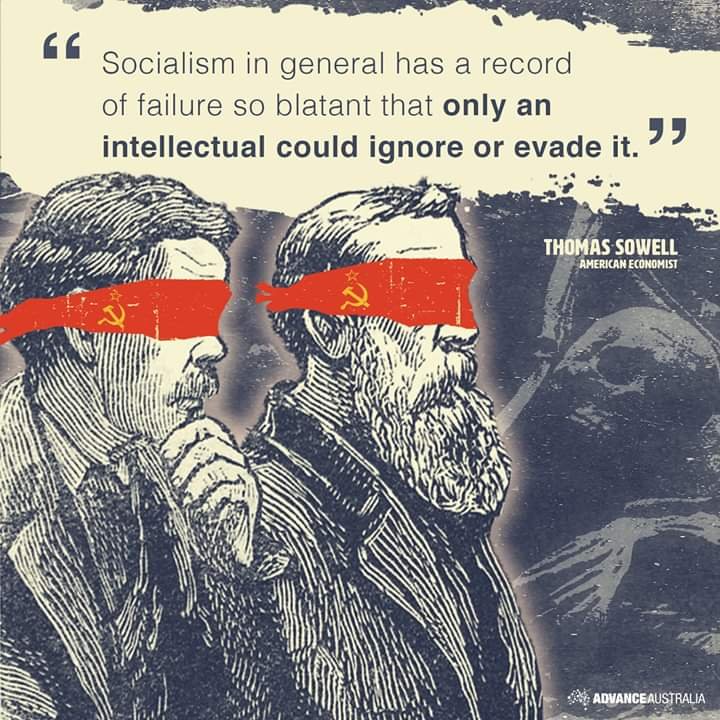
.@AOC @BernieSanders @SenWarren @Greens @NZGreens @oxfamnz
31 May 2020 Leave a comment
in applied price theory, comparative institutional analysis, constitutional political economy, development economics, economic history, economics of bureaucracy, economics of crime, economics of regulation, growth disasters, human capital, income redistribution, industrial organisation, labour economics, labour supply, law and economics, Marxist economics, poverty and inequality, property rights, Public Choice, rentseeking, survivor principle, Thomas Sowell Tags: fall of communism, offsetting behaviour, rational irrationality, regressive left, The fatal conceit, unintended consequences
Is inflation always and everywhere a fiscal phenomenon – from John Cochrane’s draft book
30 May 2020 Leave a comment

The moral roots of liberals and conservatives – Jonathan Haidt
26 May 2020 Leave a comment
in economics of education, economics of information, income redistribution, politics - Australia, politics - New Zealand, politics - USA, Public Choice, rentseeking Tags: evolutionary psychology, moral psychology, political psychology
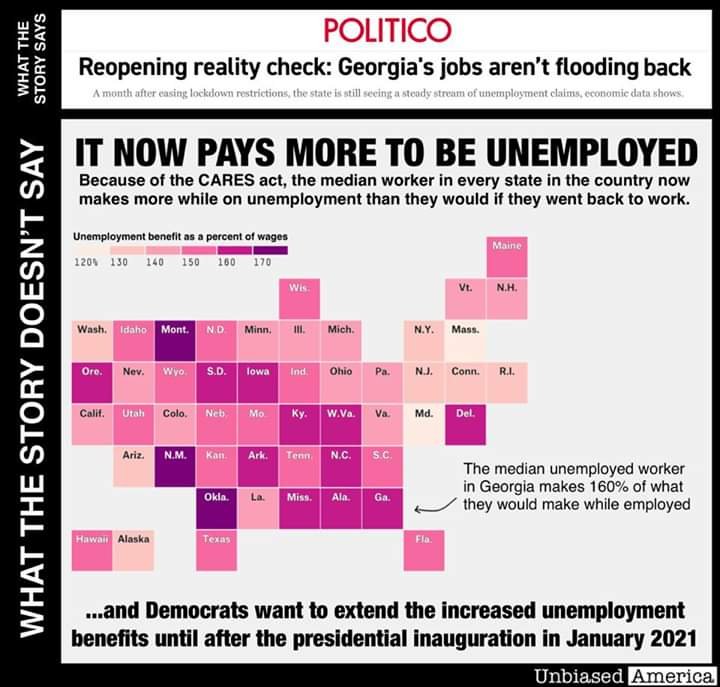
Unemployment rate in Georgia is 40%
25 May 2020 Leave a comment
in economics of bureaucracy, health economics, income redistribution, labour economics, labour supply, macroeconomics, politics - USA, Public Choice, public economics, rentseeking, unemployment Tags: 2020 presidential election, economics of pandemics, moral hazard, unemployment insurance


Recent Comments