SHOWDOWN: Willie Jackson vs David Seymour on the Treaty Principles Bill
11 Sep 2024 Leave a comment
in comparative institutional analysis, economic history, law and economics, liberalism, politics - New Zealand, property rights, Public Choice Tags: constitutional law, political correctness, racial discrimination, regressive left
Uber messy
11 Sep 2024 Leave a comment
in applied price theory, comparative institutional analysis, economics of regulation, entrepreneurship, industrial organisation, labour economics, labour supply, law and economics, occupational choice, politics - New Zealand, property rights, Public Choice, transport economics, urban economics Tags: employment law, Uber
Caught a fun phone call from an accountant after this week’s column over at the Dom Post (and Christchurch Press, etc) on the court’s decision in the Uber case.If Uber drivers are employees, rather than contractors, as the Court sees things, how will depreciation on their cars be handled? Contractors can count all those expenses…
Uber messy
Rent controls make many tenants worse off in the Netherlands
10 Sep 2024 Leave a comment
in applied price theory, economic history, economics of regulation, income redistribution, Public Choice, rentseeking, transport economics, urban economics Tags: rent control
Rent controls have created shortages of housing, every time and in every place that they have been tried. In the latest futile attempt to create working rent controls, the Netherlands has worsened its housing shortage. As Bloomberg reported recently (paywalled, but try this alternative link):Two years ago, Nine Moraal and her two children moved into a…
Rent controls make many tenants worse off in the Netherlands
Uber ruling – driving in the wrong direction
09 Sep 2024 Leave a comment
in applied price theory, economics of regulation, labour economics, labour supply, law and economics, occupational choice, occupational regulation, property rights, Public Choice, rentseeking, transport economics, urban economics Tags: employment law, Uber
Dr Oliver Hartwich writes – Last week, an Uber driver surprised me in a conversation about the recent Court of Appeal decision classifying four Uber drivers as employees rather than contractors. My driver was blunt. He has no desire to be an employee. He values his flexibility to take breaks and drive when and where […]
Uber ruling – driving in the wrong direction
Recovering from New Zealand’s worst ever economic decision: The cancellation of the Kirk Government’s superannuation scheme
08 Sep 2024 1 Comment
in economic growth, economic history, fiscal policy, income redistribution, labour economics, labour supply, macroeconomics, politics - New Zealand, poverty and inequality, Public Choice, public economics
EEconomists wonder about the “New Zealand paradox”, which is that New Zealand under-performs economically given its policies, institutions, natural resources, educated people, and compliance with trade and other multi-lateral agreements. Our economic reforms from the mid-1980s and on were textbook economic theory and yet the real-world results disappointed. However, New Zealand has different policy settings […]
Recovering from New Zealand’s worst ever economic decision: The cancellation of the Kirk Government’s superannuation scheme
Friedman vs Stiglitz: Estonia and Poland vs. Argentina and Venezuela
06 Sep 2024 Leave a comment
in applied price theory, comparative institutional analysis, development economics, economic history, economics of bureaucracy, entrepreneurship, growth disasters, growth miracles, history of economic thought, income redistribution, industrial organisation, international economics, labour economics, law and economics, liberalism, Marxist economics, poverty and inequality, property rights, Public Choice, rentseeking, survivor principle Tags: Argentina, Chile, Poland, regressive left, Venezuela
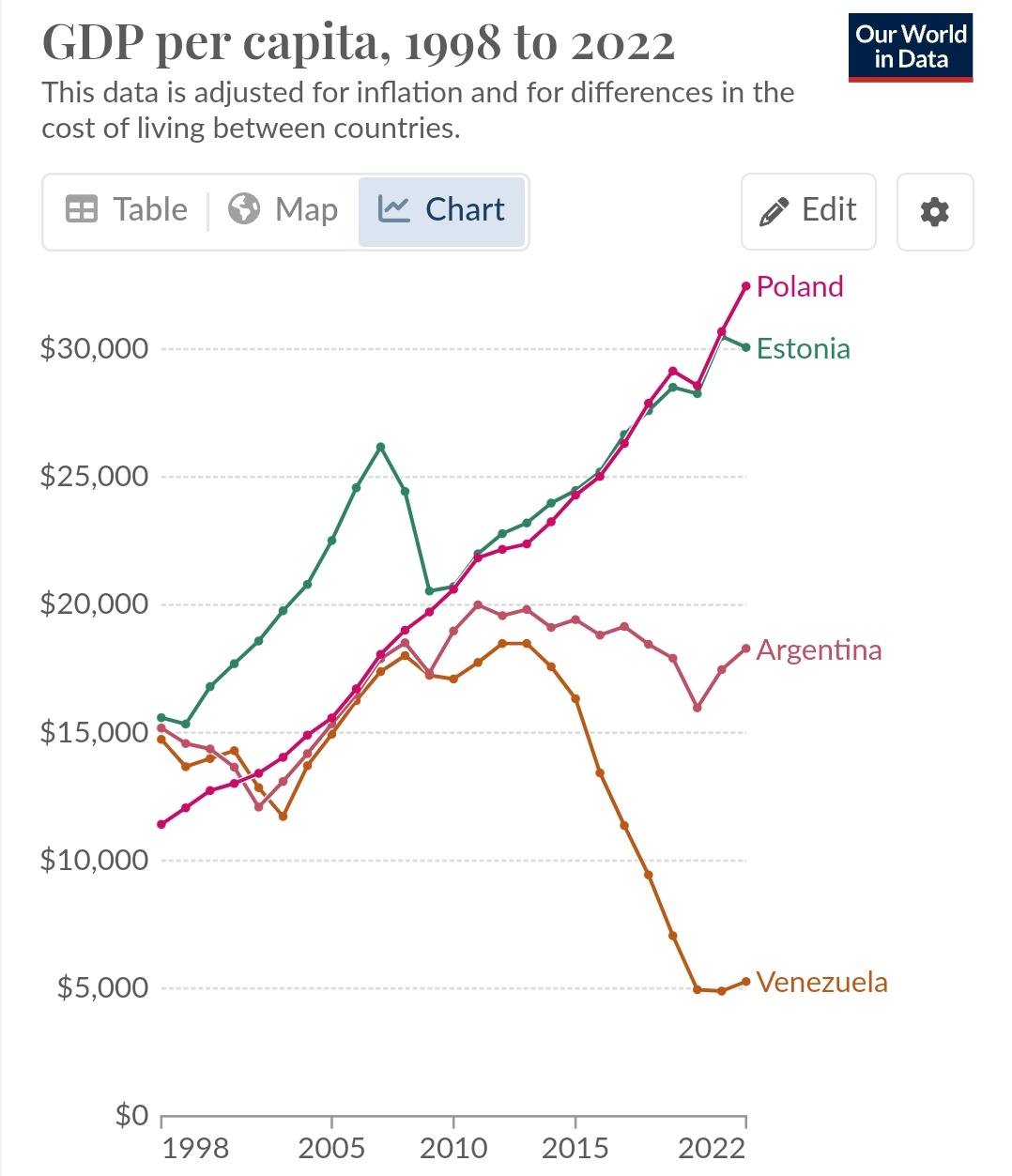
About 10 days ago, i showed that Milton Friedman was a much better economist than Joseph Stiglitz by comparing Chile (which followed Friedman’s ideas) and Venezuela (which followed Stiglitz’s ideas). It was a slam-dunk win for Friedman. Chile started poor and has become relatively prosperous. The opposite happened in Venezuela, which started relatively prosperous and […]
Friedman vs Stiglitz: Estonia and Poland vs. Argentina and Venezuela
Interview with Greg Mankiw: New Keynesian Macro, Growth, and Economic Policy
04 Sep 2024 Leave a comment
in applied price theory, budget deficits, business cycles, development economics, econometerics, economic growth, economic history, Edward Prescott, fiscal policy, great depression, history of economic thought, labour economics, law and economics, macroeconomics, Milton Friedman, monetarism, monetary economics, politics - USA, Public Choice, Robert E. Lucas, unemployment
Jon Hartley interviews Greg Mankiw on topics including New Keynesian macroeconomics, growth, and economic policy more broadly at his Capitalism and Freedom website (August 20, 2024, video and transcript available). Here are a few of the comments that caught my eye. On big models and small models in studying the macroeconomy: [O]n the issue of…
Interview with Greg Mankiw: New Keynesian Macro, Growth, and Economic Policy
Tackling the problem of electoral corruption: the 1883 Corrupt and Illegal Practices Prevention Act
02 Sep 2024 Leave a comment
in economic history, economics of crime, law and economics, Public Choice Tags: bribery and corruption, British history, British politics

Marking the anniversary of the passage of the 1883 Corrupt Practices Act, Dr Kathryn Rix, assistant editor of the House of Commons, 1832-1945, begins a series of blog posts on this landmark reform by looking at the key changes made by the act and the motivations behind it. On 25 August 1883, the final day […]
Tackling the problem of electoral corruption: the 1883 Corrupt and Illegal Practices Prevention Act
Marx explained
01 Sep 2024 Leave a comment
in applied price theory, Austrian economics, entrepreneurship, history of economic thought, human capital, income redistribution, labour economics, labour supply, law and economics, liberalism, Marxist economics, occupational choice, poverty and inequality, property rights, Public Choice

Why the @NZGreens are beside the point
31 Aug 2024 Leave a comment
in applied welfare economics, Austrian economics, comparative institutional analysis, constitutional political economy, development economics, economic growth, economic history, entrepreneurship, growth miracles, history of economic thought, human capital, income redistribution, industrial organisation, labour economics, labour supply, law and economics, liberalism, macroeconomics, Marxist economics, politics - New Zealand, poverty and inequality, property rights, Public Choice, rentseeking, technological progress Tags: child poverty, family poverty, The Great Enrichment
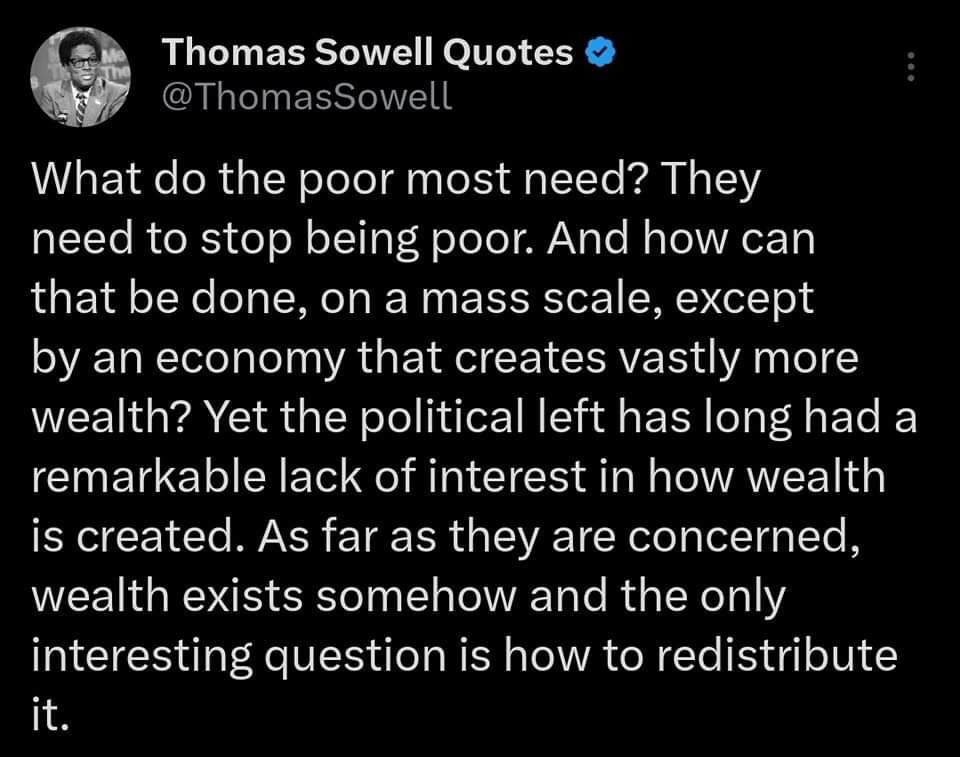
European Policies = European Stagnation
31 Aug 2024 Leave a comment
in applied price theory, applied welfare economics, Austrian economics, comparative institutional analysis, constitutional political economy, economic growth, economic history, economics of bureaucracy, entrepreneurship, human capital, income redistribution, labour economics, labour supply, liberalism, macroeconomics, Marxist economics, politics - USA, poverty and inequality, Public Choice, public economics, rentseeking, welfare reform Tags: Europe, social insurance
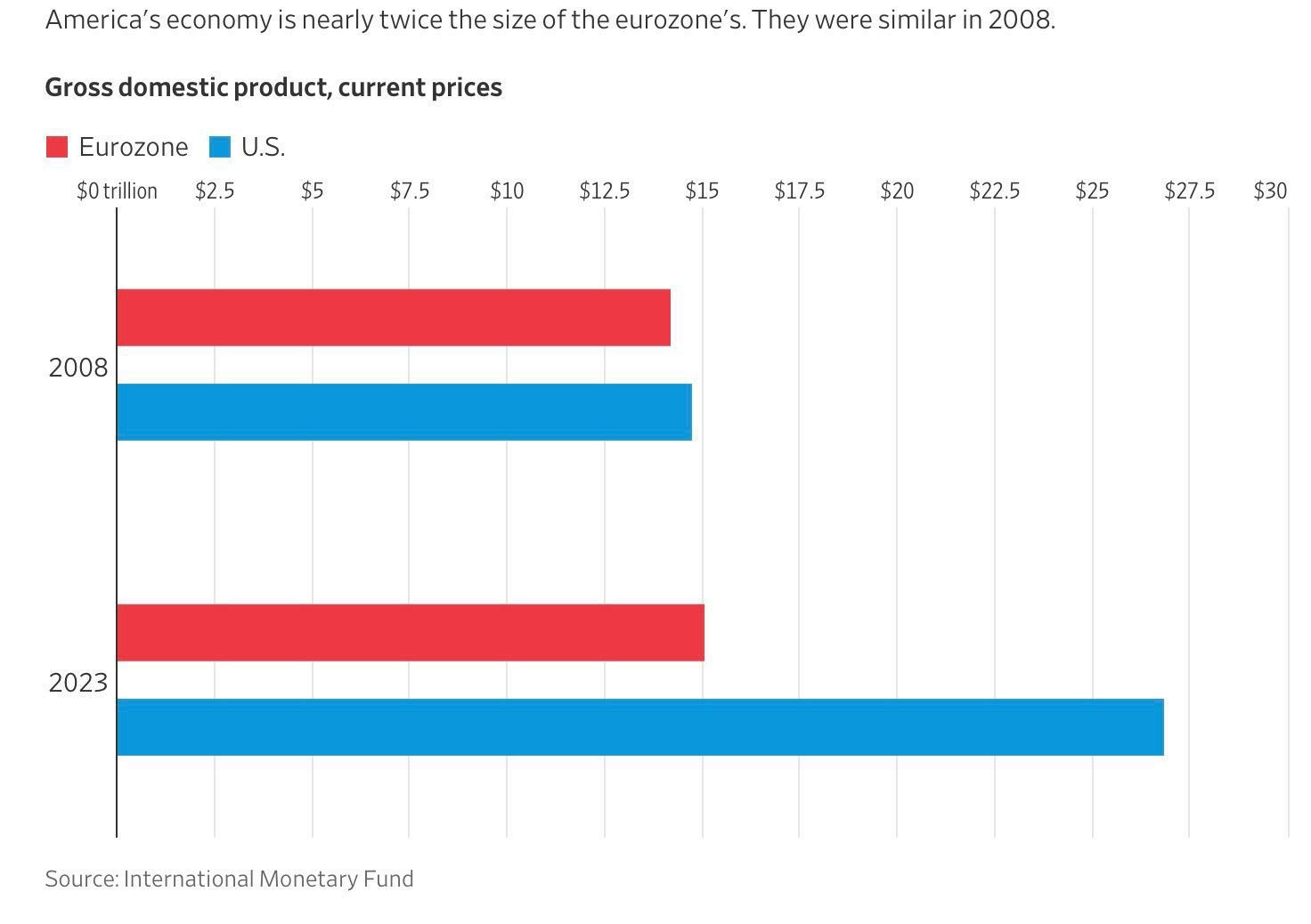
I’ve written many times about how Americans are much richer than Europeans. And I’ve also written many times that the U.S. economy has been growing faster (which shouldn’t happen according to convergence theory). There’s a simple reason for America’s superior performance. The U.S. is burdened by a medium-sized welfare state and a bad tax system […]
European Policies = European Stagnation
The child poverty conundrum
30 Aug 2024 Leave a comment
in income redistribution, kittens, labour economics, politics - New Zealand, poverty and inequality, Public Choice, welfare reform Tags: child poverty, family poverty

Lindsay Mitchell writes – The Child Poverty Report 2024 has just been published. It’s an overview and selected findings, as opposed to a full report which is due in 2025. Poverty can be measured in various ways.
The child poverty conundrum
Former Labour PM’s Clark and Ardern wrecked NZ’s Health System: they should be held accountable for the lives that have been lost
28 Aug 2024 1 Comment
in economic history, economics of bureaucracy, health economics, industrial organisation, Marxist economics, politics - New Zealand, Public Choice, theory of the firm Tags: health insurance
Enough is enough. Former PMs Helen Clark and Jacinda Ardern should come clean about how they were the Chief Architects of the omni-shambles that has become our health system. They should take responsibility for the folks who suffered from long waiting lists and declining health-care quality, some of whom didn’t make it. The person who…
Former Labour PM’s Clark and Ardern wrecked NZ’s Health System: they should be held accountable for the lives that have been lost
Meanwhile at the Democratic National Convention. . .
23 Aug 2024 Leave a comment
in economic history, income redistribution, law and economics, liberalism, Marxist economics, politics - USA, property rights, Public Choice Tags: 2024 presidential election
I’m off to the Blyde River Canyon today and most of tomorrow, so posts will be nonexistent or thin for a few days—save for Matthew’s postings of the Hili Dialogues. I’ve largely avoided reading the news, as I find it depressing and not conducive to a relaxing vacation, but two readers sent me stuff about […]
Meanwhile at the Democratic National Convention. . .
Guest Post: Criticising Cuba
23 Aug 2024 Leave a comment
in comparative institutional analysis, constitutional political economy, development economics, economic history, economics of crime, growth disasters, history of economic thought, law and economics, liberalism, Marxist economics, politics - New Zealand, Public Choice Tags: Cuba
A guest post by Lucy Rogers: Today (as of the time of writing) I saw Associate Professor Michael Mawson of the theology faculty at Auckland University advertise on Facebook an event hosting Professor Miguel De La Torre, a Cuban academic specialising in liberation theology. The event is to be held at the Maclaurin Chapel at […]
Guest Post: Criticising Cuba
 Utopia, you are standing in it!
Recent Comments